

Kids Supermarket Toy Checkout Honest Parent Experiences
Does a kids supermarket toy checkout really help kids learn?
The kids supermarket toy checkout turns everyday pretend play into real learning. Through toy checkout roleplay and pretend grocery shopping, children practice counting, patience, turn-taking, and communication. Parents report longer focus, less screen time, and stronger social skills from using a grocery store checkout toy at home.
Kids Supermarket Toy Checkout Honest Parent Experiences
⏱ 7 min read
If you’ve ever watched your child mimic scanning groceries or announcing totals at the store, you’ve seen the magic of pretend play. Many parents wonder whether a kids supermarket toy checkout is just another toy—or a meaningful learning tool. Real families say the right toy checkout can quietly build confidence, math skills, and independence while keeping kids happily engaged.
Explore the kids supermarket toy checkout parents are talking about
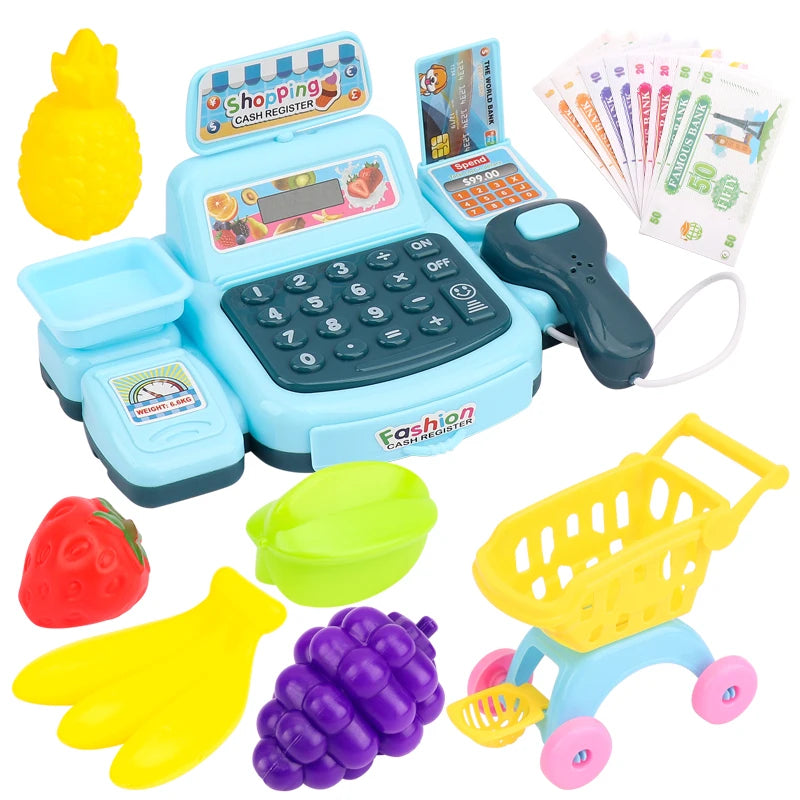
Kids supermarket toy checkout for pretend grocery shopping fun 💡 See it in action
Why Parents Love Kids Supermarket Toy Checkout Play
Parents often buy toys hoping they’ll last more than a week. What surprises many families is how a kids supermarket toy checkout becomes part of daily routines. Instead of short bursts of play, children return to it again and again, inventing new grocery store stories.
Several parents say it becomes the “go-to” activity during quiet mornings or sibling playtime. Because it mirrors real life, kids instinctively know how to use it without instructions.
What Kids Actually Learn From Pretend Grocery Shopping
The value of a toy checkout goes beyond fun. Pretend grocery shopping taps into multiple developmental skills at once.
- Early math: Counting items, recognizing numbers, and understanding totals.
- Language skills: Greeting customers, naming items, and asking questions.
- Social confidence: Taking turns and practicing patience.
- Independence: Completing tasks from start to finish.
Parents who already focus on learning-through-play often pair this with other hands-on activities from Baby Growth & Learning collections to keep experiences balanced and engaging.
Which playtime tools actually keep your child engaged longer? Many parents find realistic role-play toys outperform flashy electronic ones.
Honest Parent Reviews and Experiences
Families consistently describe similar moments after introducing a grocery store checkout toy at home.
- “My toddler plays cashier for 30–40 minutes without asking for a screen.”
- “Siblings stopped fighting and started taking turns being the customer.”
- “My child started recognizing numbers at the real store faster.”
One parent shared that the toy checkout became part of their calm-down routine after preschool, helping their child transition from busy days to relaxed evenings.
How This Toy Checkout Compares to Other Options
| Feature | This Kids Supermarket Toy Checkout | Basic Plastic Checkouts | App-Based Games |
|---|---|---|---|
| Hands-on play | ✔ Yes | ✔ Limited | ✖ No |
| Screen-free | ✔ Yes | ✔ Yes | ✖ No |
| Encourages social play | ✔ Strong | ✔ Moderate | ✖ Minimal |
| Long-term engagement | ✔ High | ✖ Short-lived | ✖ Often passive |
Compared with many alternatives, parents feel this kids supermarket toy checkout balances realism and simplicity better than most.
Learn how this grocery store checkout toy fits real family routines
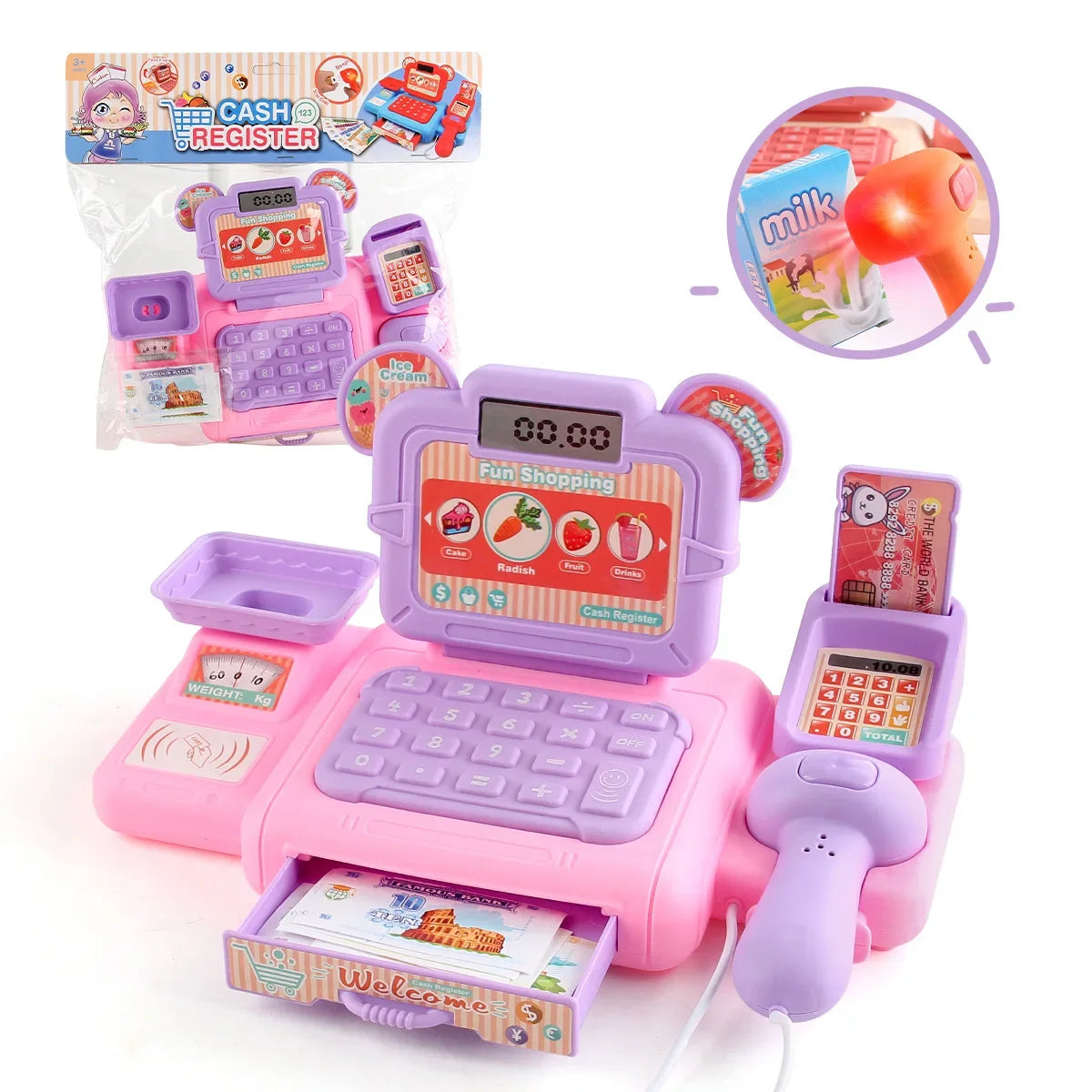
Toy checkout roleplay builds confidence and focus 💡 See it in action
Features That Matter (and Ones That Don’t)
Parents agree that certain details make or break the experience.
Most Loved Features
- Buttons that respond without being overly loud
- Accessories that feel sturdy and realistic
- Simple setup that kids can manage alone
Common Disappointments
- Overly complex electronics
- Flimsy parts that break easily
- Too many tiny accessories to manage
Families focused on safe, durable play often explore complementary items from Health & Safety or calming activities from Sensory Toys to round out their play spaces.
How to Set Up a Grocery Store Checkout Toy at Home
- Clear a small play surface or table.
- Add pretend groceries from around the house.
- Assign roles: cashier, shopper, bagger.
- Rotate roles to keep interest high.
Parents say this setup works especially well during rainy days or quiet afternoons.
Is This Kids Supermarket Toy Checkout Worth It?
For families seeking meaningful, screen-free play, the kids supermarket toy checkout stands out. Parents report stronger focus, better number recognition, and happier independent play. Its realistic design encourages repeated use, making it more than a short-term toy and helping justify the investment over time.
- ✔ Encourages learning through play
- ✔ Supports sibling interaction
- ✔ Reduces reliance on screens
- ✖ Requires some storage space
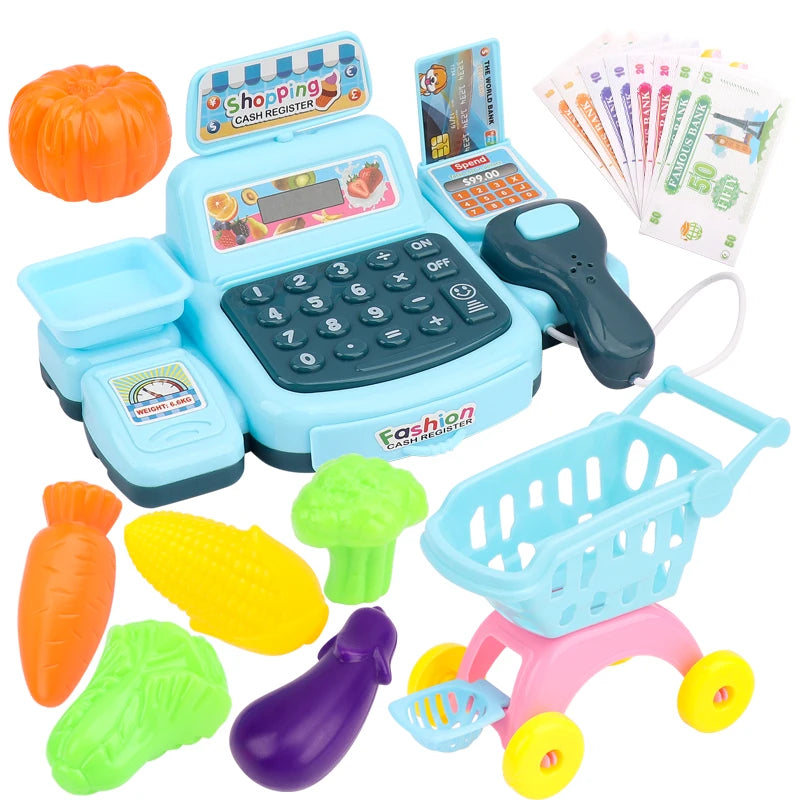
Pretend grocery shopping made fun and educational 💡 See it in action
Get this kids supermarket toy checkout while it’s available
Frequently Asked Questions
What age is a kids supermarket toy checkout best for?
Most parents recommend it for ages 3–6, when children enjoy role play and can follow simple routines independently.
Does a toy checkout help with early math?
Yes. Parents consistently notice improved counting, number recognition, and confidence with basic totals through regular play.
Is this better than digital learning games?
Families often prefer hands-on pretend grocery shopping because it encourages movement, conversation, and longer focus without screens.
Related Guide: Learning Educational Toys Review What Parents Love Most





