

Kids Swing Safety Tips: Simple Checks That Prevent Injuries
What are the most important kids swing safety tips every parent should know?
Kids swing safety tips start with checking equipment, choosing age-appropriate swings, maintaining safe spacing, and creating a secure play environment. Parents can improve playground swing safety by inspecting hardware, using proper fall surfaces, supervising children, and following swing set safety guidelines. A well-installed swing with durable materials and correct usage habits helps children enjoy active outdoor play with fewer preventable risks.
Kids Swing Safety Tips Every Parent Should Follow
Kids swing safety tips help parents create outdoor play spaces where children can have fun while reducing preventable injuries. Swing accidents often happen because of overlooked details like worn hardware, unsafe landing areas, poor spacing, or incorrect swing use. This guide covers practical swing safety steps, setup recommendations, maintenance routines, and age-based rules to help families build safer backyard play habits.
⏱ 12 min read
Have you ever watched your child swing higher and wondered if your backyard setup is truly safe? A few simple checks before play can make a major difference. From selecting the right swing to maintaining equipment over time, most swing-related risks can be reduced with consistent safety habits.
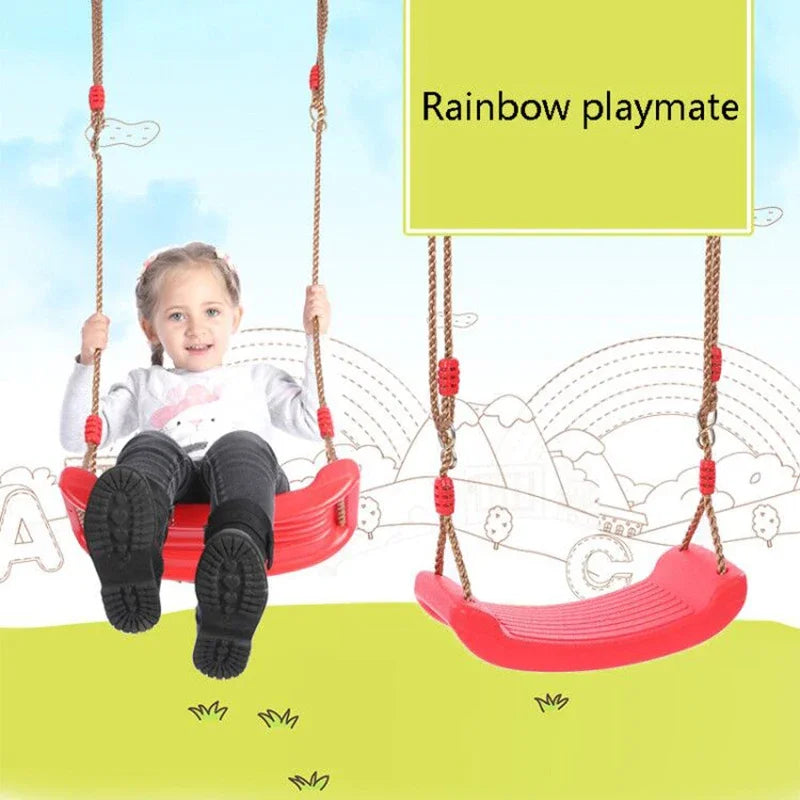
Follow practical kids swing safety tips to create a safer backyard play environment.
Discover safer outdoor play ideas that protect growing bodies.
Kids Swing Safety Tips: The Essential Checklist Before Every Swing Session
The safest swing experiences begin before the first push. A quick inspection routine helps identify problems before they become accidents. These kids swing safety tips create a simple checklist parents can follow every time children play.
Inspect the Swing Before Use
- Check chains, ropes, and connectors for damage or excessive wear
- Look for cracks, sharp edges, rust, or loose screws
- Make sure seats are secure and properly attached
- Confirm the swing frame feels stable and does not shift
Choose the Right Swing for Your Child's Age
A safe swing should match your child’s size, coordination level, and developmental stage. Younger children may need enclosed bucket seats, while older children can typically use belt swings with proper supervision.
Check Fall Surfaces and Clearance
Before swinging, confirm there is enough open space around the equipment. A safe playground swing area should have impact-absorbing surfacing and enough room to prevent collisions.
Review Supervision Rules
Children should understand basic swing safety rules, including staying clear of moving swings, holding on securely, and waiting for others to finish before entering the swing zone.
Why Swing Safety Matters and the Most Common Causes of Injuries
Swings combine height, speed, and movement, which means small mistakes can create significant impact. Understanding common hazards helps parents create safer play environments at home and in public areas.
Typical Swing-Related Injuries
- Falls caused by unstable seats or improper use
- Collisions with moving swings or nearby children
- Impact injuries from hard landing surfaces
- Pinched fingers from damaged hardware
- Strains caused by incorrect swinging techniques
Why Falls Happen
Many swing accidents occur because children lose grip, jump while moving, or use equipment that does not match their ability level. Proper supervision and age-appropriate equipment reduce these risks.
Risk Factors at Home and Playgrounds
Loose anchors, worn chains, crowded play areas, and poor ground surfaces can all increase injury risk. Families who prioritize Health & Safety habits at home create safer spaces for everyday activities.
Common Swing Safety Mistakes Parents Make
Even careful parents can overlook small details that affect playground swing safety. Recognizing these common mistakes makes prevention easier.
Letting Kids Jump Off Moving Swings
Jumping from a moving swing increases impact force and can cause falls. Teach children to slow down completely before stepping away.
Ignoring Protective Surfacing
Grass and packed dirt may look safe but provide limited shock absorption. Materials such as rubber mulch, wood chips, and safety mats provide better protection during falls.
Overcrowding the Swing Zone
Children walking behind or in front of swings create collision risks. Establish a clear waiting area away from the swing path.
Using Damaged or Worn Equipment
Rusty chains, cracked seats, and loose bolts should never be ignored. Replace damaged parts before allowing children to continue playing.
How to Set Up a Safe Backyard Swing Set
Proper installation is one of the most important swing set safety guidelines. A stable location, secure foundation, and correct spacing help reduce common backyard accidents.
Choose the Right Location
Install swings on level ground away from fences, walls, trees, and other obstacles. Avoid placing swing sets near areas where children frequently walk.
Install Proper Fall Surfacing
Residential playground equipment safety depends heavily on the surface beneath the swing. Shock-absorbing materials help reduce injuries when children fall.
Maintain Safe Clearance Zones
- Keep enough open space in front of and behind the swing
- Separate swings to prevent side collisions
- Remove objects from the play area
Anchor and Level the Swing Set
Metal swing set safety tips include securing the frame firmly, checking anchors regularly, and ensuring the structure remains level after weather changes.
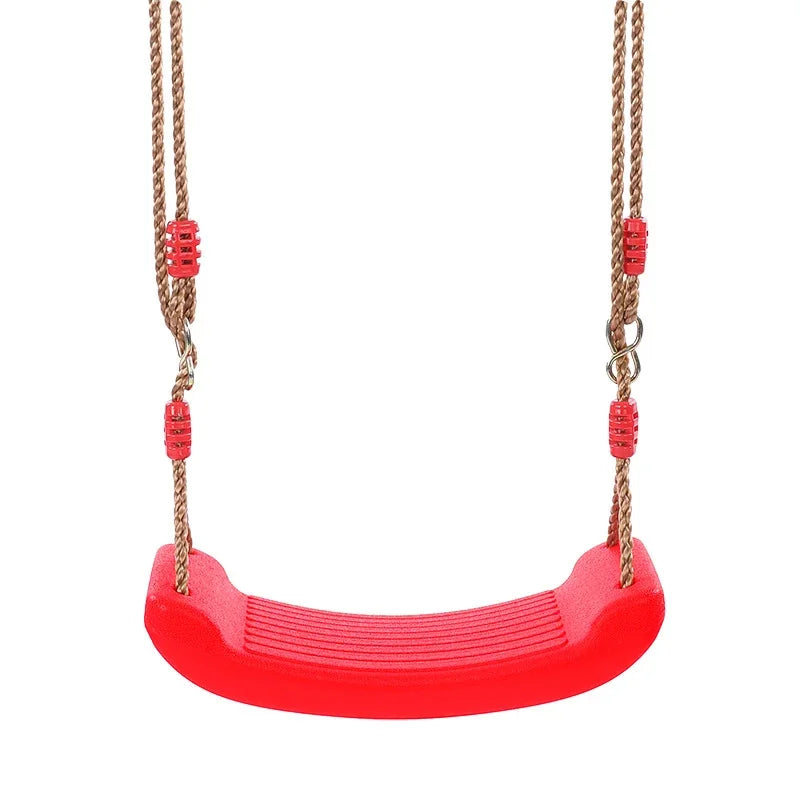
A properly installed swing setup improves playground swing safety.
Learn step-by-step how to choose safer outdoor play equipment.
Safe Swing Rules for Different Types of Swings
Different swing designs have different safety considerations. Choosing the right usage rules helps children enjoy safe playground swings.
Belt Swings
Belt swings are designed for children who can sit independently and hold on securely. Teach children to keep both hands on the chains and avoid twisting sideways.
Bucket and Baby Swings
Bucket seats provide additional support for younger children. Parents should always check weight limits, harness systems, and proper seating position.
Saucer and Tire Swings
These swings allow multiple positions but require extra supervision because children may shift their weight unexpectedly.
Rope Swings
Rope swings should be installed securely and inspected frequently for fraying, weather damage, and attachment strength.
Baby Swing Safety: Features Parents Should Look For
When choosing a baby swing, safety features should come before entertainment features. The right design supports younger children while reducing unnecessary movement risks.
Harness Systems
A secure harness helps keep babies properly positioned. Always follow manufacturer recommendations for age, weight, and usage time.
Stable Frame and Anti-Tip Design
A wide, stable base helps prevent tipping. Parents should check that the frame remains steady during movement.
Weight and Age Limits
Never exceed the recommended limits. A baby swing should support the child’s current development stage, not future growth.
Indoor vs Outdoor Baby Swings
Indoor baby swings may not be designed for outdoor weather exposure. Outdoor models should use durable materials suitable for changing conditions.
Daily, Monthly, and Seasonal Swing Maintenance Checklist
Regular maintenance is one of the easiest ways to improve swing set safety guidelines at home.
Daily Visual Inspection
- Check for visible damage before play
- Remove objects from the swing area
- Confirm seats and attachments are secure
Monthly Hardware Inspection
- Tighten bolts and connectors
- Inspect chains, hooks, and anchors
- Look for rust or corrosion
Seasonal Weather Checks
Rain, snow, heat, and humidity can weaken materials over time. Inspect outdoor equipment after severe weather.
When to Replace Parts
Replace cracked seats, damaged chains, stretched ropes, and corroded hardware immediately. Preventive replacement is safer than repairing after failure.
These habits follow the same preventive mindset used in Baby Care Essentials — small checks create greater peace of mind.
Age-Appropriate Swing Safety Guidelines
Children develop different levels of balance, coordination, and judgment at different ages. Matching equipment and supervision to age improves playground swing safety.
| Age Range | Safety Focus |
|---|---|
| Toddlers | Bucket seats, secure support, constant supervision |
| Preschoolers | Hands on chains, controlled movement, clear rules |
| School-age children | No jumping from moving swings, respect swing zones |
| Older kids | Safe speed limits and responsible play behavior |
Backyard vs Public Playground Swing Safety
Safety checks differ depending on where children play. Backyard equipment requires regular homeowner maintenance, while public playgrounds require careful inspection before use.
What to Inspect at Public Playgrounds
- Look for broken seats or damaged chains
- Check whether surfaces are properly maintained
- Watch for overcrowded play areas
Homeowner Responsibilities
Families with residential playground equipment should follow regular inspection routines, maintain hardware, and replace worn components.
Shared Equipment Etiquette
Teaching children to wait their turn and avoid entering active swing paths helps create safer shared spaces.
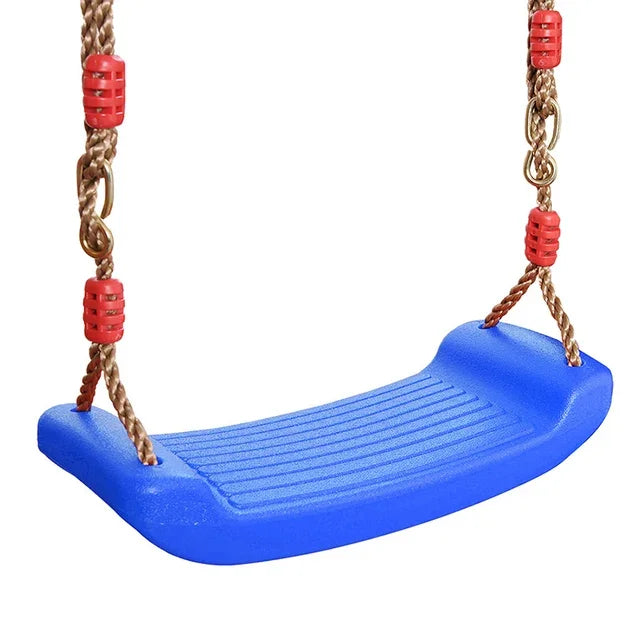
Safer swing choices support confident outdoor play for growing children.
Explore safer swing options designed for confident outdoor play.
Many parents choose a reliable option like this kids swing because it balances stability, comfort, and everyday durability.
Frequently Asked Questions
How often should I inspect a backyard swing?
Perform a quick visual check before every play session and a deeper inspection monthly. Regular inspections help identify loose hardware, wear, and damage before they become safety issues.
What surface is safest under a swing set?
Impact-absorbing materials such as rubber mulch, wood chips, and playground safety mats are safer options than concrete, packed dirt, or thin grass areas.
Can one swing set last through multiple childhood stages?
Yes. A quality swing set with adjustable features and replaceable components can support different ages when maintained properly.
Are LED light-up swings safe for kids?
LED light-up swings can be safe when they are designed for children, use secure wiring protection, and follow recommended weight and age limits. Parents should inspect lights and electrical components regularly.
What safety features should I look for in a baby swing?
Look for secure harness systems, stable frames, appropriate weight limits, comfortable seating support, and durable construction.
What safety tips should I follow when using a metal swing set?
Follow metal swing set safety tips such as checking for rust, tightening hardware, confirming anchors are secure, and ensuring the swing is installed on a safe surface.
How much clearance should a swing have?
A swing should have enough open space around the movement area to prevent collisions. Follow the manufacturer’s spacing recommendations and keep the surrounding area free of obstacles.
When should a swing or chain be replaced?
Replace swings or chains when you notice cracks, rust, stretching, broken connectors, or any damage that affects stability.
Get yours now and create a safer, happier backyard play space today.
Related Guide: How to Install Kids Swing Safely at Home





