

Kids Wooden Math Puzzle Benefits for Focus and Number Sense
Does a kids wooden math puzzle really improve focus and number sense?
A kids wooden math puzzle supports early numeracy by combining tactile pieces with visual patterns that help children recognize numbers, quantities, and relationships. Through hands on learning math, kids practice focus, problem-solving, and patience, making it a reliable tool for z preschool activities and hands on learning for kindergarten.
Kids Wooden Math Puzzle Benefits for Focus and Number Sense
Kids wooden math puzzle play transforms everyday learning into moments of calm concentration and joyful discovery. With sturdy wooden pieces and self-correcting designs, children naturally build number sense, strengthen focus, and gain confidence through hands on learning math. For families exploring z preschool activities or hands on learning for kindergarten, this simple tool delivers meaningful progress without pressure.
⏱ 6 min read
Ever notice how hard it is for young kids to sit still long enough to learn numbers? Screens grab attention fast, but they rarely help children truly understand counting or quantity. Many parents want learning that feels playful, builds patience, and actually sticks. So what makes a kids wooden math puzzle such a reliable choice?
Which learning toy truly helps kids focus without frustration? Keep reading to see why wooden math puzzles stand out.
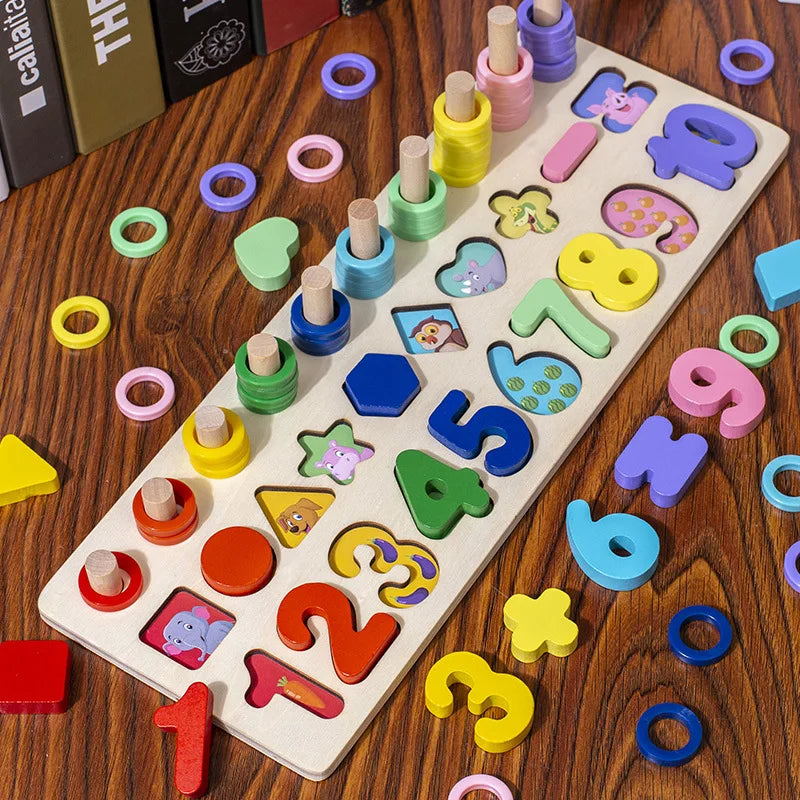
Hands on learning math with a kids wooden math puzzle builds calm focus — 💡 see it in action
Why focus matters in early math learning
Before children can add or subtract, they must learn to concentrate. Focus allows them to notice patterns, correct mistakes, and stay engaged long enough to understand quantity. Without it, math feels overwhelming and discouraging.
A kids wooden math puzzle encourages sustained attention by offering just enough challenge. There are no flashing lights or loud sounds—only clear goals and tactile feedback that reward persistence.
Parents exploring Baby Growth & Learning tools often discover that calm, physical play creates stronger foundations than fast-paced digital games.
What makes a kids wooden math puzzle more effective?
A kids wooden math puzzle works because it slows learning down in a good way. Children must touch, move, and align pieces, engaging multiple senses at once.
Unlike plastic or digital toys, wood offers natural resistance and weight. This sensory feedback helps children remember number shapes and quantities more clearly.
- Self-correcting slots help kids notice mistakes independently
- Simple designs reduce distraction and mental overload
- Natural materials create a calm, inviting play experience
- Open-ended challenges grow with the child’s skills
Key benefits for number sense and patience
Kids wooden math puzzle play supports more than counting. It strengthens essential skills that carry into everyday learning.
How does it build real number sense?
A kids wooden math puzzle helps children see numbers as quantities, not just symbols. Matching pieces, stacking blocks, or aligning numerals with amounts builds understanding step by step.
- Recognizing numbers and quantities together
- Understanding more vs less through comparison
- Developing early addition and subtraction intuition
- Building confidence through successful problem-solving
Why patience grows naturally
Because wooden puzzles don’t rush kids, children learn to slow down. Completing a puzzle takes focus and persistence, rewarding calm effort rather than speed.
Families who already value sensory-based play often pair math puzzles with items from Sensory Toys to create balanced, engaging routines.
How hands on learning math works at home and school
Hands on learning math fits easily into daily routines. No special setup is required, making it ideal for busy families and classrooms alike.
- Introduce the puzzle during calm moments, not rushed transitions
- Let the child explore freely before offering guidance
- Ask gentle questions like “What comes next?”
- Celebrate effort, not just correct answers
This approach aligns well with z preschool activities and hands on learning for kindergarten, where exploration leads learning rather than strict instruction.
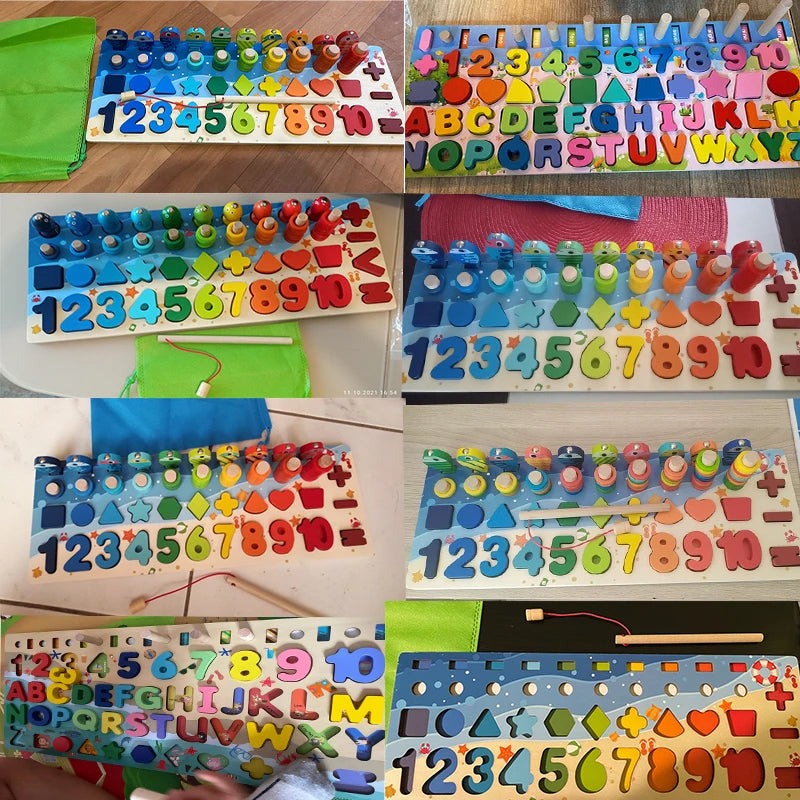
Hands on learning for kindergarten builds confidence with a kids wooden math puzzle — 💡 see it in action
Teachers often report that children who practice with wooden math puzzles show improved attention during group activities and greater willingness to try new challenges.
Wooden math puzzles vs common alternatives
| Feature | Wooden Math Puzzle | Digital Apps | Plastic Toys |
|---|---|---|---|
| Focus building | High, distraction-free | Short attention bursts | Moderate |
| Number sense | Concrete and visual | Abstract | Often limited |
| Durability | Long-lasting wood | Device-dependent | Prone to wear |
| Independent play | Encouraged | Requires supervision | Varies |
For parents comparing options, a kids wooden math puzzle offers clarity, simplicity, and lasting value.
Real-life learning scenarios parents recognize
Imagine a rainy afternoon. Instead of reaching for a tablet, your child sits quietly, fitting number pieces into place. There’s no pressure—just curiosity.
Or picture a classroom corner where kids rotate through activities. The wooden math puzzle becomes a favorite station, drawing children back again and again.
Parents who focus on holistic routines often combine learning time with calm spaces using products from Sleep & Comfort to support emotional balance.
Safety, durability, and long-term value
Safety matters. Kids wooden math puzzles are typically made from smooth, solid wood with rounded edges, designed for repeated handling.
Durable construction means the puzzle can be passed down or used across multiple stages of development, making it a smart long-term choice.
Many families appreciate how wooden toys align with broader wellness goals, similar to items found in Health & Safety collections.
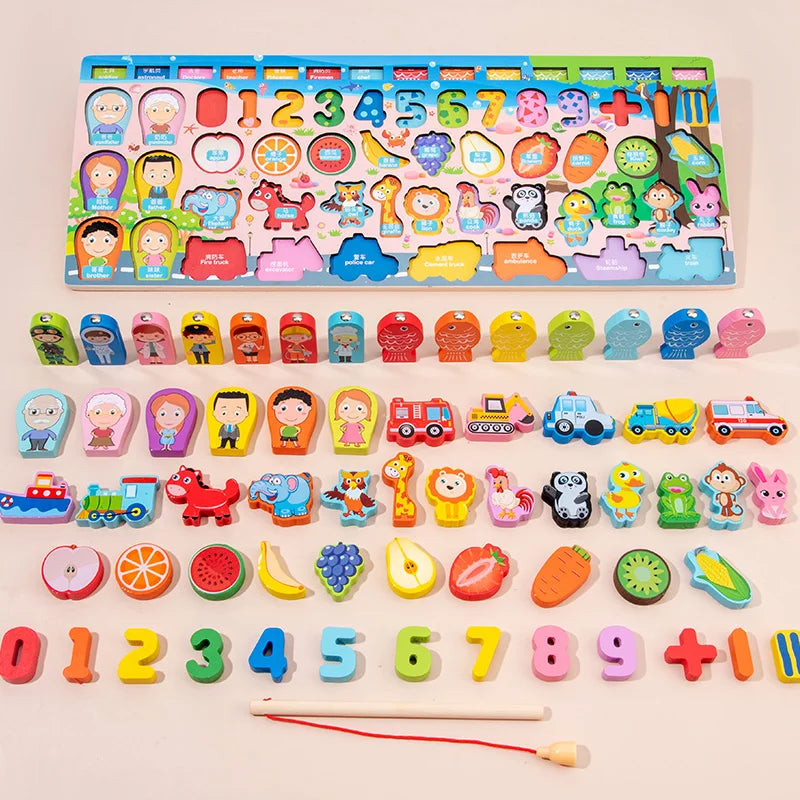
Number sense toys that last — kids wooden math puzzle for hands on learning math 💡 see it in action
For parents ready to invest in meaningful learning, the Montessori Wooden Math Toy offers a thoughtfully designed solution that supports focus, number sense, and independence.
Frequently asked questions
What age is a kids wooden math puzzle best for?
Most children benefit from ages 3 to 6, when number recognition and focus skills are rapidly developing. Designs often grow with the child’s abilities.
Can wooden math puzzles replace screen-based learning?
They complement it well by offering tactile, distraction-free practice that builds deeper understanding and longer attention spans.
Are wooden math puzzles suitable for classrooms?
Yes. Their durability and self-correcting nature make them ideal for group settings and independent learning stations.
Related Guide: Early Childhood Learning Toy Features That Boost Real Results





