

Kindergarten Indoor Games: Fun Ideas for Rainy Days
Do kindergarten indoor recess games really keep kids active and focused?
Kindergarten indoor recess games help children release energy, practice teamwork, and stay engaged when outdoor play isn't possible. Well-planned kindergarten indoor games combine movement, creativity, and learning so children stay active, improve self-regulation, and return to lessons ready to focus. Whether used during indoor recess, brain breaks, or classroom transitions, these activities support both physical and cognitive development.
Kindergarten Indoor Recess Games Teachers Trust Most
Kindergarten indoor recess games can transform restless afternoons into calm, joyful learning experiences. From movement challenges to literacy games and teamwork activities, teachers use engaging indoor games for kindergarten to keep children active without creating classroom chaos. Many of these ideas also work well at home as fun family activities using safe toys for preschoolers that encourage learning through play.
⏱ 6 min read
When outdoor recess is canceled because of rain, heat, or poor air quality, children still need opportunities to move. A few carefully chosen indoor kindergarten games can improve attention, reduce frustration, and help students transition back to academic work more successfully.

Kindergarten indoor recess games that promote movement and teamwork — See it in action
What are kindergarten indoor games and why are they important?
Kindergarten indoor games are structured activities designed for classrooms or indoor learning spaces where children can stay active, practice academic skills, or build social confidence. Unlike free play during indoor recess, these activities usually have simple rules and a specific purpose.
Indoor games for kindergarten are especially useful during:
- Rainy or extremely hot weather
- Morning arrival routines
- Brain breaks between lessons
- Transition periods
- Indoor recess
Teachers often notice that children return to lessons with improved attention after participating in movement-based indoor kindergarten games. Structured play also encourages cooperation, communication, and emotional regulation.
Many educators combine movement activities with sensory-based play from Sensory Toys to support focus and emotional regulation.
How to choose the best indoor games for kindergarten
The best indoor games for kindergarten are easy to organize, appropriate for young learners, and flexible enough for different classroom sizes.
- Match games to learning goals. Select movement games for energy release, phonics games for literacy practice, or counting games for math review.
- Consider available space. Whole-class movement works best in open areas, while tabletop activities suit smaller classrooms.
- Choose age-appropriate rules. Kindergarteners respond best to short instructions and quick game rounds.
- Keep materials simple. Many inside games for kindergarten require nothing more than tape, bean bags, music, or classroom supplies.
- Prioritize safety. Use soft equipment and establish clear movement boundaries before beginning.
The best kindergarten indoor games by category
Movement and brain break games
Learning objective: Release energy while improving coordination and self-control.
Materials: Music, floor markers, or open space.
Play time: 5–10 minutes.
Skills developed: Balance, listening, gross motor skills, and attention.
Literacy and phonics games
Letter scavenger hunts, alphabet charades, and beginning-sound matching games reinforce reading skills while keeping children actively involved.
Math and counting games
Roll-and-count activities, number hops, and shape hunts turn math practice into active learning with minimal preparation.
STEM and problem-solving games
Simple building challenges using blocks, cups, or recycled materials encourage creativity, teamwork, and early engineering thinking.
Social-emotional learning games
Emotion charades, compliment circles, and teamwork challenges help children recognize feelings and practice respectful communication.
Circle time games
Name games, passing rhythms, and question balls keep every child engaged while reinforcing classroom routines.
Quiet-time games
Puzzle races, memory games, and matching activities provide a calming alternative when children need lower-energy play.
Indoor recess games
Obstacle courses, freeze dance, target games, and cooperative movement activities remain classroom favorites because they combine exercise with teamwork and simple supervision.
Ready-to-play indoor recess activities for kindergarten
Freeze Dance
Setup: Play upbeat music and pause it randomly.
Group size: Whole class.
Adaptation: Ask children to freeze like different animals or shapes.
Target Toss
Setup: Toss bean bags or soft balls into numbered targets.
Group size: Small groups.
Adaptation: Practice counting or color recognition while playing.
Movement Stations
Setup: Create stations for hopping, balancing, crawling, and stretching.
Group size: Rotate small groups every few minutes.
Cooperative Floor Games
Setup: Complete puzzles or movement challenges together instead of competing.
Simon Says
A no-prep favorite that develops listening skills, body awareness, and self-control.
Animal Walks
Children move like bears, frogs, crabs, or penguins to strengthen coordination and balance.
Bean Bag Balance
Students balance bean bags while walking carefully across taped lines or simple obstacle paths.
Color Corners
Assign colors to classroom corners and call out colors, shapes, or letters for children to find quickly.
How indoor games support kindergarten learning
Indoor games do much more than help children burn energy.
- Support gross and fine motor development.
- Improve attention, memory, and self-regulation.
- Reinforce literacy, math, and problem-solving skills.
- Build confidence through achievable challenges.
- Encourage teamwork, communication, and turn-taking.
Teachers often pair physical play with learning tools from Baby Growth & Learning to reinforce development goals naturally.
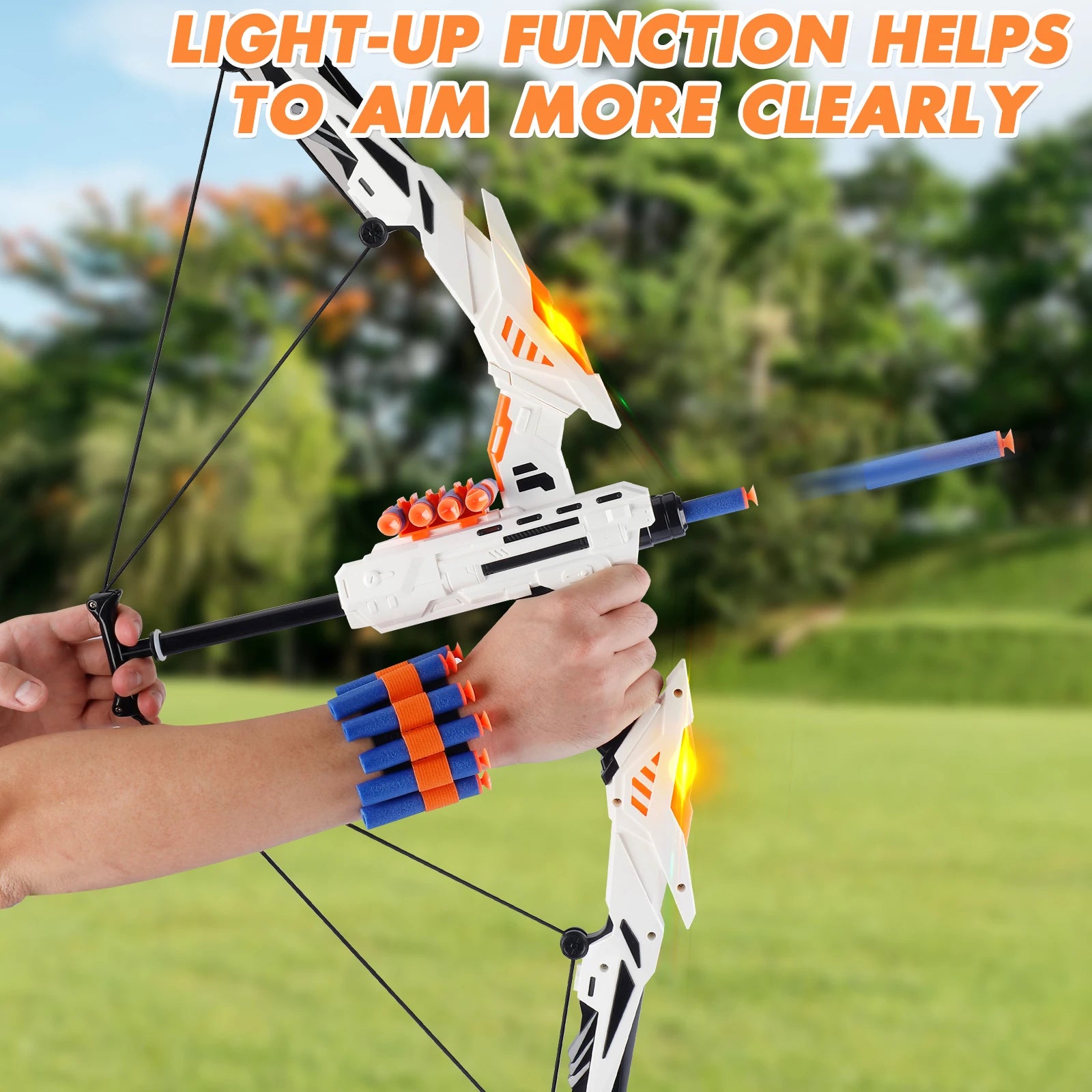
Indoor activities for kindergarten that build focus and coordination — See it in action
Compare indoor game types for different classroom needs
| Game Type | Energy Level | Best Group Size | Preparation | Main Benefit |
|---|---|---|---|---|
| Freeze Dance | High | Whole class | Music only | Listening and movement |
| Simon Says | Medium | Whole class | No prep | Self-control |
| Obstacle Paths | High | Small groups | Simple setup | Balance and coordination |
| Math Games | Low | Small groups | Simple materials | Academic review |
| Quiet Memory Games | Low | Pairs | No prep | Focus and recall |
Rotating different activity types throughout the week helps maintain engagement while balancing high-energy movement with quieter learning opportunities.
Teacher tips for successful indoor classroom games
- Explain expectations before each activity begins.
- Use visual timers to help children anticipate transitions.
- Rotate partners so everyone practices working with different classmates.
- Adapt rules for children with different physical or learning abilities.
- Keep equipment soft, lightweight, and age appropriate.
- Review classroom safety regularly using resources from Health & Safety .
If you choose equipment-based games, prioritize products designed specifically for young children. For example, the Kids Archery Set uses soft materials suitable for supervised indoor play and can be incorporated into target-based movement stations alongside bean bag tosses and other coordination activities.
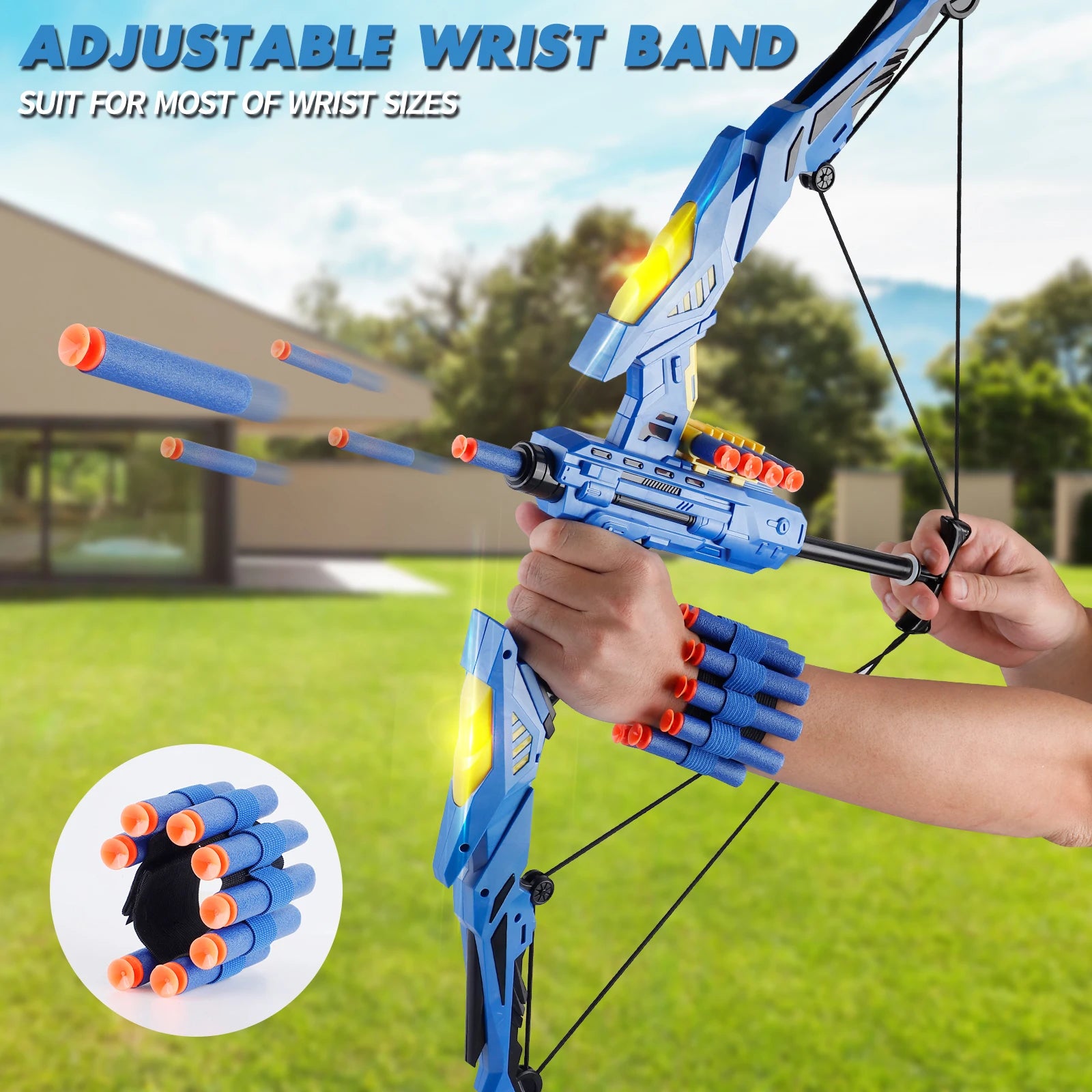
Safe toys for preschoolers powering joyful indoor recess — See it in action
Frequently asked questions about kindergarten indoor games
What are the best indoor games for kindergarten classrooms?
Some of the most effective options include Freeze Dance, Simon Says, obstacle courses, animal walks, counting games, phonics activities, and cooperative team games because they combine movement with learning.
What are good indoor recess activities for kindergarten?
Movement stations, bean bag balance, target toss, color corners, and cooperative challenges provide active play while remaining easy to supervise indoors.
How long should kindergarten indoor games last?
Most activities work best in 10 to 20 minute sessions. Short brain breaks of 3 to 5 minutes can also help students refocus between lessons.
What indoor games require no materials?
Simon Says, Freeze Dance, Animal Walks, charades, and simple stretching games require little or no equipment.
How do you keep kindergarten students engaged during indoor recess?
Alternate high-energy and quiet activities, keep instructions simple, involve every child, and rotate games regularly to maintain excitement.
Can these indoor games be adapted for home use?
Yes. Most kindergarten indoor games can easily be played in living rooms, playrooms, or garages with minor adjustments for available space.
Related Guide: Fine Motor Skill Development Toys: Honest Review After Real Use





