

Lack Physical Activity? Active Play Solutions That Help
Does lack physical activity really affect kids and families at home?
Lack physical activity at home can quietly impact energy, mood, sleep, and daily habits—especially when sedentary screen time replaces movement. The good news is that simple active play examples using whole body movements can rebuild healthy routines indoors, even in small spaces, without complicated equipment or rigid schedules.
Lack Physical Activity? Active Play Solutions That Help
⏱ 6 min read
If you’ve noticed more screen time, less movement, and restless energy at home, you’re not alone. Many families struggle with lack physical activity as routines get busier and indoor time increases. The right play-based solutions can gently bring movement back—without pressure, guilt, or overwhelm.
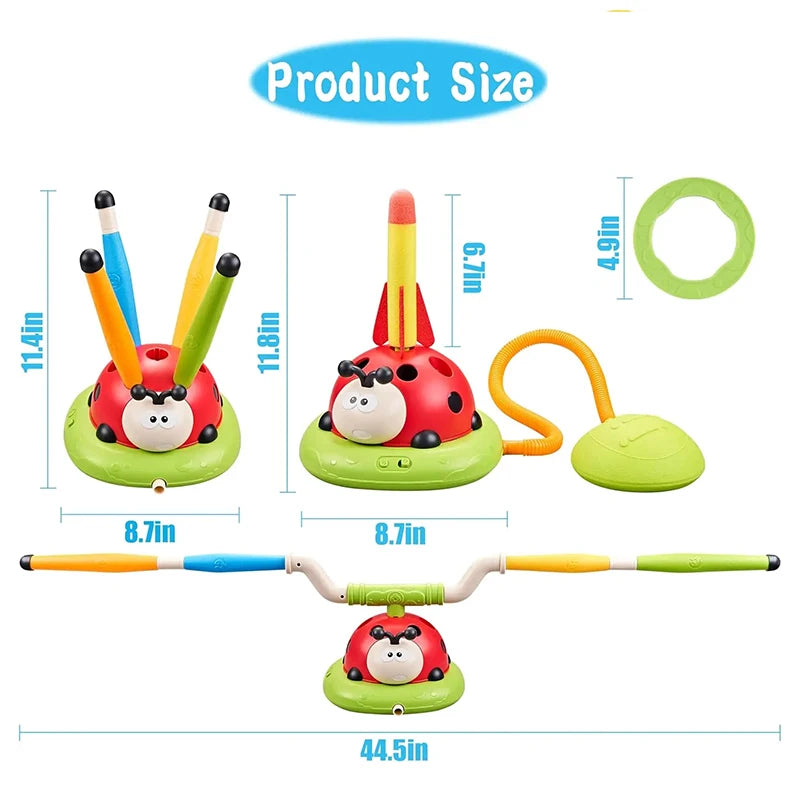
Active play examples that reduce lack physical activity and sedentary screen time 💡 See it in action
Why Lack Physical Activity Is So Common Today
Lack physical activity often sneaks in without warning. Busy parents, limited outdoor access, and digital entertainment make movement feel optional instead of natural. When homes are small, families may assume active play isn’t realistic—but that belief is exactly what keeps habits stuck.
Common reasons movement drops include:
- Long hours of sedentary screen time
- Weather or safety concerns outdoors
- Limited indoor space
- Parents feeling too tired to initiate activities
Quick question: What if just 10–15 minutes of play could reset energy levels for the whole evening?
The Hidden Costs of Sedentary Screen Time
Sedentary screen time doesn’t just replace movement—it changes how bodies feel throughout the day. Kids may appear “calm,” but that stillness often hides restlessness, lower focus, and difficulty settling at night.
Families often notice:
- Difficulty falling asleep or staying asleep
- Shorter attention spans
- Low motivation for physical tasks
- More emotional meltdowns
Reducing sedentary screen time doesn’t require removing devices completely. It works best when movement becomes the easier, more fun option.
Active Play Solutions That Fit Real Homes
Lack physical activity improves fastest when play feels effortless. The best active play examples don’t require large rooms, strict rules, or athletic skill—they invite participation naturally.
What makes active play stick?
- Short bursts instead of long workouts
- Play-based, not performance-based
- Whole body movements that feel fun
- Easy setup and storage
Lightweight toys, movement games, and rhythm-based play often work best indoors. Many families explore options from Baby Growth & Learning to encourage movement that also supports coordination and confidence.
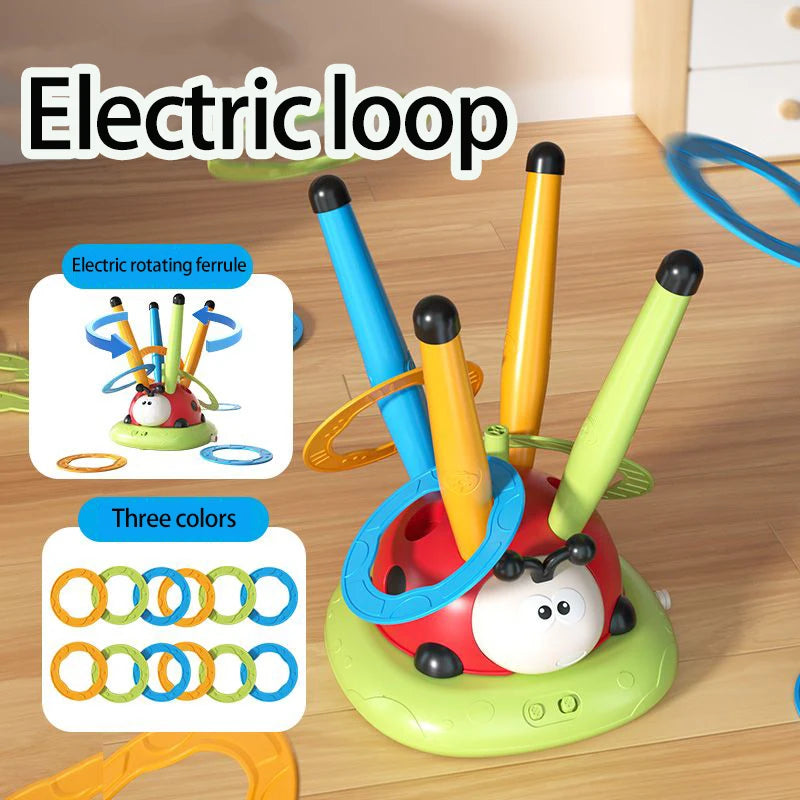
Indoor active play examples that replace sedentary screen time 💡 See it in action
Why Whole Body Movements Matter Most
Lack physical activity affects more than muscles—it impacts balance, posture, and emotional regulation. Whole body movements engage multiple muscle groups at once, helping kids burn energy while building coordination.
Examples of effective whole body movements include:
- Jumping and hopping games
- Cross-body movements
- Light resistance pulling or pushing
- Rhythm-based skipping or bouncing
These movements support natural development and are easier to repeat daily. Products designed for indoor motion often align well with Mobility & Training collections focused on safe, guided movement.
Building Simple Indoor Movement Routines
The fastest way to overcome lack physical activity is consistency—not intensity. Families succeed when movement becomes part of predictable moments in the day.
Easy routine ideas that work
- 5 minutes of movement before homework
- Play breaks between screen sessions
- Evening wind-down movement instead of scrolling
- Weekend family movement challenges
Parents often combine active play with calming elements from Sensory Toys to balance stimulation and relaxation, especially for younger children.
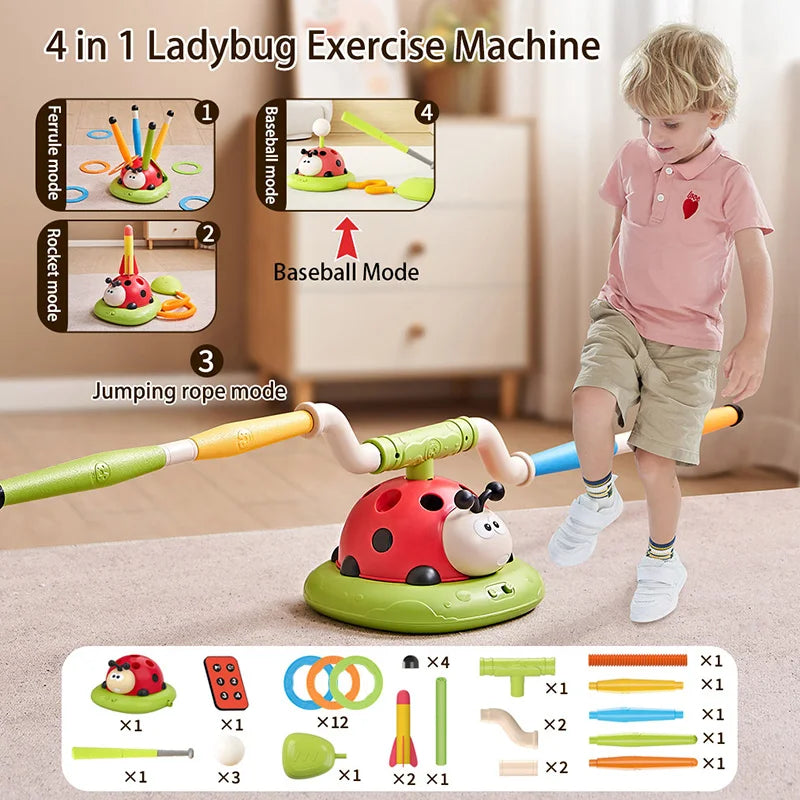
Whole body movements that help reduce lack physical activity 💡 See it in action
Real Family Experiences With Active Play
One parent shared that just adding a short indoor jumping game reduced evening meltdowns within a week. Another noticed improved sleep after replacing 20 minutes of sedentary screen time with active play examples before dinner.
What worked wasn’t perfection—it was repeatable movement that fit real homes and real schedules. Families who pair movement tools with supportive items from Health & Safety often feel more confident letting kids move freely indoors.
Frequently Asked Questions
How much lack physical activity is too much?
Lack physical activity becomes a concern when most daily time is sedentary and movement feels forced or rare. Even short daily play sessions can reverse this pattern.
Can active play really replace outdoor exercise?
Indoor active play examples don’t replace outdoor time completely, but they effectively support whole body movements when outdoor access is limited.
What if my home has very little space?
Many whole body movements—jumping, skipping, rhythmic play—require minimal floor space and no permanent setup.
How do I reduce sedentary screen time without conflict?
Replacing screen time with appealing active play works better than strict limits. When movement is fun, screens naturally become less dominant.
Related Guide: Kids Active Play Sports Toy for Every Energy Level





