

Lean to Steer Scooter: Why It’s Easier for Kids to Ride
What is a lean-to-steer scooter and why do kids learn faster with it?
A lean-to-steer scooter lets children change direction by shifting their body weight instead of turning the handlebars. This intuitive steering system supports natural balance, improves coordination, and helps many beginner riders develop confidence with fewer wobbles and smoother turns.
Lean to Steer Scooter Design: How Kids Master It
⏱ 8 min read
Watching your child struggle to steer a scooter can be frustrating. Wobbly turns, frequent stops, and hesitant first rides often make parents wonder whether their child is ready. Fortunately, a lean to steer scooter design works with the way young children naturally balance, making it easier for many beginners to build control, coordination, and confidence.
Wondering whether a lean-to-steer scooter is the right choice for your child? Here's how the design works, who it suits best, and what features to look for before buying.
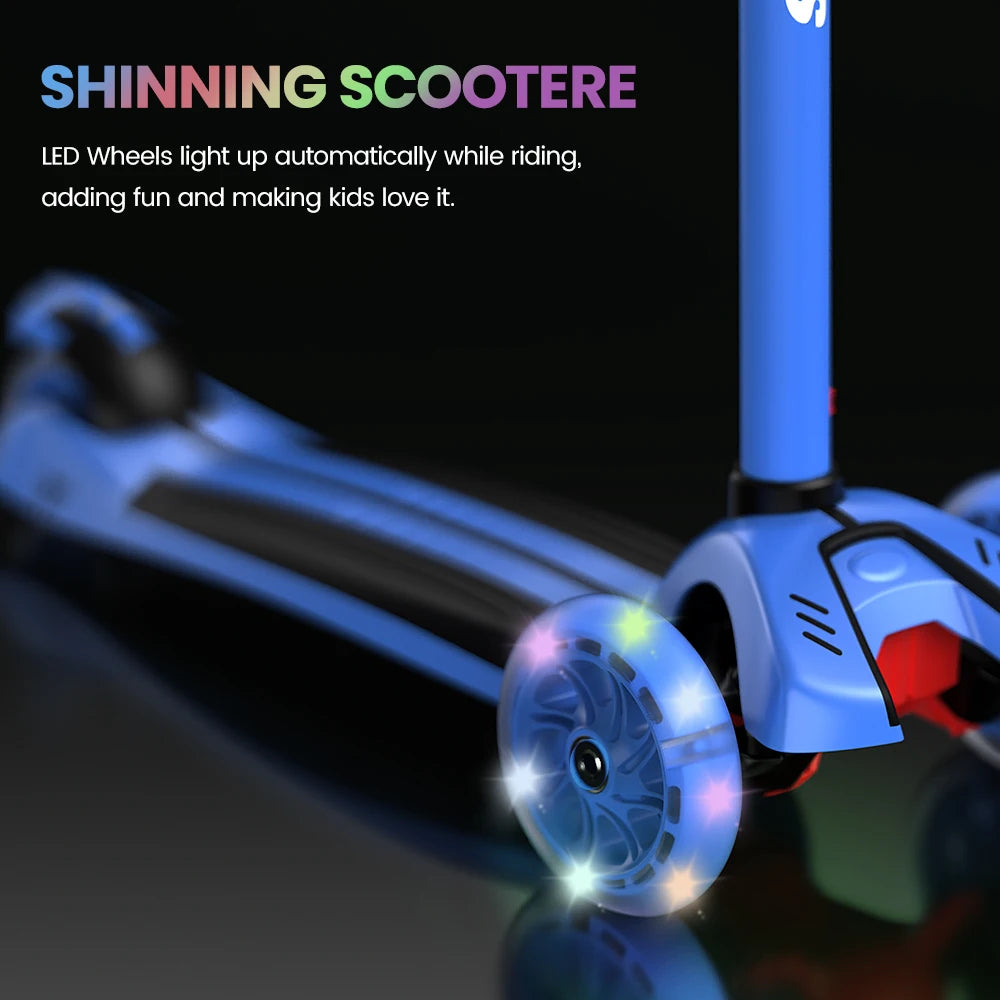
Lean to steer scooter design helps children develop smooth, natural turning skills.
What Is a Lean-to-Steer Scooter?
What is a lean-to-steer scooter?
A lean-to-steer scooter uses body movement rather than handlebar rotation to control direction. Instead of twisting the handlebars like a bicycle, children gently lean their body left or right, causing the front wheels to pivot naturally. Because this movement closely matches how children already balance while walking or running, many beginners find the learning process less intimidating.
Who is it designed for?
This style is especially popular as a beginner scooter for kids, including toddlers, preschoolers, and older children learning to ride for the first time. While experienced riders may eventually transition to traditional steering, lean-to-steer models provide a stable foundation for developing essential riding skills.
How the Lean-to-Steer Mechanism Works
How weight shifting controls direction
The lean to steer mechanism connects the steering column to a pivot system above the front wheels. As children shift their weight, the scooter responds by gradually changing direction instead of making abrupt turns.
Unlike traditional scooters that rely mainly on rotating handlebars, the front wheels on many lean-to-steer scooters pivot as the rider leans. This encourages smoother steering and helps prevent overcorrection, a common cause of early falls.
Why diagrams help explain the mechanism
Many parents understand the design more easily after seeing illustrations or demonstration videos. Watching the front wheels respond to body movement makes it easier to visualize how balance and steering work together during each ride.
- Uses natural body movement instead of wrist strength.
- Encourages smoother cornering.
- Helps children develop balance while steering.
- Reduces jerky direction changes.
Lean-to-Steer vs Traditional Turn Scooters
| Feature | Lean-to-Steer Scooter | Traditional Turn Scooter |
|---|---|---|
| Steering method | Body weight shifting | Handlebar rotation |
| Learning curve | Gentle and intuitive | Requires more hand coordination |
| Stability for beginners | Higher | Moderate |
| Best suited for | Toddlers and first-time riders | Older or experienced riders |
| Turning style | Smooth and progressive | Quicker directional changes |
Both designs have their place. A lean-to-steer scooter generally makes more sense for children who are still developing balance, while traditional steering often becomes comfortable once riders gain greater coordination and confidence.
Benefits of Lean-to-Steer Scooters for Child Development
Balance and coordination
Every ride encourages children to coordinate their core, legs, and upper body. Rather than relying on arm strength alone, they learn how body position influences movement, helping improve overall balance.
Confidence and motor skills
Small successes—such as making smooth turns or gliding farther each day—can motivate children to practice more. Regular riding also strengthens gross motor skills and body awareness through active play.
Natural riding posture
The design promotes a more relaxed riding position. Children naturally keep their eyes forward, bend their knees slightly, and maintain better posture while riding.
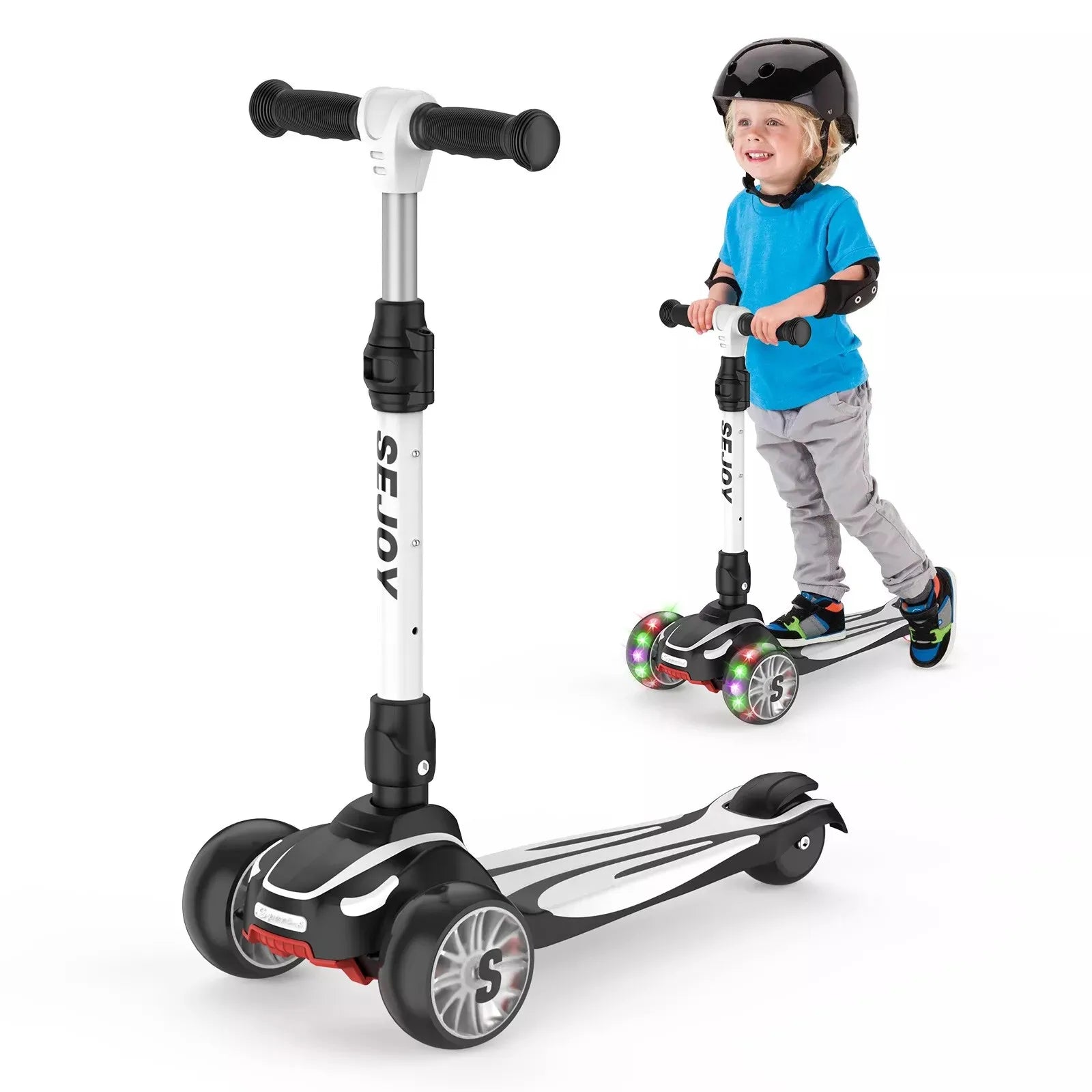
The lean to steer mechanism supports smoother balance and controlled turning.
Many parents also combine scooter practice with products from Mobility & Training to encourage strength, coordination, and active movement.
How to Ride a Lean-to-Steer Scooter
Getting started
- Adjust the handlebar to approximately chest height.
- Choose a smooth, flat riding surface free from traffic.
- Place one foot on the deck and use the other to push gently.
Practicing turns
Instead of twisting the handlebars, encourage your child to look where they want to go and lean slightly in that direction. Small, gradual weight shifts produce the smoothest turns.
Building confidence safely
Keep practice sessions short and enjoyable. Around 10 to 15 minutes of focused riding is often more productive than a long session that leaves young riders tired or frustrated.
Some families also reinforce balance through play with items from Sensory Toys.
Safety Tips and Features Parents Should Look For
Protective gear
A properly fitted helmet should always be worn. Knee pads, elbow pads, and closed-toe shoes can provide additional protection while children are learning.
Safe riding environments
Start in quiet driveways, parks, or paved paths away from vehicle traffic. Smooth surfaces allow children to focus on balance rather than avoiding obstacles.
Important scooter safety features
- Wide, non-slip deck
- Stable multi-wheel design
- Adjustable handlebars that grow with your child
- Responsive rear brake
- Durable construction and quality bearings
For additional peace of mind, parents can also explore resources from Health & Safety when building safe outdoor routines.
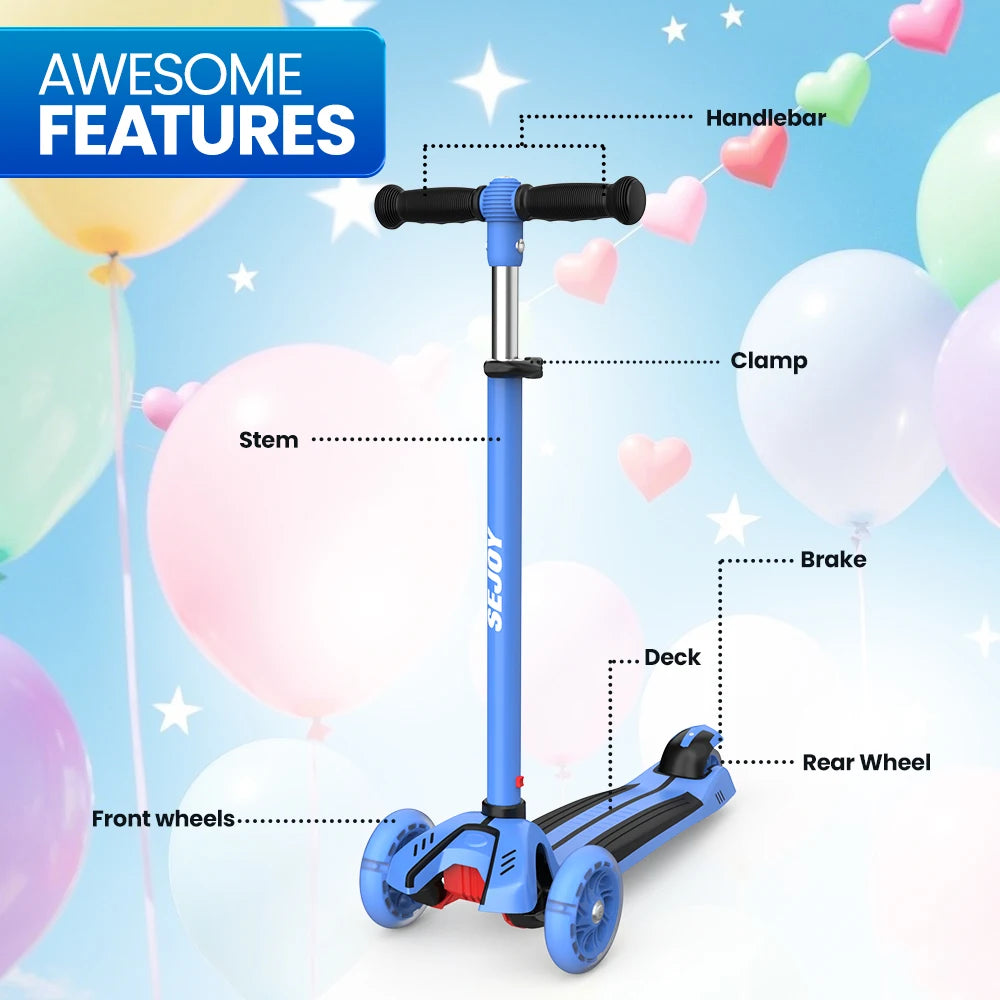
A stable beginner scooter helps children practice balance with greater confidence.
Recommended Age Ranges and Rider Skill Levels
Toddlers (around 2–3 years)
Three-wheel lean-to-steer scooters are often introduced once children demonstrate good walking balance and can follow simple safety instructions.
Preschoolers (around 3–5 years)
Many preschoolers gain confidence quickly with lean steering and begin making wider turns, longer rides, and smoother stops.
Older beginners (5+ years)
Children learning later can still benefit from the intuitive steering system before transitioning to traditional scooters if they wish.
Top Lean-to-Steer Scooter Options
When comparing scooters, focus on build quality, adjustable handlebars, deck size, braking performance, and wheel stability rather than appearance alone.
- Best for toddlers: Stable three-wheel lean-to-steer models with wide decks.
- Best for preschoolers: Adjustable scooters that grow with the rider.
- Best value: Durable beginner models offering quality construction and easy steering.
Our featured recommendation is the kids scooter with adjustable features, designed to support growing riders with adjustable handlebars and beginner-friendly stability.
Frequently Asked Questions
What is a lean-to-steer scooter?
A lean-to-steer scooter changes direction by responding to the rider's body weight instead of rotating the handlebars, making steering feel more intuitive for many young children.
How does a lean-to-steer scooter work?
The steering mechanism pivots the front wheels when the rider leans left or right, creating gradual, controlled turns.
Is a lean-to-steer scooter easier than a traditional scooter?
For many beginners, yes. Lean steering simplifies turning by matching natural balance movements rather than requiring coordinated handlebar steering.
Are lean-to-steer scooters safe for toddlers?
When used with appropriate supervision, protective gear, and age-appropriate models, they can provide a stable introduction to riding.
At what age should a child start using a lean-to-steer scooter?
Many children begin around 2 to 3 years old, provided they have good walking balance and are ready to follow basic safety instructions.
Do lean-to-steer scooters improve balance and coordination?
Regular riding helps children practice weight shifting, posture, coordination, and gross motor skills through active play.
How long does it take children to learn lean steering?
Many children become noticeably more comfortable after several short practice sessions, although every child develops skills at their own pace.
Can older kids still benefit from a lean-to-steer scooter?
Yes. Older beginners may still appreciate the intuitive steering system before progressing to traditional scooters if desired.
Related Guide: How to Choose the Right Scooter for 4 Year Olds





