

Learning Educational Toys Guide for Safe, Age-Appropriate Play
Learning Educational Toys: Age-by-Age Guide for Safe, Smart Play
Choosing the right toys for your child can feel overwhelming. Parents and educators often struggle to find products that are not only safe but also genuinely support learning and development. This comprehensive guide breaks down learning educational toys by age, aligning them with developmental milestones, safety standards, and eco-friendly practices, ensuring every play session is both fun and meaningful.
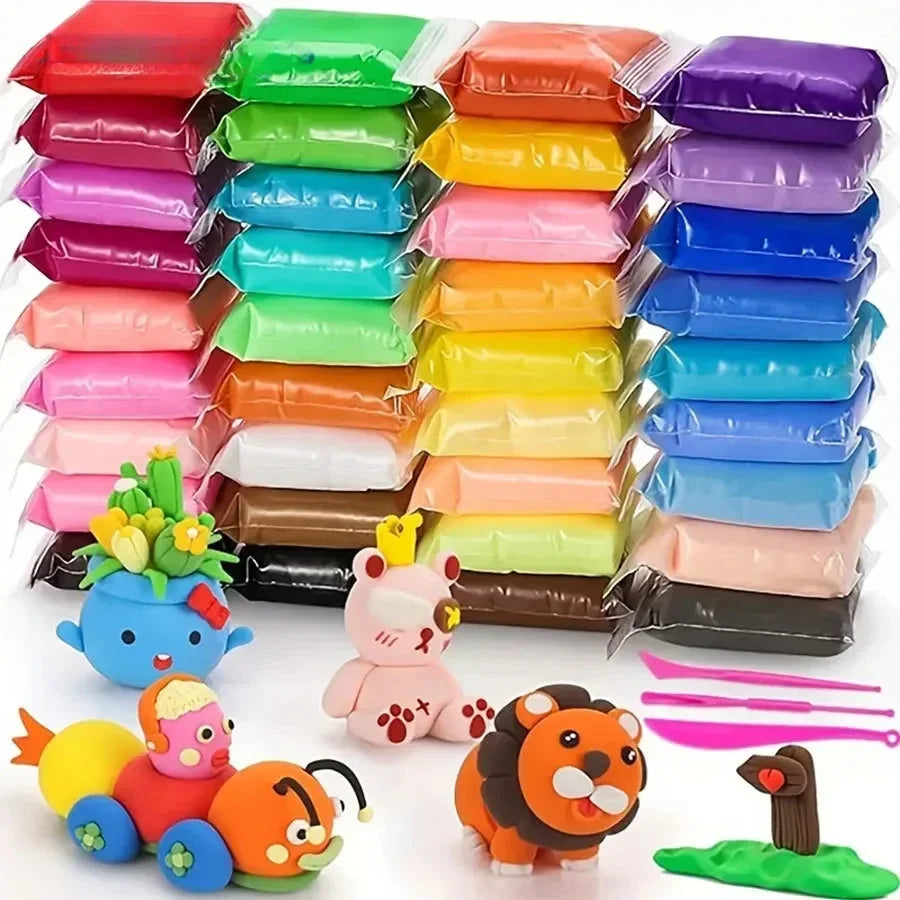
Why Learning Educational Toys Matter
Definition and Importance
Learning educational toys are specifically designed to stimulate a child’s cognitive, social-emotional, and sensory development. Unlike standard toys, these products foster problem-solving, motor skills, and creativity, turning playtime into meaningful learning experiences that promote early childhood growth.
Expert Insights on Early Development
Pediatric research emphasizes that early exposure to stimulating toys enhances brain development, fine motor skills, and social-emotional intelligence. Educational toys, guided by principles from Montessori and Reggio Emilia methodologies, encourage curiosity, experimentation, and independent thinking, forming a foundation for lifelong learning.
How to Choose Age-Appropriate Educational Toys
Key Safety Considerations
When selecting educational toys, prioritize:
- Non-toxic materials: Ensure toys are free from harmful chemicals and comply with ASTM International and CPSIA safety standards.
- Choking hazard prevention: Choose age-appropriate sizes and avoid small detachable parts for younger children.
- Durability: Toys should withstand repeated use without breaking into dangerous pieces.
Developmental Alignment
Match toys to your child’s developmental stage:
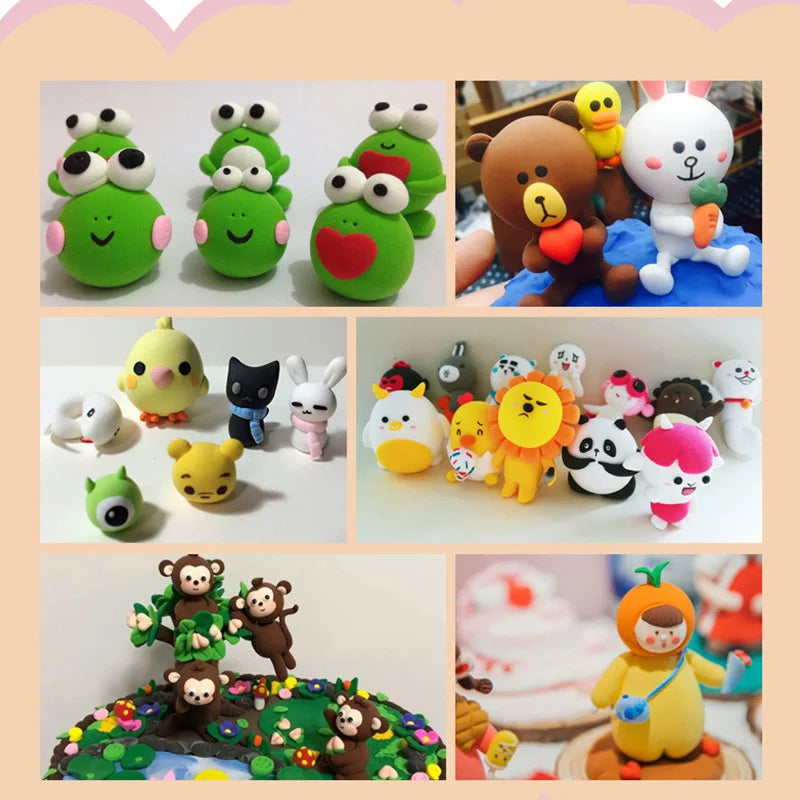
- Fine motor skills: Shape sorters, stacking blocks, and modeling clay enhance hand-eye coordination.
- Sensory play: Textured, colorful, or malleable materials stimulate tactile and visual senses.
- Cognitive growth: Puzzles, STEM kits, and problem-solving games encourage analytical thinking.
- Social-emotional learning: Role-playing sets and collaborative activities support empathy and teamwork.
Age-by-Age Educational Toy Guide
0-12 Months: Sensory and Motor Exploration
Focus on toys that promote grasping, cause-and-effect understanding, and sensory exploration. Examples include soft rattles, textured balls, and interactive cloth books.
- Pros: Enhances sensory processing and motor coordination.
- Cons: Limited to simple engagement; requires supervision.
1-3 Years: Fine Motor and Early Cognitive Skills
Introduce stacking toys, shape sorters, and basic STEM kits. These support problem-solving, hand dexterity, and early concept recognition.
- Pros: Encourages independent learning and creativity.
- Cons: Small pieces may pose choking risks; adult supervision recommended.
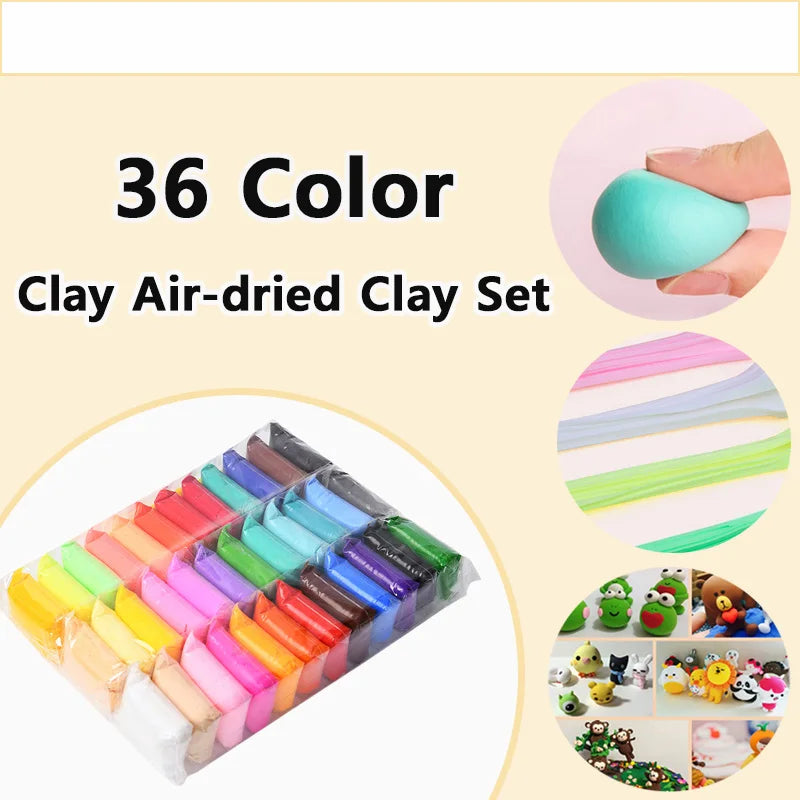
Consider the 36 Colors Air Dry Clay Set—ultra-soft, non-toxic clay perfect for hands-on learning, color recognition, and creativity for toddlers and preschoolers.
3-5 Years: Social-Emotional Learning and Creativity
Pretend play, role-playing sets, and cooperative games develop empathy, communication, and imagination. Encourage open-ended toys like dolls, play kitchens, and art kits.
- Pros: Boosts creativity and social skills.
- Cons: Some sets require adult setup or guidance.
5-8 Years: STEM, Strategy, and Problem Solving
Introduce advanced STEM kits, construction sets, and puzzle games. These toys challenge logical thinking, planning, and teamwork.
- Pros: Supports critical thinking and hands-on experimentation.
- Cons: Complexity may frustrate some children; guidance is helpful.
8+ Years: Advanced Learning and Independent Play
Complex problem-solving games, coding kits, and advanced board games foster independence, logical reasoning, and creativity.
- Pros: Encourages self-directed learning and advanced skill development.
- Cons: Requires patience and attention span; not ideal for younger children.
Top Safe and Eco-Friendly Toy Brands

Melissa & Doug
Classic wooden toys that support cognitive, fine motor, and social-emotional development. Non-toxic paints and durable design ensure safety and longevity.
PlanToys
Eco-friendly, Montessori-aligned toys made from sustainable materials. Supports creative and sensory play while adhering to strict safety standards.
Green Toys
Constructed from recycled, safe plastics suitable for imaginative and sensory activities. BPA-free and ASTM compliant, ideal for eco-conscious parents.
Integrating Educational Toys Into Daily Learning
Combining Montessori and Reggio Emilia Approaches
Encourage child-led exploration with guided opportunities. Offer materials that foster independence, curiosity, and experimentation while subtly supporting developmental goals.
Balancing Screen Time with Hands-On Play
Limit passive screen engagement and prioritize hands-on, interactive play. Rotating toys regularly and creating structured playtimes enhances learning, motor skills, and social-emotional development.
Conclusion
Age-appropriate, safe educational toys are more than entertainment—they are essential tools for fostering holistic child development. By prioritizing non-toxic, eco-friendly materials and aligning toys with developmental milestones, parents and educators can provide enriching play experiences that nurture cognitive, motor, and social-emotional growth. Explore, experiment, and make playtime a meaningful adventure for your child today.
Discover more safe and creative learning resources in our Baby Growth & Learning collection to support every stage of your child's journey.
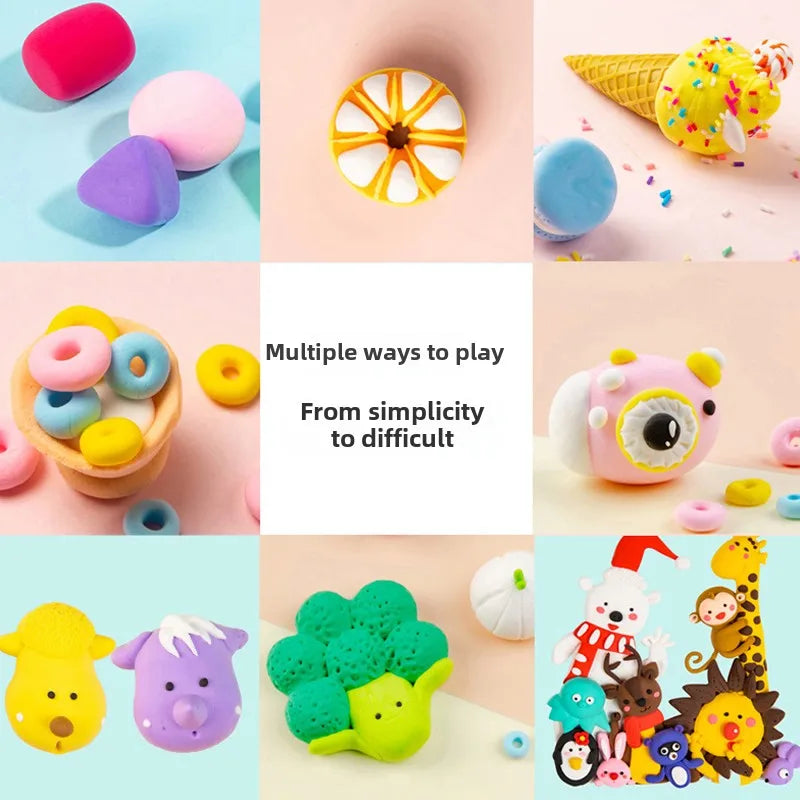
Pillar Article: What Is Air Dry Clay? A Beginner-Friendly Guide to Uses, Safety, and How It Works





