

Learning Educational Toys Review: Is This Set Worth It?
Do learning educational toys really help preschoolers learn math?
Learning educational toys help preschoolers build number sense, pattern recognition, and problem-solving through hands-on play. A well-designed math learning toy encourages repetition without pressure, supports early math skills for preschoolers, and keeps attention longer than worksheets—especially when made from durable educational wood toys.
Learning Educational Toys Review: Is This Set Worth It?
⏱ 7 min read
Parents want toys that actually teach—without screens, meltdowns, or clutter. If you’ve ever wondered whether a wooden math toy can truly hold your child’s attention while building real skills, you’re not alone. This in-depth review looks closely at a popular hands-on option and whether it earns a spot in your home.
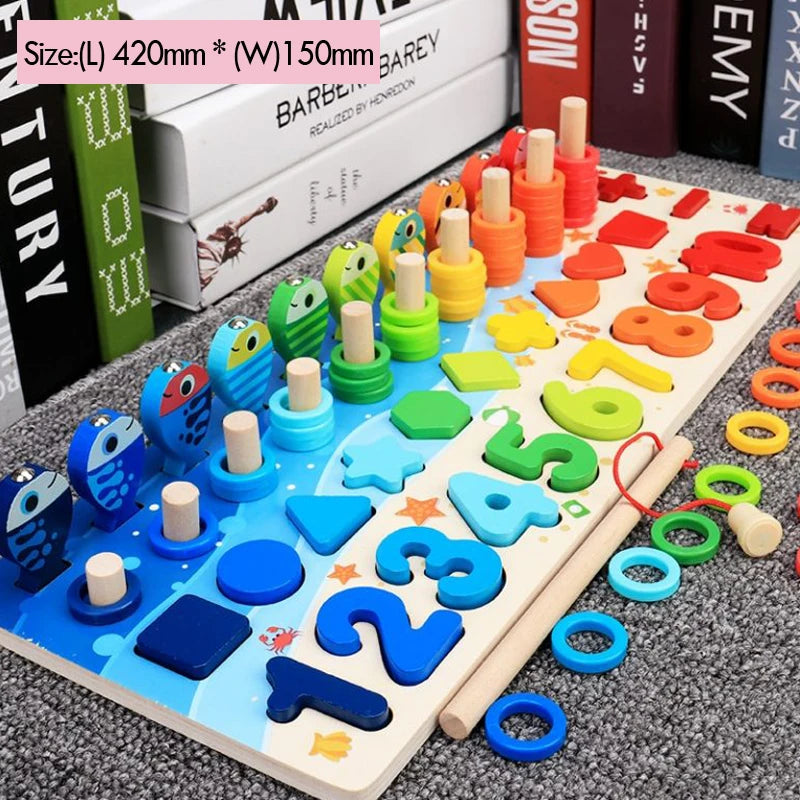
Hands-on learning educational toys that turn counting into play 💡 See it in action
Why Learning Educational Toys Matter in Early Childhood
Preschool brains learn best by touching, moving, and experimenting. Learning educational toys create low-pressure opportunities to explore numbers, shapes, and patterns—without feeling like “school.” This matters because early confidence with numbers often shapes how kids feel about math later on.
Unlike flashy electronic toys, educational wood toys slow things down. Kids focus longer, make fewer distracted mistakes, and repeat activities naturally—key ingredients for early math skills for preschoolers.
Product Overview: A Closer Look at the Wooden Math Puzzle
Learning educational toys like this wooden math set are designed around simple goals: count accurately, recognize quantities, and solve problems independently. This set uses chunky wooden pieces, engraved numbers, and color-coded cues to guide learning without instructions.
- Solid wood construction for durability
- Number tiles and matching quantity pieces
- Smooth edges for safe, independent play
- Compact design for shelves or homeschool spaces
It fits naturally alongside other tools from Baby Growth & Learning collections, especially for families building a calm, screen-free routine.
How This Math Learning Toy Builds Real Skills
Learning educational toys work best when they quietly teach through repetition. This math learning toy encourages kids to match numbers with quantities, building number sense before formal addition or subtraction.
Key benefits for preschool learners
- Strengthens one-to-one correspondence
- Improves fine motor coordination
- Encourages independent problem-solving
- Builds confidence without right/wrong pressure
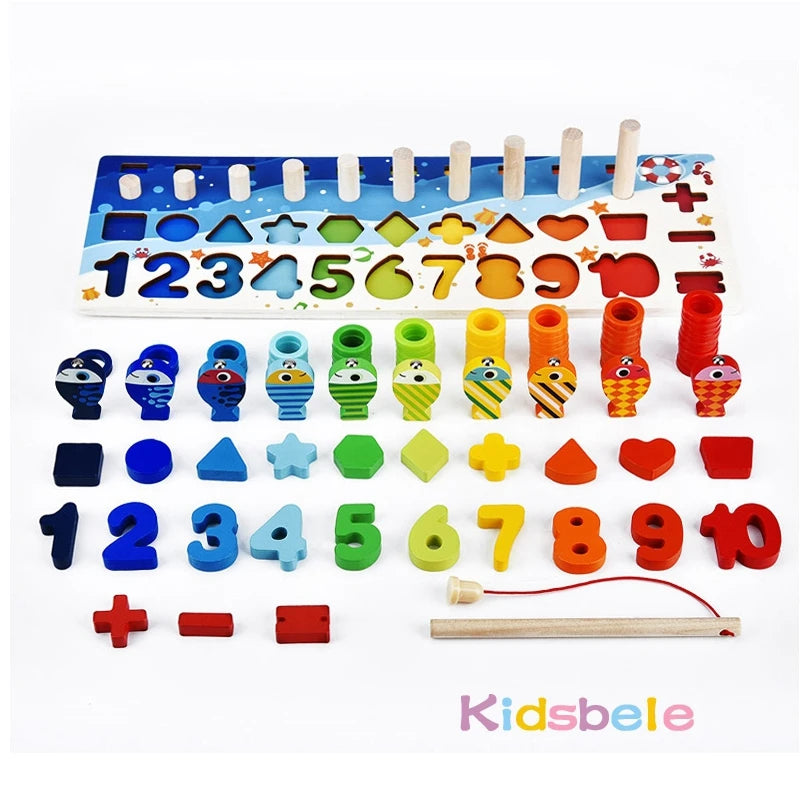
A math learning toy that grows with your child 💡 See it in action
How It Compares to Other Educational Wood Toys
| Feature | This Wooden Set | Plastic Counting Toys |
|---|---|---|
| Durability | Solid wood, long-lasting | Prone to cracks |
| Focus Time | High, distraction-free | Often short |
| Learning Style | Hands-on, self-paced | Instruction-led |
Parents who already use Sensory Toys often find this math set a natural next step for structured learning.
What Parents Are Saying About This Set
Many parents report that their child returns to this toy daily—sometimes inventing their own games. One parent shared that their 4-year-old began counting confidently within weeks, without prompting.
- “My child finally enjoys math time.”
- “Feels sturdy enough for siblings.”
- “Perfect balance of fun and learning.”
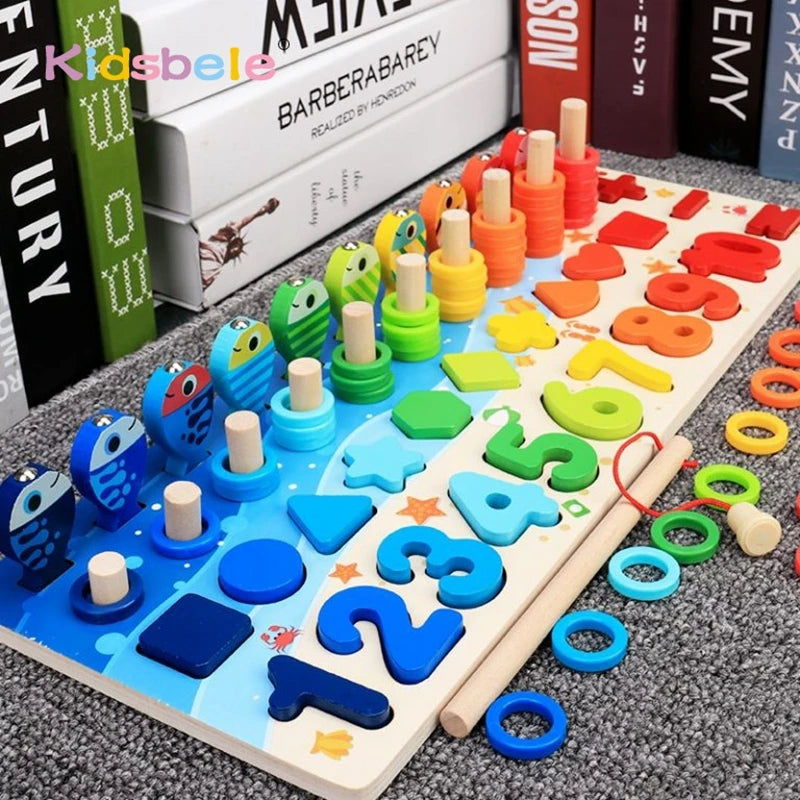
Educational wood toys parents trust 💡 See it in action
Who This Learning Educational Toy Is Best For
This set works especially well for:
- Preschoolers ages 3–5
- Homeschool or screen-light families
- Parents building early math skills for preschoolers
It pairs nicely with routines supported by Baby Growth & Learning Tips, helping parents guide learning without pressure.
View the Wooden Math Learning Toy
Frequently Asked Questions
Is this toy safe for independent play?
Yes. The smooth edges and solid wood design make it suitable for supervised independent play.
Can this replace worksheets?
For preschoolers, hands-on learning educational toys often outperform worksheets by keeping kids engaged longer.
Does it grow with the child?
Yes. Kids start with counting and later use it for simple equations and pattern games.
Related Guide: Preschool Education Toys Reviewed for Real Learning Results





