

Learning to Ride Frustration Toddlers Face and How to Fix It
Learning to Ride Frustration Toddlers Face and How to Fix It
⏱ 6 min read
Why do toddlers get frustrated when learning to ride?
Learning to ride frustration toddlers experience often comes from a gap between excitement and physical readiness. When balance, coordination development, and confidence don’t align, toddlers feel overwhelmed. Supportive guidance, age-appropriate tools, and clear balance bike instructions help ease frustration while strengthening childhood motor development.
Learning to ride frustration toddlers feel can turn what should be a joyful milestone into daily tears and resistance. Many parents worry something is wrong, but these emotional moments are a normal part of childhood motor development. The key is understanding why frustration happens and how small changes can restore confidence fast.
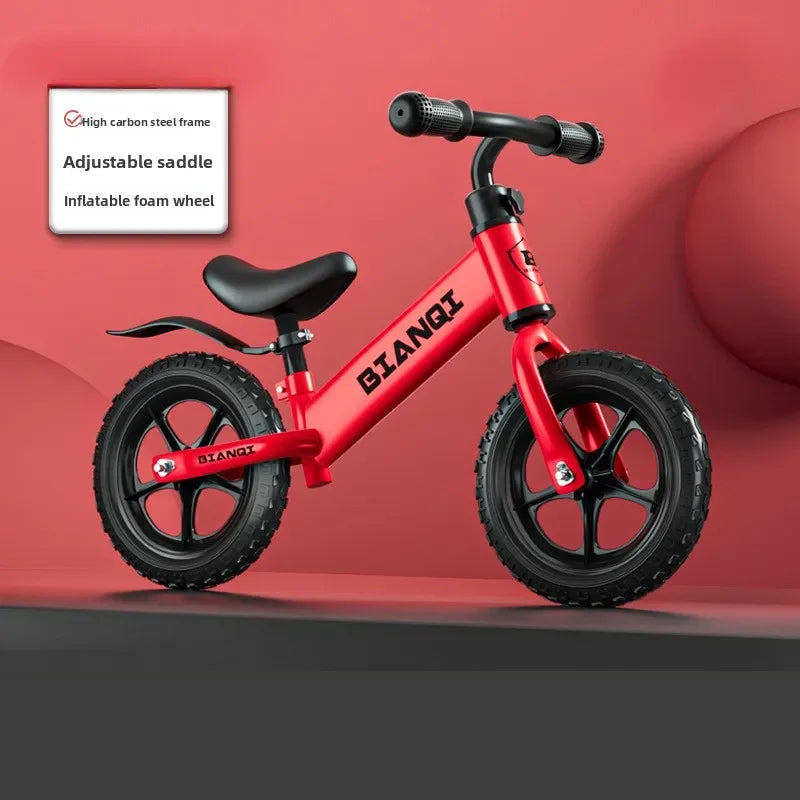
Supporting learning to ride frustration toddlers face during early childhood motor development 💡 See it in action
Mobility & Training
Why Frustration Happens When Toddlers Learn to Ride
Learning to ride frustration toddlers feel usually appears between ages 18 months and 3 years. At this stage, children want independence but lack full physical control.
- Balance systems are still developing
- Coordination between legs, arms, and eyes is incomplete
- Fear of falling feels very real
- Big emotions with limited communication skills
When a toddler tries to ride and repeatedly fails, frustration builds quickly. This isn’t stubbornness—it’s a nervous system under stress.
How Childhood Motor Development Affects Riding
Childhood motor development follows a predictable but flexible path. Riding requires multiple skills working together at once.
Key Skills Involved
- Core strength for upright posture
- Leg coordination for movement
- Balance awareness for steering
- Spatial judgment to avoid obstacles
When one skill lags behind, toddlers feel out of control. That loss of control is what often triggers meltdowns.
Experts often recommend play-based movement activities found in Baby Growth & Learning environments to strengthen these skills naturally.
Why Balance Bikes Reduce Frustration
Learning to ride frustration toddlers feel decreases dramatically with the right equipment. Balance bikes remove pedals, allowing children to focus on balance first.
Learning to ride frustration toddlers experience eases because balance bikes simplify the process. Without pedals, toddlers gain confidence faster, practice safely, and improve coordination development naturally. This approach supports childhood motor development while reducing fear and emotional overload during early riding attempts.
Benefits Parents Notice Quickly
- Fewer falls and less fear
- Faster confidence building
- Better posture and balance awareness
- Smoother transition to pedal bikes later
Clear balance bike instructions paired with patience can change the experience in days, not months.
View the balance bike designed for beginners
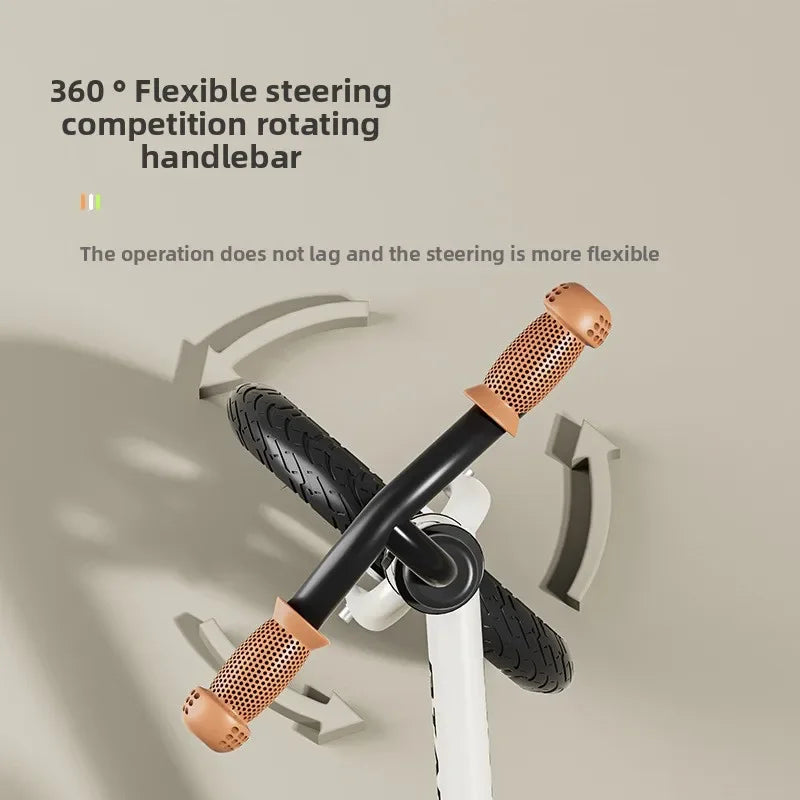
Balance-focused tools supporting coordination development and early riding skills 💡 See it in action
Step-by-Step Fixes Parents Can Use Today
- Lower the seat: Feet should rest flat on the ground to build security.
- Short practice sessions: 10 minutes is often enough for toddlers.
- Let them lead: Avoid pushing or steering for them.
- Praise effort, not results: Confidence grows from trying.
- Choose calm environments: Quiet paths reduce sensory overload.
Parents often pair riding practice with calming routines found in Massage & Relaxation collections to help toddlers reset emotionally after learning sessions.
Common Mistakes to Avoid
- Comparing your child to others
- Practicing when tired or hungry
- Skipping safety gear
Simple preparation prevents most setbacks.
Real Parent Stories and Breakthrough Moments
One parent shared that their 2-year-old screamed at the sight of a bike. After switching to a balance-focused approach, the child began gliding confidently within a week.
Another family noticed improved sleep and mood once riding frustration decreased, showing how emotional regulation and physical confidence are deeply connected.
Supportive gear and consistent routines—similar to those promoted in Health & Safety—help parents feel confident while kids feel secure.
Get the beginner-friendly balance bike
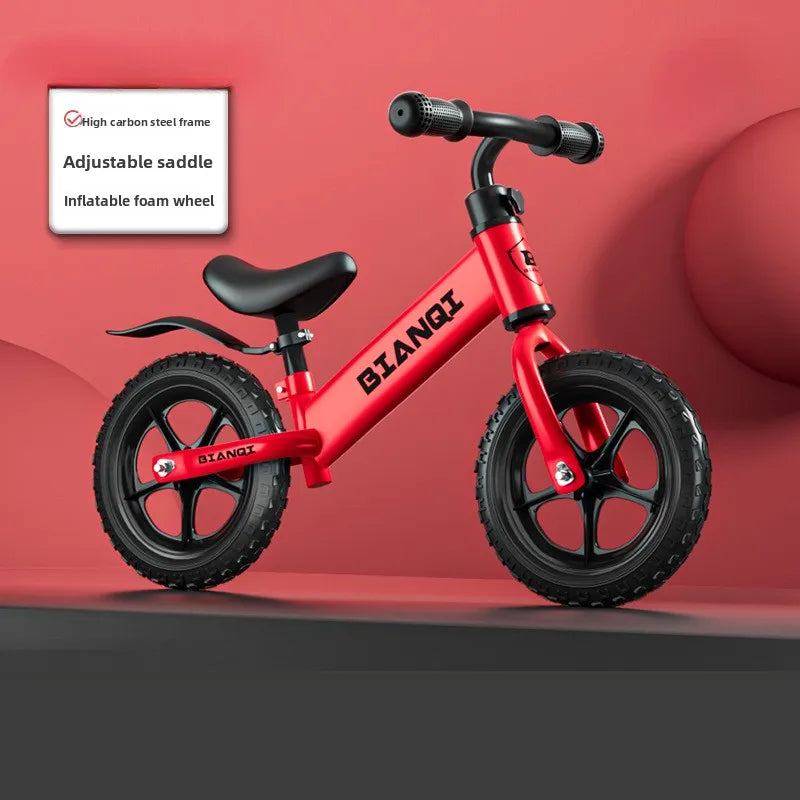
Turning learning to ride frustration toddlers face into confident milestones 💡 See it in action
Quick FAQ for Parents
Is learning to ride frustration normal for toddlers?
Yes. Learning to ride frustration toddlers experience is a normal response when physical skills and emotional readiness don’t match yet.
What age is best to start balance bikes?
Most toddlers are ready between 18–24 months, depending on walking stability and interest.
How long should practice sessions last?
Short sessions of 5–10 minutes prevent burnout and help toddlers associate riding with fun.
Can balance bikes improve coordination development?
Yes. Balance bikes strengthen core muscles, improve balance awareness, and support overall childhood motor development.
Related Guide: Balance Coordination Problems in Toddlers: Finding the Right Ride





