

Learning Toys for Preschoolers: How to Maximize Their Benefits
Do learning toys for preschoolers really help?
Learning toys for preschoolers work best when they invite hands-on exploration, choice, and imagination. Well-designed toys support language, motor skills, and problem-solving by encouraging kids to play actively rather than passively. When paired with simple routines at home, they keep preschoolers engaged longer and turn everyday moments into meaningful learning.
⏱ 7 min read
Learning Toys for Preschoolers: How to Maximize Their Benefits
Are you buying learning toys for preschoolers but wondering why your child loses interest so quickly? You’re not alone. Many parents feel overwhelmed by toy options and unsure how to turn playtime into real learning. The good news: with a few smart tweaks, the right toys can unlock focus, creativity, and confidence—without pressure or screen time.
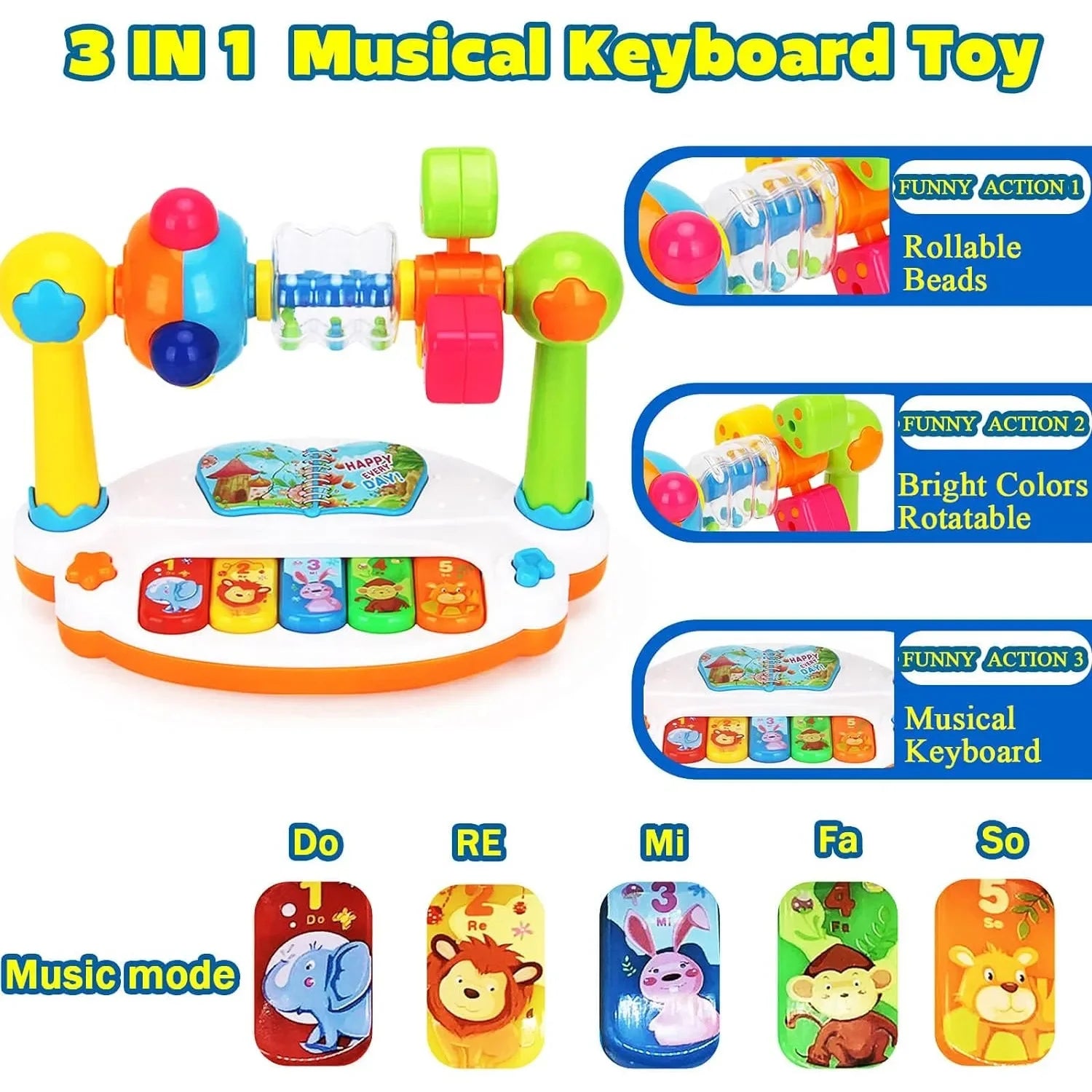
Learning toys for preschoolers support creative play activities for preschoolers—💡 See it in action.
Why Play Matters More Than You Think
Play is how preschoolers make sense of the world. Through stacking, tapping, pretending, and experimenting, they build early math, language, and emotional skills. The best learning toys for preschoolers don’t “teach” in a rigid way—they invite discovery.
- Builds attention span through self-directed play
- Supports early language with sounds and stories
- Encourages problem solving and patience
- Strengthens fine and gross motor skills
Parents who focus on open-ended play often notice fewer meltdowns and more independent engagement. Many families find inspiration by browsing Baby Growth & Learning collections that prioritize development over noise.
How to Choose Learning Toys That Actually Teach
Learning toys for preschoolers are most effective when they grow with your child. Instead of flashy buttons, look for toys that adapt to different ages and interests.
Learning toys for preschoolers should offer multiple ways to play, encouraging repetition without boredom. This flexibility supports creativity and helps children return to the same toy with new ideas as they grow.
| Good Choice | Less Helpful |
|---|---|
| Open-ended music, blocks, puzzles | One-button, one-sound toys |
| Encourages imagination | Passive entertainment |
Exploring Sensory Toys can help you find options that engage touch, sound, and movement together.
Simple Creative Play Activities at Home
You don’t need a classroom to inspire learning. Creative play activities for preschoolers work best when they fit naturally into daily routines.
- Morning music time to practice rhythm and listening
- Story-building with toys as characters
- Color or sound matching games
- Free play with gentle guidance, not rules
These moments build confidence and help with keeping preschoolers engaged without pressure. Many parents combine toys with ideas from Baby Care Tips & Advice to keep routines simple.
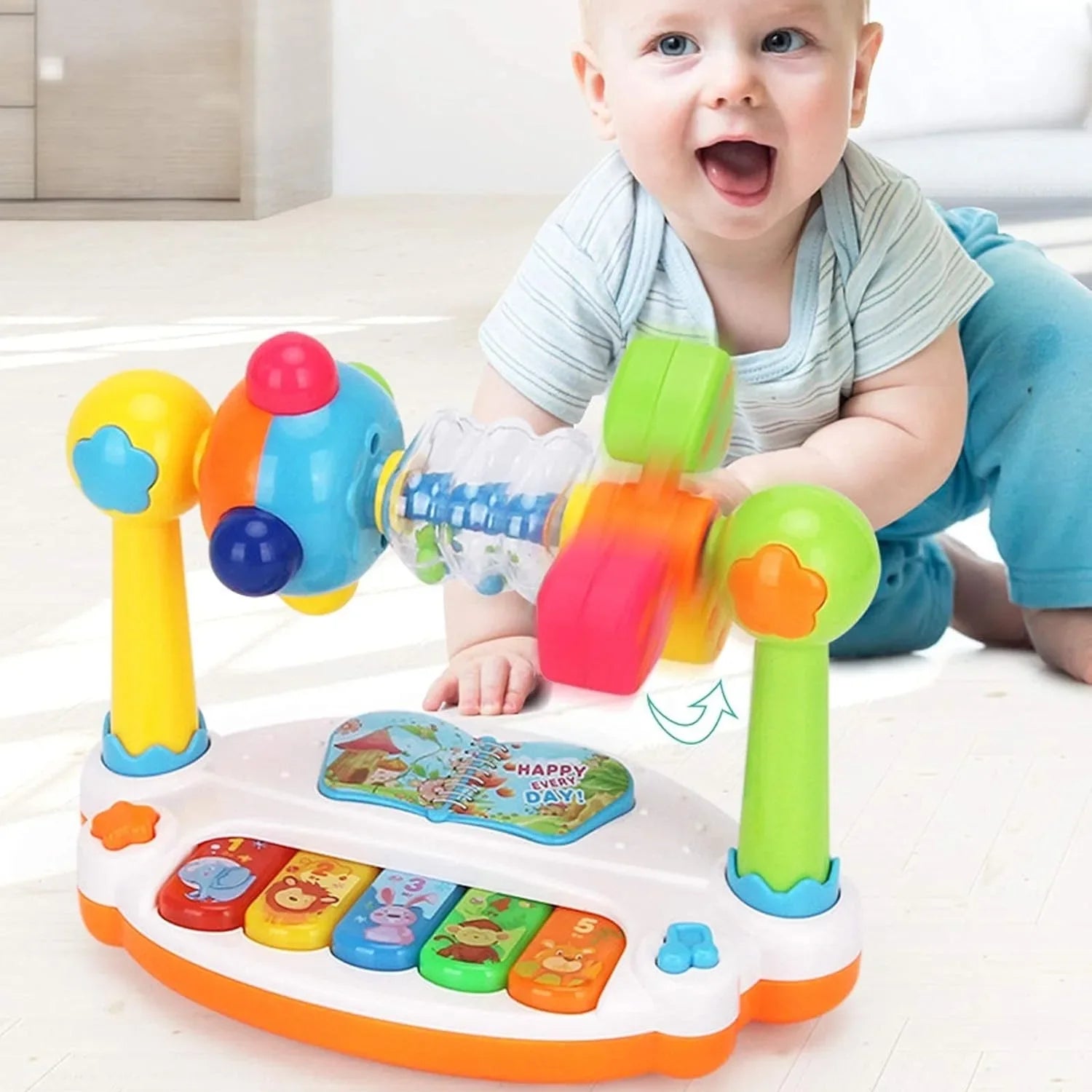
Creative play activities for preschoolers boost focus—💡 See it in action.
Step-by-Step: Set Up a Learning-Friendly Space
Learning toys for preschoolers shine when the environment supports them. A small setup can make a big difference.
- Choose one low shelf or basket
- Rotate toys weekly to keep interest fresh
- Limit choices to avoid overwhelm
- Join play briefly, then step back
This approach supports independence and reduces clutter stress. Pairing toys with comfort items from Sleep & Comfort can also help transition from active play to calm time.
Keeping Preschoolers Engaged Without Overstimulation
Keeping preschoolers engaged doesn’t mean constant excitement. In fact, quieter toys often lead to deeper focus.
- Look for natural sounds over loud effects
- Encourage repetition—it’s how learning sticks
- Celebrate effort, not outcomes
Parents report longer play sessions and improved mood when toys allow kids to lead. Many also integrate movement tools from Mobility & Training for balance and coordination.
A Simple Tool That Grows With Your Child
Learning toys for preschoolers can include music tools that adapt to different stages. A piano-style toy introduces sound, rhythm, and creativity without screens.
Parents love how the baby piano toy keyboard supports both guided play and free exploration. It’s often praised in reviews for holding attention longer than single-function toys.
- Encourages early music and listening skills
- Supports fine motor development
- Easy to use independently
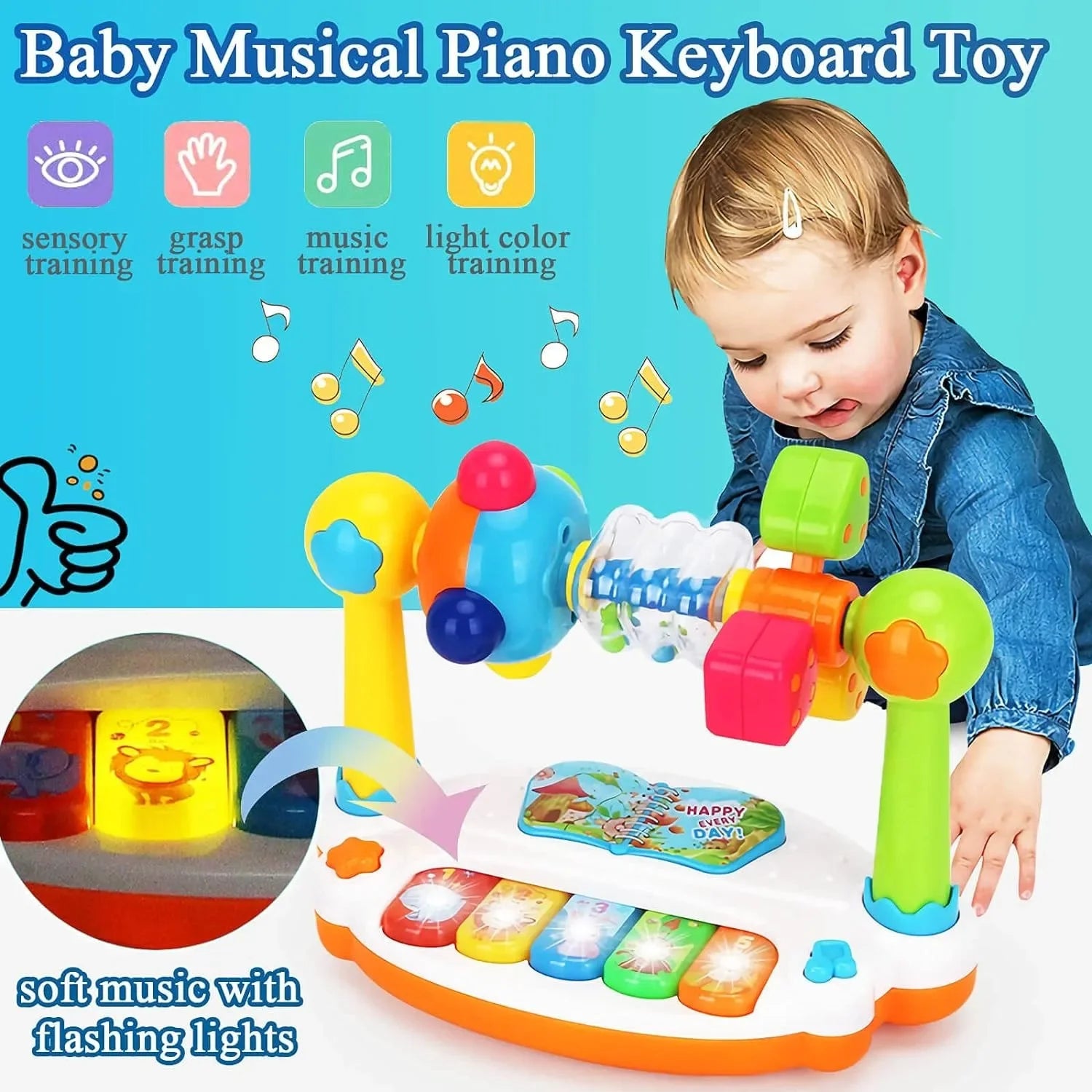
Learning toys for preschoolers that grow with your child—💡 See it in action.
Quick Questions Parents Ask
How long should preschoolers play with learning toys?
Short, frequent sessions work best. Even 10–20 minutes of focused play can support learning when the child is engaged and leading the activity.
Do I need many toys to see benefits?
No. A few versatile learning toys for preschoolers used in different ways are often more effective than a room full of options.
What if my child seems bored?
Try rotating toys, changing the setting, or joining briefly to model a new idea. Boredom often signals readiness for a new challenge.
Related Guide: How to Improve Fine Motor Skills in Young Children





