

LEGO Building Examples for Kids Who Love Step-by-Step Play
What are LEGO building examples and how do they help kids who love step-by-step play?
LEGO building examples are guided models that show clear, numbered steps to follow from start to finish. Using lego building examples helps kids build confidence, practice focus, and enjoy predictable progress. For children who prefer structure, these examples turn creative building toys into calm, rewarding learning experiences.
LEGO Building Examples for Kids Who Love Step-by-Step Play
⏱ 6 min read
If your child feels happiest when instructions are clear and progress is visible, you’re not alone. Many kids thrive on structure and enjoy knowing exactly what comes next. LEGO building examples offer that reassuring path, combining creativity with order so kids can build proudly, piece by piece, without feeling overwhelmed.
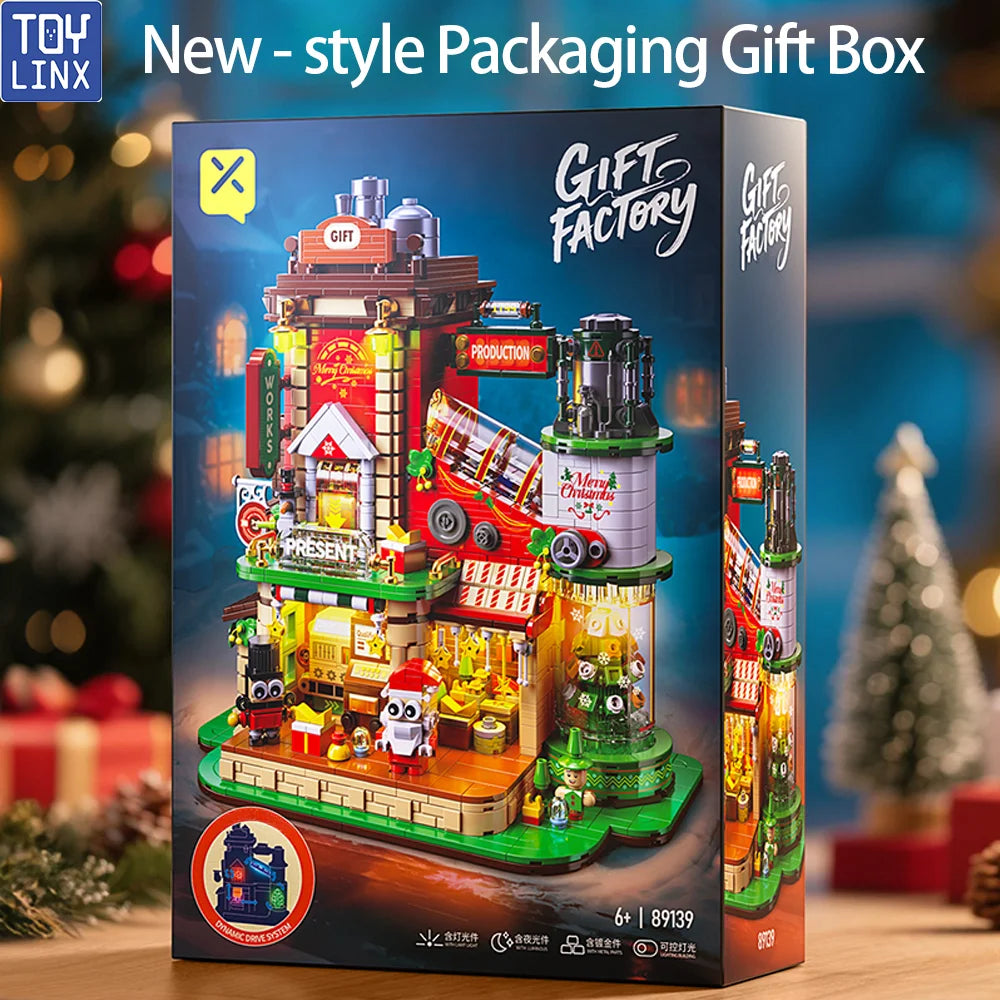
Step-by-step lego building examples that turn creative building toys into calm, focused play 💡 See it in action
Curious moment: Have you noticed how some kids relax more when they know the “right” way to start? That’s exactly where guided building shines.
Why Step-by-Step Play Feels So Good for Some Kids
Not every child wants open-ended play all the time. For kids who love routines, step-by-step play offers a sense of safety and accomplishment. Following clear instructions helps them settle into play without stress.
- Reduces frustration by removing guesswork
- Builds confidence with visible progress
- Encourages patience and attention to detail
- Creates a calm, focused play environment
Parents often notice these kids stay engaged longer, especially during quiet afternoons or after busy school days. Pairing guided play with other calm activities from Baby Growth & Learning can create balanced routines at home.
Best LEGO Building Examples for Guided Builders
LEGO building examples work best when models are clear, achievable, and rewarding to complete. These examples often focus on familiar themes that help kids visualize the end result.
LEGO building examples give children a clear roadmap, showing each step in a logical order. This structure supports kids who prefer guided play, helping them complete builds independently while still feeling creative and proud of their finished models.
Classic Houses and Everyday Scenes
Simple houses, shops, and rooms are ideal starting points. Kids enjoy seeing real-life spaces take shape, brick by brick.
Vehicles with Clear Sections
Cars, trains, and trucks built in stages help kids understand how parts connect. Wheels, frames, and details each feel like small wins.
Animals and Characters
Friendly animals or characters add emotional reward. Completing a recognizable figure often boosts motivation to try the next build.
Many families combine these builds with quiet sensory breaks using items from Sensory Toys to keep playtime balanced and soothing.
How Parents Use Guided Building at Home
Parents often weave step-by-step building into daily routines. It’s not just about the build—it’s about creating predictable moments of calm.
- After-school wind-down before homework
- Quiet weekend mornings with minimal screens
- Shared parent-child building time
- Independent play during sibling naps
One parent shared that guided builds became their child’s favorite way to reset after a noisy day. Pairing building time with cozy spaces from Sleep & Comfort made the experience even more relaxing.
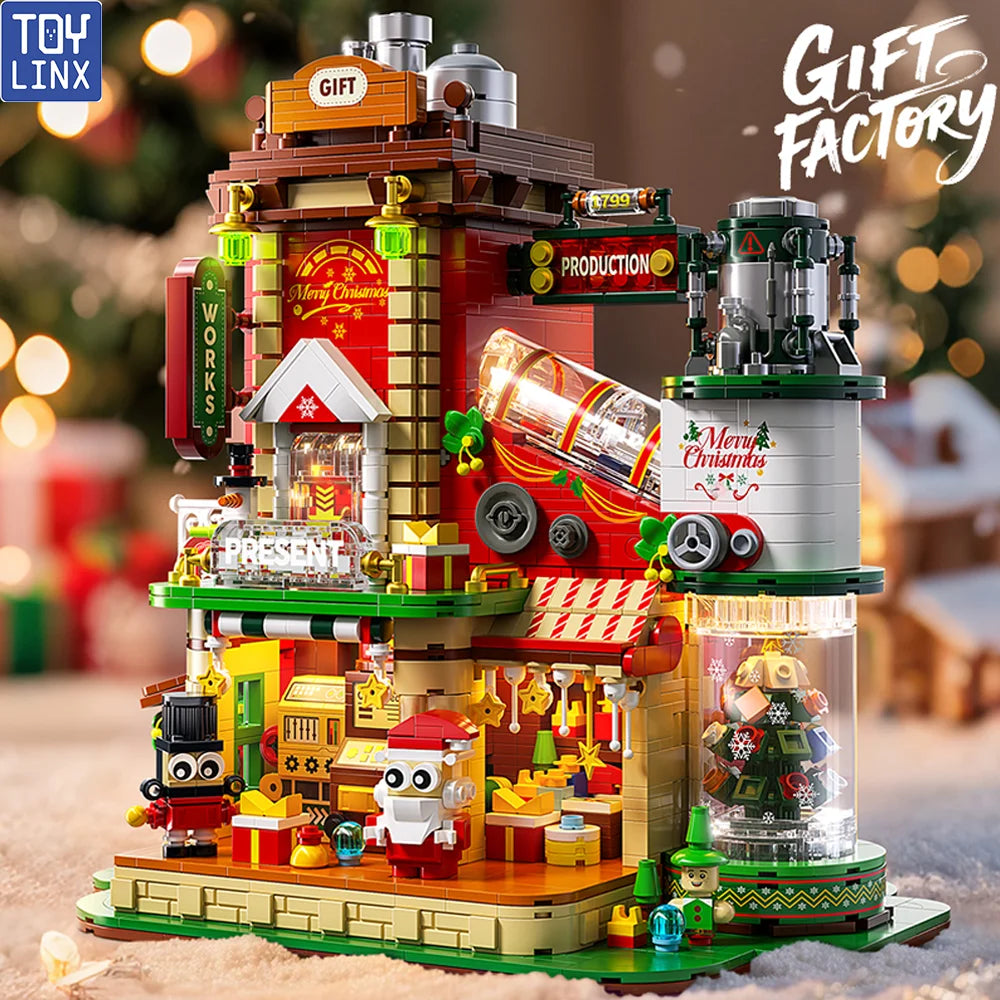
Using compatible lego bricks expands lego building examples into creative building toys 💡 See it in action
Using Compatible LEGO Bricks for More Variety
Once kids master a few examples, many enjoy branching out with lego compatible building blocks. These bricks work seamlessly with familiar pieces while adding new colors and shapes.
Using compatible lego bricks allows children to repeat builds with small variations. This keeps play fresh without losing the comfort of structure.
- More design options without starting from scratch
- Cost-effective way to expand collections
- Encourages gentle creativity within boundaries
Parents appreciate that compatible sets still support learning goals found in Baby Growth & Learning Tips, while giving kids room to personalize their builds.
Learning Benefits Beyond the Build
Guided building isn’t just about following instructions. It quietly supports important developmental skills.
| Skill | How Building Helps |
|---|---|
| Focus | Completing steps in order builds attention span |
| Problem-solving | Correcting small mistakes encourages persistence |
| Confidence | Finished models create pride and motivation |
| Fine motor skills | Connecting small pieces improves coordination |
These benefits often show up in other areas, from classroom tasks to daily routines. Some parents even notice smoother transitions when building time is part of the day.
How to Choose the Right Set for Your Child
Selecting the right guided building set depends on your child’s personality and preferences.
- Look for clear, visual instructions
- Choose themes your child already loves
- Start with smaller builds, then level up
- Ensure pieces are compatible with existing bricks
For families focused on safety and peace of mind, it helps to store building sets alongside trusted items from Health & Safety areas to keep play spaces organized.
Many parents exploring step-by-step builds eventually look for themed options like Christmas DIY building block sets that add seasonal excitement while keeping the same guided format.
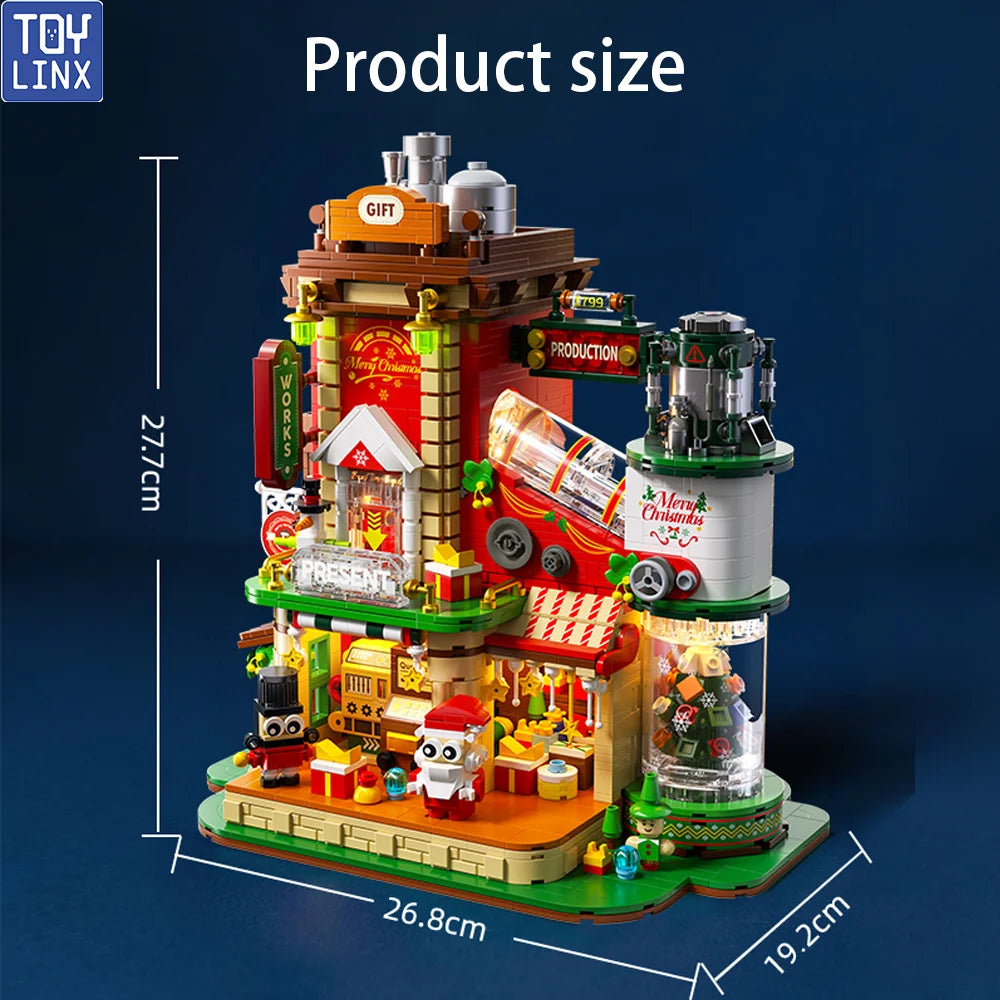
Seasonal lego building examples using compatible lego bricks and creative building toys 💡 See it in action
Quick Questions Parents Ask
Are LEGO building examples good for kids who struggle with open-ended play?
Yes. Step-by-step examples reduce overwhelm and give kids a clear starting point, making playtime more enjoyable and confidence-building.
Can compatible lego bricks be mixed safely with original sets?
Most compatible lego bricks are designed to fit standard sizes, allowing smooth mixing while keeping builds stable and familiar.
How long should a guided building session last?
Many kids stay engaged for 20–40 minutes. It’s best to let your child set the pace and stop when they feel satisfied.
Related Guide: Constructive Toys for 5 Year Olds That Match How Kids Learn





