

Are Lighter Bikes Easier for Kids to Handle? What Matters Most
Are Lighter Bikes Easier for Kids to Handle?
Answer: Yes, a light balance bike is easier for most toddlers to control because it requires less strength to push, steer, stop, and recover from small wobbles. However, the best choice depends on your child's size, confidence, and riding ability. A properly fitted lightweight bike typically helps beginners build balance and coordination faster than a heavier model.
⏱ 6 min read
Light Balance Bike vs Heavier Models: Which Is Easier for Toddlers?
Choosing a toddler's first balance bike isn't just about color or price. One of the biggest factors affecting confidence is bike weight. Since toddlers are still developing strength and coordination, even a difference of one or two kilograms can noticeably change how easily they steer, stop, and balance. Understanding how bike weight, frame materials, and proper fit work together helps parents choose a bike that encourages safe, enjoyable learning instead of frustration.
Quick question: Have you ever watched a toddler struggle to lift or turn a bike that looks small but feels surprisingly heavy? Here's what actually makes riding easier.
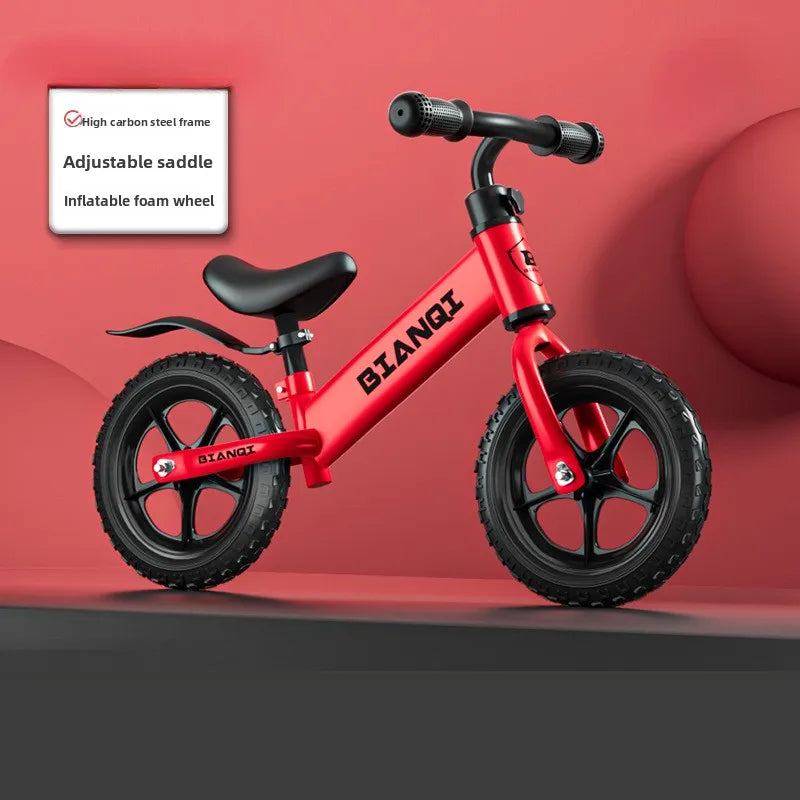
Light balance bike design supports easier starts and stops. See it in action.
Explore supportive play essentials in Baby Growth & Learning .
Why Bike Weight Matters for Young Riders
Does balance bike weight matter? For most toddlers, absolutely. A bike represents a much larger percentage of a toddler's body weight than an adult bicycle does for an adult rider. That means every push, turn, stop, and recovery requires proportionally more effort.
A lightweight balance bike offers several advantages during the earliest riding stages:
- Requires less force to start moving.
- Makes steering smoother through tight turns.
- Allows faster recovery after small balance mistakes.
- Reduces fatigue during longer play sessions.
- Builds confidence because the child feels more in control.
As a practical guideline, many experts recommend looking for a bike that weighs no more than about 25–30% of a child's body weight whenever possible. This isn't a strict rule, but it provides a helpful benchmark when comparing models.
Lightweight vs Heavy Kids Bikes: Key Differences Explained
The difference between a light and heavy balance bike becomes obvious once toddlers begin steering independently. While heavier bikes may feel sturdy, lightweight models are generally easier for beginners to handle.
How Bike Weight Affects Balance and Steering
A lighter bike responds more quickly to small steering inputs. Toddlers can correct their balance with less effort, making it easier to glide naturally as their coordination develops.
Although balance bikes don't use pedals, children still rely on their legs to accelerate, slow down, and climb gentle slopes. Carrying less weight means less energy is needed for every movement, allowing longer practice sessions without tiring quickly.
When a Heavier Bike May Be the Better Choice
Heavier models aren't automatically a poor choice. Older preschoolers, taller children, or confident riders may appreciate the added durability of steel frames, particularly if the bike will see years of rough outdoor use. Budget can also influence the decision since lightweight materials often cost more.
| Feature | Lightweight Balance Bike | Heavier Balance Bike |
|---|---|---|
| Typical Weight | 2–3 kg (4–6 lbs) | 4–6 kg (9–13 lbs) |
| Steering | Quick and easy | Requires more strength |
| Learning Speed | Often faster for beginners | May slow early progress |
| Stopping & Recovery | Easier to control | Takes more effort |
| Durability | Good with quality materials | Often extremely durable |
| Typical Cost | Moderate to higher | Usually lower |
| Best For | New riders and smaller toddlers | Older or stronger children |
How Light Should a Bike Be for a Toddler?
Recommended Bike Weight Based on Child Size
Instead of chasing the lightest possible bike, focus on finding one that's appropriate for your child's size. Extremely lightweight bikes can cost significantly more while offering only small performance gains for casual riders.
| Child Age | Suggested Bike Weight | Typical Wheel Size |
|---|---|---|
| 18–24 months | 2–3 kg | 10–12 inches |
| 2–3 years | 2.5–3.5 kg | 12 inches |
| 3–5 years | 3–4 kg | 12–14 inches |
How Heavy Should a Balance Bike Be for a Toddler?
A good balance bike should feel easy for your child to push, lift after a fall, and turn independently. If they struggle simply to reposition the bike or repeatedly ask for help, it may be too heavy regardless of its listed age recommendation.
Does Frame Material Make a Bike Easier to Handle?
Frame material influences weight, but it's only one piece of the puzzle. Tires, wheels, handlebars, and other components also contribute to how a bike feels during everyday riding.
Aluminum, Steel, and Carbon Frames Compared
- Aluminum (alloy): Lightweight, durable, rust-resistant, and the most practical choice for most toddlers.
- Steel: Strong and affordable but noticeably heavier.
- Carbon: Extremely light but expensive and unnecessary for young children's balance bikes.
Why Wheels and Components Also Affect Weight
Parents often focus only on the frame, but heavy wheels, thick tires, and bulky accessories can add considerable weight. Looking at the bike's total weight provides a more accurate comparison than frame material alone.

A lightweight alloy frame makes everyday handling easier for young riders.
Browse trusted options in Mobility & Training .
Why Proper Bike Fit Matters More Than Weight Alone
Even the lightest bike can feel awkward if it doesn't fit correctly. Proper sizing allows children to develop balance naturally while maintaining full control.
Signs the Bike Size and Seat Height Are Correct
- Both feet rest flat on the ground.
- Knees remain slightly bent while seated.
- Handlebars are easy to reach without stretching.
- The child can stop confidently at any time.
- Turning feels comfortable rather than cramped.
Correct fit gives toddlers the confidence to practice independently, while an oversized bike can make even a lightweight model difficult to manage.
Balance Bike Ages and Riding Readiness Signs
Most children begin using balance bikes between 18 months and 4 years old, but readiness depends more on physical development than age alone.
Look for These Readiness Cues
- Walking steadily without assistance.
- Comfortable running and changing direction.
- Interest in ride-on toys or scooters.
- Ability to follow simple safety instructions.
- Curiosity about outdoor play and exploration.
Children who are just beginning to ride usually benefit the most from lightweight bikes because they require less strength while new balance skills develop.
Real-World Benefits of a Lightweight Bike for Kids
Easier Lifting After Falls
Falls are part of learning. A lighter bike is easier for toddlers to stand back up, helping them become more independent instead of waiting for adult assistance.
More Confidence During Early Practice
Children who can comfortably control their bike often spend more time practicing. Those extra minutes of riding frequently translate into quicker improvements in balance, steering, and coordination.
Better Control During Turns and Obstacles
Whether riding around playground equipment, navigating sidewalks, or avoiding small obstacles, lighter bikes respond faster to steering corrections. Parents also appreciate carrying lightweight bikes home after tired little riders decide they're finished for the day.
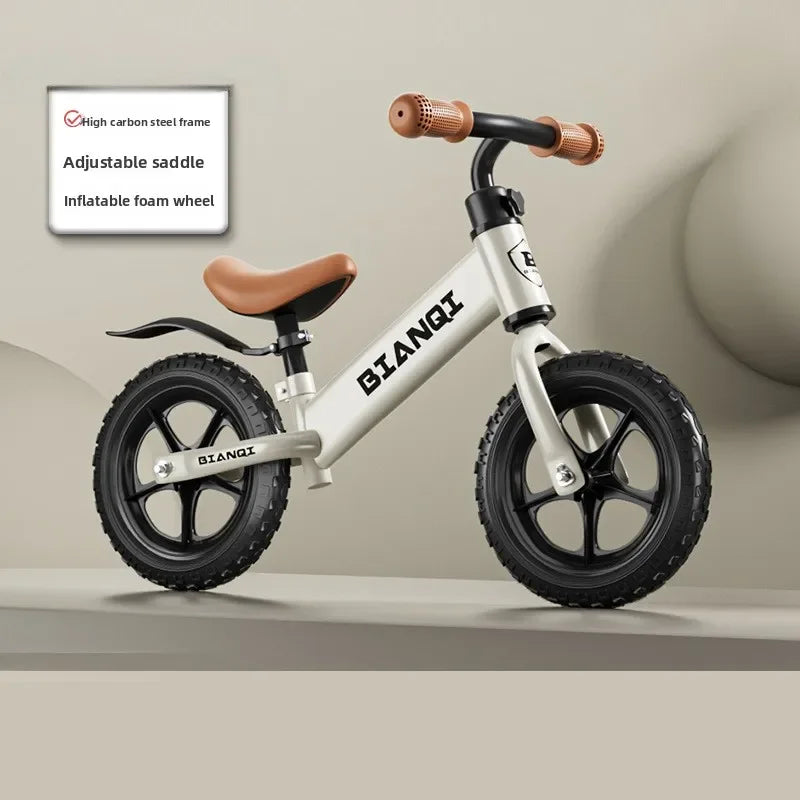
A lighter bike helps many toddlers build confidence through easier everyday handling.
Check availability of our toddler-friendly option here .
Final Verdict: Should Parents Choose a Lighter Bike?
For most first-time riders, the answer is yes—but with an important qualification. A lightweight balance bike usually makes steering, stopping, and balancing easier, especially for smaller toddlers who are still developing strength and coordination.
However, lighter isn't automatically better for every family. Consider the complete picture:
- Choose lightweight models for younger beginners and smaller children.
- Prioritize proper bike fit before chasing the lightest weight.
- Consider durability and budget if an older child will use the bike for several years.
- Compare total bike weight rather than frame material alone.
The best balance bike is one your child can comfortably control, enjoy riding, and confidently grow with over time.
Frequently Asked Questions
Does bike weight really affect how quickly kids learn?
Yes. Lighter bikes generally require less effort to steer, stop, and balance, allowing many beginners to develop confidence and riding skills more quickly.
What is the best weight for a balance bike toddler?
Many quality toddler balance bikes weigh between 2 and 3.5 kg. As a practical guideline, the bike should ideally weigh no more than about one-quarter to one-third of the child's body weight.
Are lightweight bikes safer for young riders?
Weight alone doesn't determine safety. A lightweight bike that fits properly often provides better control, but correct sizing, helmet use, and adult supervision remain the most important safety factors.
Is a heavier bike harder for toddlers to control?
Usually yes. Heavier bikes require more strength for steering, pushing, and recovering from small balance mistakes, which can make learning more challenging for younger riders.
How much should a kids bike weigh compared to the child?
There is no exact rule, but many parents aim for a bike weighing roughly 25–30% of the child's body weight to keep handling manageable during the learning stage.
Related Guide: Best Balance Bike for Toddlers: Side-by-Side Comparison





