

Math Manipulatives for Preschoolers: How to Teach Numbers Easily
Do math manipulatives for preschoolers really help kids learn numbers?
Math manipulatives for preschoolers help children understand numbers by letting them touch, move, and explore quantities in real time. Using preschool montessori materials and small manipulatives preschool activities builds strong number concepts in early childhood, improving counting accuracy, confidence, and long-term understanding without worksheets or pressure.
⏱ 7 min read
Math Manipulatives for Preschoolers: How to Teach Numbers Easily
Teaching numbers can feel surprisingly stressful. You want your child to understand counting and quantity, but flashcards fall flat and worksheets cause frustration. Math manipulatives for preschoolers offer a calmer, more natural way to build early math skills—using hands-on play that actually makes sense to young minds.
Ever notice how kids learn faster when they can touch and move things? That’s not an accident. It’s how their brains are wired.
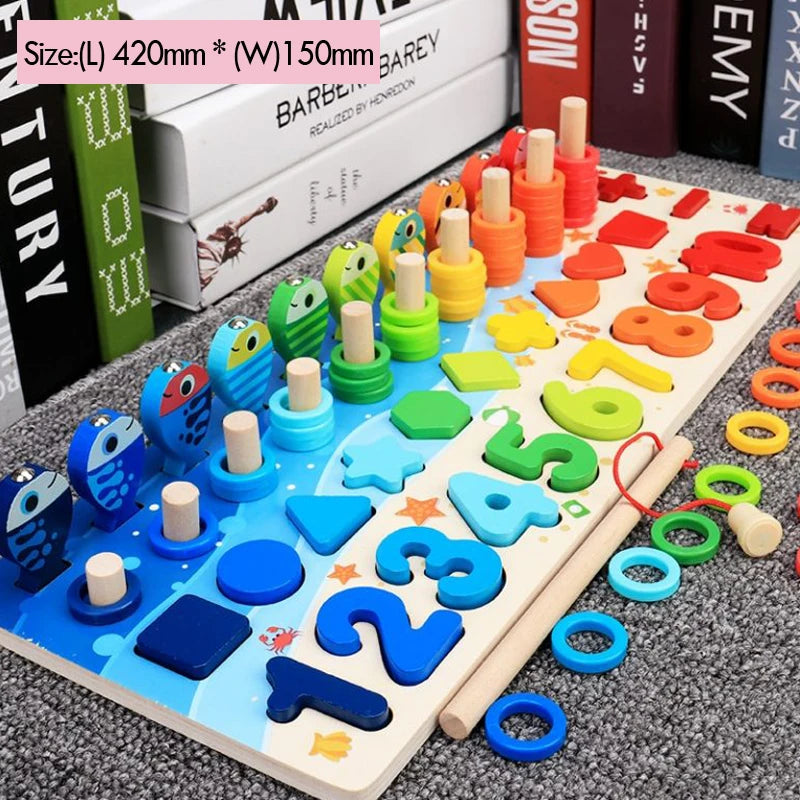
Hands-on math manipulatives for preschoolers using preschool montessori materials 💡 See it in action
👉 Discover tools that support calm, confident learning: Baby Growth & Learning
What are math manipulatives for preschoolers?
Math manipulatives for preschoolers are physical objects children can hold, move, sort, and count to understand numbers. Common examples include counting blocks, wooden puzzles, beads, and shape boards found in preschool montessori materials.
- They represent numbers in a concrete way
- They help kids see quantity, not just recite numbers
- They turn learning into play instead of pressure
- They support early problem-solving skills
Why hands-on learning builds number confidence
Children under five learn through movement and sensory input. When numbers stay abstract, confusion builds fast. Small manipulatives preschool activities allow children to physically match numbers with quantity, making learning intuitive.
Research in early childhood education shows that children who use hands-on materials:
- Count more accurately
- Understand “more” and “less” sooner
- Stay focused longer during learning time
- Develop confidence instead of math anxiety
This is why many families combine manipulatives with Sensory Toys to strengthen focus and engagement.
How to teach numbers easily using manipulatives
Math manipulatives for preschoolers work best when introduced slowly and intentionally. The goal is understanding—not speed.
-
Start with numbers 1–3
Give your child three identical objects and count together out loud. -
Match number to quantity
Say the number while touching each piece to build one-to-one correspondence. -
Let your child lead
If they stack, sort, or line items up, follow their curiosity. -
Repeat in short sessions
Five minutes daily beats long lessons once a week.
👉 Learn how families simplify early learning routines: Baby Growth & Learning
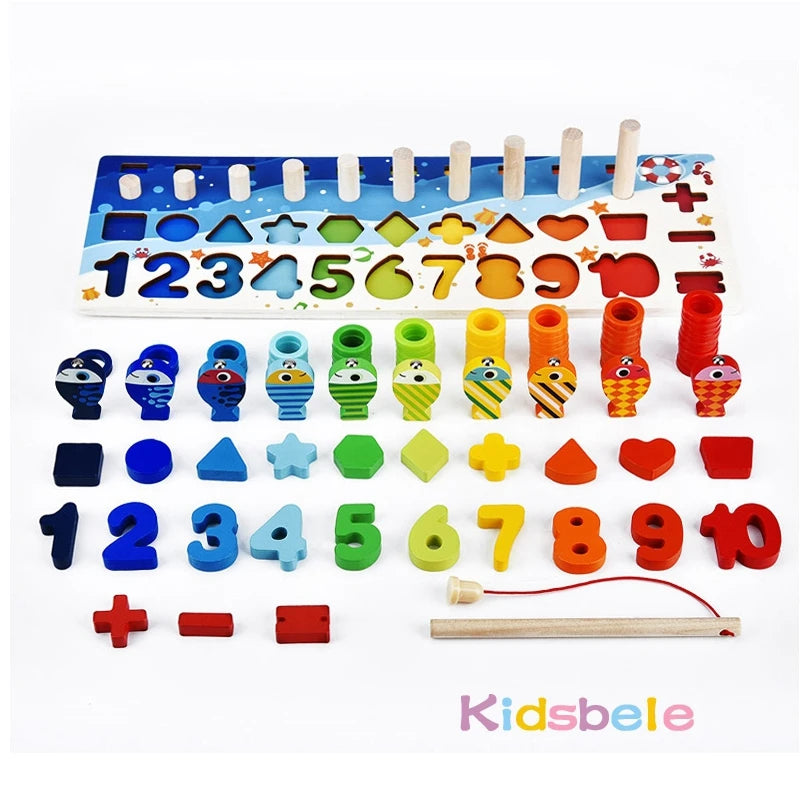
Small manipulatives preschool activities supporting number concepts in early childhood 💡 See it in action
Common mistakes parents make with manipulatives
Even the best preschool montessori materials can backfire if used the wrong way.
| ❌ Mistake | ✅ Better Approach |
|---|---|
| Correcting every error | Let children self-correct through play |
| Using too many pieces | Limit materials to avoid overwhelm |
| Turning play into a test | Keep it relaxed and curiosity-driven |
| Rushing to bigger numbers | Master small numbers first |
Many parents notice smoother learning when math play is part of a calm routine, similar to bedtime habits supported by Sleep & Comfort tools.
How to choose the right math manipulatives
Not all tools are created equal. When choosing math manipulatives for preschoolers, focus on simplicity, safety, and durability.
- Smooth, solid materials like wood
- Clear number representation
- Pieces sized for small hands
- Minimal distractions or flashing elements
One parent favorite is a simple wooden number puzzle like this Montessori-style math toy, which supports counting, sequencing, and independent play.
Why wooden manipulatives work especially well
Wooden tools feel real and sturdy. Children slow down, focus longer, and explore more deeply—key for developing number concepts in early childhood.
👉 Explore learning tools designed for everyday play: Sensory Toys
Simple everyday activities that teach numbers naturally
You don’t need a formal lesson plan. Many families use small manipulatives preschool activities during daily routines.
- Count snacks before eating
- Sort toys by size or color
- Line up shoes and count pairs
- Stack blocks and compare heights
Parents often combine learning time with safe environments supported by Health & Safety essentials, so kids can explore freely without constant correction.
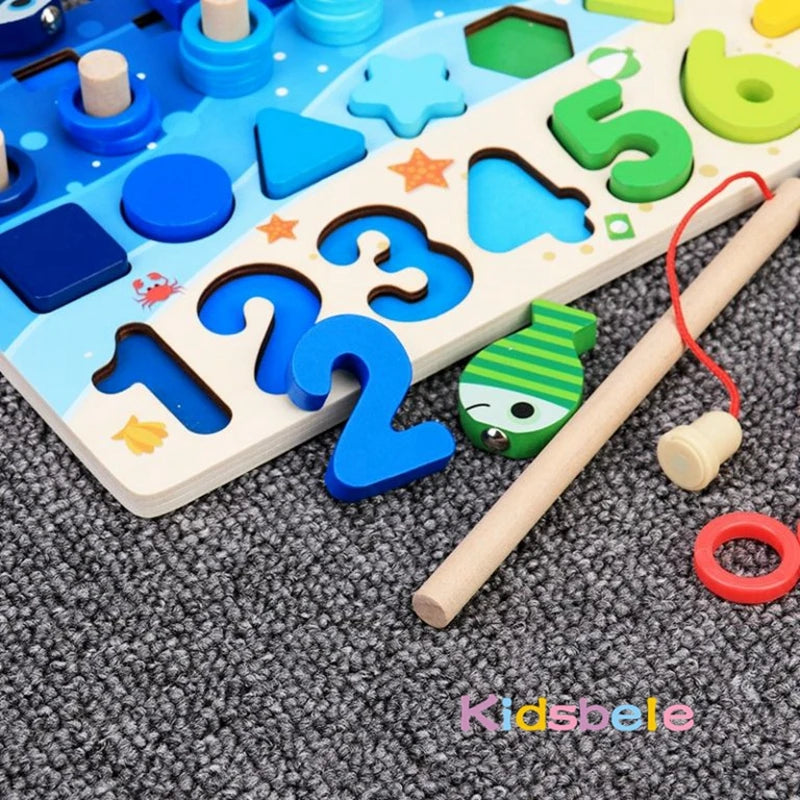
Preschool montessori materials making number concepts in early childhood feel easy 💡 See it in action
👉 Try a hands-on tool parents trust for stress-free number learning: Get yours now — limited availability
Quick parent FAQs
At what age should I introduce math manipulatives?
Most children benefit between ages 2–5. Start simple with counting objects and increase complexity as confidence grows.
How long should each activity last?
Five to ten minutes is ideal. Short, consistent play sessions work better than long lessons.
Do manipulatives replace worksheets?
For preschoolers, hands-on tools are usually more effective. Worksheets can come later once number understanding is solid.
What if my child loses interest?
Pause and try again another day. Interest often returns when pressure is removed and play stays flexible.
Related Guide: Math Hands On Activities for Preschoolers: Step by Step Play





