

Math Skills Preschool Toys That Help Numbers Click
Does early childhood play really support different learning styles?
Early childhood play helps children learn in ways that match how their brains work best. Through movement, conversation, and imagination, early childhood play builds communication, problem-solving, and emotional skills. When pretend play in early childhood is supported with the right toys, children gain confidence, empathy, and curiosity naturally.
Early Childhood Play That Fits Different Learning Styles
⏱ 8 min read
Early childhood play shapes how children learn, connect, and express ideas long before formal lessons begin. Every child absorbs information differently, yet many parents worry they’re choosing the “wrong” toys or activities. What if playtime could feel easier, more meaningful, and perfectly matched to your child’s natural learning style?
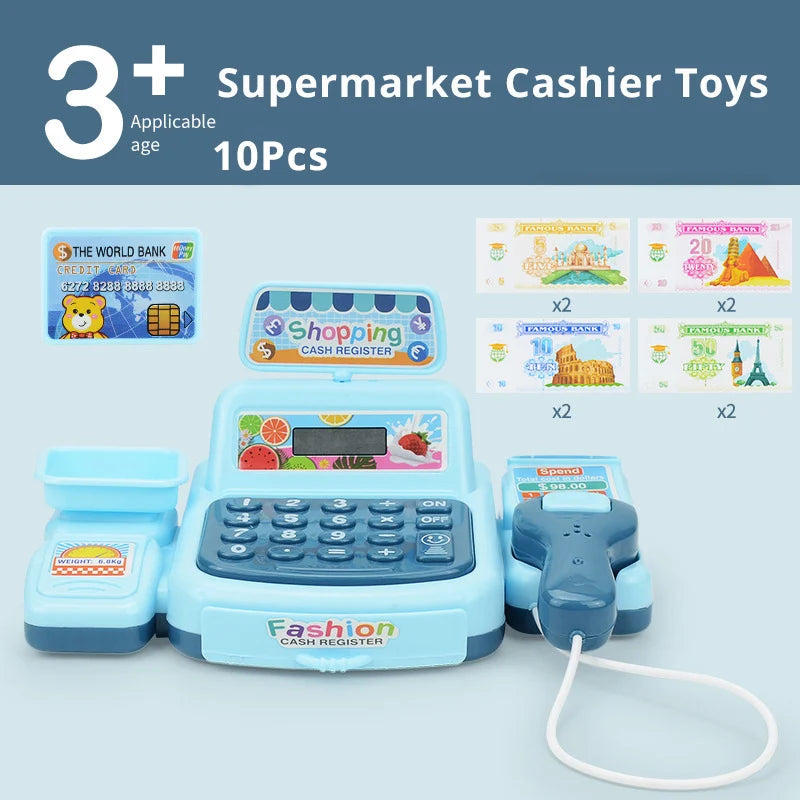
Early childhood play that encourages pretend play in early childhood 💡 See it in action
Why Early Childhood Play Matters for Learning Styles
Early childhood play gives children freedom to explore, experiment, and communicate without pressure. Instead of forcing skills too early, play lets learning happen naturally. Research consistently shows that pretend play development supports language growth, emotional regulation, and cooperation, especially when children lead the activity themselves.
For parents, this means less stress around “teaching” and more confidence that playtime is doing real work. A child stacking blocks, role-playing a shop, or acting out family routines is practicing math, communication, and empathy all at once.
Understanding Different Learning Styles in Young Children
Children rarely fit into one category, but most lean toward certain learning preferences. Recognizing these tendencies helps parents choose toys for social development and activities that feel enjoyable rather than frustrating.
- Visual learners prefer pictures, colors, and spatial play.
- Auditory learners learn best through sounds, conversation, and storytelling.
- Kinesthetic learners need movement and hands-on exploration.
- Social learners thrive through interaction and pretend play in early childhood.
Many families find that combining styles works best, especially in shared play spaces.
Play Ideas That Support Visual Learners
Visual learners notice details, patterns, and relationships between objects. Early childhood play for these children benefits from colorful, structured, and imaginative materials.
- Role-play sets with clearly defined pieces
- Pretend environments like shops or kitchens
- Sorting games that use color or shape
- Drawing and storytelling with picture prompts
Parents often notice visual learners staying engaged longer when toys are organized and visually inviting. A pretend cashier setup, for example, allows children to connect symbols, numbers, and social roles visually.
Play Ideas That Support Auditory Learners
Auditory learners process information through sound and conversation. They enjoy talking through their play and listening to others.
- Story-based pretend play scenarios
- Singing or rhythmic games during playtime
- Role-play with dialogue, such as customer and shopkeeper
- Group play that encourages turn-taking and conversation
These children often benefit from toys for social development that invite communication rather than silent manipulation.
Play Ideas That Support Hands-On Learners
Kinesthetic learners need to move, touch, and experiment. Early childhood play that involves physical interaction helps them stay regulated and focused.
- Building and assembling pretend play sets
- Movement-based role-play activities
- Hands-on problem-solving games
- Real-life simulations like shopping or cooking
Parents often find that allowing freedom of movement reduces frustration and increases cooperation during playtime.
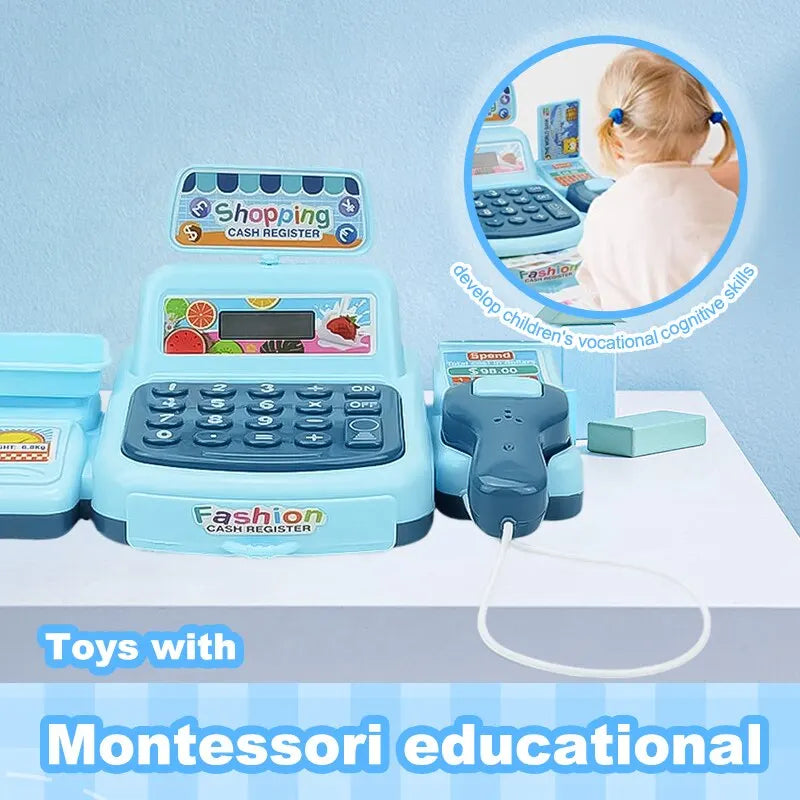
Pretend play development supports hands-on learners 💡 See it in action
How Pretend Play Builds Social and Emotional Skills
Pretend play in early childhood is especially powerful for social learners. Acting out everyday scenarios teaches empathy, cooperation, and emotional understanding.
When children take turns being a cashier, customer, or helper, they practice:
- Listening and responding
- Understanding others’ perspectives
- Managing emotions during conflict
- Building confidence in communication
This type of early childhood play supports emotional growth in ways structured lessons cannot.
Matching Toys to Your Child’s Needs
Choosing toys for social development doesn’t mean buying more—it means buying smarter. Look for toys that adapt to different learning styles and grow with your child.
A simulation cashier toy, for example, supports:
- Visual learners through symbols and colors
- Auditory learners through dialogue and role-play
- Kinesthetic learners through hands-on interaction
- Social learners through shared pretend scenarios
You can explore more supportive options within Baby Growth & Learning and Sensory Toys to build a balanced play environment.
Many parents also pair pretend play with calming routines from Sleep & Comfort to help children transition smoothly after active play.
Real Parent Experiences With Child-Led Play
Parents across the U.S. report noticeable changes when they shift toward child-led early childhood play.
“Once we stopped directing every activity, our son started talking more during play. Pretend shopping became his favorite game.” — Amanda, mom of a 4-year-old
“My daughter struggles with focus, but role-play toys keep her engaged longer than puzzles ever did.” — Jason, dad of a preschooler
These stories highlight how pretend play development builds confidence and independence naturally.
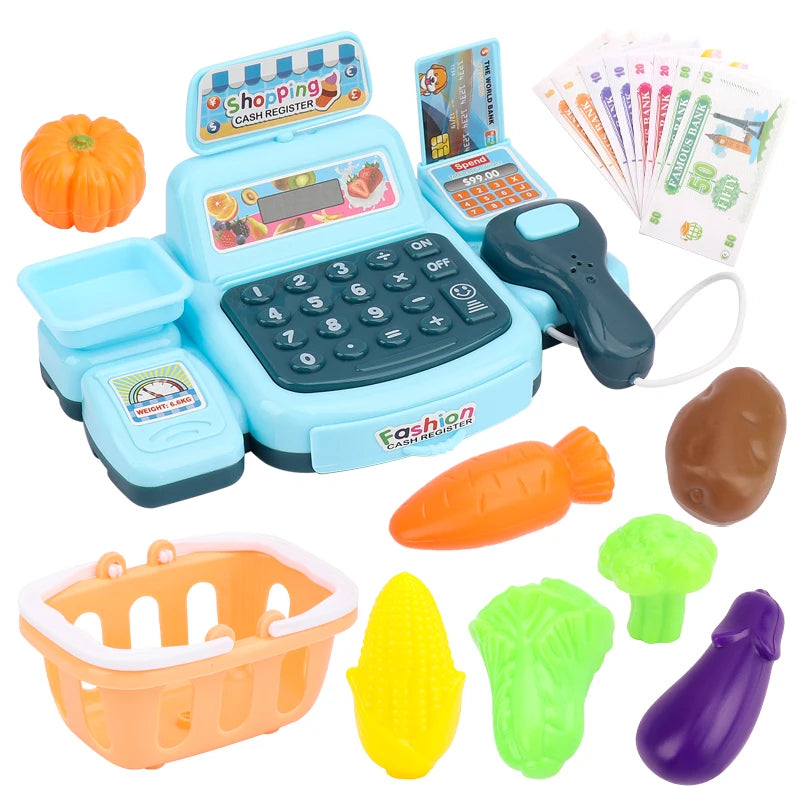
Toys for social development through early childhood play 💡 See it in action
Frequently Asked Questions
What is early childhood play?
Early childhood play is self-directed, meaningful activity that supports learning, emotional growth, and social skills. It includes pretend play, sensory exploration, and movement-based activities that help children understand the world.
Why is pretend play important for development?
Pretend play development helps children practice communication, empathy, and problem-solving. Acting out real-life roles builds confidence and emotional awareness.
How do I choose toys for social development?
Look for toys that encourage interaction, conversation, and role-switching. Versatile pretend play toys support multiple learning styles and grow with your child.
Related Guide: Early Childhood Play That Fits Different Learning Styles





