

Miniature Furniture Play Accessories How to Mix and Match
Do miniature furniture play accessories really boost creativity and learning?
Miniature furniture play accessories encourage hands-on storytelling, spatial awareness, and problem-solving by letting children design rooms, mix styles, and act out everyday life. When kids combine sets like jeux miniature with joce dollhouse pieces, they practice organization, color matching, and imaginative thinking—skills that support early development while keeping playtime fun and screen-free.
⏱ 6 min read
Miniature Furniture Play Accessories How to Mix and Match
Miniature furniture play accessories turn ordinary playtime into a world of tiny adventures. From decorating dream homes to creating cozy family scenes, kids love mixing sofas, beds, and kitchens into endless layouts. Parents appreciate how collections like jeux miniature and joce dollhouse grow with imagination, encouraging creativity, focus, and storytelling—without screens.
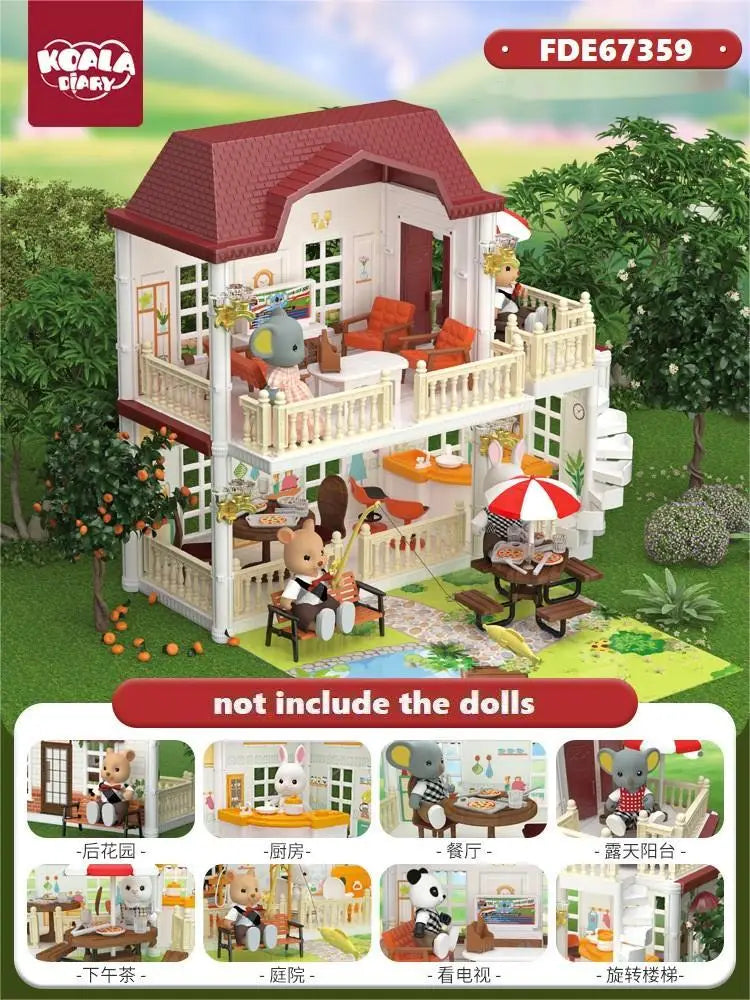
Miniature furniture play accessories with jeux miniature charm — 💡 See it in action
Why Miniature Furniture Makes Playtime Smarter
Miniature furniture play accessories give children control over their environment. Instead of fixed toys, kids create scenes that change daily—bedrooms become cafes, castles turn into schools.
Parents often notice longer focus time and richer storytelling when children can rearrange furniture freely.
- Encourages imagination and role play
- Builds fine motor skills
- Improves organization habits
- Supports emotional expression
Many families pair dollhouse play with creative items from Sensory Toys to deepen exploration through textures and movement.
How to Mix and Match Miniature Furniture Sets Easily
Miniature furniture play accessories work best when combined across styles and themes. Kids don’t need matching sets—variety fuels creativity.
- Start with one main room like a living space or kitchen
- Add contrasting pieces from jeux miniature collections
- Blend modern and classic furniture for unique looks
- Rotate layouts weekly to keep play fresh
- Create story prompts like “family dinner night”
Parents who encourage flexible play often see stronger problem-solving skills, similar to activities supported in Baby Growth & Learning tools.
Styling Tips for Realistic Dollhouse Rooms
Real homes inspire the best miniature designs. Let kids copy rooms they see every day.
- Group furniture by function, not brand
- Use open space to avoid clutter
- Create “activity corners” for storytelling
- Swap colors for mood changes
Parents often pair dollhouse scenes with calming play from Sleep & Comfort routines to help kids unwind before bedtime.
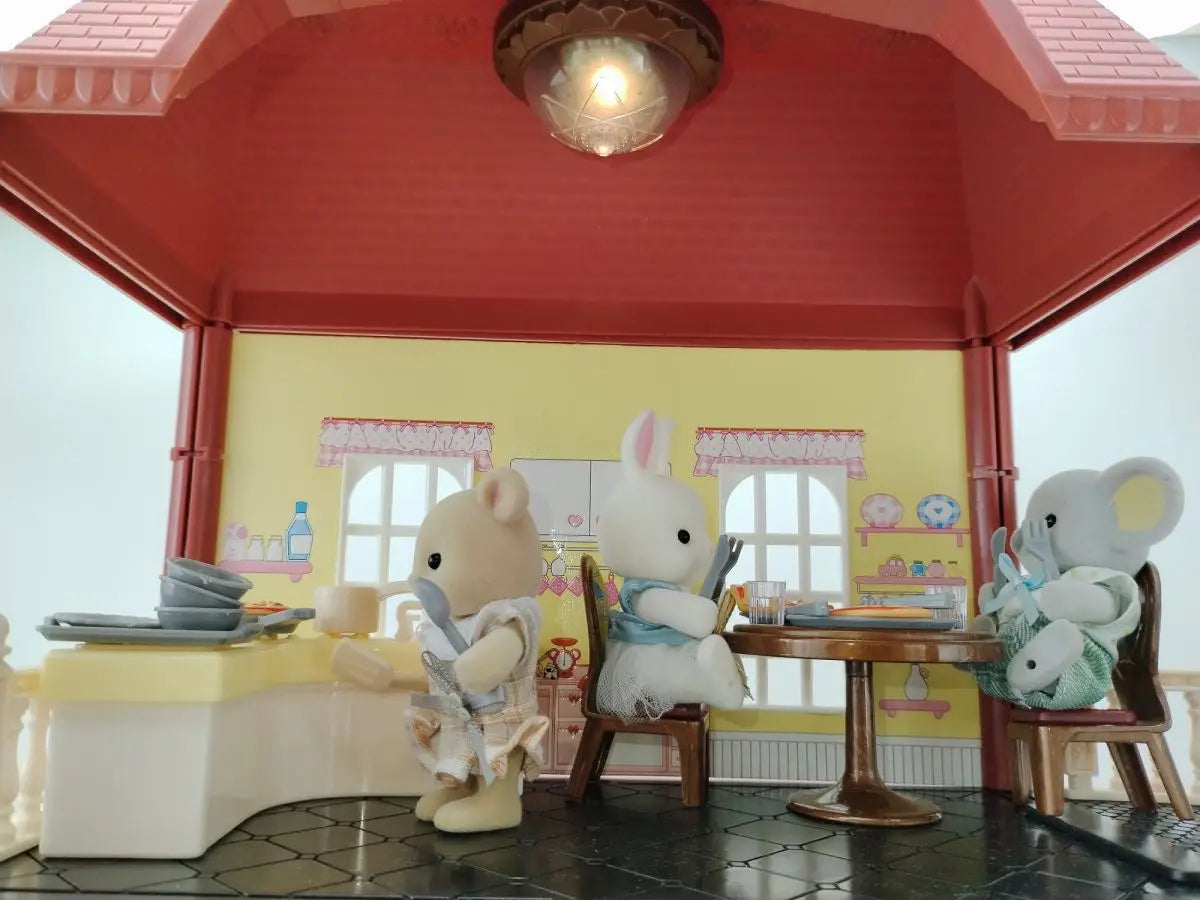
Joce dollhouse rooms with mixed miniature furniture play accessories — 💡 See it in action
Why Mix-and-Match Sets Beat Single-Theme Toys
| Mixed Furniture Sets | Single Theme Sets |
|---|---|
| Encourage creativity | Limited layouts |
| Longer play interest | Gets boring faster |
| Custom stories daily | Fixed scenarios |
| Better organization skills | Less problem-solving |
Real parents report kids spending up to 40% more time engaged when rooms can be rearranged freely.
Simple Storage to Keep Tiny Pieces Organized
One common frustration is lost furniture. A few habits make cleanup easy.
- Sort by room type
- Use small labeled bins
- Store on low shelves kids can reach
- Make cleanup part of play routine
Many families combine play organization with daily habits taught through Baby Care Essentials for smoother routines.
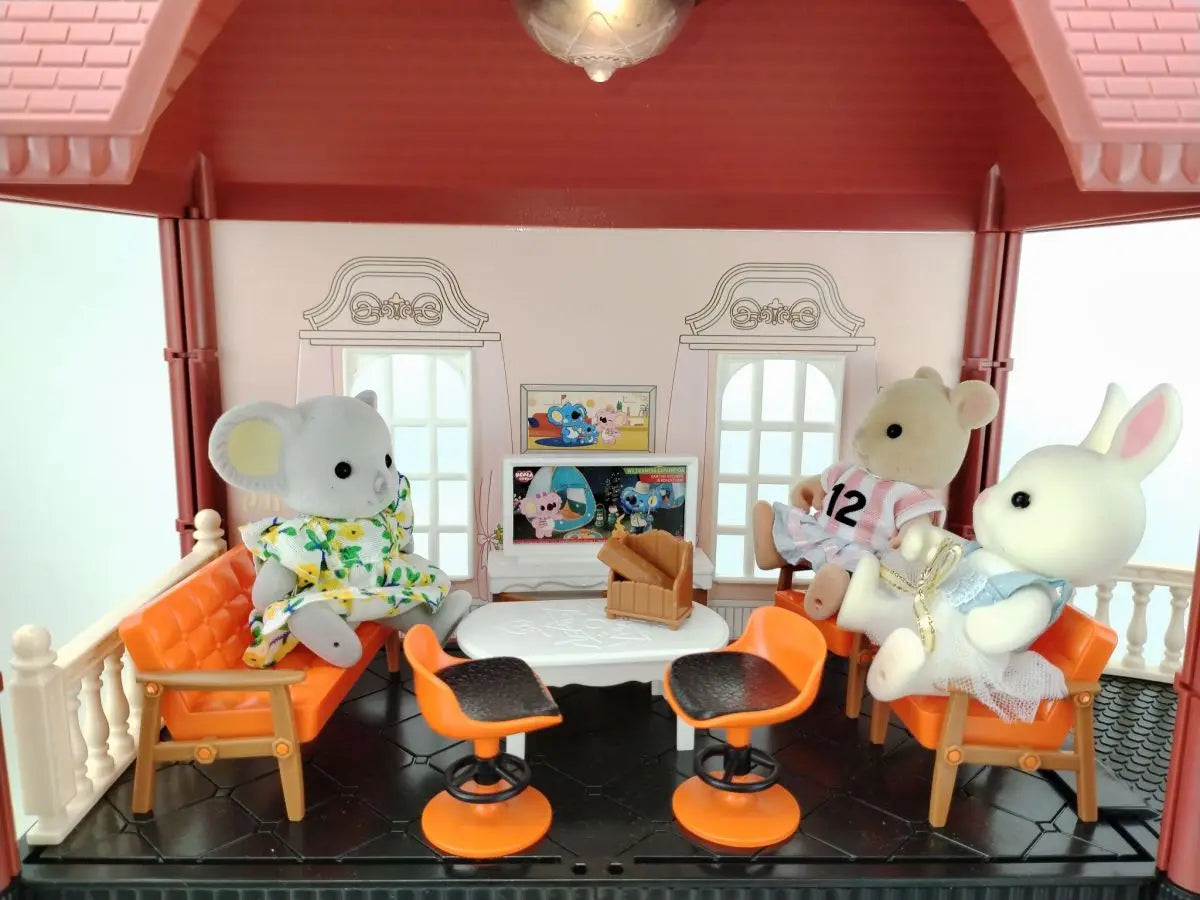
Jeux miniature layouts using miniature furniture play accessories — 💡 See it in action
Mini FAQ
Are miniature furniture play accessories safe for young kids?
Most quality sets use smooth edges and durable materials. Always supervise toddlers and choose age-appropriate sizes.
Can different brands be mixed together?
Yes. Combining jeux miniature with joce dollhouse furniture often creates more creative layouts and longer play value.
How often should layouts be changed?
Weekly changes keep interest high and encourage fresh storytelling ideas.
Related Guide: How to Encourage Imaginative Play at Home Step by Step





