

Montessori Math Toy Set: How to Use It at Home
Does a Montessori math toy set really help kids learn math at home?
A montessori math toy set helps children understand numbers through hands-on play instead of memorization. By using physical objects, kids naturally grasp counting, quantity, and basic operations. This approach builds confidence, focus, and early childhood math concepts while supporting independent learning at home.
Montessori Math Toy Set: How to Use It at Home
⏱ 7 min read
A montessori math toy set transforms everyday play into meaningful learning by helping children grasp numbers naturally, without pressure or worksheets. Using hands-on materials, parents can create montessori math activities at home that build confidence, focus, and problem-solving skills while reinforcing early childhood math concepts in a calm, joyful way.
Which learning toy actually keeps your child focused without battles or tears? If you’ve tried apps, flashcards, or noisy gadgets, you’re not alone. Many parents want something calmer, safer, and more effective.
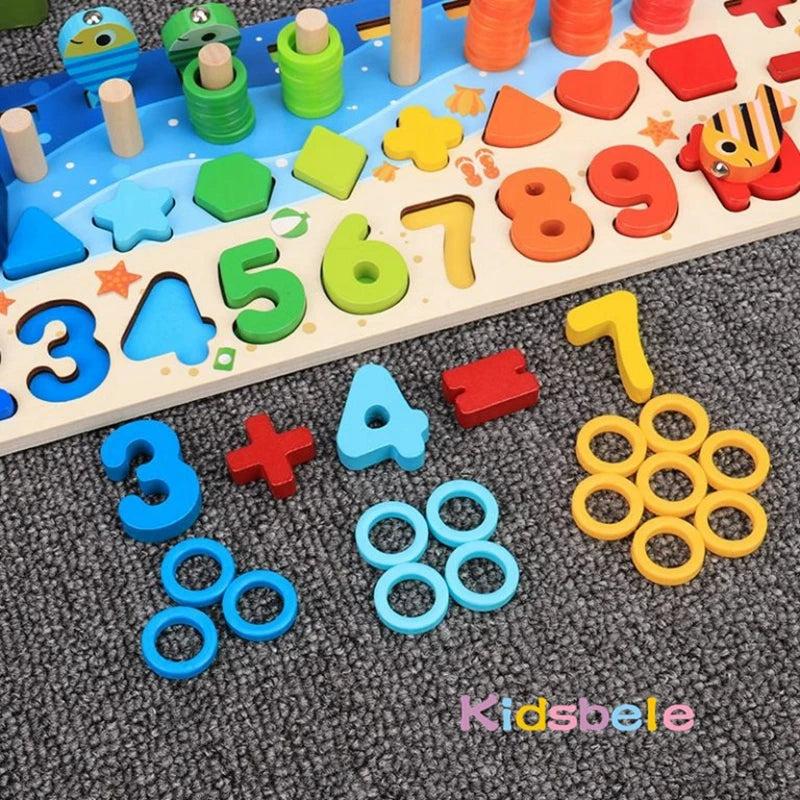
Hands-on montessori math toy set for early childhood math concepts 💡 See it in action
Why Parents Love Using a Montessori Math Toy Set at Home
A montessori math toy set brings math down to earth. Instead of abstract symbols, children touch, move, and explore numbers. This reduces frustration and turns learning into something they choose to do.
- Encourages self-correction without adult pressure
- Builds focus and patience through quiet play
- Supports early childhood math concepts naturally
- Fits easily into daily home routines
Many parents notice their child counting objects during snack time or sorting toys by size—signs that learning is carrying over into real life.
What Comes in a Montessori Math Toy Set?
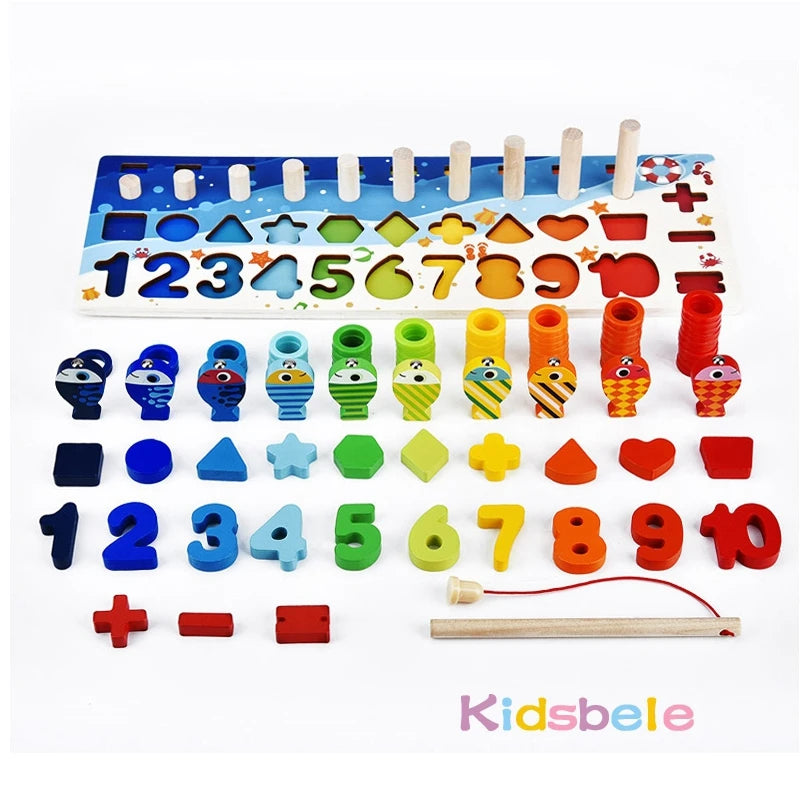
A typical montessori math toy set includes wooden numbers, counting rods, or puzzle boards designed for small hands. Each piece has a clear purpose and avoids unnecessary distractions.
| Component | Learning Benefit |
|---|---|
| Wooden number pieces | Number recognition and sequencing |
| Counting blocks or rods | Understanding quantity and comparison |
| Puzzle boards | Problem-solving and fine motor skills |
Because these are montessori learning toys, quality materials matter. Smooth wood, safe finishes, and sturdy construction support both learning and safety.
How to Start Using a Montessori Math Toy Set Step by Step
A montessori math toy set works best when introduced slowly and respectfully. The goal is exploration, not instruction.
- Set up a quiet, uncluttered space on the floor or table
- Introduce one material at a time without explaining too much
- Demonstrate once, then step back and observe
- Let your child repeat or modify the activity freely
Keep sessions short—10 to 15 minutes is often enough. Stopping while your child is still engaged builds anticipation for next time.
How Often Should You Use It?
Consistency matters more than duration. A few minutes daily can be more effective than a long weekly session. Pair math play with other quiet activities from Baby Growth & Learning to create a balanced routine.
Simple Daily Montessori Math Activities at Home
Montessori math activities at home don’t need to feel like lessons. They blend into everyday moments.
- Count wooden pieces while setting the table
- Match numbers to quantities during snack time
- Sort blocks by size or length on the floor
- Create simple addition using physical objects
These small moments reinforce early childhood math concepts without worksheets or screens.
Montessori math activities at home using learning toys 💡 See it in action
Using a Montessori Math Toy Set by Age
Different ages interact with the same materials in different ways.
Ages 2–3
Focus on counting, sorting, and recognizing shapes. Keep activities playful and brief.
Ages 4–5
Introduce number sequencing and simple addition. Children at this stage often enjoy repeating patterns.
Ages 6+
Use the materials to explore subtraction or basic problem-solving, letting the child lead.
Pair math play with calming routines from Sensory Toys or rest time supported by Sleep & Comfort for balance.
Common Mistakes to Avoid
- Correcting too quickly instead of letting self-discovery happen
- Using too many materials at once
- Turning play into a test or quiz
- Comparing progress with other children
Montessori learning toys work best when children feel safe to explore at their own pace.
Why This Montessori Math Toy Set Stands Out
This montessori math toy set stands out because it combines durable wooden design with intuitive learning flow. Each piece encourages independent problem-solving, supports early childhood math concepts, and fits naturally into home routines without screens, noise, or pressure.
Parents report improved focus, calmer play sessions, and stronger number confidence within weeks of consistent use.
- ✔ Smooth, child-safe wooden materials
- ✔ Designed for independent learning
- ✔ Supports multiple age stages
- ✔ Easy to store and organize
You can explore this learning tool directly here: montessori math toy set.
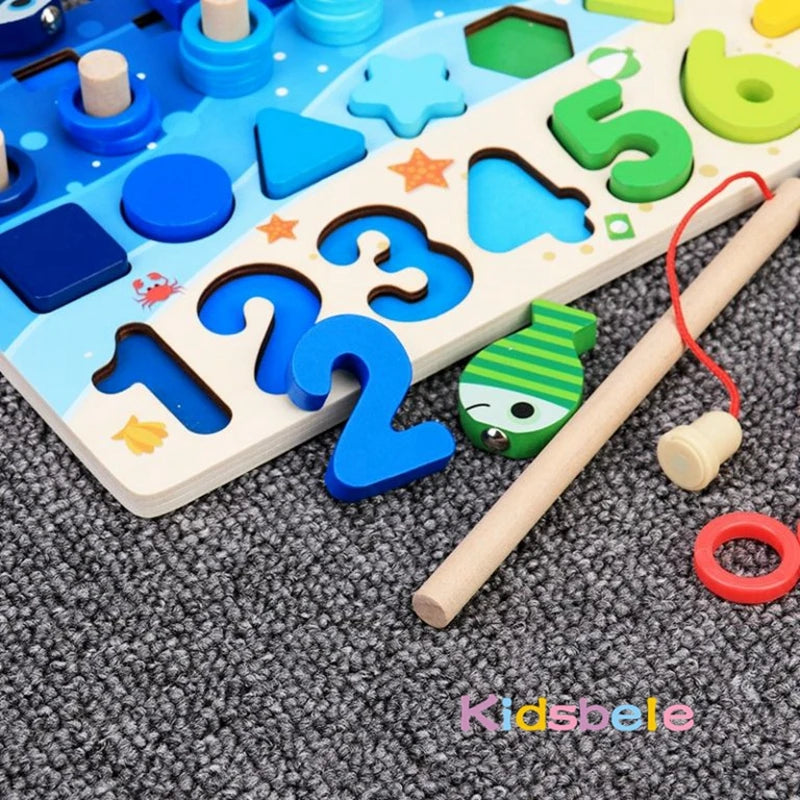
Build early childhood math concepts with a montessori math toy set 💡 See it in action
Mini FAQ
Is a montessori math toy set suitable for preschoolers?
Yes. Most sets are designed for preschool math skills, supporting counting, number recognition, and simple operations through hands-on play.
How long before I see results?
Many parents notice improved number awareness and focus within a few weeks of regular, low-pressure use.
Do I need teaching experience to use it?
No. Montessori math activities at home rely on simple demonstrations and observation, making them accessible for all parents.
Related Guide: Math Hands On Activities for Preschoolers: Step by Step Play





