

Montessori Wooden Math Toy vs Plastic Sets for Early Skills
Does a Montessori wooden math toy really help early math skills?
The montessori wooden math toy supports early numeracy by letting children touch, move, and see numbers in a concrete way. Through hands on learning math, preschoolers build counting, sorting, and problem-solving skills while staying calm and focused—without screens, noise, or overstimulation that can interrupt deep learning.
Montessori Wooden Math Toy vs Plastic Sets for Early Skills
⏱ 6 min read
Educational toys without screens are becoming a quiet favorite in homes where parents worry about short attention spans and restless learning. Choosing between a montessori wooden math toy and colorful plastic sets can feel overwhelming. Which option truly supports calm play, focus, and real early math understanding—without frustration or clutter?
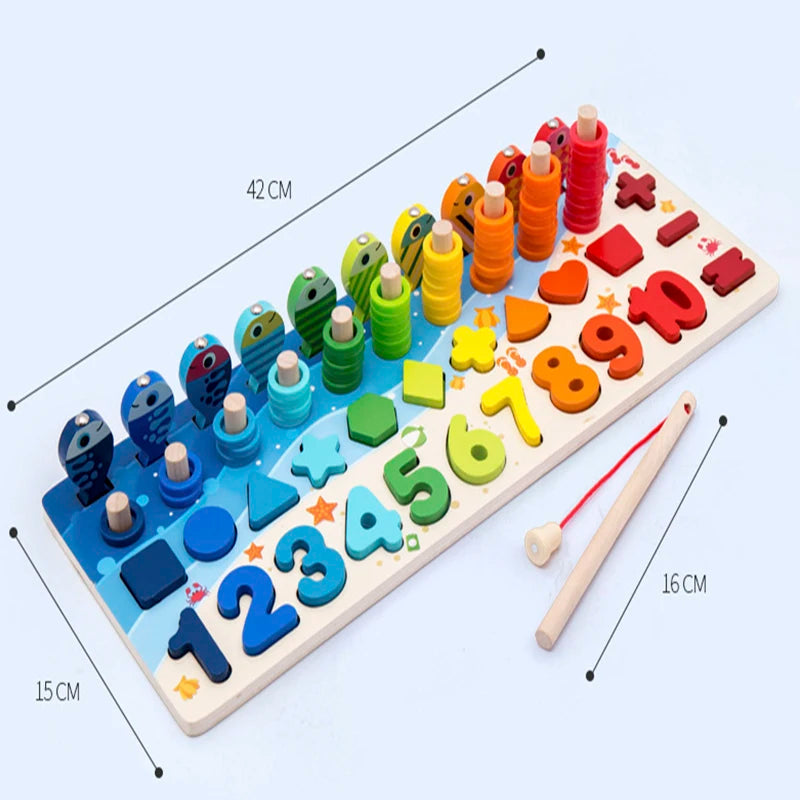
Montessori wooden math toy for hands on learning math — 💡 See it in action
Why Hands On Math Matters in Preschool
Preschool brains learn best through movement and touch. Hands on learning math allows children to connect numbers with real-world meaning instead of memorizing symbols. When kids physically count beads or stack blocks, math becomes something they can feel, not just see.
- Builds number sense naturally
- Supports longer focus without pressure
- Encourages self-correction and independence
- Reduces frustration during early learning
Many families exploring Baby Growth & Learning tools notice calmer play sessions when math is tactile instead of digital.
Wooden vs Plastic Math Toys: Quick Overview
At first glance, both wooden and plastic math sets aim to teach counting, addition, and patterns. The difference lies in how children interact with them over time.
Wooden Math Toys
- Neutral colors reduce distraction
- Heavier pieces promote intentional movement
- Often open-ended for multiple activities
Plastic Math Sets
- Bright colors grab attention quickly
- Lightweight and easy to store
- Sometimes include sound or spinning parts
How a Montessori Wooden Math Toy Supports Calm Learning
The montessori wooden math toy encourages hands on learning math by slowing play down. Children count, match, and solve problems at their own pace, building confidence without sensory overload. This approach supports focus, patience, and early problem-solving through repetition and self-guided discovery.
Unlike busy plastic sets, wooden pieces feel warm and grounding in small hands. Many parents browsing Sensory Toys report fewer meltdowns and longer independent play when wooden math tools are part of daily routines.
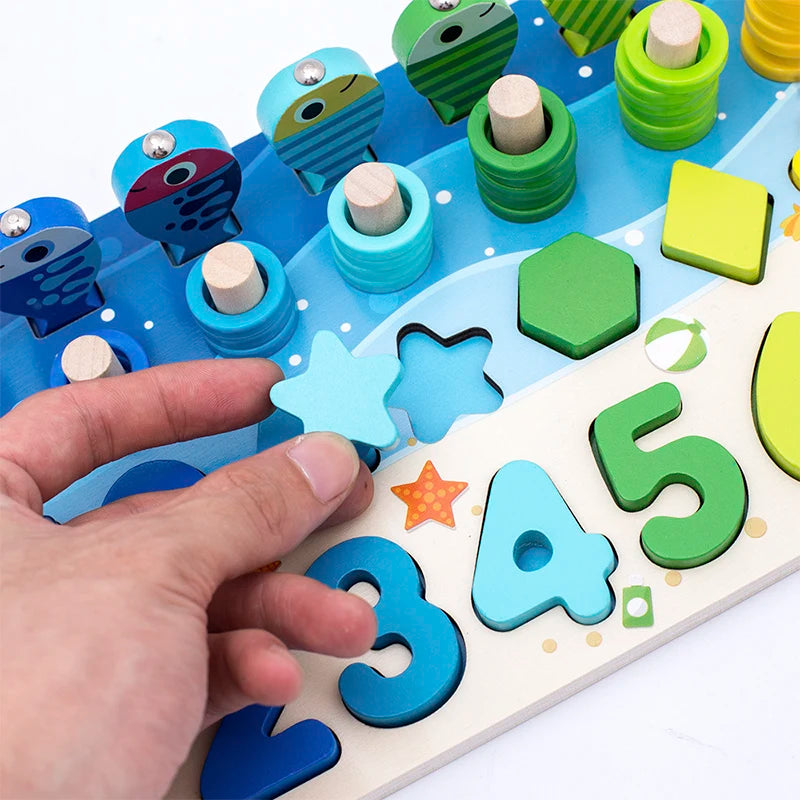
Educational wooden math toy preschool play that grows with your child — 💡 See it in action
Key Benefits Parents Notice
- Children stay engaged longer without reminders
- Math feels like play, not instruction
- Improved fine motor coordination
- Easy integration into daily routines
For families focused on calm play activities, pairing math tools with items from Sleep & Comfort routines often creates smoother transitions between learning and rest.
When Plastic Math Sets May Work Better
Plastic sets can still serve a purpose, especially for short, energetic play sessions. Their bright colors may appeal to children who need quick engagement or group classroom settings.
- Lightweight for travel
- Often lower upfront cost
- Appealing visuals for fast-paced play
However, parents concerned about low focus learning often notice attention drops quickly once novelty fades.
Side-by-Side Comparison Table
| Feature | Montessori Wooden Math Toy | Plastic Math Sets |
|---|---|---|
| Focus Support | High, calm and steady | Short bursts |
| Sensory Load | Low, soothing | High, stimulating |
| Durability | Long-lasting | May crack or fade |
| Learning Style | Hands on learning math | Visual-led |
Who Should Choose a Wooden Math Toy?
The montessori wooden math toy is ideal for families who value slow, meaningful learning. It works especially well for children who feel overwhelmed by noise or bright visuals.
- Preschoolers learning basic counting
- Children sensitive to stimulation
- Homes limiting screen time
- Parents seeking educational wooden math toy preschool use
Many parents exploring Baby Care Essentials find that simple, purposeful tools reduce daily stress for both kids and adults.
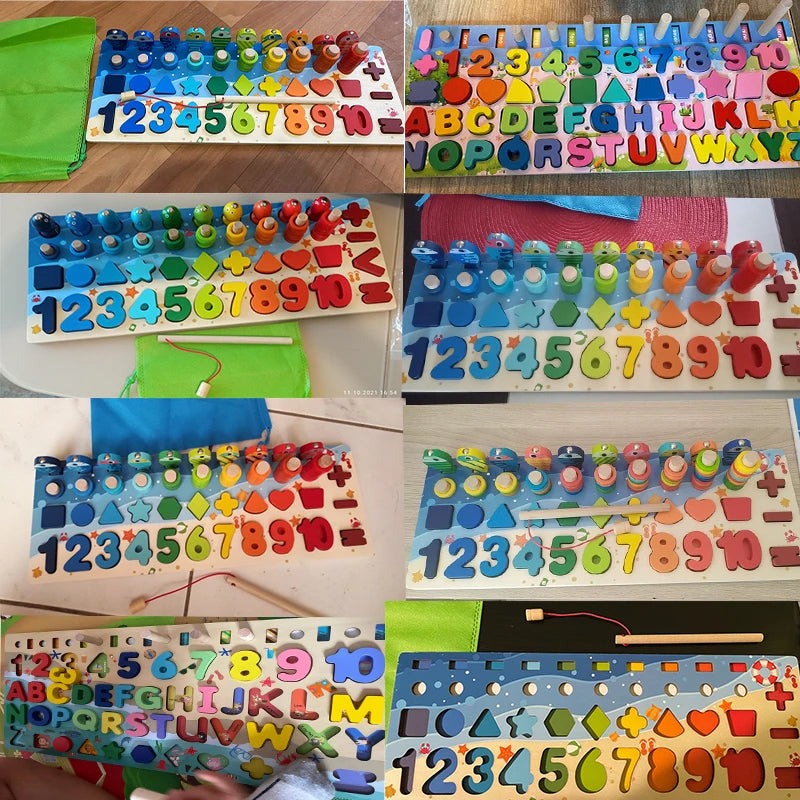
Hands on math curriculum play at home — 💡 See it in action
What Parents Notice After Switching
Parents often share that after introducing wooden math tools, playtime feels quieter and more purposeful. One parent noted their child practiced counting daily without prompts, while another mentioned fewer arguments during learning time.
These small changes build trust in the process and help children associate math with confidence rather than pressure.
Final Thoughts
Choosing between wooden and plastic math toys isn’t about trends—it’s about how your child learns best. For many families, the montessori wooden math toy offers a balanced, calming way to support early numeracy while respecting attention limits and emotional regulation.
If you’re building a screen-free learning space, exploring collections like Baby Growth & Learning can help you find tools that grow alongside your child.
FAQ
Is a wooden math toy safe for preschoolers?
Yes, quality wooden sets are designed with smooth edges and sturdy pieces that support safe, independent play for young children.
Can wooden math toys replace workbooks?
For early skills, hands on learning math often builds stronger understanding than paper-based activities alone.
How long will a Montessori wooden math toy stay useful?
Many sets adapt from basic counting to simple operations, making them useful across multiple preschool stages.
Related Guide: Montessori Educational Wooden Toy Compared for Preschool Math





