

Montessori Wooden Toy Secrets: Top Skill-Building Picks
Do preschool education toys really improve early learning?
Preschool education toys help children build real skills by turning hands-on play into meaningful learning. When thoughtfully designed, preschool education toys support counting, language, focus, and problem-solving through repetition and curiosity. Parents often see stronger engagement and confidence compared to passive screen-based activities.
Preschool Education Toys Reviewed for Real Learning Results
Preschool education toys can quietly transform playtime into powerful growth, blending educational toys for early childhood development with hands-on early childhood education toys that feel like play, not pressure. Parents often wonder which early childhood development toys actually help children learn — and which just add clutter. This guide explores what truly works, why it matters, and how the right choice can reshape learning at home.
⏱ 8 min read
Does your child lose interest after just a few minutes? Are you worried that toys promise learning but deliver noise instead? Many parents share the same frustration — shelves full of toys, yet limited progress in focus, language, or number skills. The right preschool education toys change that story.
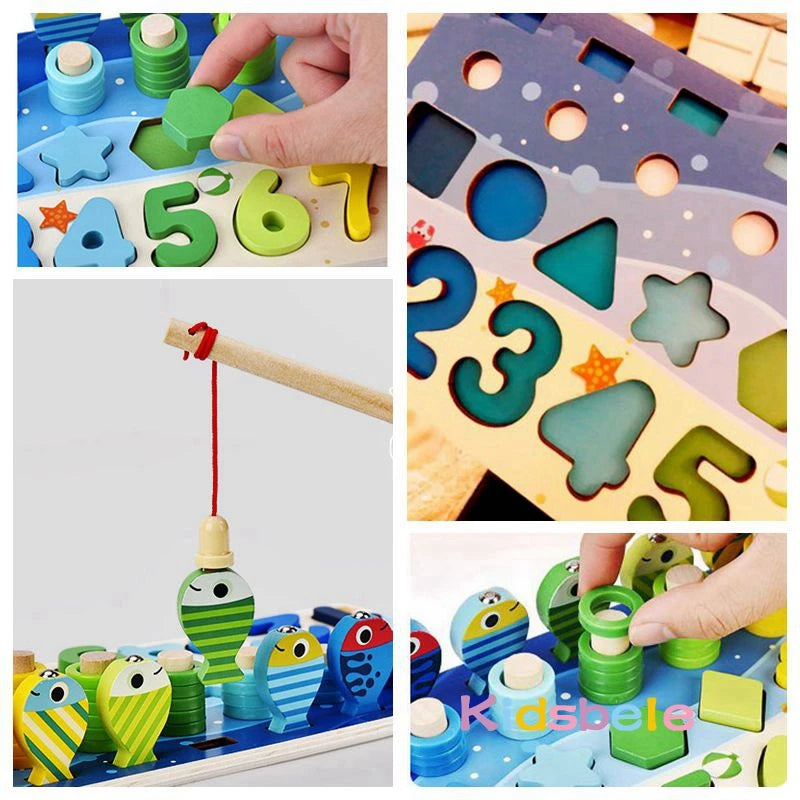
Preschool education toys that combine educational toys for early childhood development with playful discovery 💡 See it in action
What Makes Preschool Education Toys Effective?
Preschool education toys work best when they encourage children to touch, move, sort, and think. Unlike flashy toys that overstimulate, effective early childhood education toys slow children down and invite exploration.
- Hands-on interaction that strengthens fine motor skills
- Clear learning goals like counting, matching, or sequencing
- Open-ended play that grows with the child
- Safe materials sized for small hands
Many parents browsing Baby Growth & Learning collections notice that the most effective learning toys look simple — but offer deeper engagement.
Which preschool education toy actually holds attention longer than five minutes? Keep reading to see which designs stand out.
Why Many Toys Fail to Support Learning
Not all educational toys for early childhood development are created equal. Some rely on lights and sounds that entertain briefly but fail to build understanding.
Common issues parents report:
- Short attention spans despite constant stimulation
- Limited skill transfer beyond pressing buttons
- Overwhelming features that confuse younger children
- Plastic parts that break or feel unsafe
That’s why many families turn toward wooden early childhood development toys found in curated spaces like Sensory Toys — designed to calm, focus, and teach.
Montessori Wooden Math Puzzle Review: Why It Stands Out
Preschool education toys succeed when they guide children toward independent discovery. This Montessori-style wooden math puzzle does exactly that by combining counting, sorting, and shape recognition into one focused activity.
Preschool education toys like this stand out because they support educational toys for early childhood development without distraction. Children learn numbers, colors, and coordination through repetition and hands-on play, while parents appreciate the durable wooden design and clear learning purpose.
This product is available here: Montessori Math Toy Wooden Puzzle.
Key Benefits Parents Notice First
- Improved number recognition within weeks
- Longer independent play sessions
- Better hand–eye coordination
- Reduced reliance on screens
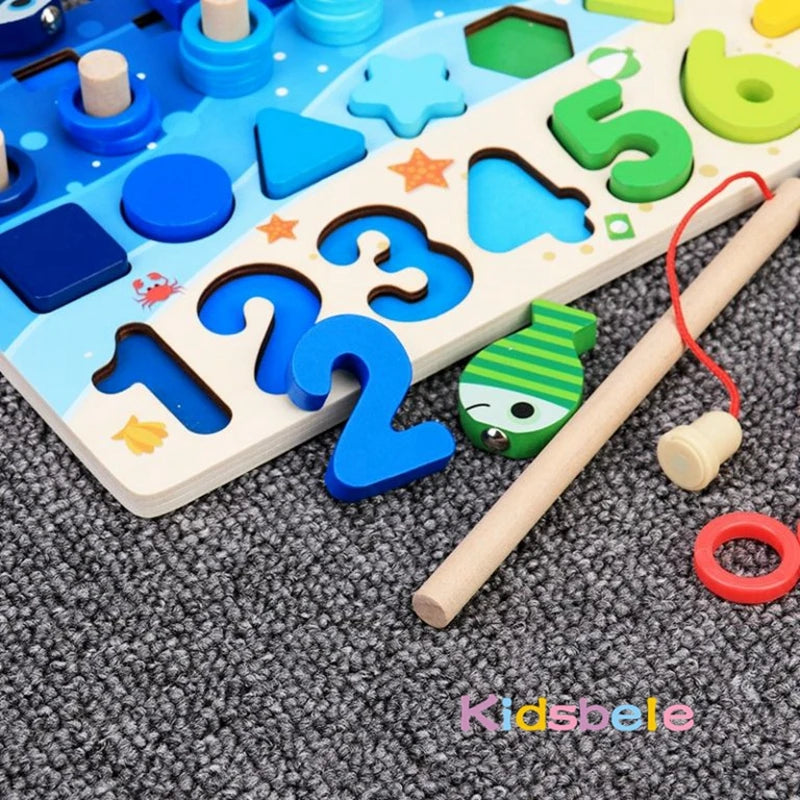
Educational toys for early childhood development that build focus and confidence 💡 See it in action
How It Compares to Other Preschool Education Toys
| Feature | Montessori Wooden Puzzle | Electronic Learning Toy | Plastic Shape Sorter |
|---|---|---|---|
| Hands-on learning | ✅ High | ❌ Limited | ⚠️ Moderate |
| Attention span support | ✅ Strong | ❌ Short-lived | ⚠️ Variable |
| Skill progression | ✅ Grows with child | ❌ Fixed | ⚠️ Limited |
| Material safety | ✅ Solid wood | ⚠️ Plastic/electronics | ⚠️ Plastic |
Parents comparing early childhood education toys often prefer options that balance simplicity with depth — a key reason wooden preschool education toys remain popular.
Real Parent Results and Observations
Parents who introduce focused preschool education toys often report noticeable changes within the first month.
- Children count objects during everyday routines
- Improved patience during problem-solving tasks
- Increased confidence when completing activities independently
One parent shared: “After two weeks, my child stopped guessing numbers and started counting slowly and correctly. This was the first toy that actually taught something.”
Families browsing Baby Growth & Learning often mention similar improvements when choosing intentional early childhood development toys.
How to Use Preschool Education Toys for Best Results
- Start with short, guided play sessions
- Let your child explore independently
- Repeat activities daily for consistency
- Celebrate small learning wins
Placing learning toys in calm spaces alongside items from Sleep & Comfort helps children associate learning with relaxation rather than pressure.
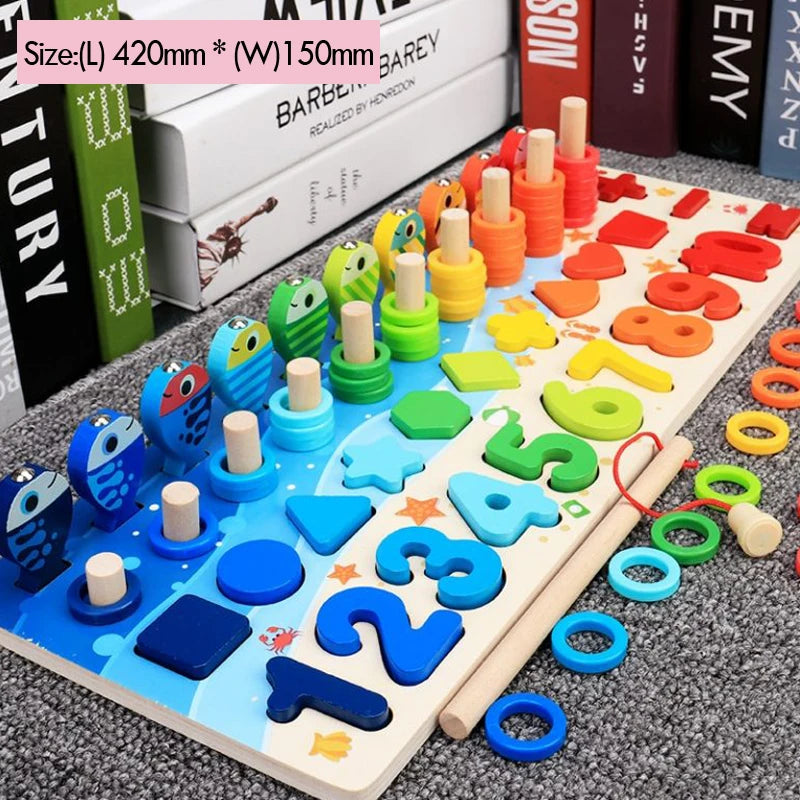
Early childhood education toys that grow skills through play 💡 See it in action
Frequently Asked Questions
What age are preschool education toys best for?
Most preschool education toys are ideal for ages 2–5, adapting to different developmental stages through open-ended play.
Are wooden toys better for early childhood development?
Wooden early childhood development toys often provide better sensory feedback, durability, and focus compared to electronic alternatives.
How many learning toys should a child have?
A few well-designed educational toys for early childhood development are more effective than many overstimulating options.
Can preschool education toys replace screen learning?
Hands-on preschool education toys complement or reduce screen time by building real-world skills through physical interaction.
Related Guide: Preschool Math Manipulatives Compared: Best Picks for Play





