

Motor Development Toys: How to Boost Skills Through Play
Do motor development toys really work?
Motor development toys support physical growth by encouraging purposeful movement, coordination, and control through play. When used consistently, motor development toys help children build balance, strength, and confidence while improving fine and gross motor skills in natural, engaging ways that fit daily routines.
Motor Development Toys: How to Boost Skills Through Play
⏱ 6 min read
Motor development toys are more than fun distractions—they’re powerful tools that shape coordination, balance, and confidence through everyday play. The right toys for motor skill development encourage movement, problem-solving, and body awareness while keeping kids engaged longer. From simple setups to creative active play ideas for preschoolers, these experiences turn preschool active games into skill-building moments that support healthy growth.
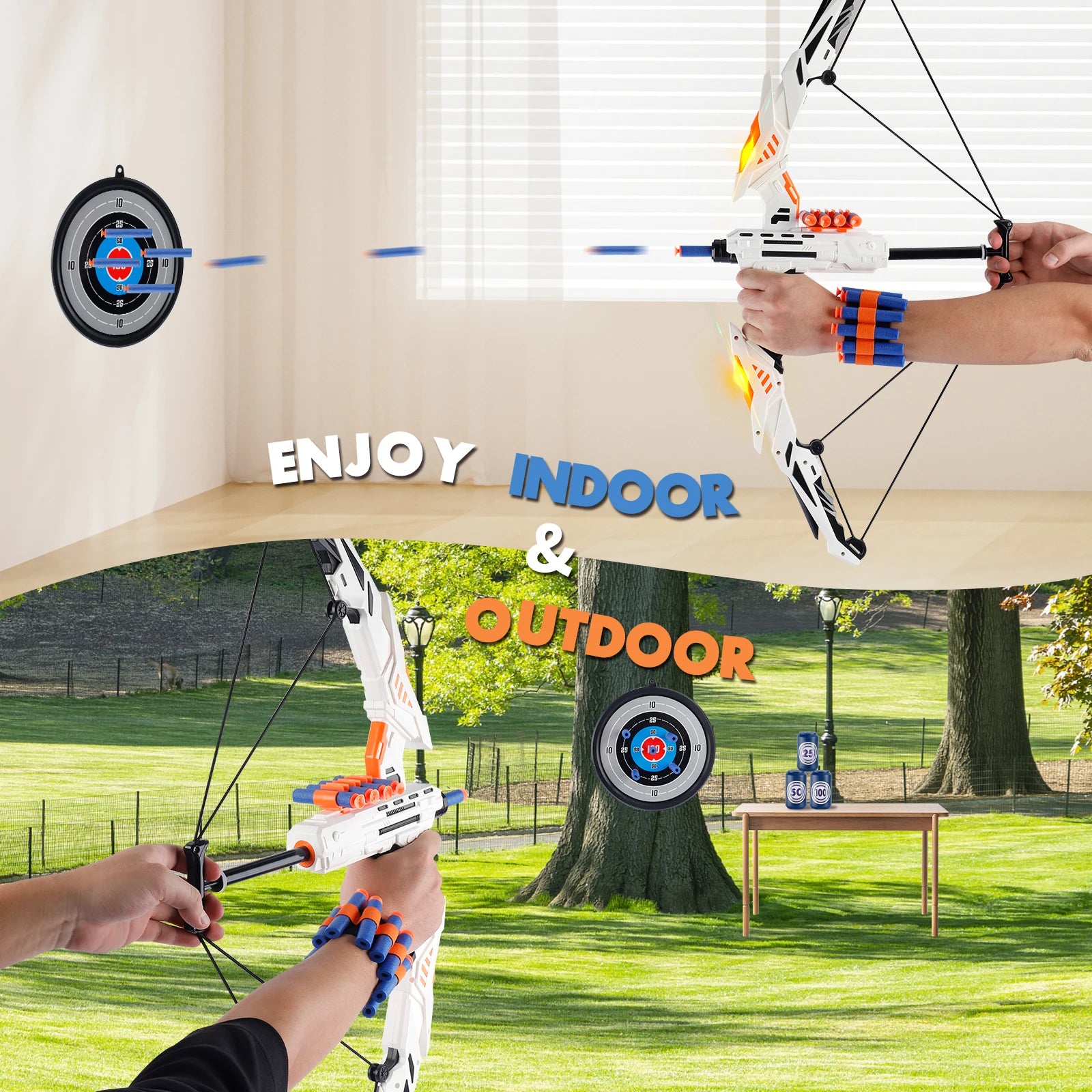
Motor development toys that spark movement and confidence 💡 See it in action
Why Motor Development Matters in Early Childhood
Many parents notice small worries early on: clumsiness, short attention spans, or kids who avoid physical play. These moments are often signs that children need more chances to practice movement in safe, playful ways. Motor development toys help bridge that gap by turning everyday play into meaningful physical learning.
- Supports balance and coordination needed for daily tasks
- Builds muscle strength without pressure or drills
- Encourages independence and self-confidence
- Makes movement fun, not forced
Which play activities actually help your child grow stronger and more confident? Keep reading to find out.
What Are Motor Development Toys?
Motor development toys are designed to help children practice movements that strengthen muscles, improve coordination, and refine control. These toys for motor skill development invite kids to climb, throw, grasp, aim, balance, or assemble—skills that translate directly into real-life abilities.
Motor development toys work best when they feel like play, not practice. Kids stay engaged longer because they’re having fun, not following instructions.
Gross vs Fine Motor Skills Explained
Understanding the difference helps parents choose the right tools at the right time.
| Skill Type | What It Develops | Play Examples |
|---|---|---|
| Gross Motor Skills | Large muscle movement, balance, coordination | Throwing, jumping, aiming, climbing |
| Fine Motor Skills | Hand control, precision, finger strength | Grasping, stacking, assembling |
Blending both types creates well-rounded physical growth. Collections like Baby Growth & Learning and Mobility & Training offer toys that support this balance naturally.
How to Choose the Right Toys for Motor Skill Development
Choosing toys can feel overwhelming. Focus on how a toy is used, not how flashy it looks.
- Match the toy to your child’s current ability, not age alone
- Look for open-ended play that allows multiple movements
- Choose durable designs that encourage repetition
- Prioritize safety and comfort for confident exploration
Parents often combine active toys with sensory options from Sensory Toys to keep playtime engaging without overstimulation.
Active Play Ideas for Preschoolers at Home
You don’t need a playground to build strong skills. Preschool active games work best when woven into daily routines.
- Target tossing with soft archery or ring games
- Balance challenges using floor tape paths
- Obstacle courses with cushions and low furniture
- Movement storytelling where kids act out scenes
These active play ideas for preschoolers build strength while reducing screen time battles.
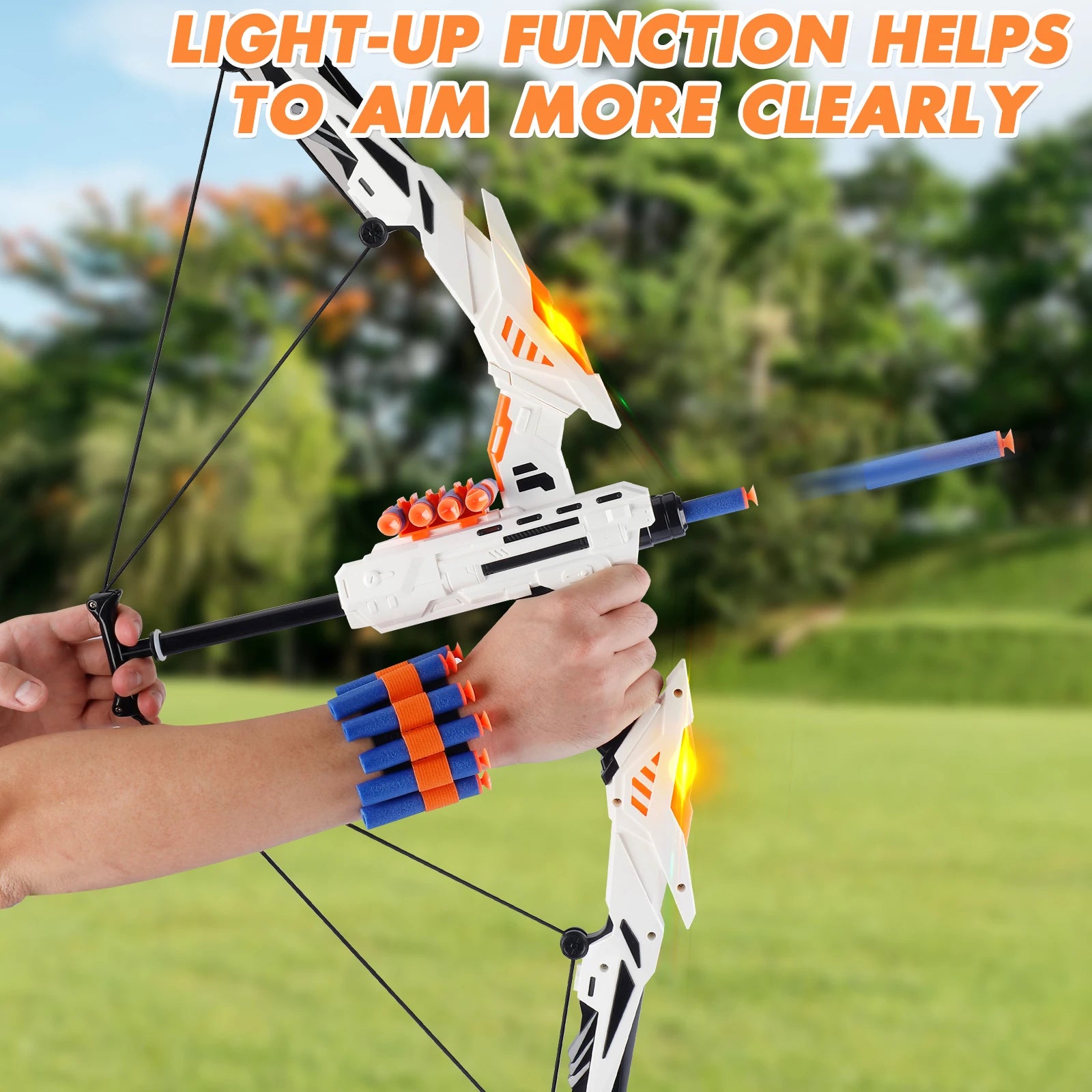
Toys for motor skill development that fit everyday play 💡 See it in action
Step-by-Step: Turning Playtime Into Skill-Building
Motor development toys work best with simple structure.
- Set up a clear play space with minimal distractions
- Demonstrate once, then let your child explore
- Encourage repetition without correcting constantly
- Celebrate effort, not perfection
This approach builds confidence and keeps kids motivated to move.
Safety, Confidence, and Everyday Wins
Parents want growth without worry. Choosing stable, well-designed toys reduces falls and frustration. Pairing physical play with supportive routines from Health & Safety helps children feel secure enough to try new movements.
Many parents report better posture, improved coordination, and calmer energy after consistent active play sessions.
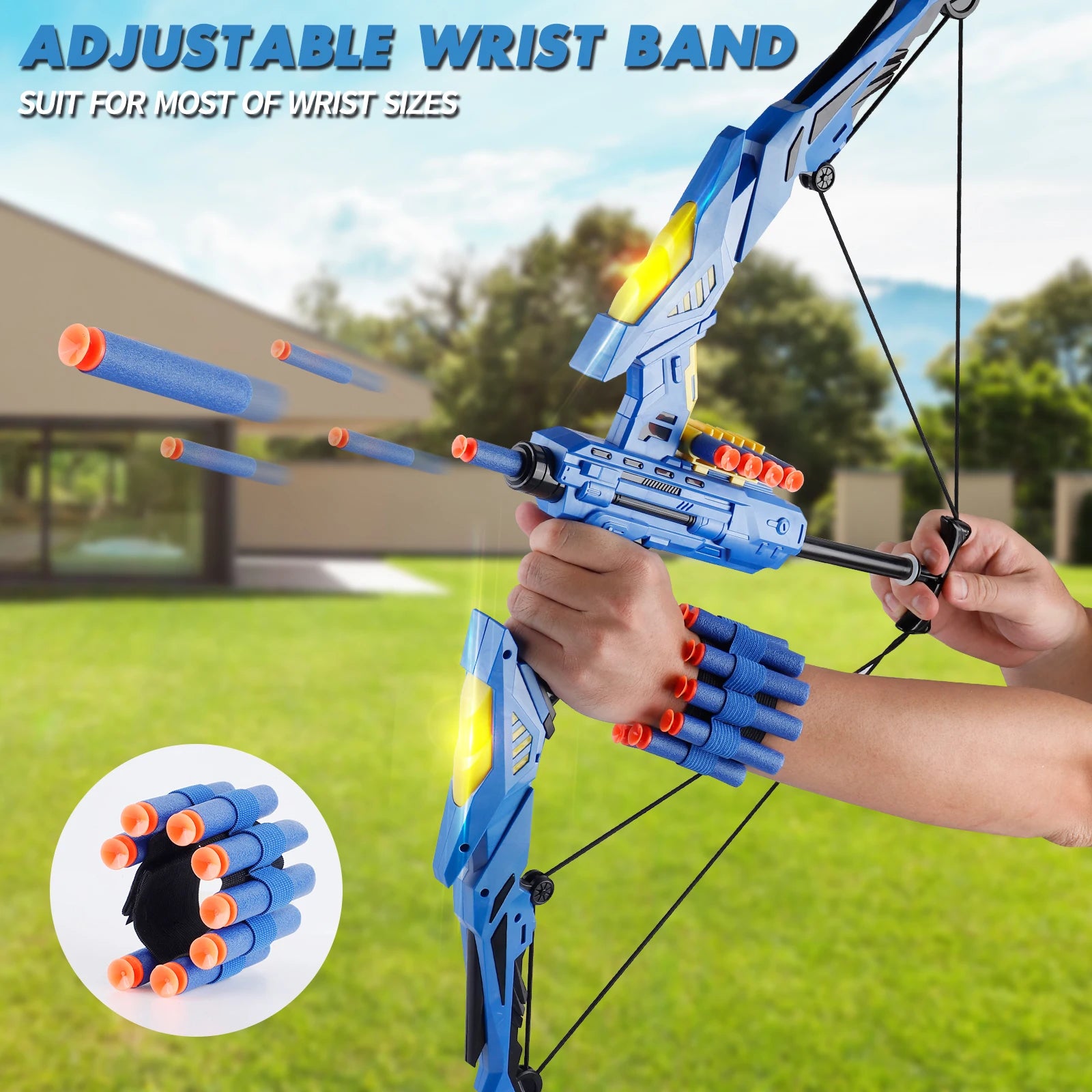
Preschool active games that build confidence 💡 See it in action
FAQs
How often should children use motor development toys?
Short daily sessions work better than long, occasional playtimes. Even 15–20 minutes a day helps reinforce coordination and strength.
Can indoor toys support gross motor skills?
Yes. Many toys for motor skill development are designed for safe indoor movement, making them ideal for everyday use.
Are motor development toys suitable for different ages?
Most are adaptable. The key is adjusting difficulty and supervision as your child grows.
Related Guide: Toys to Develop Fine Motor Skills: How to Use Them Right





