

Do motor development toys really work?
Motor development toys help children build strength, coordination, and confidence through hands-on play. The best motor development toys turn simple actions—grasping, pouring, stacking, crawling—into repeated practice that strengthens muscles and brain connections. Compared with passive play, these toys support faster, more lasting motor skills growth.
Motor Development Toys That Truly Boost Skills
Motor development toys can do far more than keep little hands busy—they shape how children move, think, and gain confidence. When chosen well, motor skills toys for 1 year olds turn everyday play into powerful toy motor skills practice, offering clear motor skills development examples like grasping, stacking, and balance.
⏱ 6 min read
Ever wonder why some toys hold your child’s attention for months while others are forgotten in days? The difference often lies in how well a toy supports real movement and exploration. Which designs truly help children grow—and which just look fun?
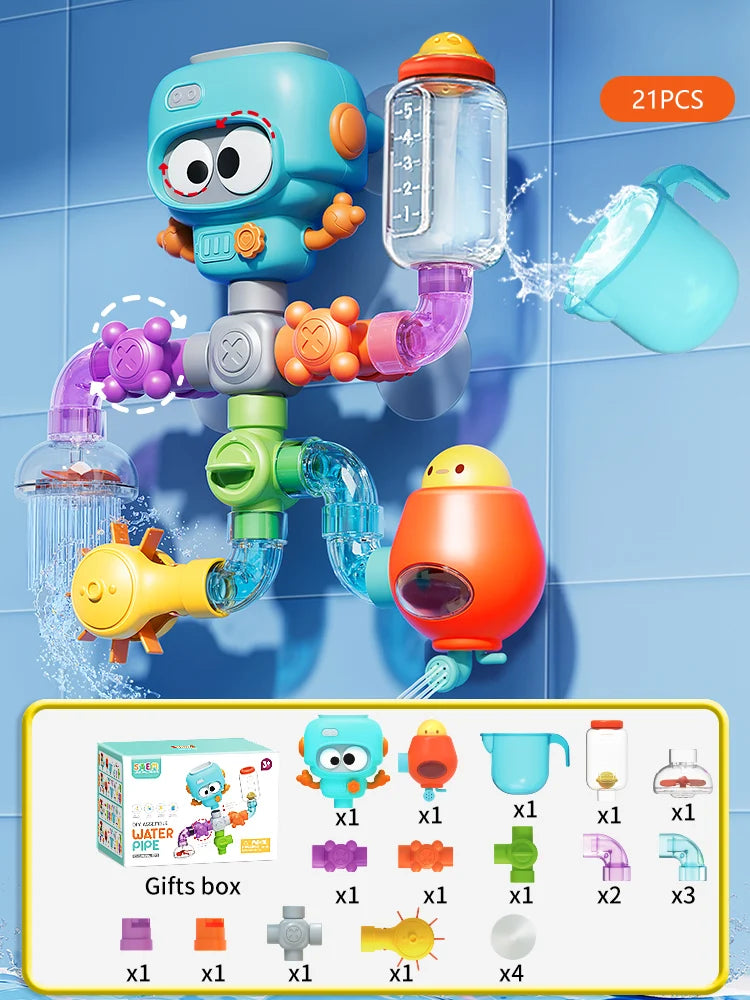
Motor development toys in action — early toy motor skills practice 💡 See it in action
What are motor development toys?
Motor development toys are play tools designed to help children practice movement in purposeful ways. They encourage reaching, gripping, pushing, pulling, crawling, and balancing—skills that form the foundation for independence.
For young children, especially toddlers, these toys turn daily play into repeatable motor skills development examples without pressure or instruction.
Common toy motor skills supported
- Hand-eye coordination
- Finger strength and grasp control
- Core balance and posture
- Cause-and-effect understanding
Collections like Baby Growth & Learning and Sensory Toys often focus on these movement-based benefits, helping parents find toys with a clear developmental purpose.
Why smart design matters more than quantity
Motor development toys work best when design encourages repeated, self-directed movement. Flashy lights or sounds may entertain, but they rarely challenge muscles or coordination.
Well-designed toys:
- Invite active participation instead of passive watching
- Offer resistance, texture, or motion feedback
- Grow with the child through multiple skill stages
- Encourage problem-solving through movement
This is why many parents combine toys from Mobility & Training with tactile options from Sensory Toys to support both body control and sensory awareness.
Fine vs. gross motor play explained
Motor development toys usually support one or both movement types. Understanding the difference helps you choose toys that fill real gaps.
| Type | What it builds | Examples |
|---|---|---|
| Fine motor | Small muscle control | Grasping, stacking, turning |
| Gross motor | Large muscle movement | Crawling, pushing, balancing |
Balanced play matters. A child who only practices fine motor skills may struggle with posture or balance later. That’s why combining fine motor toys with active options from Mobility & Training creates more complete development.
How water-based toys boost coordination
Motor development toys that use water add resistance, timing, and problem-solving into play. Simple actions like pouring or connecting pipes challenge both hands and eyes.
One example is interactive bath toys that let children control water flow. Adjusting angles, fitting pieces, and watching cause-and-effect strengthens coordination naturally.
Parents often pair bath toys with items from Baby Bath Accessories to turn routine bath time into skill-building play.
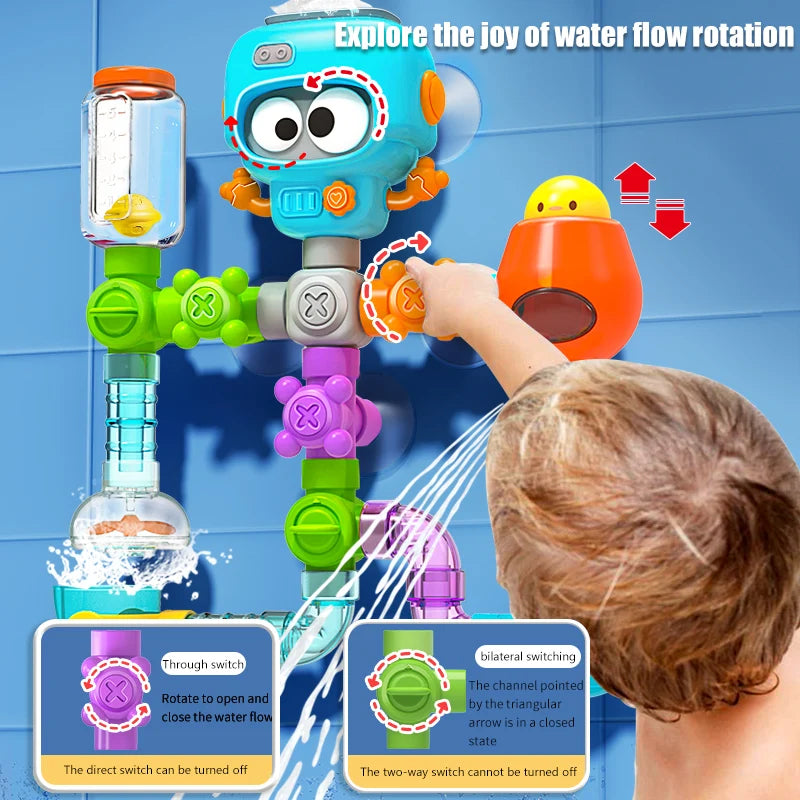
Water play as motor skills toys for 1 year olds 💡 See it in action
Comparison: effective toys vs. passive toys
| Feature | Active motor toys | Passive toys |
|---|---|---|
| Movement required | High | Low |
| Skill progression | Yes | Limited |
| Engagement over time | Long-lasting | Short-lived |
Active toys consistently outperform screen-based or button-only toys when it comes to long-term toy motor skills improvement.
How to choose the right motor skills toys
- Match toys to your child’s current movement stage.
- Look for open-ended play rather than single outcomes.
- Choose safe, durable materials.
- Favor toys that adapt as skills improve.
Exploring curated sets in Baby Growth & Learning can reduce overwhelm and help parents focus on function over hype.
Real parent experiences
Many caregivers notice improvements within weeks: steadier grip, better balance, and longer independent play. One parent shared that after introducing hands-on water play, their toddler began using both hands together for the first time.
These everyday wins show how small design details in motor development toys lead to meaningful progress.
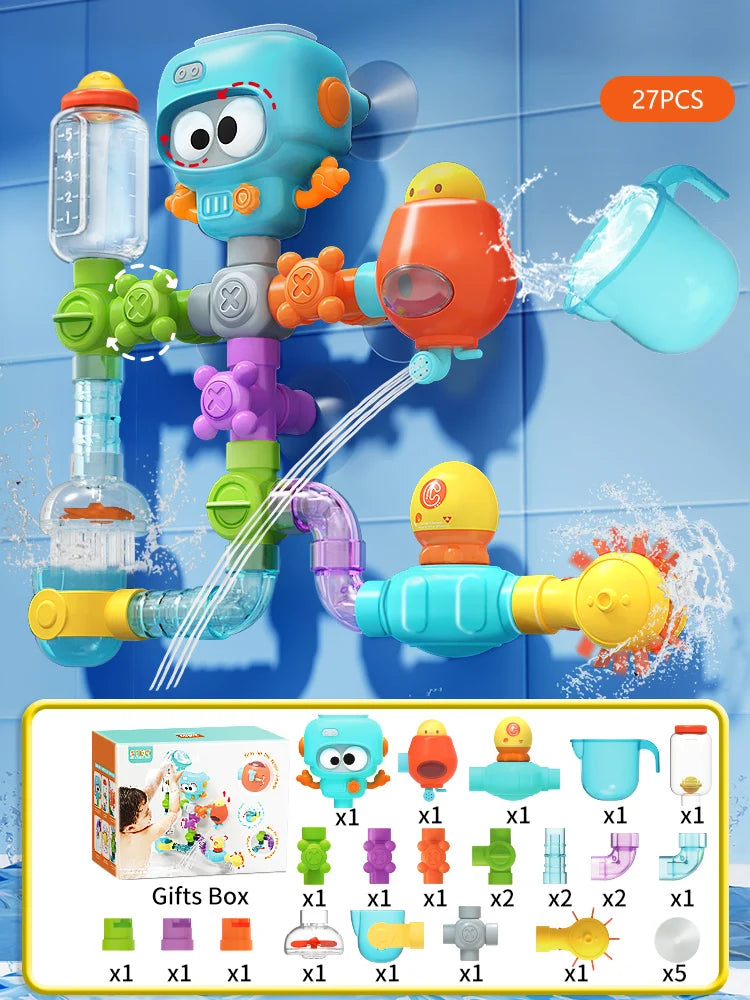
Real motor skills development examples through play 💡 See it in action
Quick FAQ
At what age should children start using motor development toys?
Many motor development toys are suitable from infancy onward. For toddlers, motor skills toys for 1 year olds are especially helpful as children begin walking, grasping, and exploring more independently.
How many motor skills toys does a child need?
Quality matters more than quantity. A few well-designed toys that support multiple movements offer better results than many single-purpose toys.
Can bath toys really help motor development?
Yes. Water play encourages bilateral hand use, timing, and coordination, making bath-based motor development toys surprisingly effective.
Related Guide: STEM Water Play Activities: Why They Enhance Learning





