

Motor Skill Delays: Walking Aids That Help Toddlers Catch Up
Do walking aids help with motor skill delays?
Motor skill delays often improve faster when toddlers use supportive walking aids that build balance, strength, and confidence through daily movement. With consistent practice, the right tools can help children with motor skill delays take steadier steps, improve coordination, and catch up on key milestones in a safe, encouraging way.
Motor Skill Delays: Walking Aids That Help Toddlers Catch Up
Motor skill delays can feel overwhelming for parents, especially when you see other toddlers walking while your child still hesitates. You may wonder if you missed something or if you should intervene sooner. The good news is that many children simply need the right support, encouragement, and tools to help their bodies learn at their own pace.
⏱ 7 min read
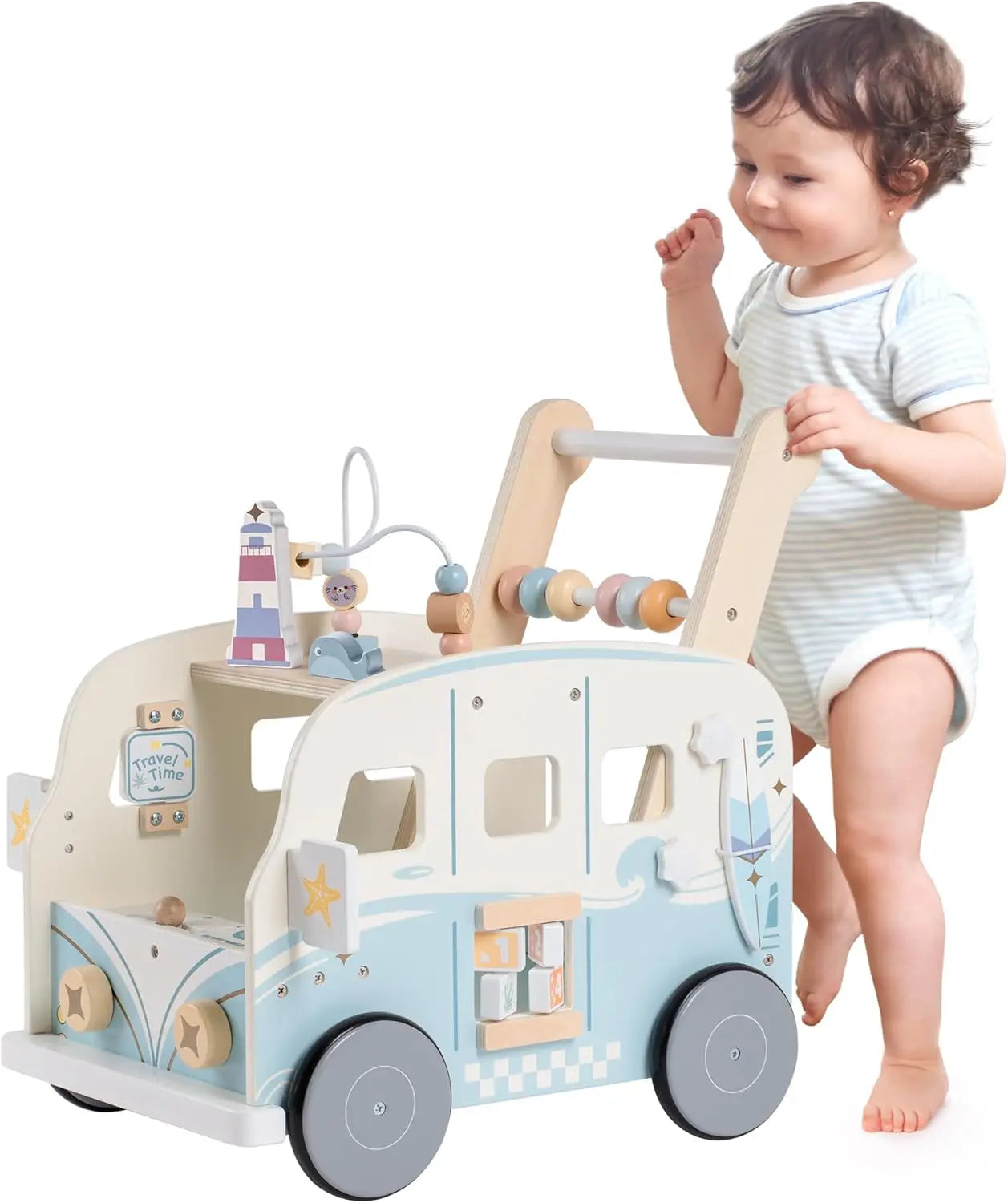
Motor skill delays support with a walker push toy — 💡 See it in action
What Are Motor Skill Delays?
Motor skill delays happen when a child develops movement abilities later than expected. This can include rolling, sitting, crawling, standing, or walking. A motor skills delay in infants does not always mean a long-term problem, but early support often makes daily progress smoother.
Common signs parents notice
- Difficulty pulling up to stand
- Unsteady balance when cruising furniture
- Low confidence taking independent steps
- Preference for sitting rather than exploring
Many pediatric specialists recommend hands-on play and movement-rich environments before more intensive interventions.
Why Walking Aids Help Toddlers Catch Up
Motor skill delays respond well to tools that encourage repeated, safe practice. Walking aids provide stability while still allowing toddlers to control their movement, which is key for learning balance and coordination.
Motor skill delays improve when toddlers practice upright movement with support that encourages balance, leg strength, and confidence. Walking aids allow children to explore safely while repeating natural walking motions, helping their brains and muscles connect more effectively during everyday play.
Key benefits for developing bodies
- Supports upright posture without forcing movement
- Encourages weight shifting and balance control
- Builds leg and core strength through play
- Boosts confidence by reducing fear of falling
Many families pair walking aids with options from Baby Growth & Learning collections to create a consistent movement routine at home.
Best Walking Aids for Motor Development
Walker push toy for balance and confidence
A walker push toy allows toddlers to move forward at their own pace while holding a stable handle. Unlike sit-in walkers, push toys encourage active muscle use and natural posture.
Parents often choose a wooden baby walker because it offers steady resistance, smooth movement, and long-term durability.
Motor development toys that promote movement
Motor development toys combine play with physical learning. Shape sorters, activity panels, and rolling elements encourage toddlers to stand, squat, and step repeatedly.
These toys are commonly found alongside movement-focused options in Mobility & Training and Sensory Toys collections.

Motor development toys paired with a walker push toy — 💡 See it in action
Comparison: push walker vs. ride-on toys
| Feature | Push Walker | Ride-On Toy |
|---|---|---|
| Encourages standing | ✅ Yes | ❌ Limited |
| Builds balance | ✅ High | ⚠️ Moderate |
| Active leg use | ✅ Strong | ❌ Low |
How to Use Walking Aids Safely at Home
Safety and comfort matter just as much as progress. Using walking aids correctly helps avoid frustration and builds trust.
- Start on flat, non-slip surfaces
- Limit sessions to short, positive play periods
- Stay nearby for encouragement and guidance
- Pair with barefoot or grippy socks for stability
Many parents also explore safety-focused options from Health & Safety collections to childproof walking areas.
Real Parent Experiences
One parent shared that after two weeks of daily practice with a push walker, their 14-month-old began taking independent steps across the living room. Another family noticed improved balance and fewer falls after switching from a ride-on toy to a wooden push walker.
These small wins build momentum, helping both toddlers and parents feel more confident each day.
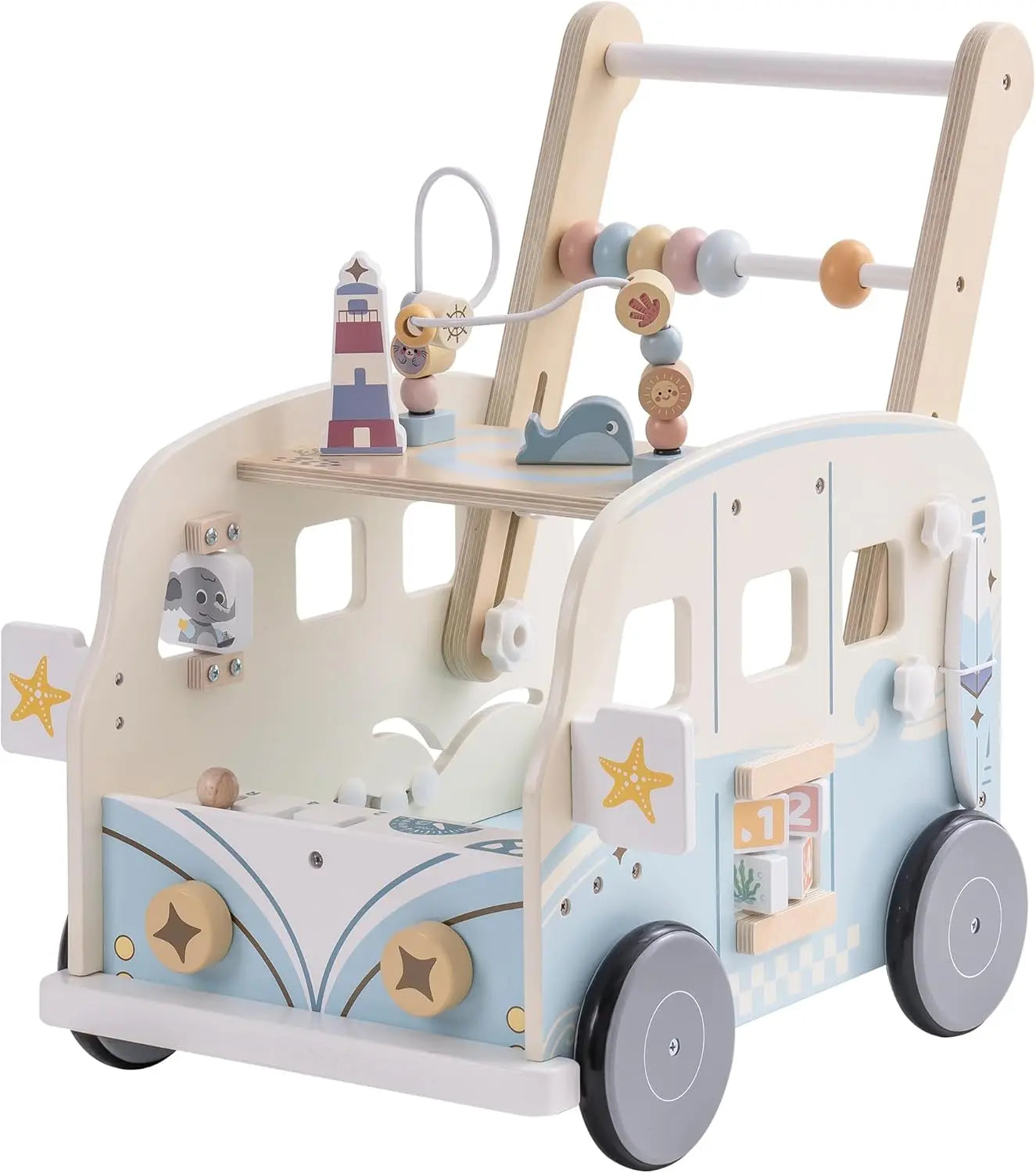
Helping motor skill delays with daily walking practice — 💡 See it in action
Frequently Asked Questions
At what age should I worry about motor skill delays?
Many toddlers develop at different speeds. If walking has not started by 18 months, or balance seems very unstable, discussing supportive tools and routines with a professional can help.
Can a walker push toy replace therapy?
A walker push toy does not replace professional guidance, but it can support daily practice at home and reinforce skills learned during structured sessions.
How long should my toddler use a walking aid each day?
Short sessions of 10–15 minutes, two to three times daily, are usually enough to encourage progress without causing fatigue or frustration.
Related Guide: Developmental Toys for Toddlers That Support Early Walkers





