

Motor Skills for 3 Year Olds Through Active Play
How do motor skills for 3 year olds develop best through play?
Motor skills for 3 year olds improve fastest through active play that combines movement, balance, and problem-solving. Activities like kicking balls, climbing, and aiming at targets strengthen coordination and confidence while keeping learning fun. The right motor skills toys support natural movement without pressure or drills.
Motor Skills for 3 Year Olds Through Active Play
⏱ 6 min read
Motor skills for 3 year olds don’t grow from sitting still or repeating instructions. They grow when kids move, explore, fall, try again, and laugh while doing it. Many parents worry about screen time, short attention spans, or whether their child is “keeping up.” The good news? The right kind of active play quietly builds strength, balance, and coordination—without turning playtime into practice.
Quick question: What if your child’s favorite game could also support balance, coordination, and confidence at the same time?
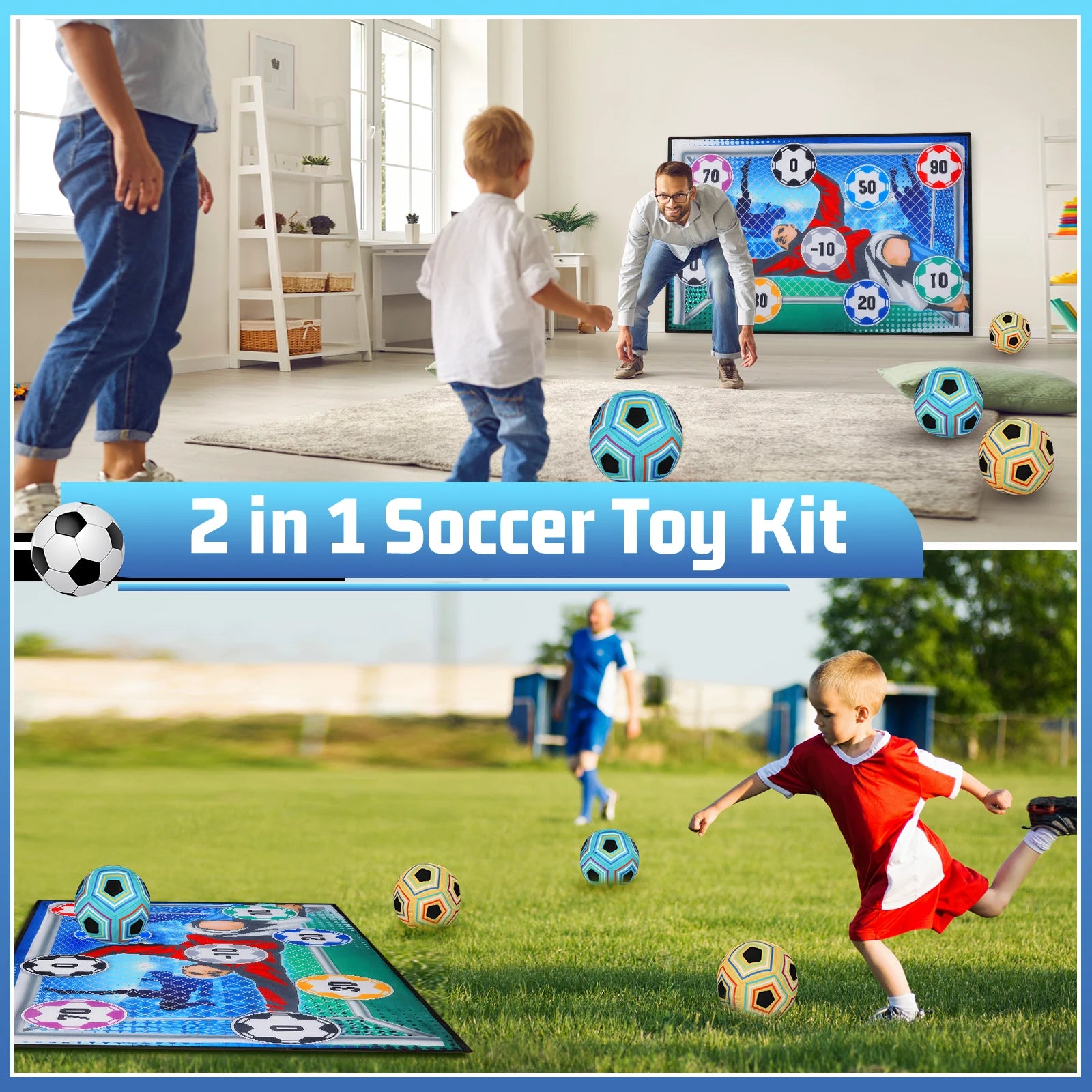
Motor skills for 3 year olds improve through movement-based play — 💡 See it in action
👉 Explore playful movement ideas that make learning feel effortless.
Why Motor Skills Matter at Age 3
Around age three, children experience a major leap in physical ability. They begin running with fewer falls, climbing with intention, and using their hands with more control. These abilities affect far more than play—they influence independence, emotional regulation, and early learning readiness.
Strong motor skills help children:
- Feel confident trying new activities
- Manage daily tasks like dressing and feeding
- Build focus through movement-based learning
- Release energy in healthy, positive ways
This is why many parents browsing Baby Growth & Learning look for tools that support movement, not just quiet play.
What Are Motor Skills for 3 Year Olds?
Motor skills for 3 year olds include both large movements (gross motor) and smaller, controlled actions (fine motor). At this age, development is uneven—and that’s normal. Some children jump confidently while others focus on hand control first.
At age three, common motor milestones include:
- Running, stopping, and turning smoothly
- Jumping with both feet
- Kicking and throwing a ball with aim
- Climbing low structures independently
- Using hands together during play
Toys that combine movement and coordination—often found in Mobility & Training or Sensory Toys—help reinforce these skills naturally.
Why Active Play Works Better Than Structured Practice
Motor skills for 3 year olds develop best when children don’t realize they’re “learning.” Active play keeps attention high while letting kids repeat movements voluntarily. This repetition is what strengthens neural pathways and muscle memory.
- Play reduces pressure and frustration
- Movement improves focus and mood
- Self-led activity builds confidence
- Short bursts match toddler attention spans
Parents often notice fewer tantrums and better sleep when active play becomes part of the daily routine—especially when paired with calming routines from Sleep & Comfort.
Choosing Motor Skills Development Toys That Actually Help
Motor skills development toys work best when they encourage whole-body movement, not passive interaction. The goal isn’t perfection—it’s engagement.
Look for toys that:
- Invite running, kicking, or reaching
- Adjust easily for different ages
- Provide visual targets or goals
- Work indoors and outdoors
Many families also look for overlap with toys for active 2 year olds, allowing siblings to play together while developing at their own pace.
👉 Learn how to match the right movement toy to your child’s energy level.
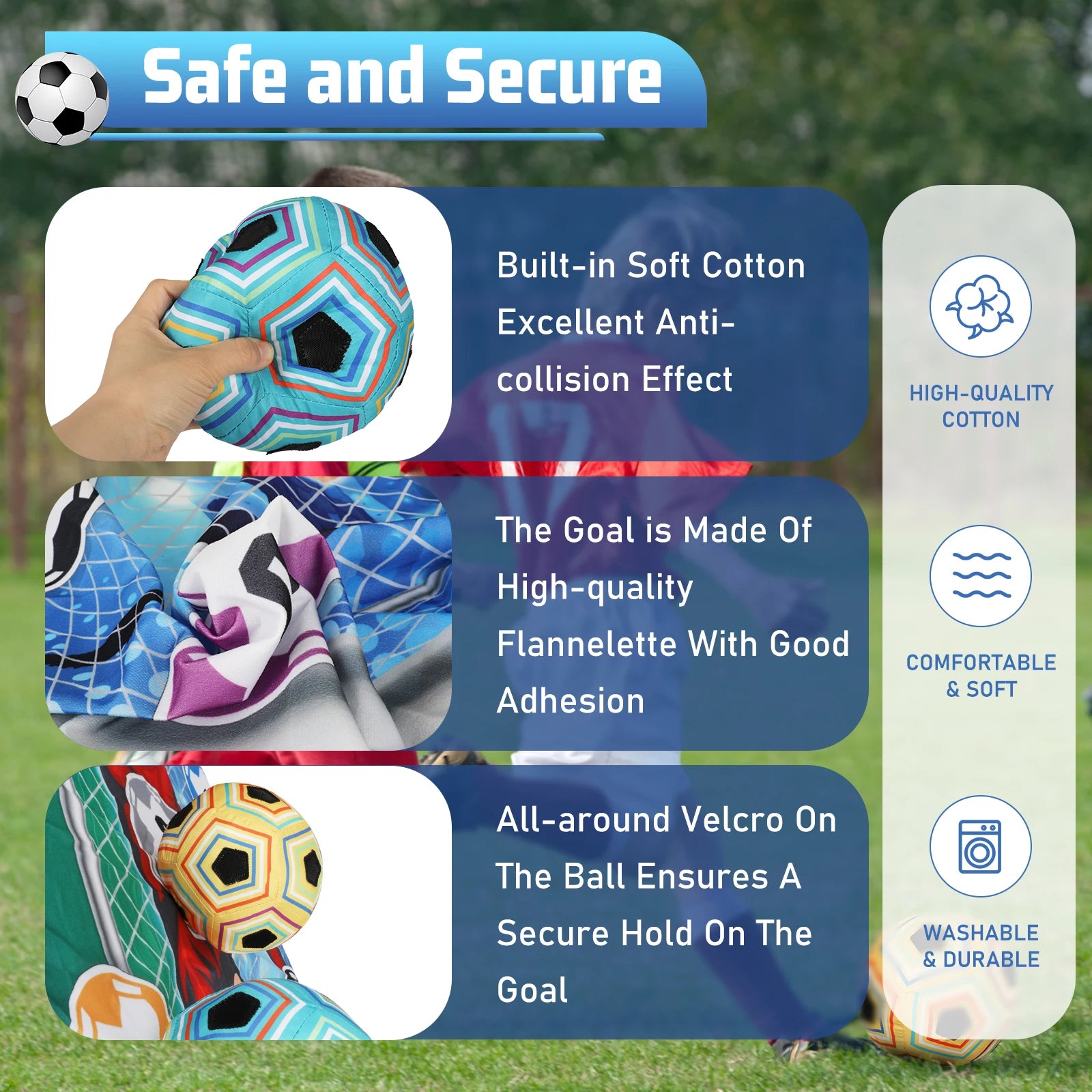
Motor skills development toys that encourage movement and coordination — 💡 See it in action
Using a Sticky Soccer Goal for Everyday Skill Building
Motor skills for 3 year olds improve when games involve aiming, kicking, and quick movement. A sticky soccer goal turns open space into an instant activity zone.
The Kids Soccer Sticky Goal Toy supports:
- Leg strength through repeated kicking
- Hand-eye coordination when throwing
- Balance as kids shift weight and aim
- Problem-solving by choosing targets
Parents appreciate that it sets up in seconds and packs away easily—making it ideal for busy days or small living spaces.
| Skill | How It’s Practiced |
|---|---|
| Balance | Standing, aiming, and kicking |
| Coordination | Throwing and targeting sticky zones |
| Confidence | Visible success with every hit |
Indoor and Outdoor Active Play Ideas That Keep Kids Moving
You don’t need elaborate setups to support motor skills for 3 year olds. Simple changes turn everyday spaces into movement zones.
- Hallway target games on rainy days
- Backyard kicking challenges
- Timed movement games before dinner
- Sibling play using shared targets
For parents focused on safety, pairing active toys with items from Health & Safety helps create a worry-free environment.
👉 Discover easy ways to turn everyday play into movement wins.
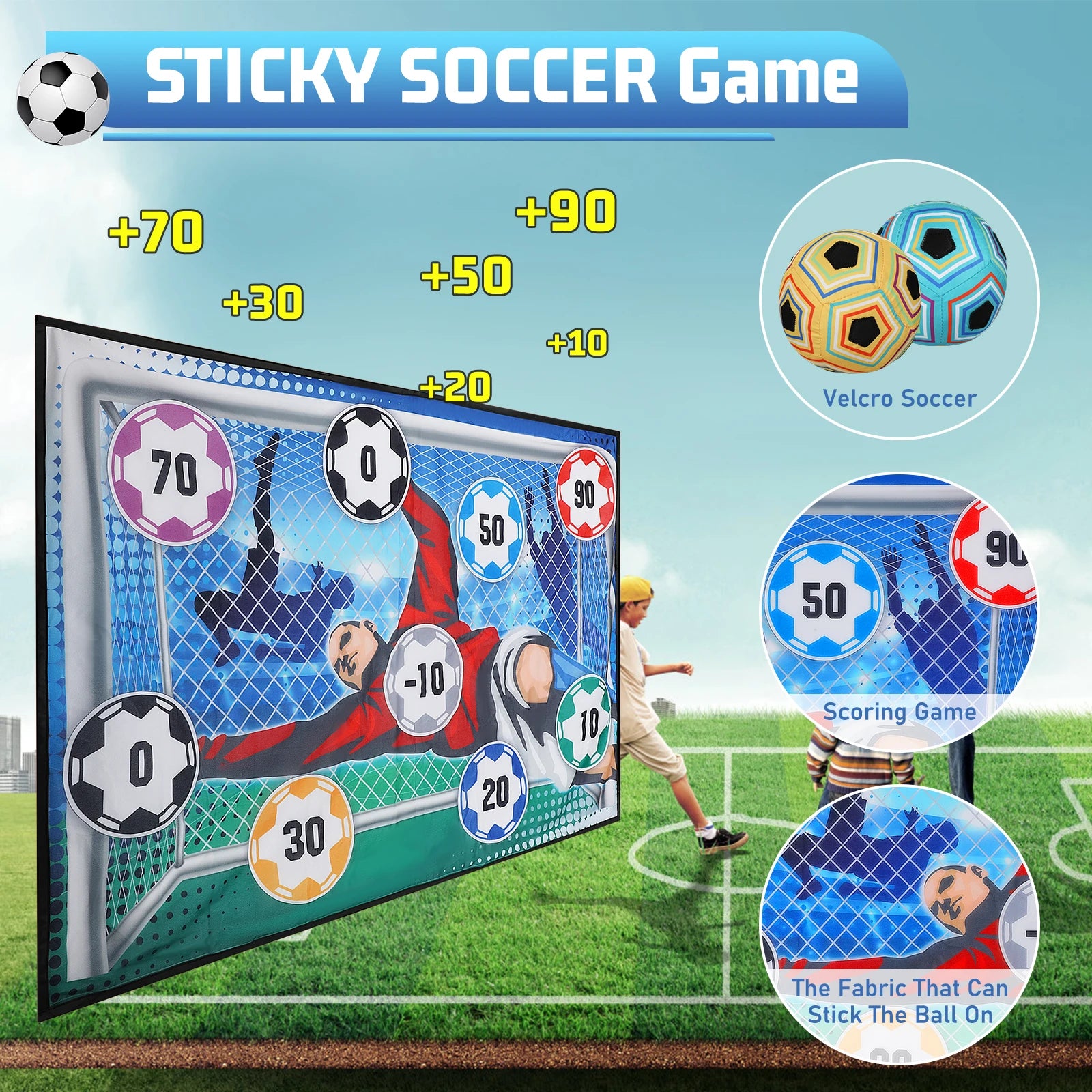
Motor skills toys that grow with your child — 💡 See it in action
Safety, Confidence, and Real Parent Experiences
Parents often share that children become more confident after just a few days of active play. One mom noted her child began initiating games instead of waiting for instructions. Another shared that shared play reduced sibling competition.
When children feel safe and capable, they’re more likely to explore movement on their own—an important step toward independence.
Supportive environments, clear play boundaries, and age-appropriate tools make all the difference.
Frequently Asked Questions
How much active play does a 3 year old need each day?
Most children benefit from at least 60 minutes of active movement spread throughout the day. Short, playful bursts work better than long sessions.
Are motor skills toys useful for younger toddlers too?
Yes. Many motor skills toys also work well as toys for active 2 year olds when adjusted for distance, height, or difficulty.
What if my child loses interest quickly?
That’s normal. Rotate activities, change locations, or join in briefly. Familiar toys often feel new again with small variations.
👉 Bring home a play solution that supports confidence, coordination, and joyful movement today.
Related Guide: Soccer Beginner Training for Kids Who Need Confidence





