

Movement Toys for Young Kids How to Encourage Active Play
Movement Toys for Young Kids: How to Encourage Active Play
⏱ 8 min read
Do movement toys for young kids really help kids stay active and focused?
Movement toys for young kids support healthy physical development by turning everyday play into active movement. They help toddlers and preschoolers improve balance, coordination, and focus while burning energy indoors or outdoors. The right toys make it easier to keep kids moving, engaged, and confident without relying on screens.
If your child seems full of energy one moment and restless or bored the next, you’re not alone. Many parents worry about too much screen time, limited outdoor play, or kids who struggle to sit still. The good news? With the right movement toys for young kids, you can turn that energy into joyful, confidence-building play that supports growing bodies and curious minds.
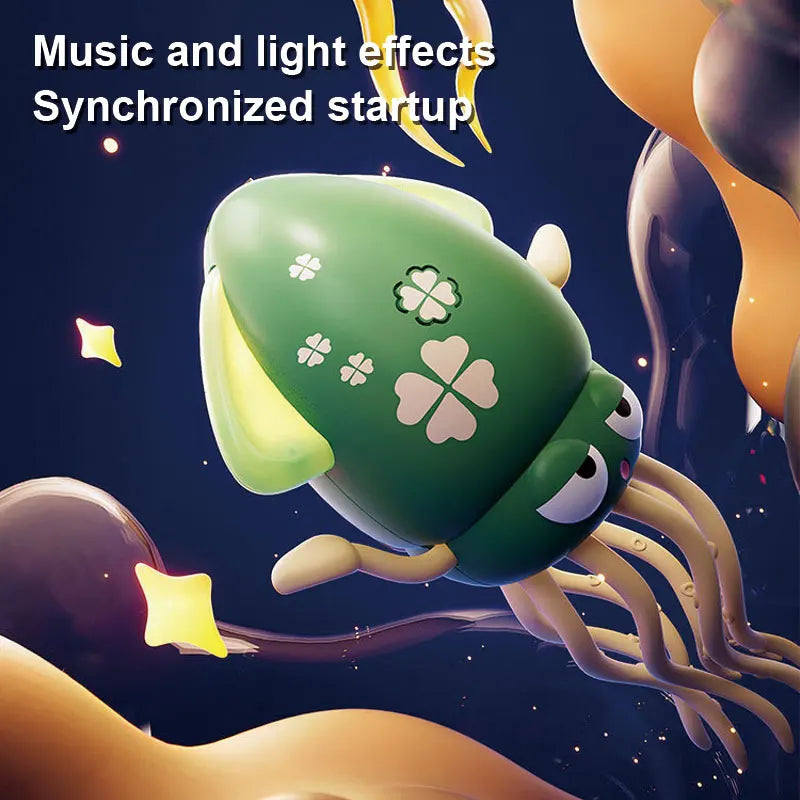
Movement toys for young kids encourage active toys for toddlers and help keep preschoolers engaged 💡 See it in action
Why Movement Matters in Early Childhood
Young children learn through movement. Running, jumping, dancing, and balancing all help build strong muscles and healthy coordination. Movement also supports emotional regulation, helping kids release energy and feel calmer afterward.
- Supports gross motor skill development
- Improves balance and body awareness
- Encourages independence and confidence
- Reduces restlessness and frustration
Parents often notice better sleep and fewer meltdowns when kids have regular chances to move during the day.
How to Choose the Right Movement Toys by Age
Movement toys for young kids work best when they match a child’s developmental stage. Too simple can feel boring, while too challenging may cause frustration.
- Look for open-ended play: Toys that can be used in multiple ways grow with your child.
- Check stability and materials: Non-slip bases and smooth edges matter.
- Consider indoor space: Choose toys that fit safely in your living area.
- Think about attention span: Short, fun bursts of movement work best.
Collections like Baby Growth & Learning and Mobility & Training focus on toys designed to support these stages naturally.
Active Toys for Toddlers: Simple Ways to Get Them Moving
Active toys for toddlers should invite movement without complicated rules. At this age, repetition and imitation are powerful.
Active toys for toddlers encourage walking, crawling, bouncing, and dancing through simple cause-and-effect play. These toys help build early coordination and confidence while letting toddlers explore movement at their own pace.
- Push-and-pull toys for early walkers
- Ride-on toys for leg strength
- Music-based movement toys for rhythm
- Soft climbing or balance toys
Short play sessions throughout the day can make a big difference, especially when outdoor play isn’t possible.
Best Toys for Active 4 Year Olds Who Never Stop Moving
Toys for active 4 year olds need to challenge both body and mind. At this stage, kids enjoy pretend play, games, and structured challenges.
Toys for active 4 year olds support balance, coordination, and focus while giving kids a sense of achievement. These toys channel high energy into purposeful play that keeps preschoolers engaged longer.
| Type | Benefit |
|---|---|
| Balance boards | Improve core strength and stability |
| Dance and rhythm toys | Build timing and coordination |
| Obstacle-style toys | Encourage problem-solving through movement |
Many parents find these toys especially helpful during rainy days or busy schedules.
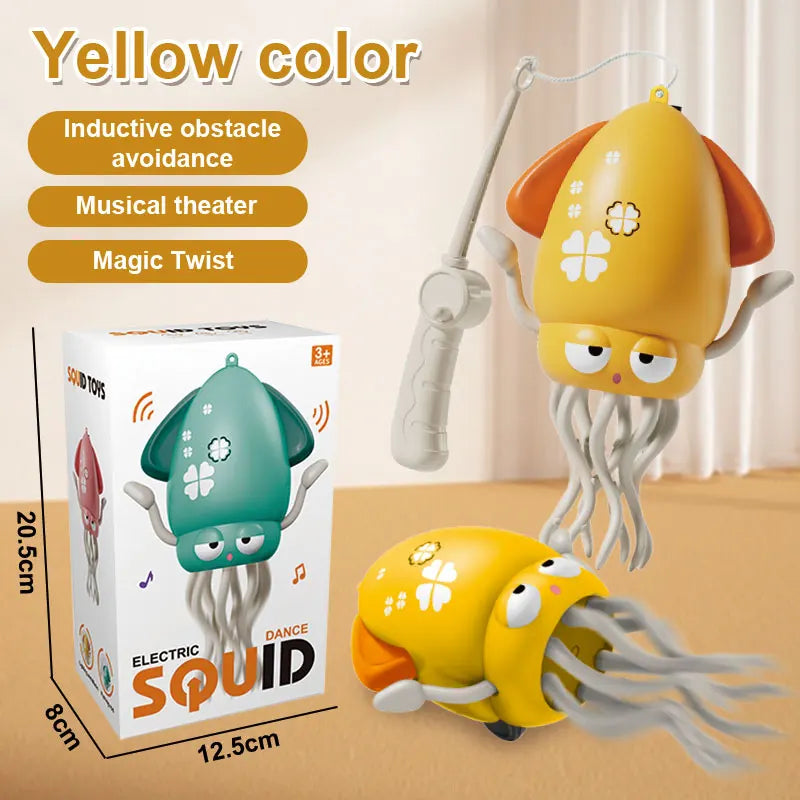
Active toys for toddlers and toys for active 4 year olds make indoor play fun 💡 See it in action
Easy Indoor Setups for Active Play at Home
You don’t need a big playroom to encourage movement. Small changes can create safe, active zones.
- Clear a corner with a soft mat
- Rotate toys weekly to keep interest
- Use music to signal movement time
- Join in for a few minutes to model play
Parents browsing Sensory Toys often combine movement with tactile or sound-based play for longer engagement.
Safety Tips Parents Can Trust
Safety is always a top concern with movement toys for young kids. Choosing age-appropriate designs and supervising play helps reduce risk.
- Use non-slip surfaces
- Avoid sharp edges or hard corners
- Check weight limits and stability
- Supervise new activities
Resources from Health & Safety and Health & Safety Tips can help parents feel more confident about playtime choices.
Keeping Preschoolers Engaged Without Screens
Keeping preschoolers engaged can feel challenging when screens are everywhere. Movement-based play offers a refreshing alternative.
Simple routines help:
- Morning movement to start the day
- Midday active breaks
- Calming movement before bedtime
Parents often report better moods and smoother transitions when movement is part of the daily rhythm.
A Fun Movement Toy Kids Love
Some movement toys stand out because kids naturally want to play with them again and again.
The right movement toy combines music, motion, and interaction to keep kids moving happily. A playful design encourages dancing, jumping, and laughter while supporting coordination and focus.
One popular option is the Dancing Octopus Toy, which responds with movement and sound, inviting kids to follow along.
- Encourages full-body movement
- Engages attention through music
- Easy to use indoors
- Suitable for different ages
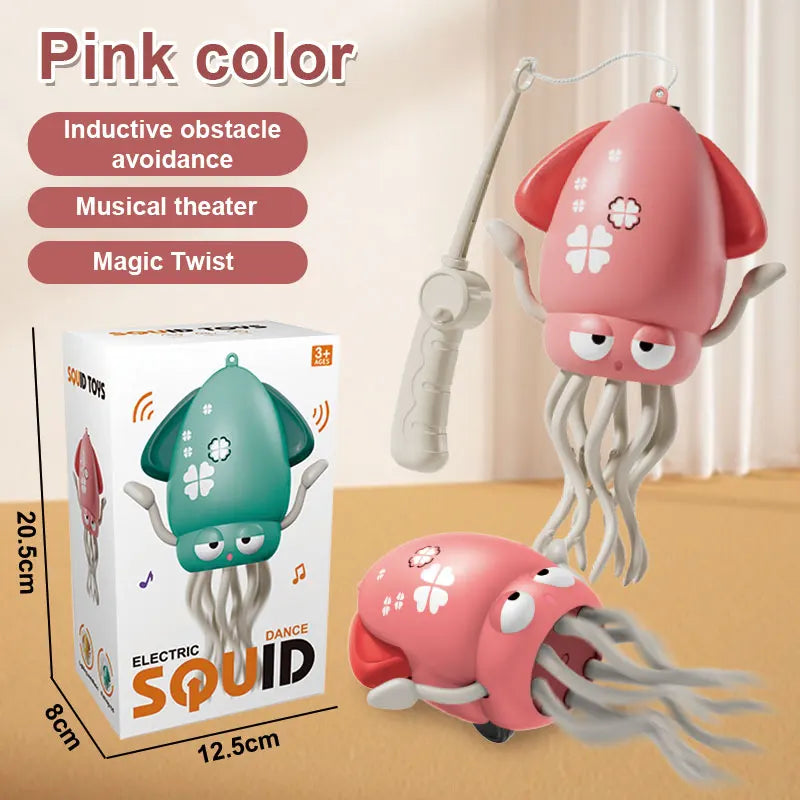
Movement toys for young kids that help keep preschoolers engaged 💡 See it in action
Frequently Asked Questions
What age should kids start using movement toys?
Most children can begin using simple movement toys around 12 months, with supervision. As kids grow, toys can become more challenging to match their skills.
Are movement toys helpful for indoor play?
Yes. Many movement toys for young kids are designed specifically for indoor spaces and help burn energy safely when outdoor play isn’t possible.
How long should kids play with active toys each day?
Short sessions throughout the day work best. Even 10–15 minutes of active play several times daily can support healthy development.
Related Guide: Toys for 2 Year Olds Learning How to Play With Purpose





