

Multi Level Dollhouse Design That Makes Sibling Play Easier
What makes a multi level dollhouse design ideal for siblings playing together?
A multi level dollhouse design gives siblings separate yet connected spaces where they can create stories together without competing for the same area. Multiple floors, open rooms, and realistic furniture encourage cooperative storytelling, role-sharing, communication, and independent creativity. When paired with age-appropriate accessories, this form of educational dollhouse play supports social development, problem-solving, and pretend play learning in a calm, screen-free environment.
Room-by-room layout advantages
Unlike single-room playsets, multi-level layouts allow children to assign different purposes to each floor. One child can organize the kitchen while another manages bedrooms or outdoor spaces, creating connected storylines without interrupting each other's play.
- Separate rooms reduce crowding and disagreements.
- Different play zones encourage collaborative storytelling.
- Children naturally practice planning, communication, and turn-taking.
- Extra rooms keep imaginative play engaging for longer sessions.
Open-sided vs enclosed accessibility
An open-sided dollhouse is generally easier for siblings because children can reach every room without leaning across each other. Enclosed models often provide greater realism but may limit access when multiple children play simultaneously. Before buying, consider:
- How many children will play together regularly.
- Available floor space.
- Whether furniture can be rearranged easily.
- Compatibility with future accessories.
Multi Level Dollhouse Design for Siblings Playing Together
⏱ 6 min read
Do your kids argue over toys or struggle to play together without frustration? Many parents look for screen-free activities that encourage cooperation, creativity, and meaningful conversation. A thoughtfully designed multi level dollhouse creates a shared world where children build stories together while developing communication, empathy, and everyday life skills through imaginative play activities for preschoolers.
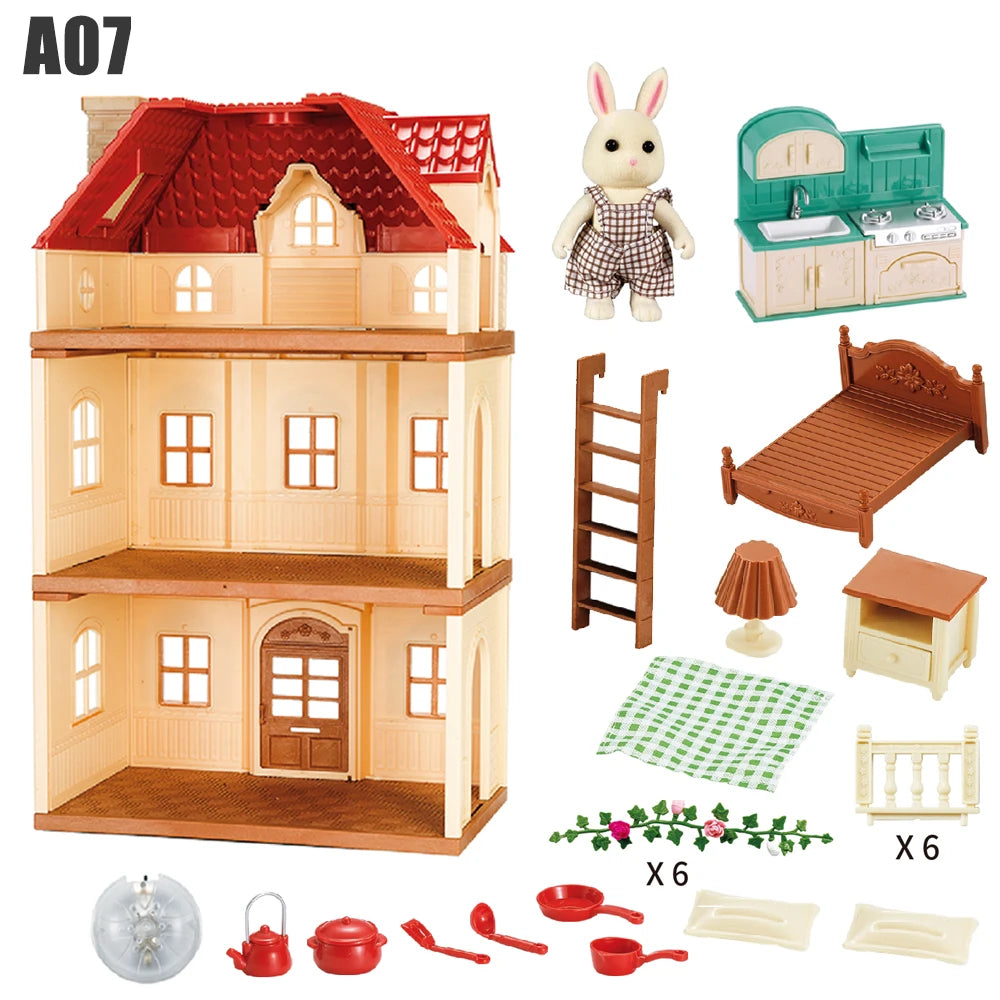
Multi level dollhouse design paired with miniature dollhouse furniture sets inspires longer, calmer play — See it in action
Why Multi Level Dollhouse Design Supports Cooperative Play
A multi level dollhouse design mirrors the way families use real homes. Children naturally divide responsibilities by room or floor while remaining part of one shared story. This balance between independent and collaborative play helps siblings cooperate without constantly competing for the same toys.
The developmental value extends beyond entertainment. Through the benefits of pretend play, children learn to negotiate, solve problems together, and adapt storylines as new ideas emerge. These are valuable foundations for teamwork at home and school.
Key ways multi-level layouts help siblings
- Multiple play zones reduce crowding and conflict.
- Encourages turn-taking and cooperative storytelling.
- Supports different play styles simultaneously.
- Allows independent play while remaining connected.
- Keeps long play sessions engaging with changing scenarios.
How room separation reduces conflicts
Assigning bedrooms, kitchens, living rooms, or gardens to different children creates clear ownership without limiting creativity. Instead of competing over one scene, siblings naturally interact as neighbors, family members, or visitors. These simple arrangements encourage imaginative play activities for preschoolers while reducing common disagreements over sharing.
Families exploring Baby Growth & Learning toys often look for experiences that build social skills naturally. Dollhouses with vertical space do exactly that.
How the Benefits of Pretend Play Show Up Every Day
The benefits of pretend play extend far beyond keeping children occupied. Educational researchers consistently associate imaginative role play with stronger language development, flexible thinking, emotional regulation, and creative problem-solving.
What kids practice during dollhouse play
- Expressing emotions through characters.
- Negotiating roles with siblings.
- Learning daily routines through storytelling.
- Building empathy by exploring different perspectives.
- Creating beginning, middle, and ending story sequences.
Educational dollhouse activities by age
- Ages 3–4: Name rooms, identify colors, practice family routines.
- Ages 4–6: Create stories, solve simple problems, explore emotions.
- Ages 6+: Design neighborhoods, invent adventures, write dialogue, and practice teamwork.
If parents ask, "How can I make dollhouse play more educational for my child?" the answer is simple: encourage storytelling, introduce everyday challenges for the characters to solve, rotate furniture layouts, and ask open-ended questions instead of directing the play. These approaches transform dollhouses into powerful educational dollhouse play experiences.
Many families also combine dollhouse activities with creative learning resources from Sleep & Comfort routines to encourage balanced daily schedules.
Why Woodland Family Role Play Feels So Comforting
Woodland family role play combines gentle animal characters with cozy home settings that naturally encourage slower, more thoughtful storytelling. Forest-inspired themes feel familiar and inviting without overwhelming children with flashing lights or electronic features.
Themes that encourage imaginative storytelling
Children often invent stories around family meals, birthdays, visitors, bedtime routines, or woodland adventures. These familiar scenarios strengthen pretend play learning while helping children process real-life experiences in a safe environment.
Educational pretend play ideas include:
- Preparing meals together.
- Hosting birthday celebrations.
- Caring for baby animals.
- Planning family holidays.
- Helping neighbors solve everyday problems.
How Miniature Dollhouse Furniture Sets Enhance Play
Miniature dollhouse furniture sets transform empty rooms into realistic environments that encourage richer storytelling. Children can arrange bedrooms, kitchens, dining rooms, and living spaces in countless ways, making each play session feel different.
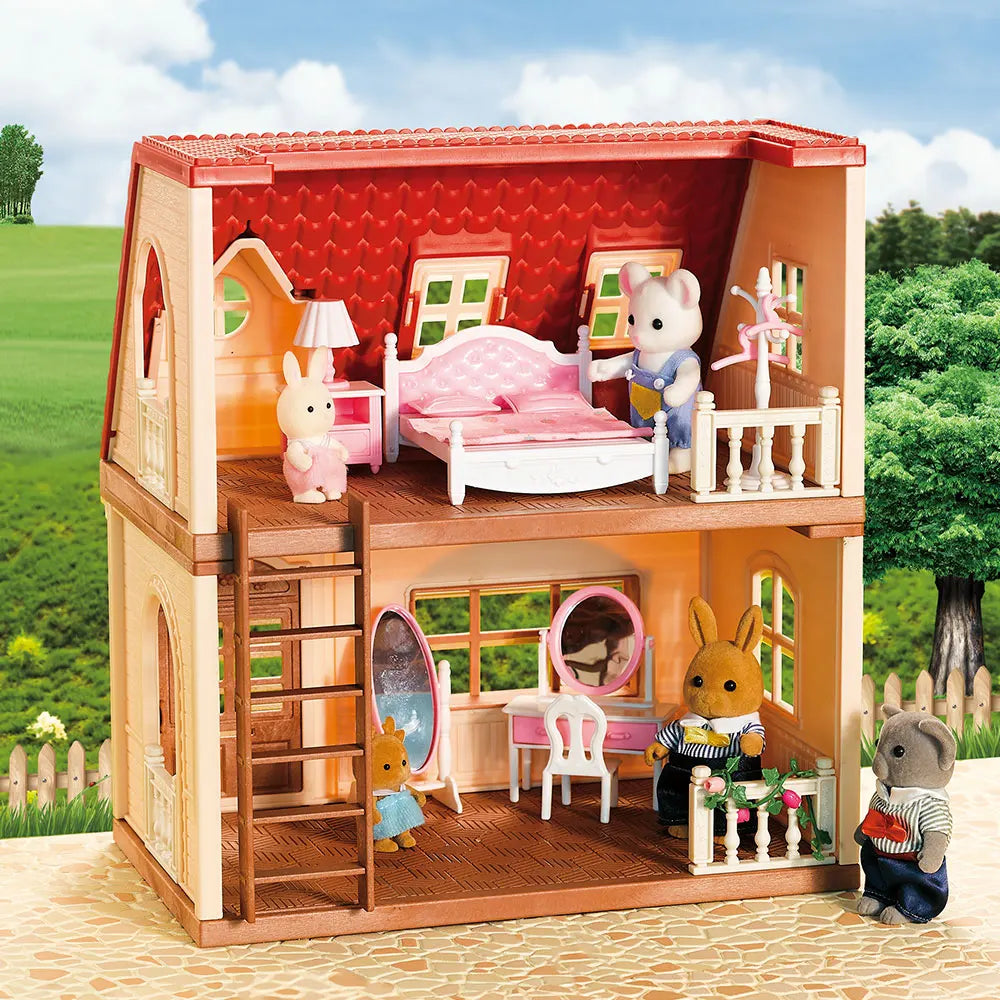
Miniature dollhouse furniture sets make multi level dollhouse design feel real — See it in action
Why furniture matters for shared play
- Encourages fine motor development.
- Supports realistic storytelling.
- Keeps children engaged longer.
- Promotes collaborative setup and cleanup.
- Allows endless room redesigns.
Matching furniture to doll scale
Before purchasing accessories, check the recommended doll scale for the house. Properly sized furniture improves accessibility, keeps rooms functional, and ensures future expansion remains consistent. Choosing compatible pieces also increases the long-term value of a multi level dollhouse design.
Many parents combine dollhouses with sensory-rich products from Sensory Toys collections to create longer, more engaging play sessions.
How to Compare Multi-Level Dollhouse Designs Before Buying
Two-, three-, and four-story layouts
- Two-story: Best for younger children and smaller spaces.
- Three-story: Offers excellent room variety for two siblings.
- Four-story: Ideal for larger families, collectors, or children who enjoy elaborate storytelling.
Dimensions and footprint
Measure both the assembled dollhouse and the surrounding play area. Leave enough room for children to comfortably reach every side without moving the house during play.
Best doll scales for each design
- Small woodland animal families work well in compact houses.
- Medium-sized dolls suit most family dollhouses.
- Larger dolls require wider rooms and taller ceilings for comfortable access.
Wood vs Engineered Wood vs Plastic Dollhouses
| Material | Advantages | Considerations |
|---|---|---|
| Solid wood | Highly durable, stable, long-lasting appearance | Usually heavier and more expensive |
| Engineered wood | Affordable, sturdy, consistent finish | Should be kept dry to maximize lifespan |
| Plastic | Lightweight, easy to clean, portable | May feel less realistic and offer fewer customization options |
Durability
Wooden dollhouses generally withstand years of family use and can often be passed down between siblings.
Maintenance
Dust furniture regularly, wipe surfaces with a slightly damp cloth, and store small accessories in labeled containers after play.
Safety certifications
Choose products made with child-safe finishes, smooth edges, and age-appropriate components that meet recognized toy safety standards in your region.
Best Multi Level Dollhouse Designs by Age and Family Size
Preschoolers
Look for sturdy construction, large rooms, rounded edges, and simple furniture layouts that support dollhouse activities for preschoolers.
School-age children
Older children enjoy additional floors, detailed accessories, customizable layouts, and more complex storytelling opportunities.
Multiple siblings
Three-story or larger open-access houses typically offer the best balance between shared storytelling and individual creativity. Expandable furniture collections allow the dollhouse to evolve as children grow.
How to Choose a Dollhouse That Grows With Your Kids
When selecting a multi level dollhouse design, consider durability, accessibility, available space, and long-term compatibility with miniature dollhouse furniture sets.
Storage and portability
If floor space is limited, choose a model that can be moved easily or stored safely between play sessions.
Assembly difficulty
Review assembly instructions before purchasing. Some larger wooden dollhouses require more setup time but provide greater stability once assembled.
Expandability with accessories
Select a dollhouse that allows additional furniture, figures, or decorative accessories to be added over time. Expandability helps keep the toy engaging through multiple developmental stages.
- Choose sturdy materials for everyday use.
- Select open layouts for sibling access.
- Match furniture to the recommended scale.
- Pick timeless themes that encourage creativity.
- Leave room for future accessories and storytelling ideas.
Families often pair dollhouse play with creative learning tools from Baby Growth & Learning Tips to support balanced development.
Explore the complete experience with the Forest Family Dollhouse Furniture Set, designed to complement multi level dollhouse design and inspire woodland family role play.
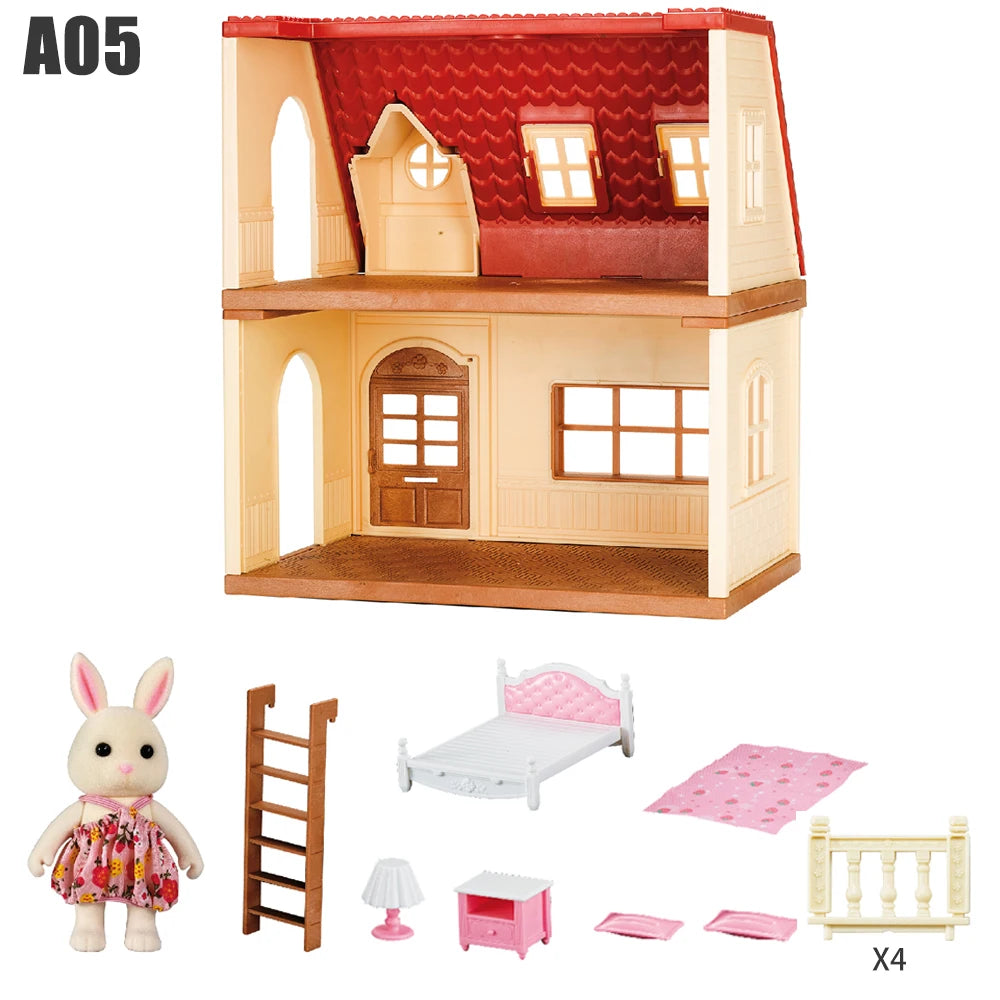
Woodland family role play meets imaginative play activities for preschoolers — See it in action
Quick Questions Parents Ask
Is a multi level dollhouse design suitable for different ages?
Yes. Multiple floors allow younger and older children to play together while choosing age-appropriate rooms, characters, and storylines.
Do miniature dollhouse furniture sets pose safety concerns?
Choose furniture designed for your child's age group, supervise younger children around small pieces, and follow the manufacturer's safety recommendations.
How does pretend play help with sibling bonding?
Shared storytelling encourages communication, compromise, empathy, and teamwork as children solve problems together through imaginative scenarios.
How much space does a multi-level dollhouse need?
Allow enough room for children to comfortably reach every side of the dollhouse and safely move around it during play. Larger models benefit from a dedicated play corner.
Which material lasts the longest?
Well-constructed wooden dollhouses generally provide the greatest durability, while engineered wood offers an excellent balance between cost and longevity. Plastic models are lightweight and easy to maintain but may show wear sooner with heavy daily use.
Related Guide: Imaginative Play for Children Who Need Structure and Creativity





