

No Play Space for Children Solutions That Still Encourage Play
Is it possible to encourage play when there is no play space for children?
No play space for children does not mean kids miss out on learning or fun. With flexible layouts, space-saving toys, and routines that adapt to daily life, children can enjoy creative, active play anywhere in the home. The key is designing play that fits real spaces, not forcing rooms to fit play.
No Play Space for Children Solutions That Still Encourage Play
⏱ 7 min read
No play space for children is one of the most common frustrations parents face today. Apartments feel tight, rooms serve multiple purposes, and toys somehow multiply overnight. But what if meaningful play didn’t require a dedicated room at all? With the right setup, even shared or temporary spaces can support imagination, movement, and calm routines.
Have you ever wondered why your child seems happiest playing in the hallway, under the table, or inside a blanket fort—despite having toys everywhere?
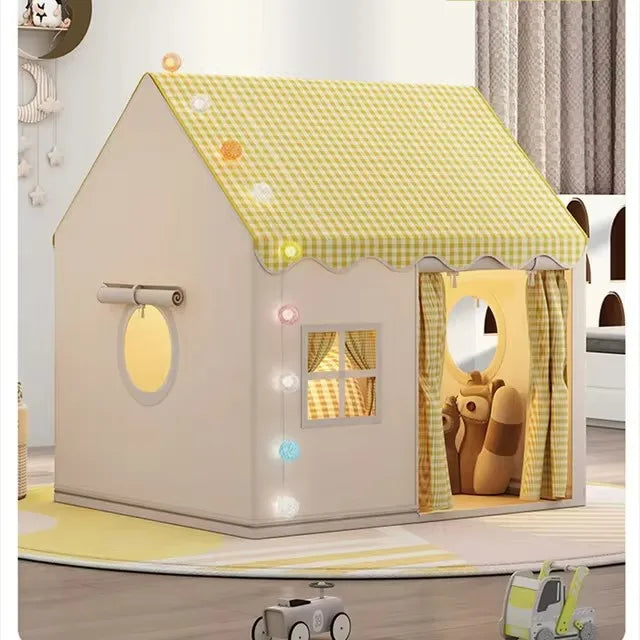
No play space for children can still spark creativity anywhere 💡 See it in action
Why Play Still Thrives Without a Dedicated Room
No play space for children often pushes parents to think creatively—and that’s a good thing. Research and real-life experience show that children benefit more from open-ended play than from perfectly designed rooms.
- Play becomes more imaginative when materials are simple
- Shared spaces encourage social interaction
- Flexible play reduces overstimulation
- Cleanup routines become easier and faster
Parents browsing Baby Growth & Learning resources often notice that developmental benefits come from how children play, not where.
Small Home Solutions That Actually Work
No play space for children requires systems, not clutter. These strategies focus on adaptability and daily routines.
Rotate Instead of Store Everything
Keep only a few toys accessible each week. Store the rest out of sight and rotate. Kids stay engaged longer and rooms feel calmer.
Use Vertical and Hidden Storage
Under-bed bins, wall hooks, and ottomans double as storage. Parents often pair these setups with items from Sensory Toys to keep play purposeful and compact.
Create “Pop-Up” Play Zones
A corner of the living room can become a play area for an hour—and disappear by dinner. Floor mats, tents, or foldable props make this easy.
Playroom Ideas Basement Families Rely On
Playroom ideas basement setups are popular because basements often feel forgotten. With light, warmth, and safety adjustments, they become ideal shared play zones.
No play space for children can be solved by rethinking underused areas like basements, even if they are small or shared.
What Makes a Basement Play Area Work?
- Soft flooring for movement and safety
- Clear bins with simple labels
- Defined zones: reading, building, pretend
- Easy-to-pack-away furniture
Parents often combine these setups with calming routines inspired by Sleep & Comfort collections to help kids transition from play to rest.
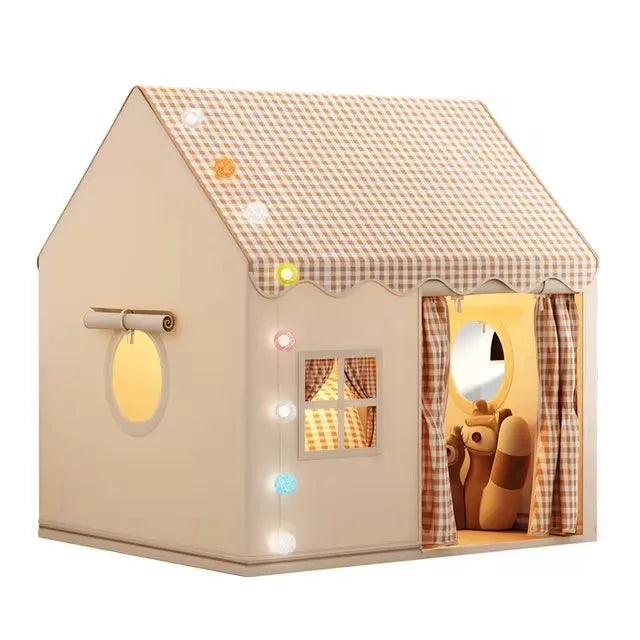
Playroom ideas basement families use every day 💡 See it in action
Pretend Play for 5 Year Olds in Tight Spaces
Pretend play for 5 year olds doesn’t need large props. At this age, children thrive on role play, storytelling, and simple transformations.
No play space for children becomes less limiting when pretend play uses imagination over objects.
- Blankets become castles or shops
- Cardboard boxes turn into vehicles
- Small figures inspire storytelling
- Portable tents create instant worlds
One popular solution is a foldable tent like the kids play tent princess castle, which sets up in minutes and stores flat after use.
Parents exploring Mobility & Training often notice pretend play also improves balance, coordination, and confidence.
Choosing Space-Saving Toys That Grow With Kids
No play space for children means every toy should earn its place. The best options adapt across ages and uses.
| Feature | Why It Matters |
|---|---|
| Foldable or collapsible | Easy storage in small homes |
| Open-ended use | Supports creativity over time |
| Lightweight | Kids can set up independently |
| Durable materials | Handles daily setup and takedown |
Families often browse Baby Care Essentials and Health & Safety to balance fun with peace of mind.
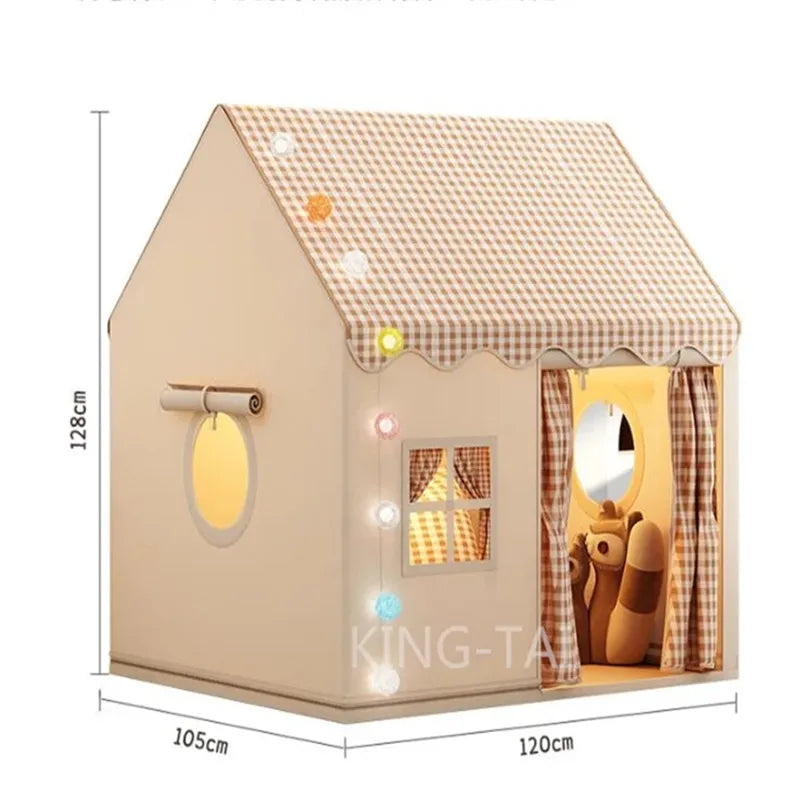
Pretend play for 5 year olds made simple 💡 See it in action
Real Parent Stories and Practical Wins
“We live in a two-bedroom apartment with no playroom,” shares a mom of two. “Once we stopped trying to force a space and started using pop-up play, everything felt easier.”
Another parent noted that rotating toys reduced mess and meltdowns within weeks.
Many families pair play routines with calm-down habits inspired by Massage & Relaxation to help children self-regulate after active play.
Frequently Asked Questions
How do you handle no play space for children in small apartments?
No play space for children works best when play is flexible. Use foldable toys, rotate materials weekly, and allow play to happen in shared areas like living rooms or hallways.
Are basement play areas safe for young kids?
Yes, when properly set up. Focus on soft flooring, good lighting, and clear organization. Many parents combine basement setups with safety-focused items from trusted collections.
What supports pretend play for 5 year olds without clutter?
Pretend play for 5 year olds thrives with simple props like tents, costumes, and open-ended toys that store flat and adapt to different stories.
Related Guide: Small Apartment Kids Activities That Fit Real Family Life





