

BPA Free Toys Worth Buying for Safer Everyday Play
What is a non toxic BPA free toy?
A non toxic BPA free toy is designed without bisphenol A (BPA) and other concerning chemicals that may transfer from materials into a child’s mouth, hands, or skin. The safest options use clearly identified materials such as food-grade silicone, natural rubber, untreated wood, or PP plastic BPA free construction combined with smooth finishes and age-appropriate designs.
Best BPA-Free Toys for Babies and Toddlers (2026): Safest Picks Reviewed
⏱ 8 min read
Choosing baby toys is about more than colors and entertainment. Babies chew, touch, drop, and explore everything around them, making material safety an important part of everyday play. This guide reviews the best bpa free toys, explains what labels really mean, compares safer materials, and helps parents choose non toxic baby toys with confidence.
Which toys are actually safe for babies to use every day? From teething toys to sensory play options, the right choice depends on materials, age range, durability, and safety features.
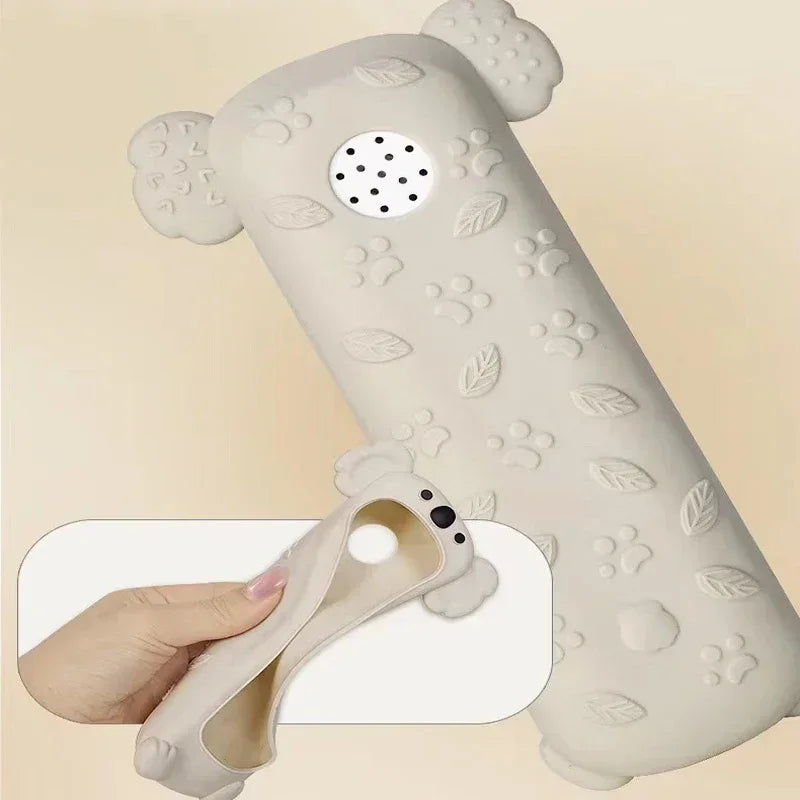
A closer look at non toxic BPA free toy materials parents trust See it in action
Best BPA-Free Toys for Babies and Toddlers (2026)
The best bpa free toys for babies combine safer materials, developmental benefits, and practical designs parents can use every day. While no toy choice replaces proper supervision, selecting toys made with trusted materials can help reduce unnecessary chemical exposure.
Best BPA-free toys for newborns: Infant TV Remote Control Toy
The Infant TV Remote Control Toy is designed for babies who are beginning to grasp, press, and explore objects around them. Unlike a real remote control, this baby-friendly version provides interactive play without exposing infants to household electronics.
- Best for: Early sensory exploration and cause-and-effect learning
- Material overview: BPA-free plastic construction designed for frequent handling
- Safety features: Smooth edges and lightweight design for small hands
- Pros: Easy to grip, encourages interaction, durable for daily play
- Cons: Best suited for younger children rather than advanced toddler play
Learn more about this non toxic BPA free toy
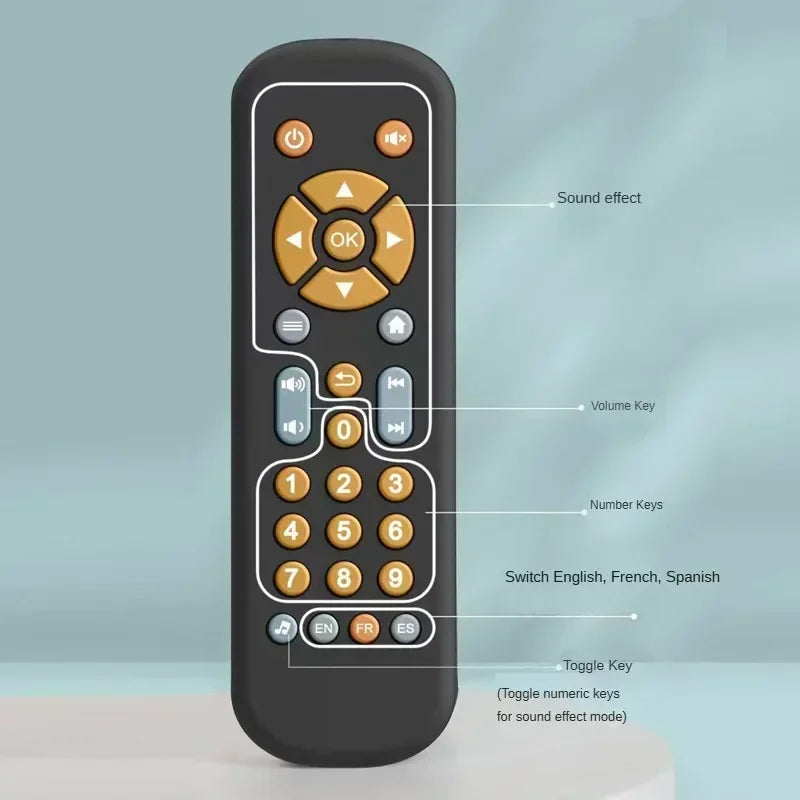
Everyday play with bpa free toys built for curious hands See it in action
Best BPA-free teething toy
Teething toys should be soft enough for sore gums while remaining durable enough for repeated chewing. Look for bpa free baby toys made from food-grade silicone or natural rubber because these materials are easy to clean and designed for frequent contact.
- Soft textures can provide comfort during teething
- Simple shapes are easier for babies to hold
- One-piece designs reduce areas where bacteria can collect
Best BPA-free sensory toy
Sensory toys help babies explore textures, sounds, and movement. Safer sensory products are commonly made from silicone, BPA-free plastics, or other baby-friendly materials.
These toys work well alongside items in the Sensory Toys collection, especially during tummy time and early developmental play.
- Supports fine motor skills
- Encourages independent exploration
- Provides tactile and visual stimulation
Best BPA-free educational toy
Educational toys should encourage learning without overwhelming young children. Interactive buttons, simple puzzles, and activity toys made from safer materials can support problem-solving and early development.
Best BPA-free bath toy
Bath toys require extra attention because trapped moisture can encourage mold growth. Choose designs that are easy to rinse, dry completely, and avoid hidden openings that collect water.
Quick Comparison Table
| Toy Type | Age Range | Primary Material | BPA/Phthalate Status | Best Use Case | Cleaning Method |
|---|---|---|---|---|---|
| Infant TV Remote Control Toy | 6+ months | BPA-free plastic | BPA-free construction | Interactive learning and grasping | Wipe clean with mild soap |
| Silicone Teething Toy | 3+ months | Food-grade silicone | Typically BPA and phthalate-free | Teething comfort | Wash with warm water |
| Sensory Baby Toy | 6+ months | Silicone or BPA-free plastic | Look for verified safety labels | Texture and sensory play | Follow manufacturer instructions |
| Wood Learning Toy | 12+ months | Untreated wood | Check paint and finish safety | Problem-solving activities | Surface wipe only |
What Does BPA-Free Mean in Baby Toys?
BPA-free toys meaning
BPA-free toys meaning refers to toys manufactured without bisphenol A, a chemical historically used in some plastics. A BPA-free label indicates that BPA was not intentionally added during production.
BPA-free vs non-toxic
BPA-free and non-toxic are not identical terms. A toy can be BPA-free while still requiring parents to check for other materials, dyes, finishes, and additives. Truly non toxic baby toys focus on the overall safety of materials and construction.
Why BPA-free does not guarantee complete safety
A BPA-free label is only one part of evaluating toy safety. Parents should also consider:
- Whether the toy is phthalate free
- Whether materials are clearly disclosed
- Whether the design matches the child’s age
- Whether the product meets applicable safety standards
Why BPA-Free Toys Matter for Babies and Infants
Why mouthing behavior matters
Babies naturally learn through their mouths. During teething and early exploration, frequent contact with toy surfaces makes choosing bpa free infant toys an important consideration for many families.
Common sources of BPA exposure
BPA concerns are often connected with certain plastics and product materials. Choosing baby toys without bpa, especially for objects frequently chewed or handled, helps parents reduce avoidable exposure.
- Frequent mouthing increases toy contact time
- Heat and wear may affect older plastic products
- Damaged toys may create additional safety concerns
Best BPA-Free Materials for Toys
Food-grade silicone
Food-grade silicone is popular for teething toys because it is soft, flexible, and easy to clean when properly manufactured.
Natural rubber
Natural rubber provides a soft texture that many babies enjoy. Parents should check whether the product uses safe coatings and finishes.
Untreated wood
Wooden toys can be durable and long-lasting when made with child-safe finishes and smooth surfaces.
BPA-free PP plastic
PP plastic BPA free options are commonly used in baby products because polypropylene is lightweight, durable, and resistant to everyday use.
What materials to avoid
Parents may prefer to avoid toys with unclear material information, strong chemical smells, peeling finishes, or damaged surfaces.
How We Selected and Evaluated These Toys
Our evaluation focuses on practical factors parents consider when choosing safe and bpa-free toys:
- Material verification: Clear information about plastics, silicone, rubber, or wood used
- Safety standards: Attention to manufacturer safety claims and testing information
- Age appropriateness: Designs suitable for different developmental stages
- Parent usability: Easy cleaning, durability, and everyday practicality
How to Pick Toxic-Free Toys for Your Child
Safety certifications to look for
Reliable safety information can include compliance testing, age recommendations, and clear material disclosures. Certification requirements vary by region, so parents should review product details carefully.
Age-appropriate choices
Select toys based on current skills rather than buying only for appearance. Younger babies benefit from grasping and sensory toys, while toddlers may enjoy problem-solving activities.
Checking labels
Look for terms such as:
- BPA-free
- Phthalate free toys
- PVC-free when applicable
- Food-grade silicone
When to replace toys
Replace toys that show cracks, broken parts, peeling surfaces, or damage that affects safety.
BPA-Free vs Phthalate-Free vs PVC-Free Toys
| Label | What It Means | Why It Matters |
|---|---|---|
| BPA-free | No bisphenol A added | Addresses BPA concerns in plastic materials |
| Phthalate-free | No certain plastic-softening chemicals | Important for flexible plastic products |
| PVC-free | No polyvinyl chloride material | Helps parents seeking alternative materials |
Cleaning and Maintaining BPA-Free Toys
- Follow the manufacturer’s cleaning instructions
- Wash silicone toys with warm soapy water
- Dry bath toys completely after use
- Inspect toys regularly for cracks or damage
- Store toys in a dry, clean area
Frequently Asked Questions
Are all BPA-free toys non-toxic?
No. BPA-free only means the product does not contain BPA. A higher-quality non toxic baby toy should also use safer materials, avoid unnecessary additives, and provide clear safety information.
Do BPA-free toys support learning and development?
Yes. Safe educational toys can encourage fine motor skills, sensory exploration, communication, and problem-solving while providing age-appropriate play.
Is PP plastic BPA-free durable enough for daily play?
Yes. BPA-free polypropylene is widely used because it is lightweight, strong, and suitable for repeated handling and cleaning when properly manufactured.
Are Fisher-Price toys BPA-free?
Many Fisher-Price products are designed to meet applicable toy safety standards, but parents should check the specific product information because materials and features vary by toy.
Are VTech toys BPA-free?
VTech products vary by model. Parents should review the individual toy’s material details and manufacturer safety information before purchasing.
How can I tell if a baby toy is truly BPA-free?
Check product descriptions, packaging labels, manufacturer information, and safety documentation. A trustworthy product should clearly state material details rather than only making general safety claims.
Related Guide: Infant Interactive Toys: Best Options Compared for Safe Play





