

Outdoor Games for Families That Build Skills Through Play
What are the best outdoor games for families to build skills through play?
Outdoor games for families help children and adults develop coordination, communication, and confidence while staying active together. By choosing simple, age-flexible games and active play toys, families can enjoy fun screen free activities that support physical development, teamwork, and emotional bonding with minimal setup.
⏱ 6 min read
Outdoor Games for Families That Build Skills Through Play
Outdoor games for families are more than a way to burn energy—they’re an easy, joyful path to learning real-life skills together. Whether you’re guiding active play ideas for preschoolers or looking for fun screen free activities that pull everyone outside, the right games can strengthen bodies, minds, and family bonds all at once.
Ever notice how kids learn best when they don’t realize they’re learning? That’s the magic of outdoor play.
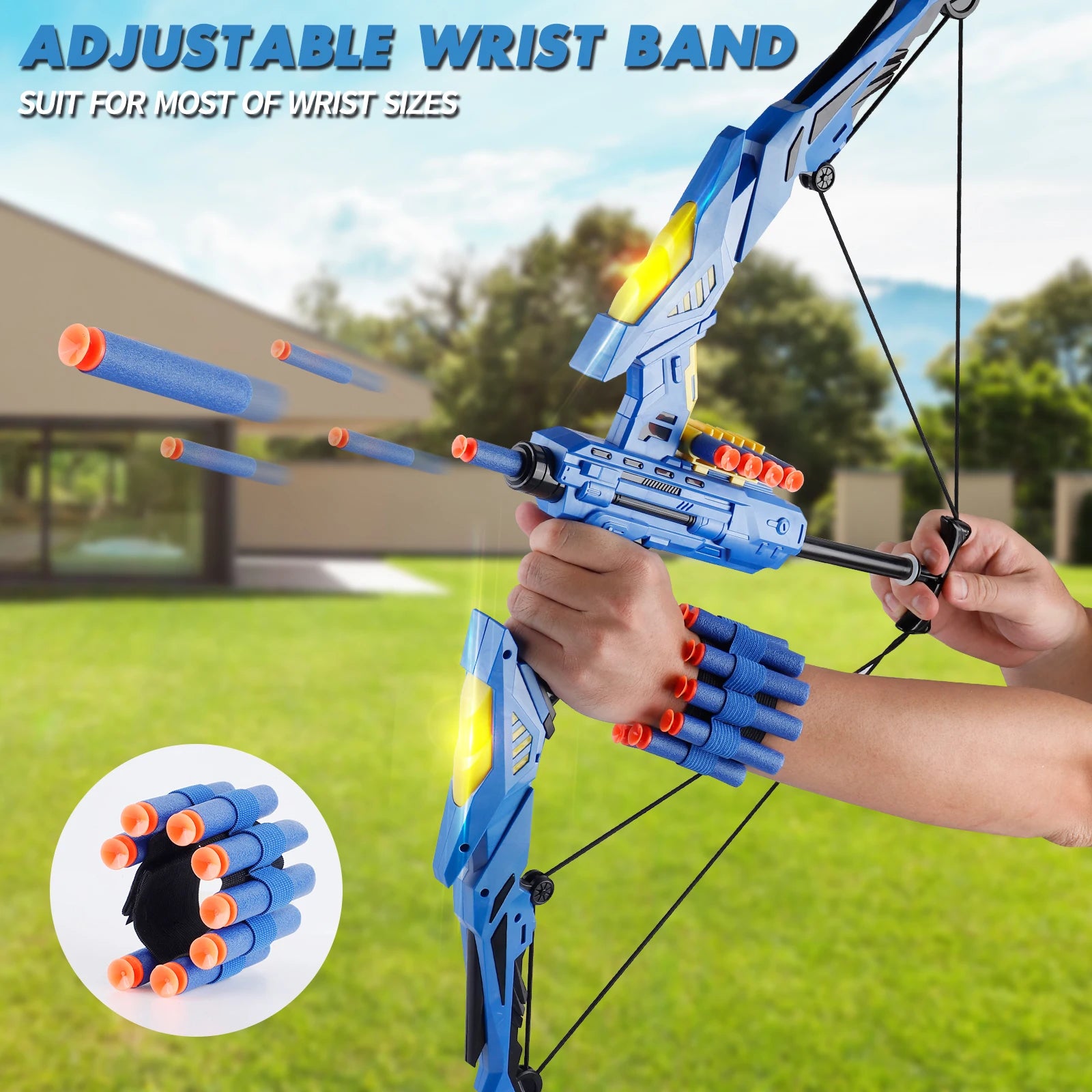
Outdoor games for families turn fun screen free activities into skill-building moments 💡 See it in action
Why Outdoor Games Matter for Growing Families
Outdoor games for families create shared experiences that indoor routines rarely match. Fresh air, open space, and movement help kids regulate emotions, improve sleep, and focus better—while parents get meaningful connection time without complicated planning.
- Encourages natural movement and coordination
- Reduces daily screen reliance
- Builds communication through shared goals
- Supports emotional regulation and confidence
Families often say the biggest challenge isn’t knowing outdoor play is helpful—it’s finding ideas that actually work for different ages. That’s where thoughtful game choices and simple active play toys come in.
What Skills Do Outdoor Games for Families Build?
Outdoor games for families support whole-child development by blending physical activity with social interaction. Through playful challenges, kids practice skills that directly translate into everyday life, from problem-solving to teamwork.
Physical Skills That Grow Naturally
- Balance and coordination from running, jumping, and aiming
- Fine motor control through throwing, catching, and targeting
- Body awareness and spatial judgment
- Strength and endurance through repeated movement
Social and Emotional Skills
- Turn-taking and patience
- Listening and following rules
- Managing excitement and frustration
- Confidence from small wins and encouragement
Parents often notice that children who regularly engage in active outdoor play show improved focus and calmer behavior indoors—especially after high-energy play sessions.
Best Outdoor Games for Families by Age
Outdoor games for families work best when they’re flexible. The goal isn’t perfection—it’s participation. These ideas scale easily so everyone feels included.
Active Play Ideas for Preschoolers (Ages 2–5)
Outdoor games for families with preschoolers should focus on exploration and simple movement rather than competition. Short bursts of play work best for developing attention spans.
- Obstacle courses using cones, boxes, or chalk paths
- Bubble chasing and popping games
- Target toss with soft balls or bean bags
- Nature scavenger hunts
Pairing these activities with items from Sensory Toys can enhance engagement and help young children stay focused longer.
Elementary-Age Kids (Ages 6–9)
- Relay races with family teams
- Simple archery or target practice games
- Tag variations with safe boundaries
- Balance challenges using lines or low beams
Games that involve aiming and precision are especially helpful at this age. A kids archery set adds structure while still feeling like pure fun.
Older Kids and Mixed-Age Groups
- Family tournaments with rotating roles
- Team strategy games
- Outdoor skill challenges with scorecards
- Creative free play with loose rules
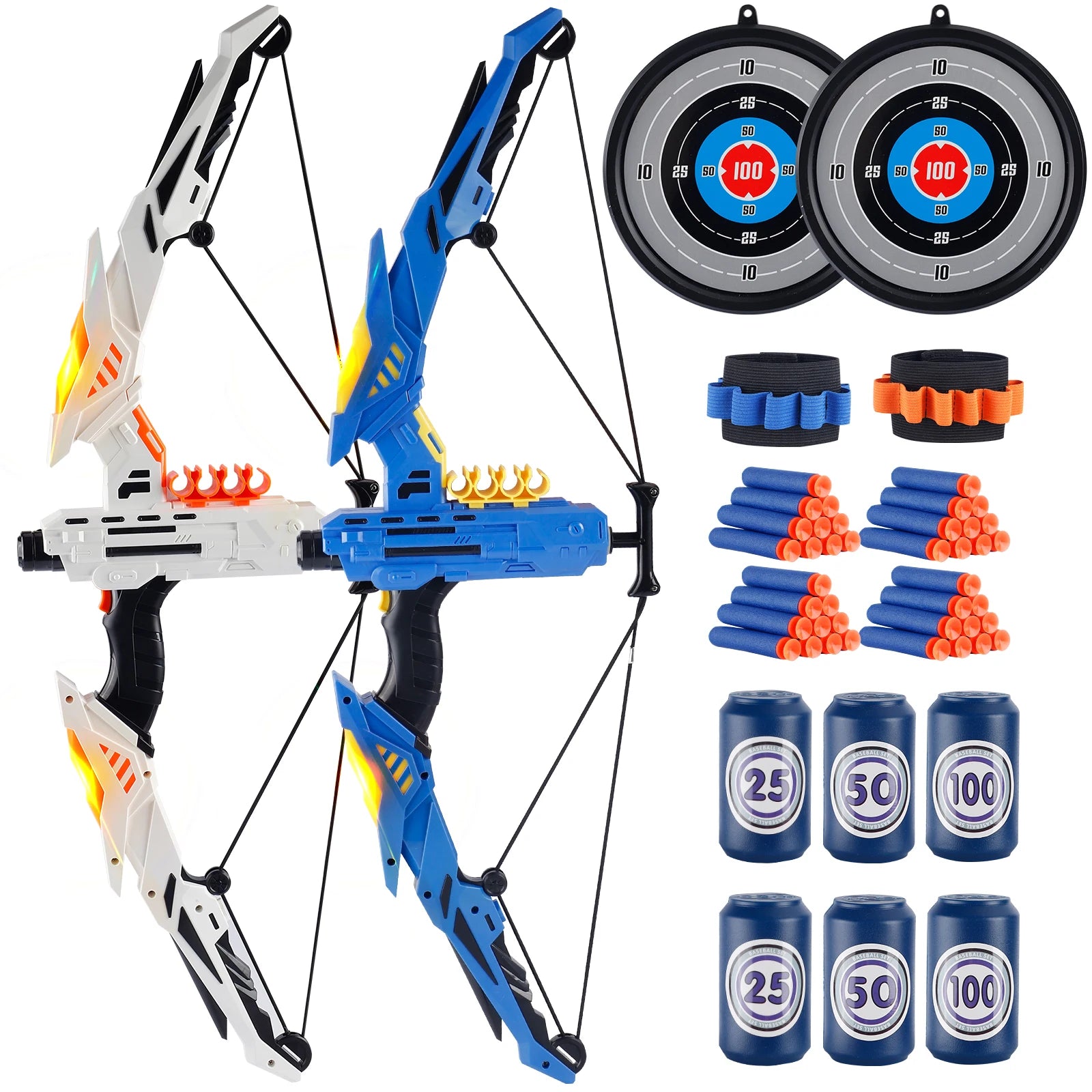
Active play ideas for preschoolers and older kids using fun screen free activities 💡 See it in action
Active Play Toys That Make Outdoor Fun Easier
Outdoor games for families don’t require a backyard full of equipment. A few well-chosen active play toys can unlock dozens of play scenarios while keeping storage simple.
- Target-based toys for focus and coordination
- Lightweight items kids can carry independently
- Durable materials for outdoor use
- Clear visual goals to keep kids engaged
Many parents find that combining outdoor games with learning-focused collections like Baby Growth & Learning helps reinforce developmental milestones without pressure.
Why Target Games Are a Family Favorite
Target games encourage patience, hand-eye coordination, and self-regulation. Kids learn to slow down, aim carefully, and celebrate progress—skills that transfer into school and daily routines.
| Benefit | How It Helps Kids |
|---|---|
| Focus | Improves attention span through intentional movement |
| Confidence | Builds self-esteem with achievable challenges |
| Coordination | Strengthens fine and gross motor skills |
How to Make Screen Free Outdoor Time Stick
Outdoor games for families succeed when they feel easy and rewarding. Consistency matters more than duration—short, regular play sessions are more effective than occasional long ones.
- Set predictable outdoor play times
- Let kids help choose the game
- Join in as a participant, not a referee
- End on a positive note before fatigue sets in
Families who treat outdoor play as connection time—not a task—often see less resistance and more enthusiasm over time.
Safety and Comfort Tips for Outdoor Family Play
Comfort and safety help kids relax and enjoy play longer. Preparing ahead removes common barriers that cause early meltdowns or frustration.
- Dress kids in weather-appropriate layers
- Keep water easily accessible
- Set clear play boundaries
- Use protective gear when needed
For families with younger children, pairing playtime with practical support from Health & Safety and Mobility & Training collections can help everyone feel more confident outdoors.
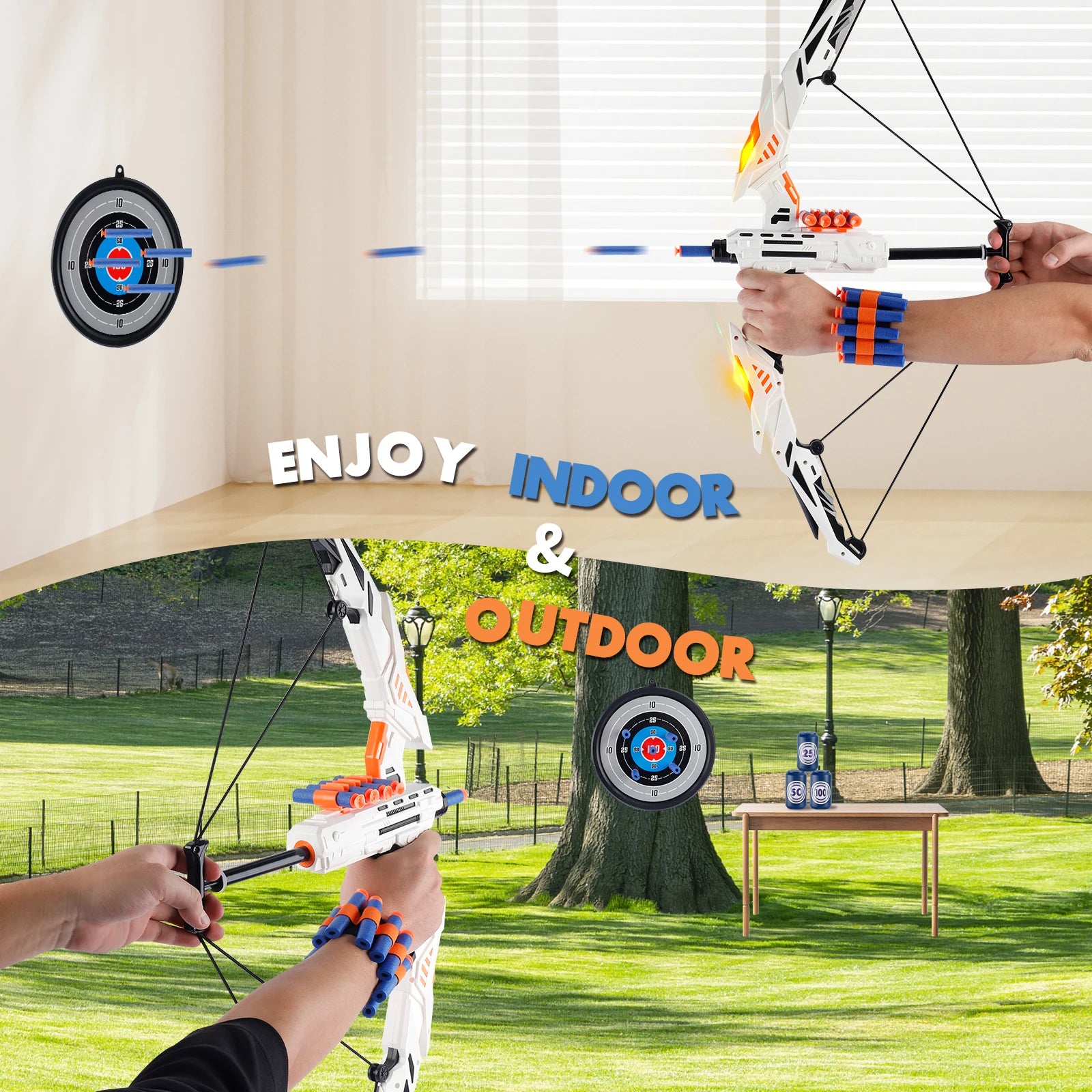
Fun screen free activities using active play toys for confident family bonding 💡 See it in action
Mini FAQ
How often should families play outdoor games together?
Most families benefit from outdoor games three to five times per week, even if sessions are short. Consistent play supports physical health, emotional regulation, and stronger family bonds over time.
Are outdoor games helpful for shy or less active kids?
Yes. Non-competitive outdoor games for families help shy children participate at their own pace, building confidence through gentle movement and positive encouragement.
What if my kids are different ages?
Choose flexible games with adjustable difficulty. Target games, obstacle courses, and cooperative challenges allow each child to engage at a level that feels comfortable and rewarding.
Related Guide: Toys That Promote Fine Motor Skills for Different Age Needs





