

Parent Child Bonding Activities: 7 Proven Game Ideas
Do parent child interactive games really improve family bonding?
Parent child interactive games help families connect by creating shared moments of cooperation, communication, and laughter. Through interactive games for family play, children practice empathy and problem-solving, while parents build trust and understanding. Even 15 minutes a day of social pretend play can strengthen emotional bonds and support healthy social development.
Parent Child Interactive Games for Better Bonding
⏱ 6 min read
Busy days, screen distractions, and endless to-do lists can make it hard to truly connect with your child. Parent child interactive games offer a simple, joyful way to slow down and reconnect. These moments of play help children feel seen and heard while giving parents a chance to guide learning through warmth, patience, and shared discovery.
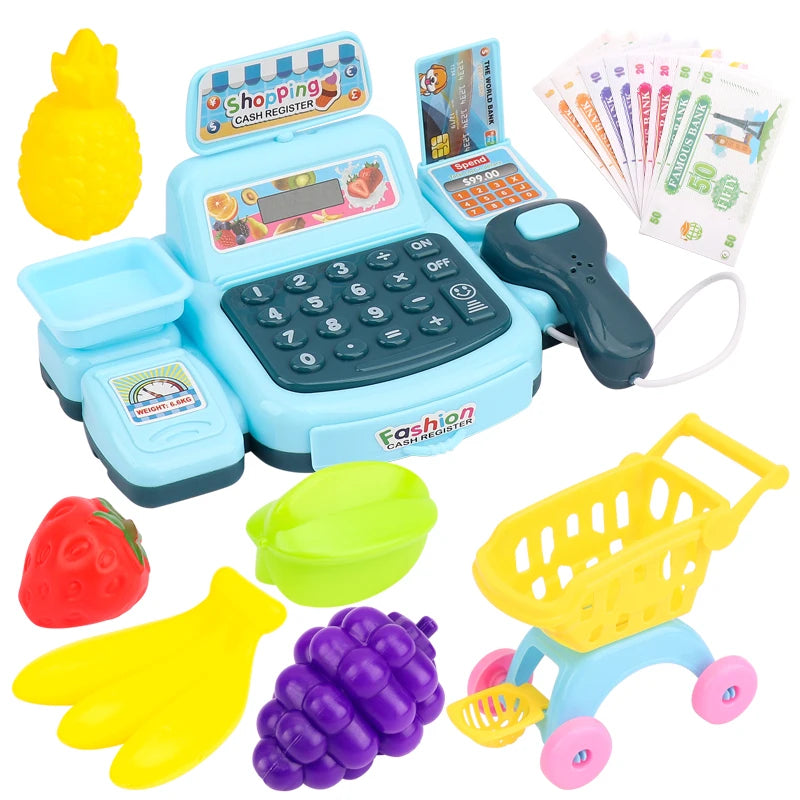
Parent child interactive games encourage laughter, teamwork, and learning together 💡 See it in action
Why Parent Child Interactive Games Matter
Parent child interactive games go beyond entertainment. They create a safe space where kids learn to communicate feelings and parents model patience and cooperation. These shared activities help reduce behavior struggles and strengthen emotional security at home.
Common challenges families face
- Limited quality time due to busy schedules
- Children glued to screens instead of conversation
- Difficulty teaching sharing and turn-taking
- Parents feeling unsure how to play “the right way”
Interactive games for family play solve these challenges by giving structure to fun while keeping interaction at the center.
How Interactive Games Build Social Skills
Parent child interactive games naturally support emotional growth. As children play, they learn to listen, respond, and adapt. Parents can gently guide without pressure, making learning feel effortless.
Key benefits children gain
- Stronger communication and vocabulary
- Improved patience and turn-taking
- Greater empathy through role-play
- Confidence expressing ideas and emotions
Many parents notice fewer meltdowns and smoother routines after adding consistent playtime.
How to Start Interactive Play at Home
Starting parent child interactive games doesn’t require special skills or long prep. Follow these simple steps to make playtime meaningful.
- Set a short time: Even 10–15 minutes is enough.
- Follow your child’s lead: Let them choose roles or rules.
- Ask open questions: “What happens next?” or “How does that feel?”
- Stay present: Put phones away and focus on each other.
Consistency matters more than duration. Daily play builds trust over time.
Why Social Pretend Play Feels So Natural
Social pretend play allows children to explore real-life roles in a safe way. Playing “store,” “doctor,” or “family” helps kids understand routines and emotions while parents gently guide positive behavior.
Through toys for social development, children practice cooperation and problem-solving without feeling corrected or judged.
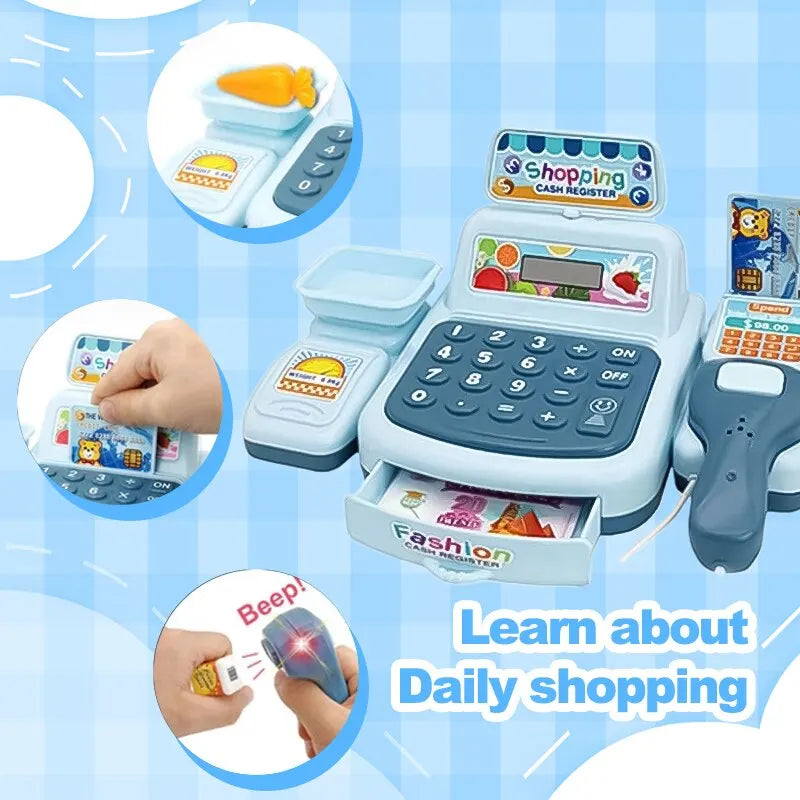
Interactive games for family time build confidence and empathy 💡 See it in action
Choosing the Right Interactive Games for Family Time
Not all games are equal. Look for options that invite conversation, imagination, and shared goals.
| Look For | Why It Helps |
|---|---|
| Open-ended play | Encourages creativity and dialogue |
| Multiple roles | Supports social pretend play |
| Durable materials | Safe, long-lasting family use |
| Age-appropriate design | Reduces frustration and builds confidence |
Collections like Baby Growth & Learning and Sensory Toys offer engaging options designed for cooperative play.
A Simple Toy That Encourages Cooperation
Parent child interactive games work best when tools are intuitive and inviting. A pretend cashier set lets children practice counting, sharing, and polite conversation while parents join as customers or helpers.
This kind of play mirrors real-life routines, making learning feel meaningful.
- Supports social pretend play through role-switching
- Encourages communication and teamwork
- Makes math and manners feel fun
👉 Explore the simulation cashier toy for interactive family play
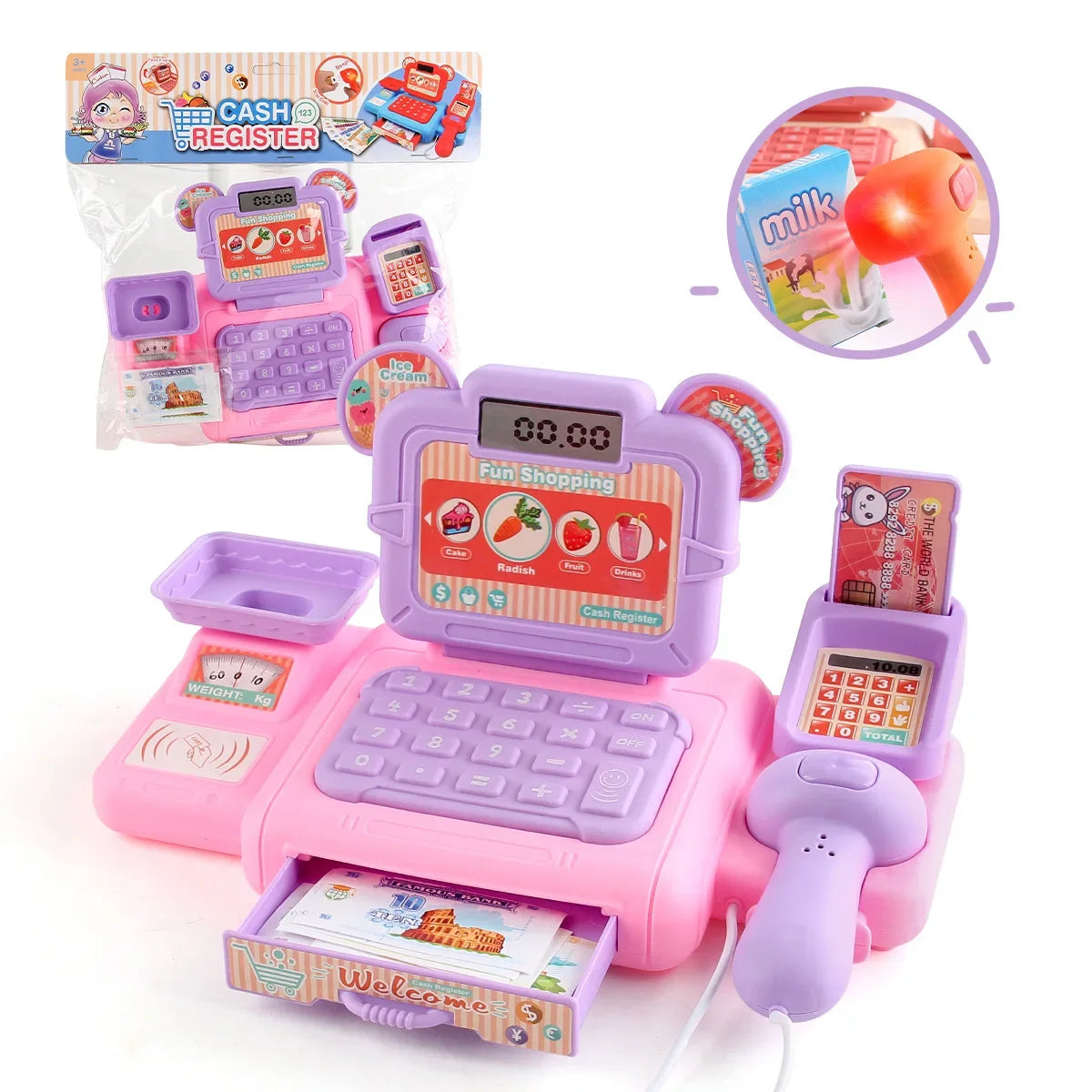
Toys for social development turn everyday play into bonding moments 💡 See it in action
Parents often share that children stay engaged longer and ask to play together again, creating routines everyone looks forward to.
Quick Questions Parents Ask
How often should we play interactive games together?
Short daily sessions work best. Even 10 minutes of focused play can strengthen bonds and improve communication.
Are parent child interactive games suitable for toddlers?
Yes. Simple role-play and turn-taking games help toddlers learn social cues and language naturally.
Do these games replace learning activities?
No. They complement learning by making skills like empathy, counting, and communication feel enjoyable and natural.
Related Guide: Screen Free Play Ideas That Boost Daily Learning





