

Pedal Free Balance Bike Comparison: Pros, Cons, and Best Uses
Does a pedal free balance bike really help kids learn faster?
A pedal free balance bike helps children learn to ride by focusing on balance first instead of pedaling. This approach builds coordination, confidence, and control earlier than bikes with training wheels. Many parents choose a pedal free balance bike to support smoother transitions to pedal bikes and healthier childhood motor development.
Pedal Free Balance Bike Comparison: Pros, Cons, and Best Uses
Pedal free balance bike comparisons often reveal surprising differences parents don’t expect. From smoother steering to faster confidence gains, these bikes highlight real pedal free bike benefits while avoiding why training wheels uneven setups can slow progress. Most importantly, they support childhood motor development by teaching balance first—before pedaling ever enters the picture.
⏱ 8 min read
Which type of first bike actually helps kids ride confidently on their own? If you’ve watched a child wobble on training wheels, you’ve probably asked this question already.
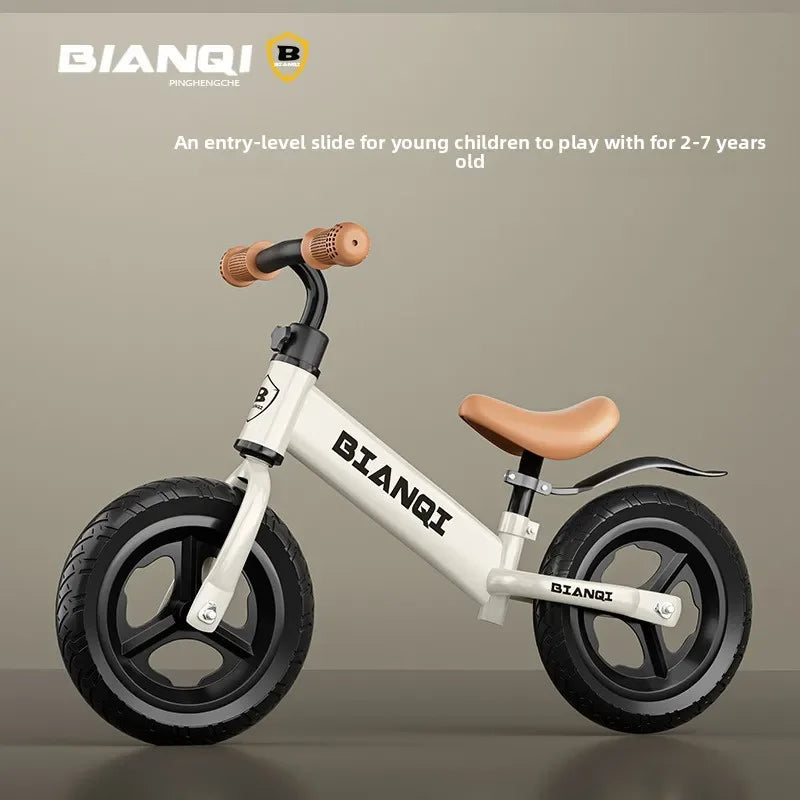
Pedal free balance bike benefits for confident starts 💡 See it in action
Why Balance-First Bikes Change How Kids Learn
Children don’t naturally struggle with pedaling—they struggle with balance. A pedal free balance bike removes extra complexity so kids can focus on steering, posture, and stability.
Instead of relying on external support, children learn to trust their own movements. This aligns closely with healthy childhood motor development, where coordination grows through repeated self-correction.
- Encourages natural body alignment
- Improves reaction timing and spatial awareness
- Reduces fear of tipping over
- Builds confidence through independent control
Families exploring movement-based learning often pair bikes with items from Mobility & Training to support active development beyond riding.
Pedal Free Balance Bike vs Training Wheels: Which Works Better?
A pedal free balance bike teaches balance directly, while training wheels delay balance learning by keeping the bike artificially upright. This difference explains why training wheels uneven setups often lead to awkward posture, slower progress, and frustration when wheels are removed.
Why training wheels can slow progress
- They encourage leaning instead of balancing
- Uneven ground causes tipping to one side
- Kids rely on wheels instead of body control
Why balance bikes feel easier
- Feet stay close to the ground for security
- Natural steering develops earlier
- Falls are shorter and less intimidating
Parents often notice smoother transitions when moving from a balance bike directly to a pedal bike—sometimes skipping training wheels entirely.
Pros and Cons of Pedal Free Balance Bikes
Pros
- Accelerates balance and coordination
- Reduces fear during early riding stages
- Supports long-term riding confidence
- Lightweight and easy for toddlers to manage
Cons
- No pedaling practice initially
- May require adjustment period for parents unfamiliar with the concept
- Less suitable for older kids who already pedal confidently
For younger riders, the advantages usually outweigh the limitations—especially during the first learning phase.
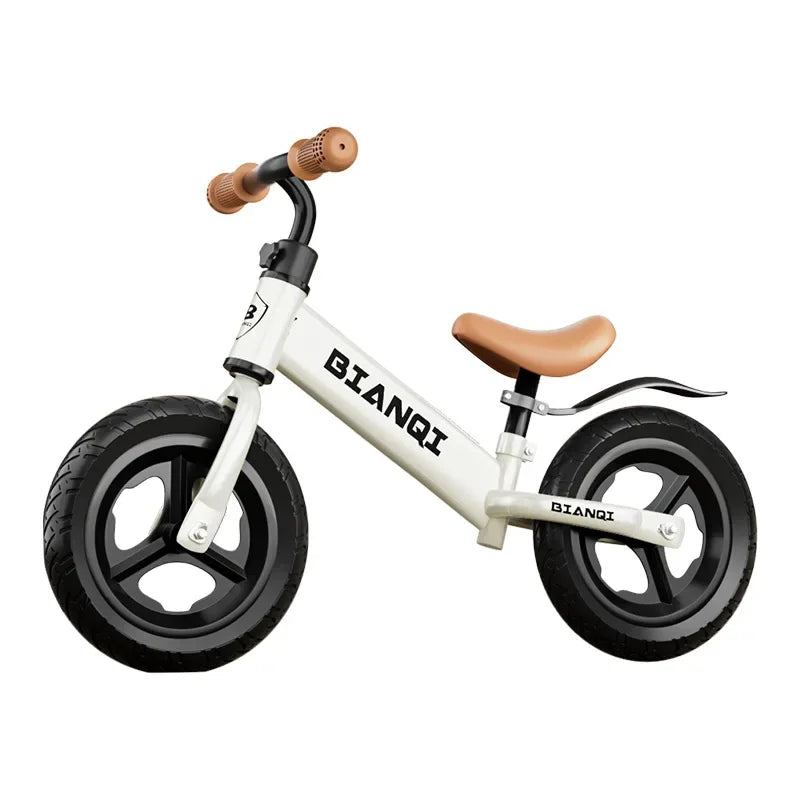
Pedal free bike benefits that build balance fast 💡 See it in action
Best Uses by Age and Skill Level
Not every child needs the same bike at the same time. Matching design to development stage makes learning smoother and more enjoyable.
Ages 18 months–3 years
- Short seat height
- Ultra-light frame
- Wide handlebars for control
Ages 3–5 years
- Adjustable seat and handlebar height
- Footrests for coasting
- Durable tires for outdoor surfaces
Many parents combine riding practice with sensory play from Sensory Toys to reinforce coordination and balance awareness.
Side-by-Side Comparison: Balance Bike vs Training Wheels
| Feature | Pedal Free Balance Bike | Training Wheels Bike |
|---|---|---|
| Balance Learning | Direct and continuous | Delayed |
| Confidence Building | High | Moderate |
| Risk of Uneven Riding | Low | High on uneven surfaces |
| Transition to Pedals | Smooth | Often challenging |
How to Choose the Right Pedal Free Balance Bike
Look beyond appearance. The best choice supports safety, comfort, and steady skill progression.
- Check seat height allows flat feet on the ground
- Choose lightweight frames for easy handling
- Ensure smooth steering without sharp turns
- Prioritize durable tires for outdoor use
Safety-conscious families often explore complementary items from Health & Safety to protect active toddlers during outdoor play.
Looking for a ready-to-use option? Many parents start with the pedal free balance bike designed for toddlers because it adjusts as kids grow.
What Parents Notice After Switching
Parents often share similar observations after moving away from training wheels:
- Kids glide confidently within days
- Less hesitation when turning
- Faster transition to pedal bikes
- More excitement about riding independently
Many families report that kids who start with balance bikes skip training wheels entirely—riding pedal bikes confidently on their first try.
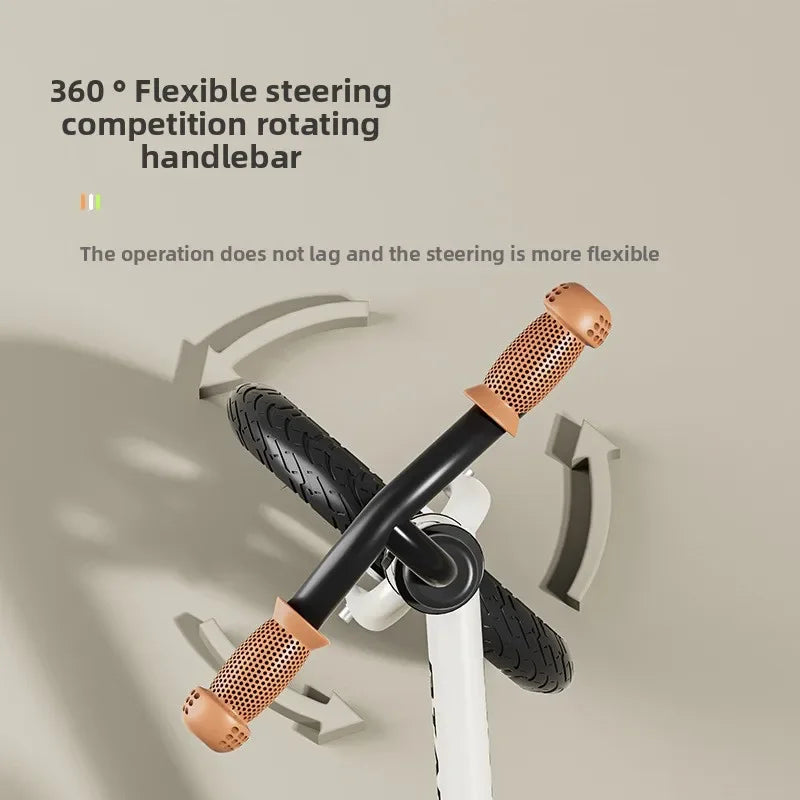
Pedal free balance bike confidence boost 💡 See it in action
Mini FAQ
Is a pedal free balance bike safe for toddlers?
Yes. With proper sizing and supervision, a pedal free balance bike keeps feet close to the ground, reducing fall risk while supporting natural balance development.
Can kids skip training wheels completely?
Many children transition directly from a balance bike to a pedal bike because balance skills are already mastered.
When should a child switch to a pedal bike?
Most kids are ready once they can glide confidently, steer smoothly, and stop safely—often between ages 3 and 5.
Related Guide: Best Balance Bike for Toddlers: Side-by-Side Comparison





