

Physical Games for Preschoolers: 7 Quick Active Play Wins
What are the best physical games for preschoolers?
Physical games for preschoolers are simple, short activities that get kids moving while building balance, coordination, and confidence. The best options use easy rules, quick setup, and everyday items or active play toys. These games help preschoolers burn energy, practice motor skills, and stay focused without overwhelming parents or children.
Physical Games for Preschoolers: Easy Setup and Play Tips
Physical games for preschoolers don’t need complicated rules or expensive gear to work. With a few smart setup tips and flexible ideas, you can turn everyday moments into active, joyful play. Whether you’re indoors or outside, these games help kids move their bodies, build skills, and have fun—without turning your day upside down.
⏱ 6 min read
Does your preschooler have endless energy, but you’re running out of ideas that don’t require tons of prep? You’re not alone. Many parents want active games for preschoolers that are easy to set up, safe to play, and actually hold attention.
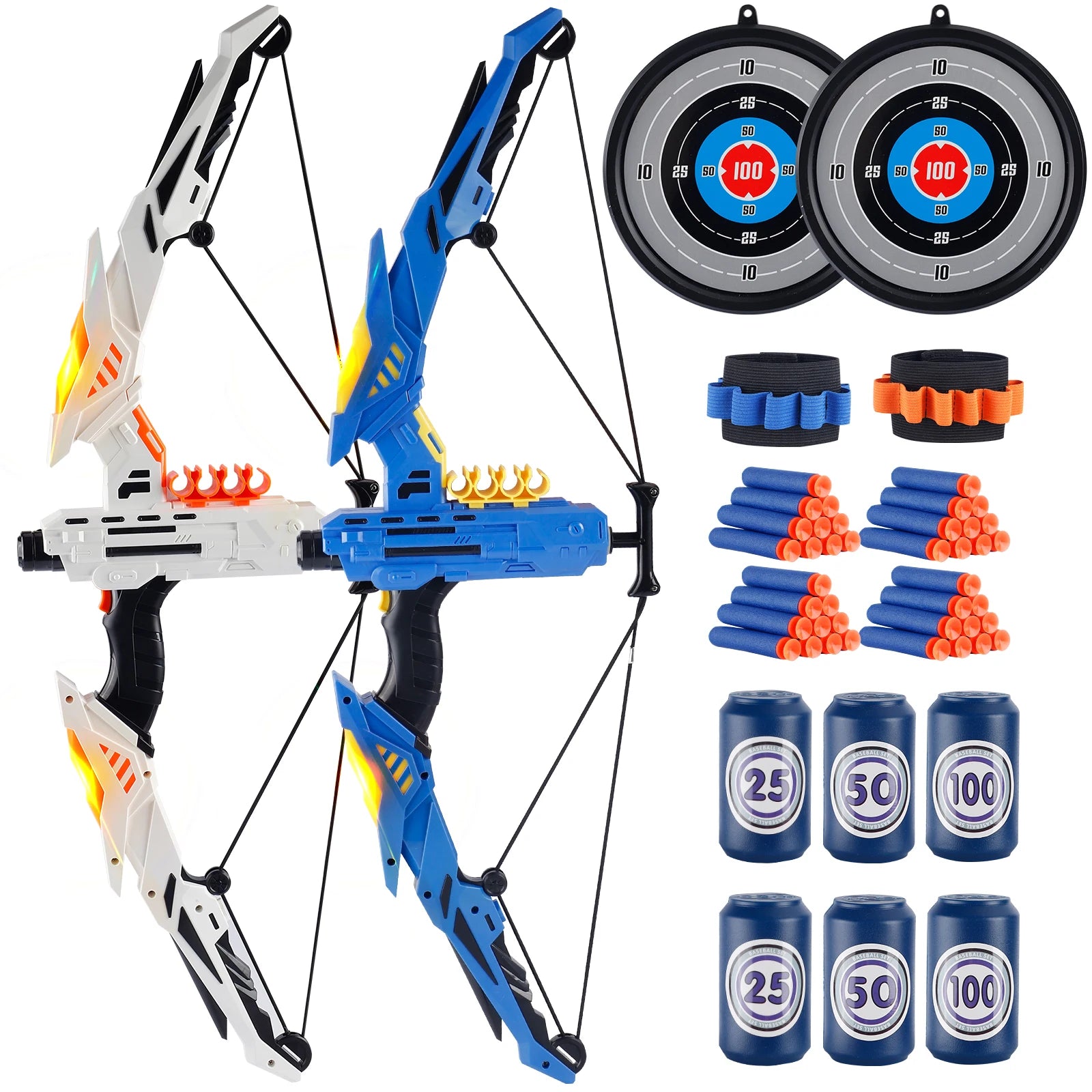
Simple physical games for preschoolers using active play toys 💡 See it in action
Why Physical Play Matters at Preschool Age
Physical games for preschoolers support more than just movement. They help children learn how their bodies work, how to follow simple rules, and how to manage big feelings through play.
- Builds balance, strength, and coordination
- Supports focus and listening skills
- Encourages confidence and independence
- Creates positive daily routines
Many parents notice fewer meltdowns and better sleep when active play becomes part of the day.
Easy Setup Physical Games for Preschoolers
Physical games for preschoolers work best when they’re quick to start and easy to explain. Clear boundaries and simple goals help kids jump right in.
- Animal Walks: Call out animals and let kids move like them—hop like a frog, crawl like a bear.
- Color Dash: Place colored paper on the floor and shout a color to run to.
- Soft Target Toss: Toss beanbags or soft balls into a basket from different distances.
- Follow-the-Leader: Take turns leading simple movements like jumping, spinning, or marching.
These preschool active games need almost no prep and adapt easily to energy levels.
Indoor Active Games for Small Spaces
Rainy day? Limited room? Indoor active games for preschoolers can still deliver big movement with smart setup.
- Tape Path: Use painter’s tape to create lines to walk, hop, or balance on.
- Pillow Obstacle Course: Crawl over cushions and under chairs.
- Balloon Keep-Up: Keep a balloon off the floor using hands or feet.
For added sensory engagement, rotate toys from Sensory Toys to keep activities fresh.
Outdoor Preschool Active Games
Outdoor space makes movement feel easier and more natural. Even a small yard or park works.
- Chalk hopscotch or target circles
- Running games with start/stop cues
- Simple throwing and aiming challenges
Outdoor preschool active games help kids practice larger movements while releasing energy.
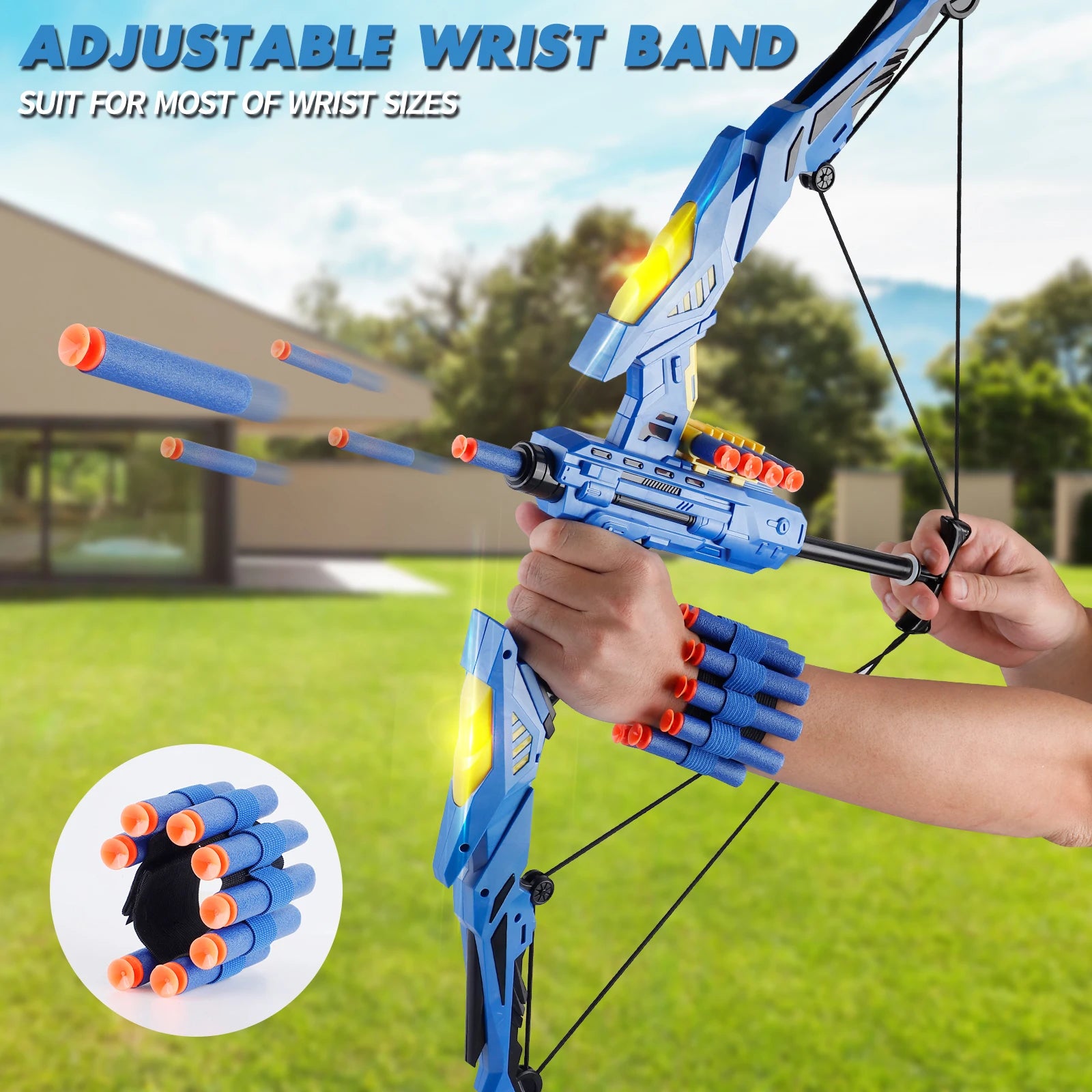
Preschool active games outdoors with easy setup 💡 See it in action
Using Active Play Toys to Keep Kids Engaged
Active play toys give structure to physical games for preschoolers without making things complicated. The key is choosing toys that grow with your child.
For example, simple aiming games using a kids archery set help preschoolers practice hand-eye coordination while feeling proud of each try.
- Encourages turn-taking and patience
- Builds confidence through skill practice
- Easy to scale up or down
To support overall development, pair movement games with tools from Mobility & Training and learning-focused items from Baby Growth & Learning.
Safety Tips and Simple Play Routines
Consistency and safety make physical games for preschoolers more enjoyable for everyone.
- Clear the play area before starting
- Use soft or age-appropriate equipment
- Keep sessions short (10–20 minutes)
- End with calm-down stretches
For peace of mind, explore protective and wellness-focused tools from Health & Safety.
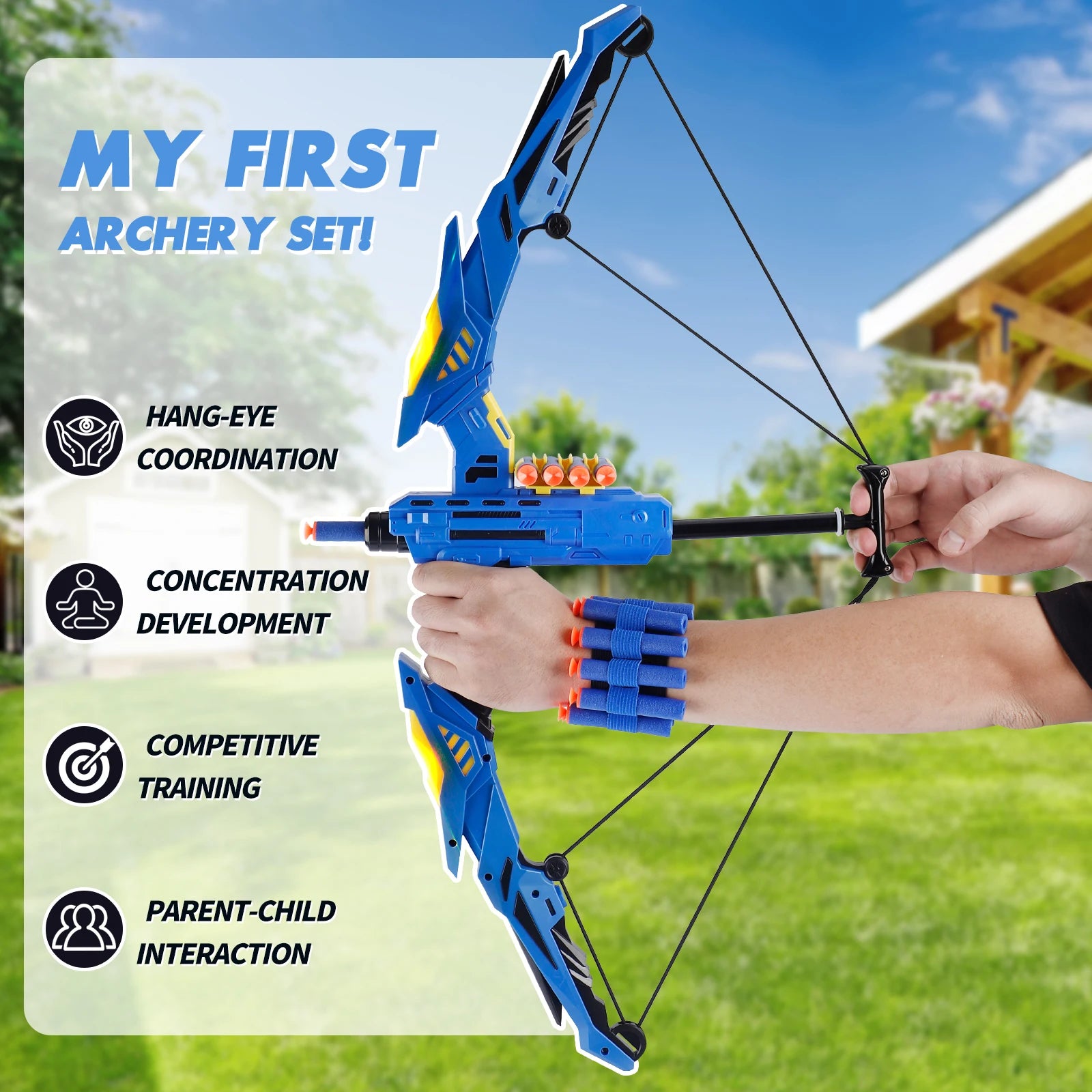
Active games for preschoolers that build skills and confidence 💡 See it in action
Quick Parent FAQ
How long should preschoolers play active games each day?
Most preschoolers benefit from multiple short play sessions totaling at least 60 minutes of active movement spread throughout the day.
What if my child loses interest quickly?
Rotate games often, keep rules simple, and let your child help choose the activity to boost engagement.
Are active play toys necessary?
No, but well-chosen active play toys can add structure and motivation, making physical games easier to start and sustain.
Related Guide: Toys to Develop Fine Motor Skills: How to Use Them Right





