

Piano Interactive Keyboard: How to Teach Kids Music Skills
How does a piano interactive keyboard help kids learn music?
A piano interactive keyboard helps children build real music skills through guided play, sound feedback, and simple challenges. By combining lights, sounds, and touch, a piano interactive keyboard turns practice into fun exploration that improves rhythm, memory, and coordination while keeping kids engaged longer without pressure.
Piano Interactive Keyboard: How to Teach Kids Music Skills
⏱ 6 min read
Many parents want to support their child’s creativity but feel unsure how to start music lessons at home. Traditional classes can feel intimidating, while screens often steal attention. A piano interactive keyboard offers a simple, playful way to introduce music fundamentals through hands-on discovery, helping kids learn naturally while you stay involved without stress.
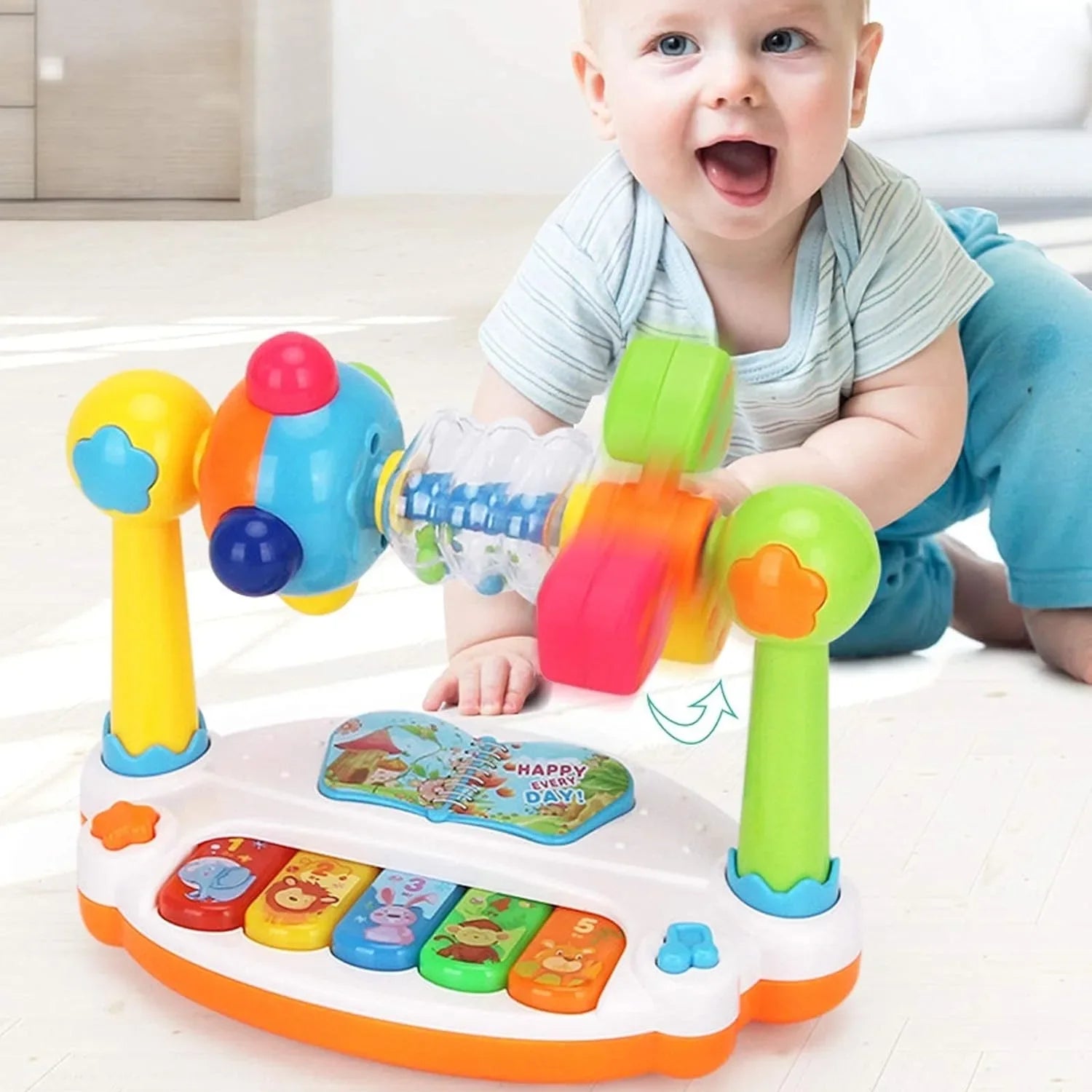
Piano interactive keyboard introduces rhythm and melody through playful lights and sounds. 💡 See it in action
Why Interactive Music Learning Works for Kids
Young children learn best by doing. When sound responds instantly to touch, curiosity grows. Instead of memorizing notes, kids experiment freely, building confidence through trial and success. This style reduces frustration and turns learning into a positive routine shared with parents.
- Immediate feedback keeps attention longer
- Short play sessions fit busy family schedules
- No prior music knowledge required for parents
- Encourages creativity over perfection
What Is a Piano Interactive Keyboard?
A piano interactive keyboard is a child-friendly instrument designed with lights, sound modes, and guided play features. It simplifies music basics into approachable steps so children can explore notes, rhythm, and patterns without feeling overwhelmed.
Direct answer: A piano interactive keyboard combines touch-sensitive keys, visual cues, and sound feedback to help kids understand music fundamentals through play. It supports early music education by turning practice into an engaging experience that builds coordination, listening skills, and confidence.
Unlike full-size instruments, these keyboards are scaled for small hands and often include preset songs, rhythm games, and volume control for comfortable home use.
Set Up a Hands-On Music Class at Home
Creating a hands on music class at home doesn’t require a studio or strict schedule. A quiet corner, a small table, and a few minutes a day are enough to start.
- Place the keyboard at child height for comfort
- Begin with free play to explore sounds
- Introduce simple patterns or color cues
- End sessions on a positive note
Many parents pair music time with other learning routines found in Sensory Toys to support focus and engagement.
Step-by-Step Lessons Kids Actually Enjoy
Children thrive when lessons feel like games. Using a mini portable keyboard piano, you can guide short activities that feel fun rather than forced.
- Match lights to keys for early note recognition
- Clap rhythms before playing them
- Repeat favorite tunes to build memory
- Celebrate effort, not accuracy
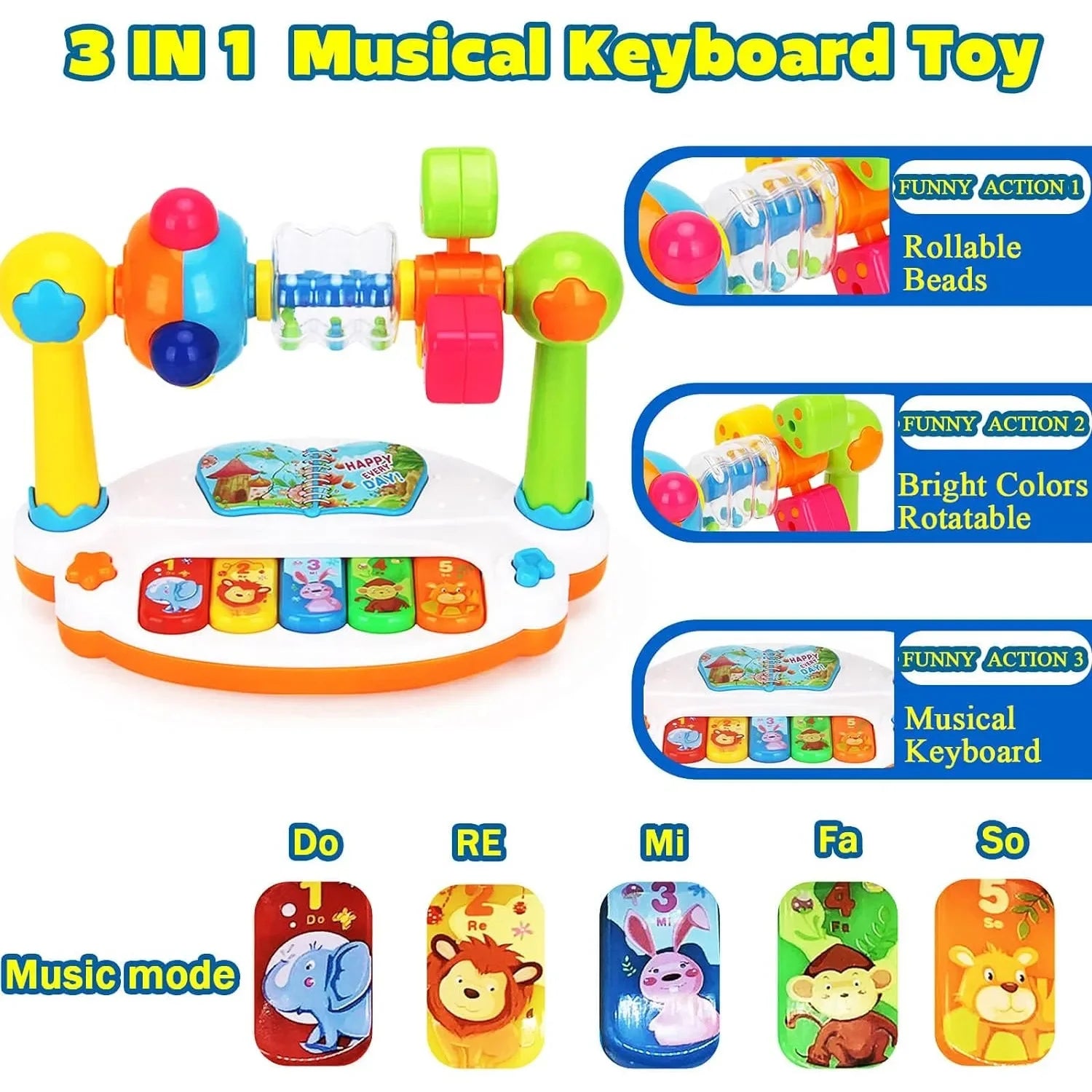
Mini portable keyboard piano supports hands on music class moments at home. 💡 See it in action
How Music Play Supports Child Development
Music activities support more than creativity. Parents often notice improvements beyond the keyboard.
| Skill Area | How Music Helps |
|---|---|
| Memory | Repeating melodies strengthens recall |
| Coordination | Hands and eyes work together |
| Focus | Structured play increases attention span |
| Confidence | Mastering songs builds self-belief |
These educational music activities for kids fit naturally alongside routines focused on growth and comfort found in Sleep & Comfort.
Learn Anywhere With a Mini Portable Keyboard Piano
Portability matters for busy families. A mini portable keyboard piano travels easily between rooms or on trips, keeping routines consistent.
Parents appreciate features like adjustable volume, durable keys, and simple storage. Kids enjoy familiar sounds wherever they play, reducing resistance to practice.
For families balancing multiple tools, pairing music play with options from Smart Baby Gadgets helps streamline daily activities.
Interactive Keyboard vs Other Music Toys
Not all music toys offer the same learning depth. Understanding the differences helps you choose confidently.
- Interactive keyboard: Guided learning, real note patterns, progression
- Sound toys: Fun noises, limited skill building
- Screen apps: Visual learning, less tactile engagement
Many parents prefer physical instruments to reduce screen time while still offering structure.
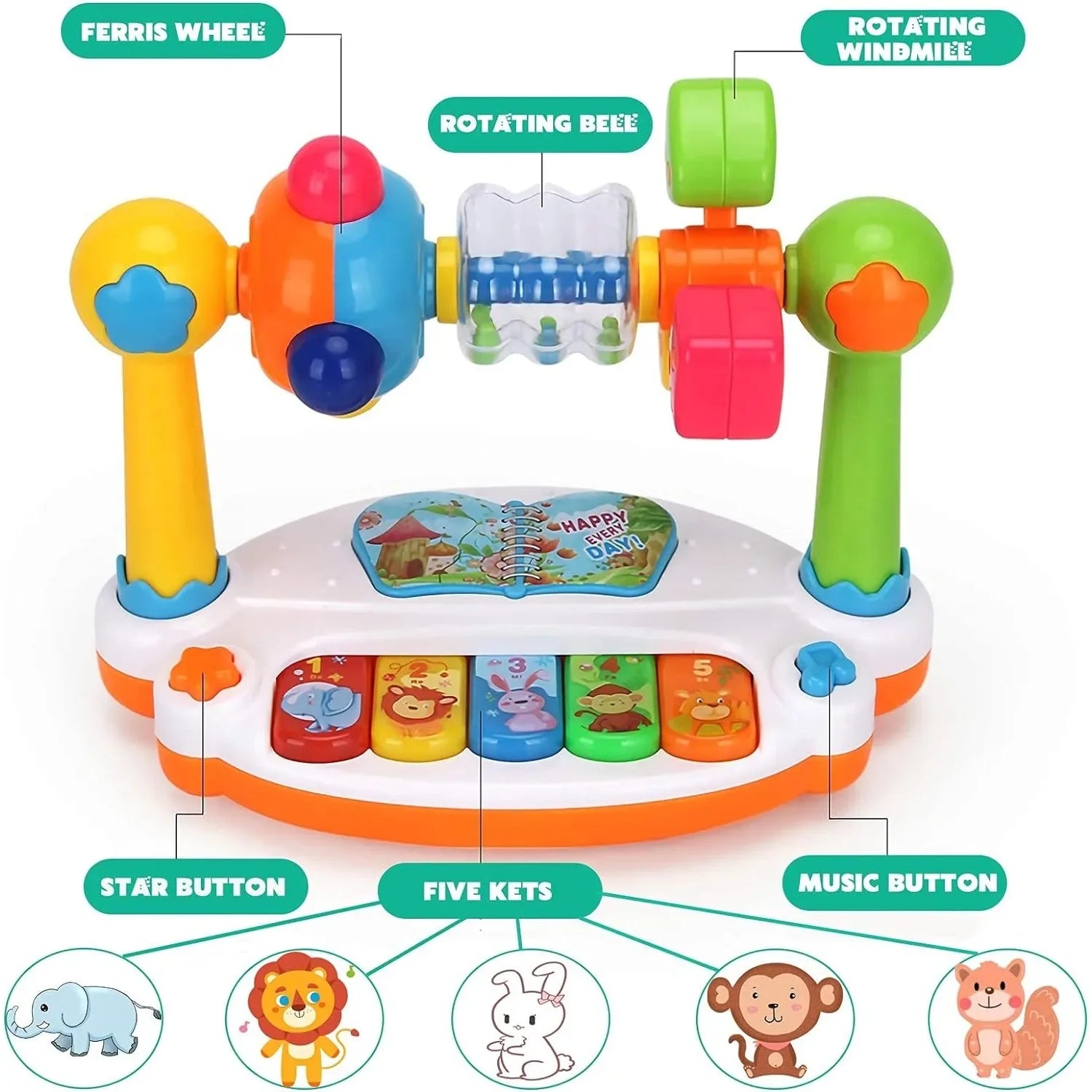
Educational music activities for kids made simple with a piano interactive keyboard. 💡 See it in action
What Real Parents Notice After Weeks of Use
Parents often share similar observations after introducing interactive music play.
- Kids ask for music time independently
- Improved patience during other tasks
- More confidence performing for family
- Reduced reliance on screens for entertainment
One parent noted their child remembered melodies after just a few days, while another shared how music time became a calming evening ritual.
Frequently Asked Questions
At what age can kids start using a piano interactive keyboard?
Many children begin around ages 2–3 with supervised play. Simple keys and sound feedback make early exploration safe and enjoyable.
Do parents need musical experience to teach at home?
No prior music knowledge is needed. Guided features and free play allow parents to learn alongside their child.
How long should each music session last?
Short sessions of 10–15 minutes work best. Ending on a positive note keeps children excited for the next playtime.
Related Guide: How to Improve Fine Motor Skills in Young Children





