

Playground Equipment Safety: A Field-Ready Inspection & Compliance Guide (2026)
Playground Equipment Safety: The Complete Inspection & Compliance Playbook (2026)
Playground equipment safety is no longer just a checklist item—it is a risk management priority for schools, HOAs, churches, childcare centers, and parents building backyard play areas. Each year, thousands of children are treated for playground-related injuries, and investigations often reveal preventable hazards tied to surfacing depth, entrapment openings, poor maintenance, or outdated layouts.
The challenge? Safety standards from the U.S. Consumer Product Safety Commission (CPSC), ASTM International (ASTM F1487), and the ADA Standards for Accessible Design are written in regulatory language that can feel overwhelming. This guide bridges that gap. Instead of summarizing policy, we provide a field-ready inspection framework: risk-first thinking, hazard-by-hazard breakdowns, surfacing depth references, age-zone mapping, maintenance frequency matrices, and a printable audit structure you can use immediately.
Why Playground Equipment Safety Inspections Matter in 2026
Injury Trends and Liability Exposure
Falls account for the majority of serious playground injuries. Most occur not because equipment is “unsafe,” but because:
- Protective surfacing is too shallow
- Use zones overlap
- Openings create head entrapment hazards
- Hardware loosens over time
- Maintenance documentation is inconsistent
In liability cases, inspection logs and maintenance records are frequently requested. If no documentation exists, stakeholders may struggle to demonstrate reasonable care.
Who Is Responsible? Parents, Schools, HOAs & Childcare Operators
Duty of care varies by setting:
- Schools & Childcare Centers: Expected to align with CPSC Handbook guidance and ASTM F1487 performance criteria.
- HOAs & Community Parks: Must maintain safe common areas and document inspections.
- Backyard Installations: While residential equipment is outside some commercial standards, risk mitigation still matters.
Consistent inspection protects children—and protects decision-makers.
The 3-Layer Playground Safety Framework (Risk → Standards → Inspection)
Layer 1: Risk-Based Hazard Identification
Before referencing codes, identify risk categories:
- Fall height and impact severity
- Entrapment (head/neck openings)
- Protrusions and entanglement points
- Surfacing displacement
- Structural degradation
- Thermal risks (metal slides in summer)
Layer 2: Standards Explained in Plain English
The CPSC Public Playground Safety Handbook (latest edition) provides voluntary federal guidance. ASTM F1487 establishes performance specifications for public playground equipment, including:
- Entrapment opening dimensions
- Use zone clearances
- Guardrail and barrier requirements
- Impact attenuation performance
ADA standards address accessible routes, transfer platforms, and inclusive play components.
Layer 3: Field-Ready Inspection Execution
Translate requirements into action:
- Measure fall height.
- Confirm surfacing depth.
- Check opening dimensions.
- Inspect anchors and fasteners.
- Review documentation logs.
Main Playground Equipment Safety Standards in the U.S.
U.S. Consumer Product Safety Commission & Public Playground Safety Handbook
The CPSC handbook outlines hazard patterns and mitigation strategies. Though voluntary, it is widely referenced in risk management reviews and insurance assessments.
ASTM F1487 and ASTM International Requirements
ASTM F1487 focuses on performance. For example:
- Openings between 3.5 and 9 inches can present head entrapment risk.
- Use zones must extend beyond equipment footprint.
- Guardrails are required at specific elevated platform heights.
ADA Standards for Accessible Design Alignment
Accessible routes, ground-level play components, and transfer systems ensure inclusive design. Compliance supports both equity and legal protection.
Hazard-by-Hazard Playground Inspection Breakdown
Entrapment Hazard Dimensions & Head/Neck Openings
Inspect spaces between guardrails, climbers, and ladder rungs. Measure openings. Avoid dimensions that allow torso passage but trap the head.
Protrusion & Sharp Edge Risks
Check for exposed bolts, hooks, or hardware capable of catching clothing drawstrings.
Fall Height & Playground Fall Zone Requirements
Measure critical fall height and confirm protective surfacing depth corresponds appropriately.
Heat & Burn Risks (Metal Slides, Summer Conditions)
Surface temperatures can rise significantly in direct sun. Consider shade structures and material selection.
Structural Integrity & Corrosion Checks
Inspect anchors, footings, wood rot, cracked welds, and rusted components.
Protective Surfacing Depth Requirements & Impact Attenuation
How Impact Attenuation Works
Impact attenuation reduces deceleration forces during a fall. Surfacing must absorb energy before it transfers to the child.
Protective Surfacing Depth Requirements by Material
| Material | Typical Depth for 6–8 ft Fall Height |
| Engineered Wood Fiber | 9–12 inches (compacted) |
| Rubber Mulch | 6–10 inches |
| Sand | 9–12 inches |
| Pea Gravel | 9–12 inches |
| Poured-in-Place Rubber | Manufacturer tested thickness |
Surfacing Depth Calculator Method
Step 1: Identify maximum fall height.
Step 2: Confirm manufacturer impact test rating.
Step 3: Add maintenance buffer (1–2 inches) for displacement.
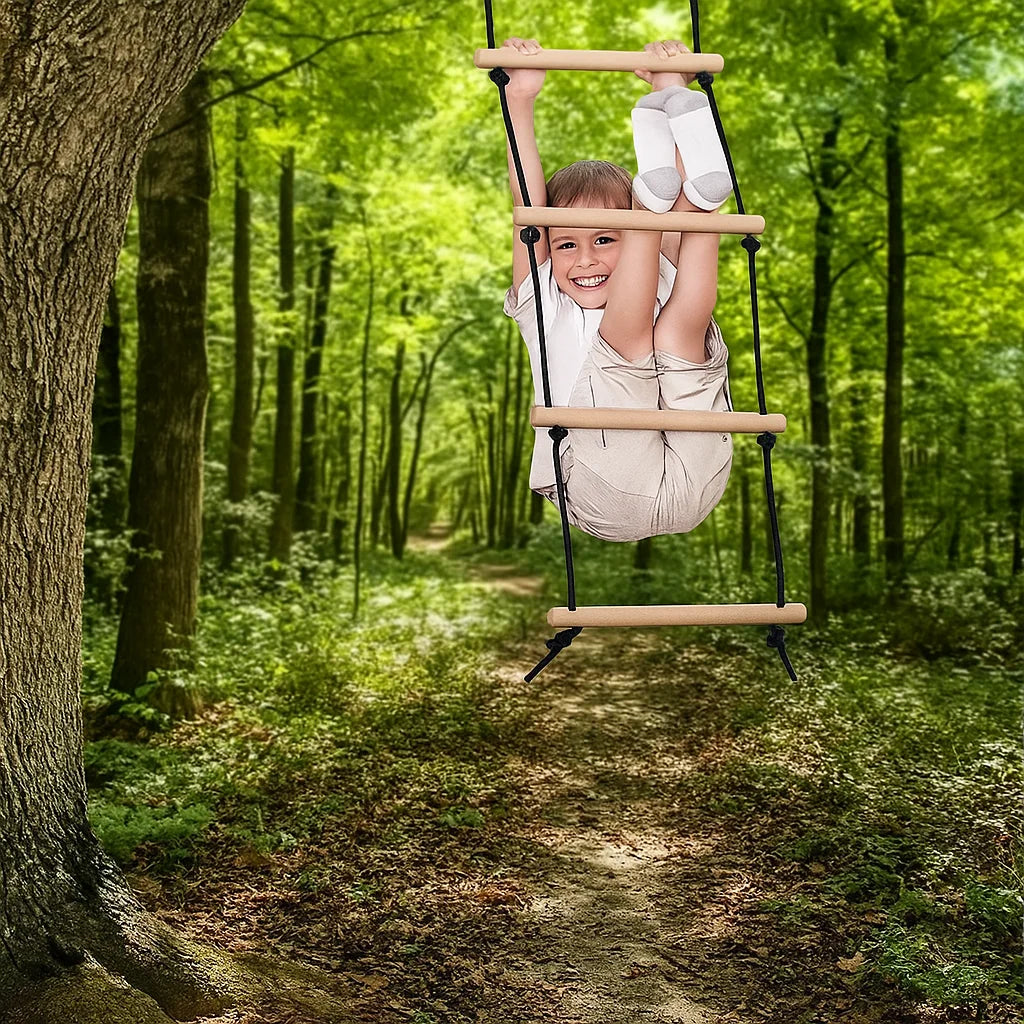
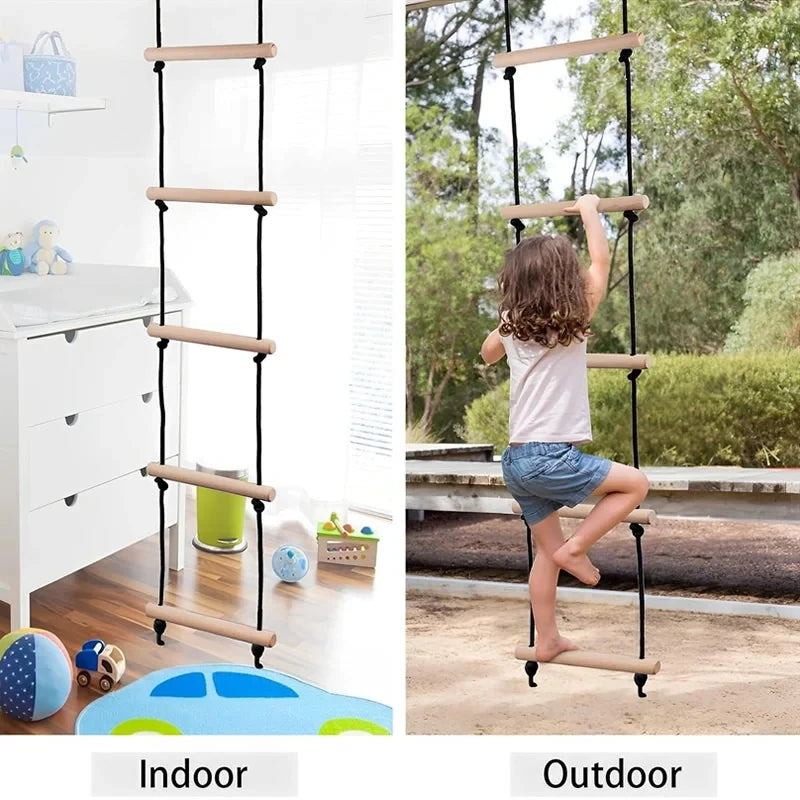
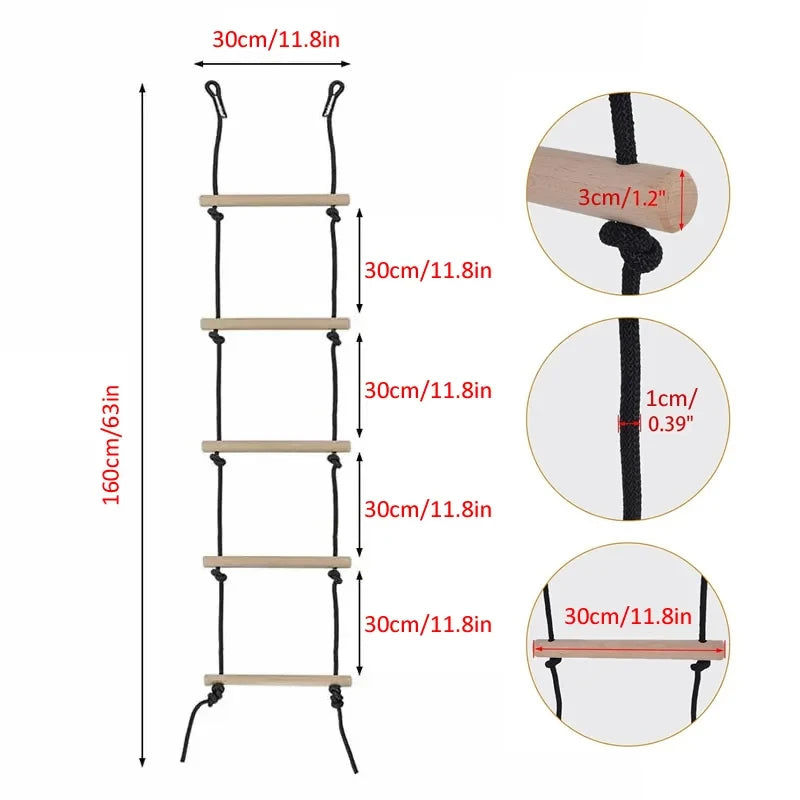
For backyard setups that include climbing elements, such as a rope ladder or small elevated platforms, ensure surfacing extends through the entire use zone and meets depth guidance.
Age-Group Separation Model: Designing Safe Play Zones
2–5 vs 5–12 Age Zone Differences
- Lower platform heights for 2–5
- Simpler climbers
- Closer supervision lines
Equipment Layout & Buffer Spacing
Separate zones visually and physically. Avoid mixing high challenge structures next to toddler equipment.
Playground Maintenance Frequency Matrix (Daily, Weekly, Monthly, Annual)
Daily/Weekly Visual Checks
- Loose hardware
- Trash and debris
- Surface displacement
Monthly Functional Inspections
- Moving components
- Rope tension and wear
- Anchor stability
Annual Comprehensive Audit by a Certified Playground Safety Inspector
A CPSI-certified inspector performs detailed compliance verification and documentation review.
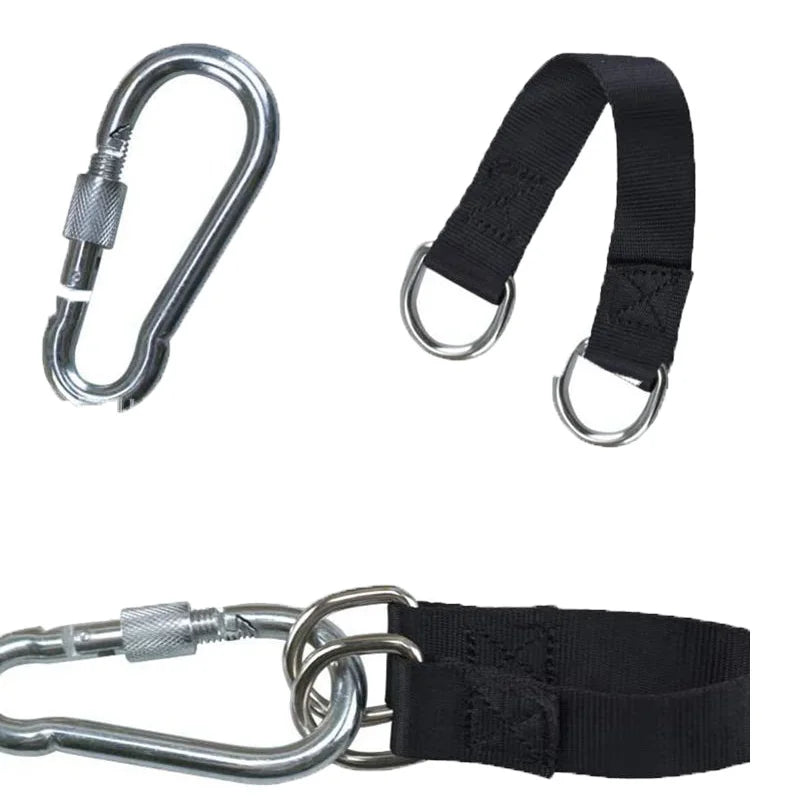
For home environments incorporating climbing accessories such as the Children Climbing Rope Ladder – Indoor Outdoor Fun, verify attachment hardware, anchor stability, and surfacing beneath. Even residential additions benefit from structured inspection habits.
Explore related Health & Safety essentials and additional guidance in the Health & Safety Tips section for maintaining safer environments.
Printable Playground Equipment Safety Checklist & Incident Report Template
What Is Included in a Playground Equipment Safety Checklist?
- Fall height confirmation
- Surfacing depth measurement
- Entrapment gauge verification
- Hardware torque check
- Structural integrity review
- Documentation signature & date
Incident Documentation Best Practices for Insurance Protection
Record:
- Date and time
- Weather conditions
- Equipment involved
- Surface condition
- Witness statements
- Corrective actions taken
Structured documentation demonstrates proactive safety management.
Seasonal Inspection Adjustments (Winter, Summer, High-Use Periods)
- Summer: Check for heat exposure risks and dry surfacing displacement.
- Winter: Inspect freeze-thaw ground shifts.
- High-Use Periods: Increase inspection frequency.
Frequently Asked Questions
What are the main playground equipment safety standards in the US?
The primary references are the CPSC Public Playground Safety Handbook, ASTM F1487 performance standards, and ADA Standards for Accessible Design.
How often should playground equipment be inspected?
Visual checks weekly, functional inspections monthly, and comprehensive audits annually.
How deep should playground surfacing be for safety compliance?
Depth depends on fall height and material. Many loose-fill materials require 9–12 inches for 6–8 foot fall heights.
What is included in a playground equipment safety checklist?
Fall height measurement, surfacing depth, entrapment checks, hardware inspection, and documentation logging.
How do you separate playground equipment by age group safely?
Create distinct zones for ages 2–5 and 5–12, adjust equipment height accordingly, and provide clear visual separation.
Conclusion: Safety Is an Ongoing Process
Playground equipment safety is not achieved at installation—it is maintained through structured inspection, documentation, and seasonal adjustments. By applying a risk-first framework, aligning with ASTM and CPSC guidance, verifying surfacing depth, and maintaining inspection logs, you create a defensible and child-centered safety system.
For families enhancing backyard play areas, integrating safe climbing accessories with proper surfacing and supervision supports both fun and compliance-minded safety thinking. Review your inspection routine, update your checklist annually, and treat playground safety as a living process—not a one-time task.
Pillar Article: Playground Equipment at Home: The 2026 Fit-Based Buying Guide by Size, Age & Budget





