

Poor Fine Motor Skills: Toys That Help Kids Catch Up
Does poor fine motor skills improve with toys?
Poor fine motor skills can improve with the right hands-on toys that encourage grasping, pinching, stacking, and coordinated movement. When children play with purposeful tools daily, muscles strengthen, timing improves, and confidence grows. Consistent play with fine motor skill toys for preschoolers supports control, focus, and good coordination and motor skills.
Poor Fine Motor Skills: Toys That Help Kids Catch Up
⏱ 6 min read
If your child struggles with buttons, crayons, or small toys, you’re not alone. Many parents worry when everyday tasks feel harder than they should. The good news? With the right play-based support, children with poor fine motor skills can build strength, control, and confidence—often faster than expected.
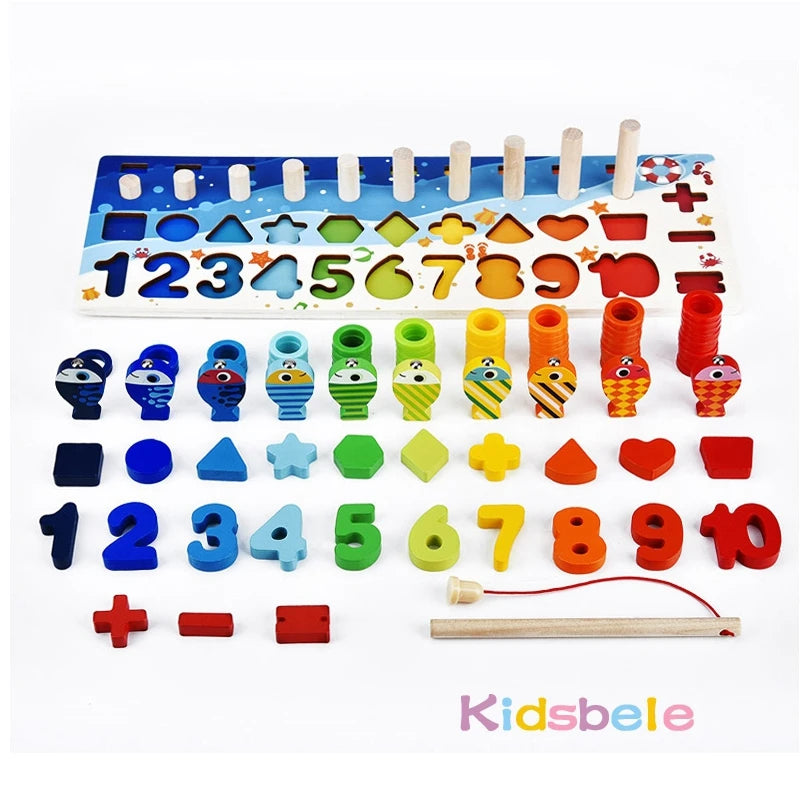
Poor fine motor skills support through hands-on play 💡 See it in action
What are poor fine motor skills?
Poor fine motor skills describe difficulty using small muscles in the hands and fingers for precise actions. Children may avoid puzzles, struggle with scissors, or tire quickly during writing or building activities. These challenges often affect self-esteem and independence if left unsupported.
Why early support matters for confidence and learning
Early childhood is a sensitive window for physical and cognitive growth. When fine motor challenges appear early, gentle support helps children keep pace with peers while protecting confidence. Small wins during play can reduce frustration and encourage curiosity across learning areas.
Fine motor development also connects closely to early childhood mathematics. When children stack blocks or fit puzzle pieces, they explore size, order, and number concepts while strengthening hand control.
Toy features that actually help children catch up
Not all toys support children with poor fine motor skills equally. The most effective designs share common traits that guide movement without pressure.
- Graduated difficulty so skills build step by step
- Resistance and texture to strengthen finger muscles
- Clear cause-and-effect to keep motivation high
- Open-ended play for creativity and problem solving
These features are common in thoughtfully designed motor skills development toys that blend learning through play with physical growth.
Best toy types for poor fine motor skills
1. Wooden puzzles and manipulatives
Chunky wooden pieces encourage grasping, rotation, and placement. Many also introduce early childhood math concepts like counting and patterns.
One parent favorite is a wooden puzzle designed around number concepts and shape matching. You can explore a hands-on example here: Montessori Math Toy Wooden Puzzle.
2. Sensory-based play tools
Textures, weights, and movement engage multiple senses, helping children refine control naturally. Sensory-rich options are especially helpful for children who avoid fine tasks.
Collections like Sensory Toys offer tools that strengthen hands while calming focus.
3. Everyday skill builders
Toys that mimic real-life actions—twisting, pouring, fastening—build practical independence. These skills translate directly into dressing, feeding, and classroom tasks.
Pairing play with routines found in Baby Growth & Learning collections helps children practice without pressure.
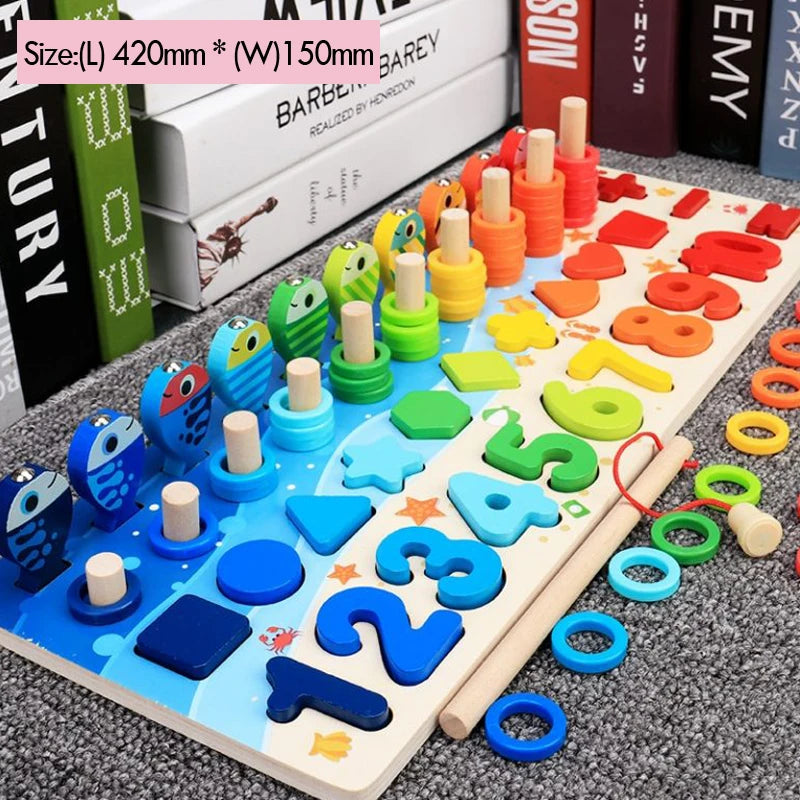
Fine motor skill toys for preschoolers that build control and focus 💡 See it in action
How to use toys effectively at home
Even the best toy works best with simple guidance. Short, consistent play sessions matter more than long drills.
- Start with success: choose tasks your child can complete
- Model slowly, then let your child try independently
- Celebrate effort, not perfection
- Rotate toys to keep curiosity high
Parents often combine fine motor play with calm routines like bath time or quiet mornings. Supportive environments, including tools from Baby Care Essentials, reduce stress and help children stay engaged.
Real parent experiences: small changes, big gains
Many families notice improvements within weeks. One parent shared that after daily puzzle play, their child began holding crayons longer without fatigue. Another noticed better buttoning skills after using manipulatives that encouraged pinching and pulling.
These stories highlight how good coordination and motor skills develop naturally when play feels safe and enjoyable.
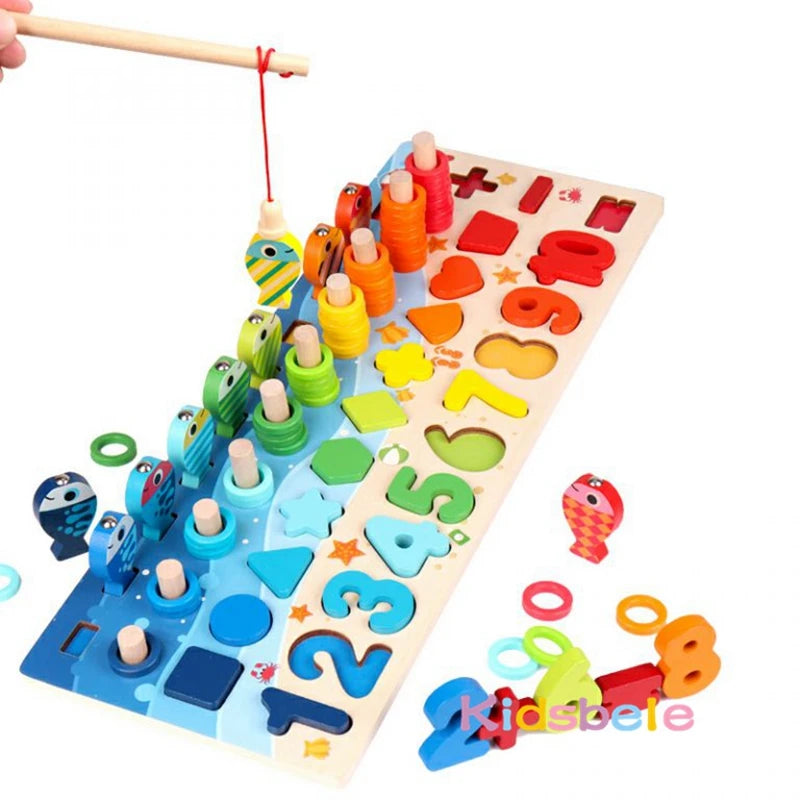
Motor skills development toys that support confidence and independence 💡 See it in action
Mini FAQ
At what age should I worry about poor fine motor skills?
Every child develops at a different pace, but persistent difficulty with grasping, drawing, or manipulating small objects after age three may signal a need for extra support through play.
How often should my child use fine motor toys?
Short daily sessions of 10–20 minutes are usually enough. Consistency matters more than duration.
Do fine motor toys also help learning?
Yes. Many toys support early childhood mathematics by reinforcing counting, sorting, and spatial reasoning alongside physical skills.
Related Guide: Early Childhood Education Toy for Different Learning Needs





