

Preschool Drawing Activities Features That Improve Results
Do preschool drawing activities really improve learning?
Preschool drawing activities help children build fine motor skills, improve focus, and boost creativity through simple, structured play. By combining fun drawing activities for preschool learning with guided drawing methods for young children, kids develop confidence faster and show noticeable progress in coordination, attention span, and early problem-solving abilities.
Preschool Drawing Activities Features That Improve Results
Preschool drawing activities can transform how kids learn, turning simple scribbles into powerful growth tools. Discover fun drawing activities for preschool learning that boost creativity while showing how to develop fine motor skills drawing in natural, playful ways. With guided drawing methods for young children, even beginners gain confidence fast. The real surprise? Small changes in how you guide kids can dramatically improve results—are you using them yet?
⏱ 6 min read
Ever feel like your child loses interest quickly or gets frustrated when drawing? You're not alone. Many parents struggle to turn art time into meaningful learning moments.
Which activities actually help kids improve—not just stay busy? Let’s break it down.
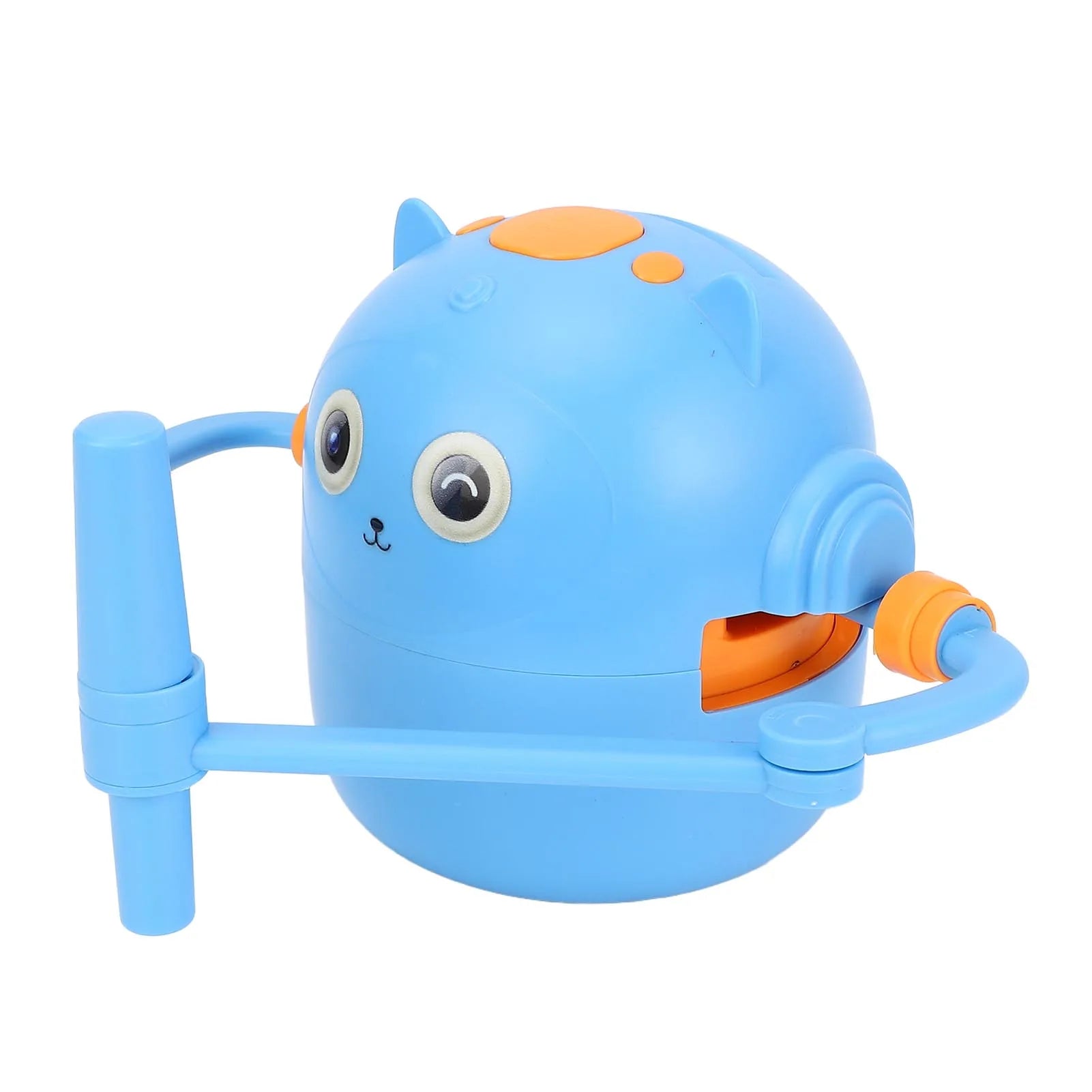
Fun preschool drawing activities that improve focus and creativity 💡 See it in action
Why the Right Features Make Preschool Drawing Activities More Effective
Not all drawing activities deliver the same results. Some entertain, but others actively build essential developmental skills.
The difference comes down to features—how the activity is structured, guided, and supported.
- Encourages consistent engagement instead of short bursts
- Guides children step-by-step to reduce frustration
- Balances creativity with skill-building
- Supports independent learning over time
When these elements are missing, kids often lose interest or struggle to improve.
That’s why many parents now explore tools in Baby Growth & Learning that combine play with structured development.
Key Features That Improve Results Fast
Preschool drawing activities become far more effective when they include these essential features:
1. Step-by-Step Visual Guidance
Children thrive when they can follow simple, clear instructions.
- Breaks complex drawings into manageable steps
- Builds confidence with small wins
- Reduces overwhelm for beginners
2. Repetition with Variation
Repeating similar patterns helps strengthen muscle memory while keeping things fun.
- Improves hand control
- Reinforces learning naturally
- Keeps engagement high
3. Interactive Feedback
Immediate feedback helps children adjust and improve quickly.
- Encourages self-correction
- Builds independence
- Accelerates progress
4. Multi-Sensory Engagement
Combining visual, tactile, and sometimes auditory elements enhances learning.
- Boosts memory retention
- Supports different learning styles
- Makes activities more enjoyable
How Drawing Builds Fine Motor Skills Naturally
One of the biggest benefits of preschool drawing activities is how they strengthen fine motor skills—without feeling like practice.
Here’s how it works:
- Gripping crayons improves finger strength
- Tracing shapes builds control and precision
- Repeating strokes develops coordination
- Completing drawings boosts hand-eye alignment
Over time, these small actions lead to major improvements in writing readiness and daily tasks like buttoning or feeding.
Parents often pair drawing with tools from Sensory Toys to further enhance tactile learning experiences.
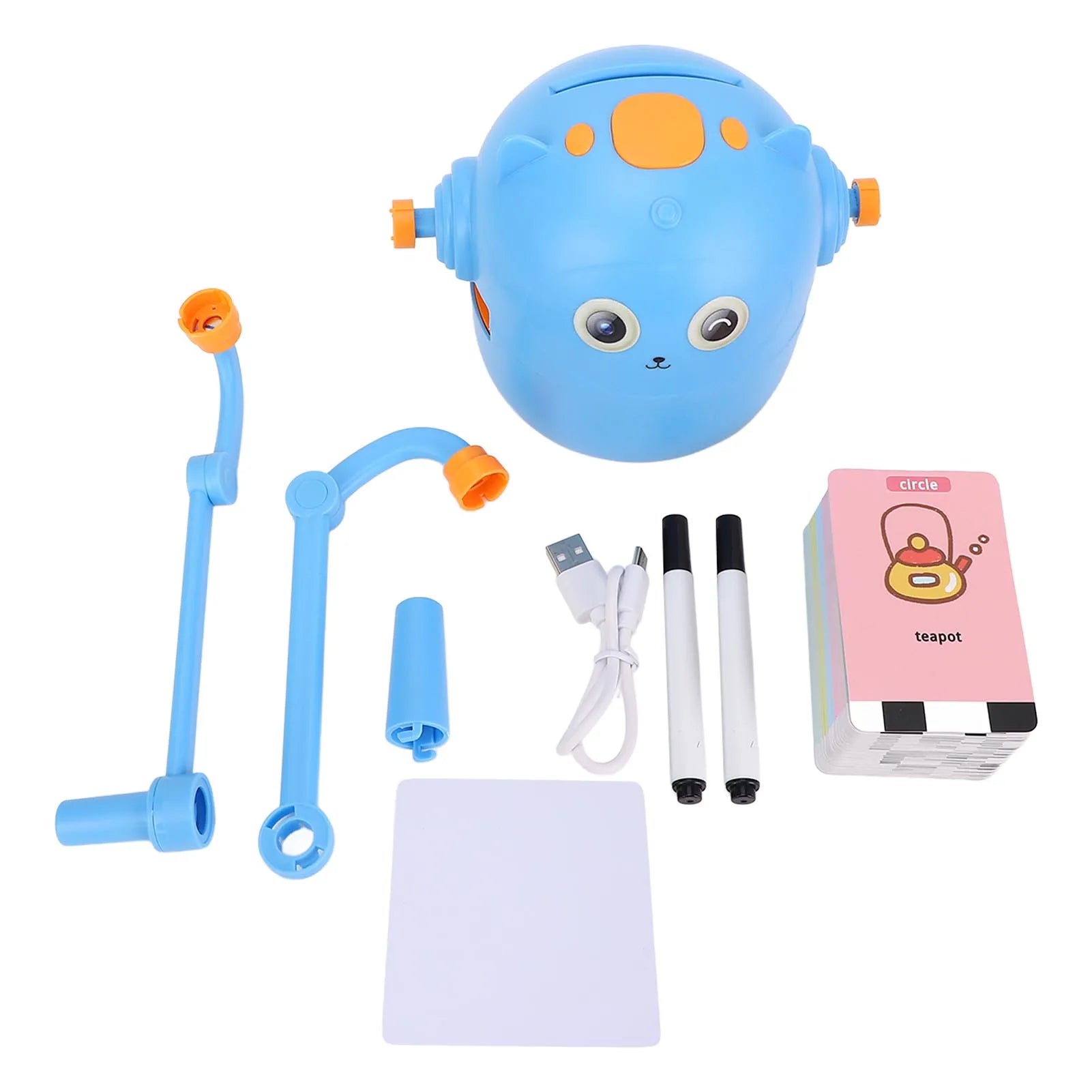
How to develop fine motor skills drawing with guided preschool activities 💡 See it in action
Why Guided Drawing Methods Work Better for Young Children
Free drawing is fun—but guided drawing methods for young children often deliver faster and more consistent results.
Why?
- They provide structure without limiting creativity
- Children learn “how” to draw, not just “what” to draw
- Progress becomes visible, boosting motivation
Guided methods also reduce frustration. Instead of guessing, children follow clear paths that lead to successful outcomes.
This is especially helpful for kids who feel discouraged easily or compare their drawings to others.
Real Parent Insight
“Once we switched to guided drawing activities, my child stopped saying ‘I can’t do it’ and started asking for more drawing time.”
Comparison: Traditional vs Feature-Driven Drawing Activities
| Feature | Traditional Drawing | Feature-Driven Activities |
|---|---|---|
| Guidance | Minimal | Step-by-step support |
| Skill Development | Slow, inconsistent | Structured and progressive |
| Engagement | Short-term | Longer, sustained interest |
| Confidence Building | Limited | High through small wins |
The difference is clear: structured features lead to better outcomes.
How to Choose the Best Drawing Tools for Better Results
Not all tools are created equal. Look for options that include:
- Built-in guidance or templates
- Interactive or automated drawing support
- Child-friendly design and safety features
- Durability for repeated use
One standout option is the drawing robot for kids, which combines guided drawing with interactive learning.
It helps children follow patterns, build skills, and stay engaged—without constant supervision.
Parents looking for smart solutions often explore Smart Baby Gadgets to simplify learning routines while maximizing results.
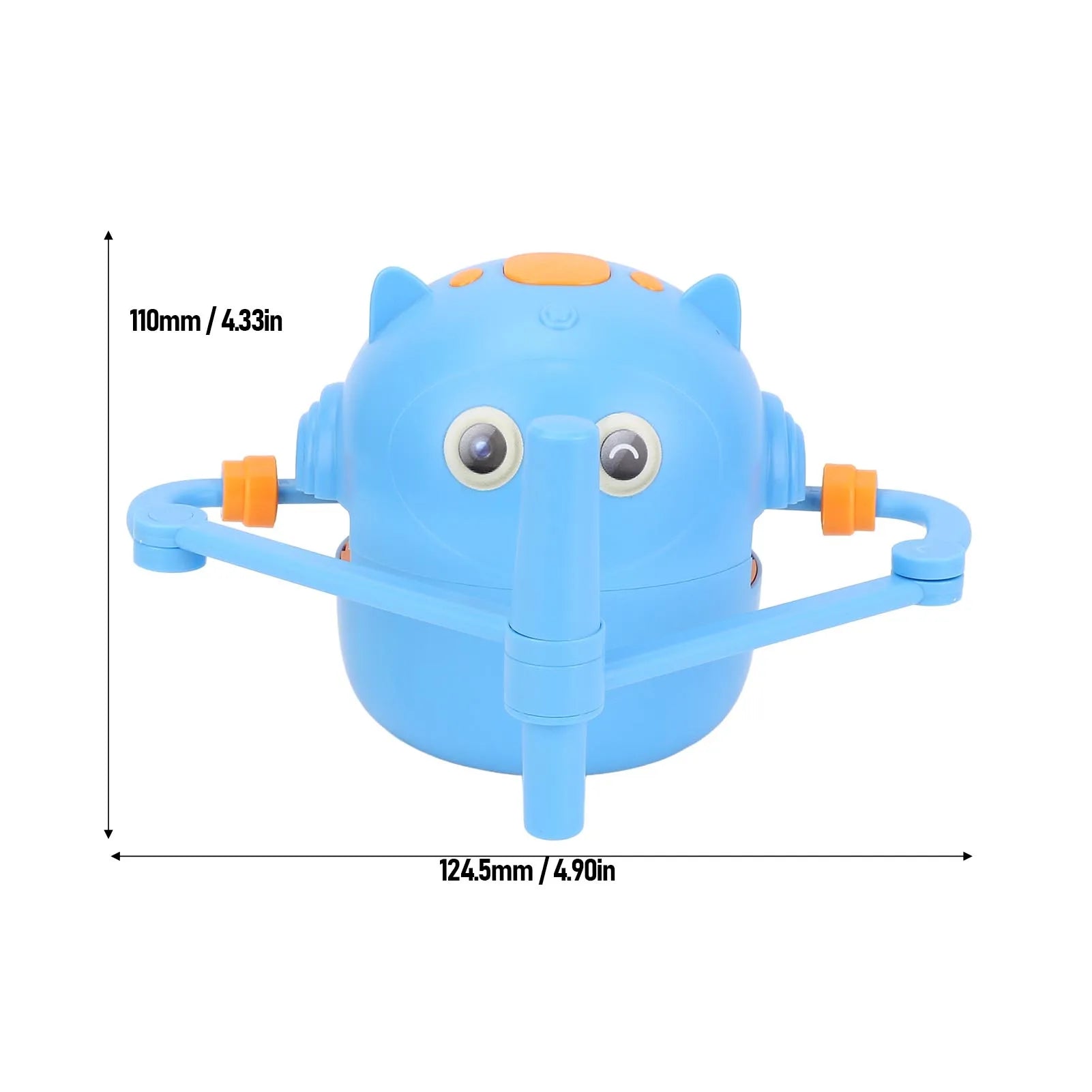
Guided drawing methods for young children that boost confidence fast 💡 See it in action
Why This Approach Delivers Better Results
Preschool drawing activities work best when they combine fun with structure.
Instead of random scribbling, children follow a path that builds real skills—step by step.
- Faster improvement in coordination
- Higher engagement and focus
- Stronger confidence in abilities
- More independent learning over time
This isn’t about pushing kids—it’s about guiding them in ways that feel natural and enjoyable.
FAQs
What are the best preschool drawing activities for beginners?
Simple guided drawing exercises, tracing shapes, and step-by-step picture building are ideal. These activities help children learn basic skills while keeping frustration low and confidence high.
How do drawing activities improve fine motor skills?
Drawing strengthens hand muscles, improves coordination, and enhances control through repeated movements like gripping, tracing, and shaping lines.
Are guided drawing methods better than free drawing?
Guided drawing methods help children learn faster by providing structure and clear steps, while still allowing room for creativity and personal expression.
Pillar Article: Toy Drawing Robot Features That Boost Kids Creativity Fast
Other Related Articles:
Explore More:





