

Toy Robots for 5 Year Olds: Best Options Side by Side
How to Develop Fine Motor Skills Quickly and Effectively?
How to develop fine motor skills starts with consistent, hands-on activities that strengthen finger control, hand coordination, and precision. Tools like drawing robots, sensory toys, and hands-on manipulatives help children practice naturally through play. These activities for fine motor skills development improve grip strength, writing readiness, and confidence in everyday tasks.
How to Develop Fine Motor Skills: Top Tools Compared
Wondering how to develop fine motor skills without stress or guesswork? Many parents notice their child struggling with holding crayons, buttoning shirts, or drawing shapes. These preschooler fine motor skills development issues can feel frustrating—but the right tools make progress easier and more fun. This guide compares hands-on solutions, creative activities, and smart learning tools that help children build strength, control, and confidence step by step.
⏱ 7 min read
Does your child avoid drawing or get tired quickly when using small objects? You're not alone. Many children need structured play to build coordination. The good news: simple tools can turn everyday play into powerful learning moments.
Drawing Robot for Kids
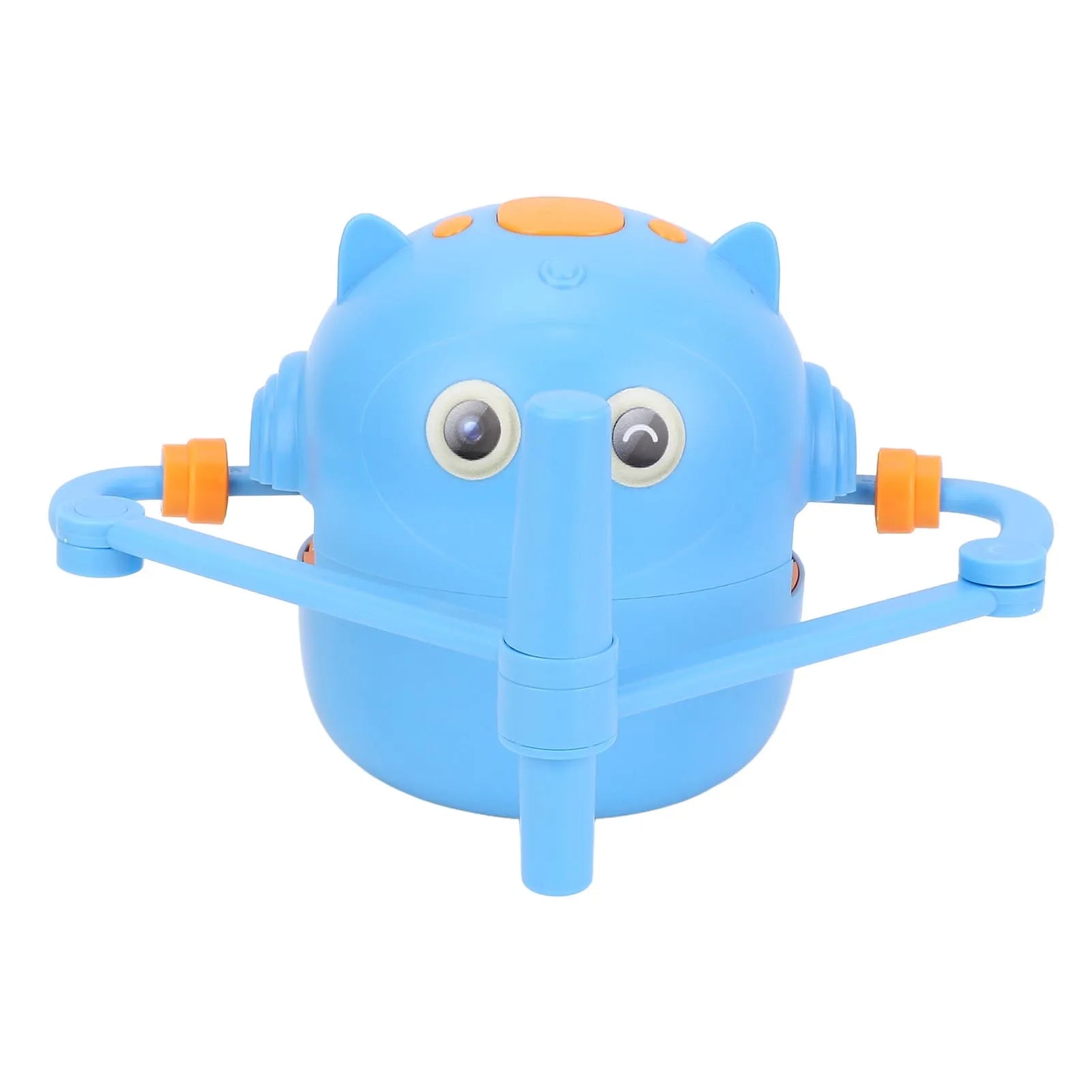
How to develop fine motor skills drawing with guided tools — 💡 See it in action
Why Fine Motor Skills Matter for Preschoolers
Fine motor skills affect everyday tasks children face daily. From holding utensils to tying shoelaces, these small movements shape independence and confidence.
- Writing and drawing readiness
- Buttoning and dressing independently
- Using scissors and school tools
- Building hand strength and endurance
- Improving focus and coordination
Children with preschooler fine motor skills development issues may avoid these tasks, which slows progress. That’s why choosing the right activities for fine motor skills development matters.
Parents often notice signs like:
- Weak pencil grip
- Difficulty drawing shapes
- Quick fatigue during crafts
- Trouble using small objects
The right tool can transform frustration into enjoyable learning.
Top Tools Compared Side-by-Side
| Tool | Best For | Skill Focus | Ease of Use | Engagement Level |
|---|---|---|---|---|
| Drawing Robot | Drawing skill development | Hand control & precision | Easy | High |
| Sensory Toys | Finger strength | Grip & tactile learning | Easy | Medium |
| Manipulative Tools | Coordination | Pinch & control | Moderate | Medium |
Each tool targets a different aspect of how to develop fine motor skills effectively.
How Drawing Robots Improve Hand Control Faster
How to develop fine motor skills drawing becomes easier when children follow guided movements. Drawing robots help kids trace shapes, lines, and patterns automatically. This reduces frustration and builds confidence while strengthening finger control.
Parents report noticeable improvements after consistent use. Children who once avoided drawing begin practicing voluntarily.
- Improves pencil grip naturally
- Builds drawing confidence
- Encourages repetition without boredom
- Develops precise hand movements
View Drawing Robot
Many educators recommend guided drawing as one of the best activities for fine motor skills development.
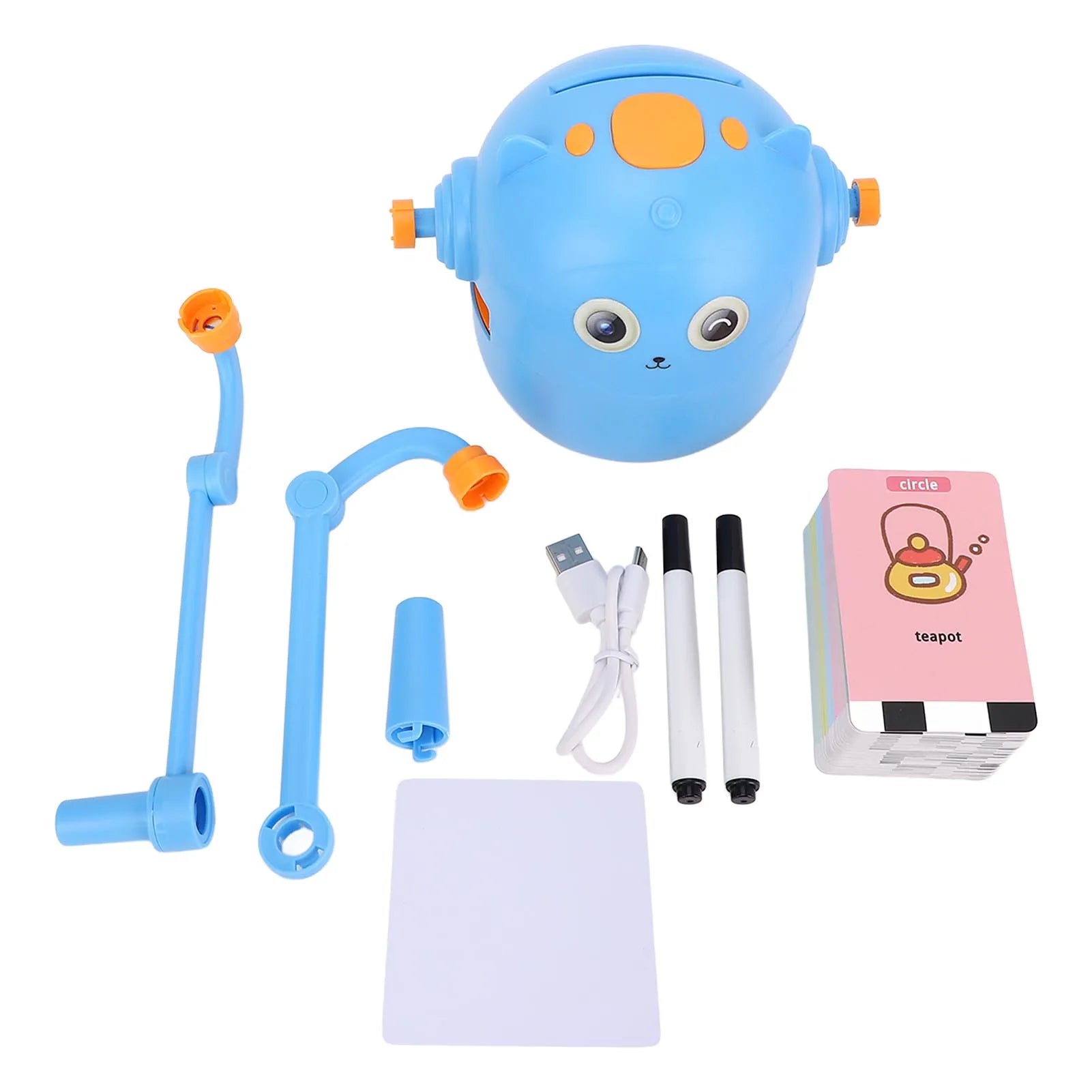
Activities for fine motor skills development using guided drawing — 💡 See it in action
Sensory Toys for Finger Strength
Sensory toys help children strengthen finger muscles through squeezing, stacking, and manipulating objects.
Explore similar hands-on tools in Sensory Toys designed for early development.
Pros
- Improves grip strength
- Encourages tactile exploration
- Supports early learning
Cons
- Limited drawing skill improvement
- May lose novelty over time
Sensory toys work best when combined with structured drawing activities.
Hands-On Learning Tools for Coordination
Manipulative tools like stacking blocks and threading kits build coordination.
Parents can also explore tools in Baby Growth & Learning to support skill progression.
- Improves pinch grip
- Enhances coordination
- Encourages problem solving
- Supports independence
These tools complement drawing-focused learning.
Which Tool Is Best for Your Child?
The best option depends on your child’s needs:
- Struggling with drawing → Drawing Robot
- Weak finger strength → Sensory toys
- Coordination challenges → Manipulative tools
Many parents combine multiple tools for faster progress.
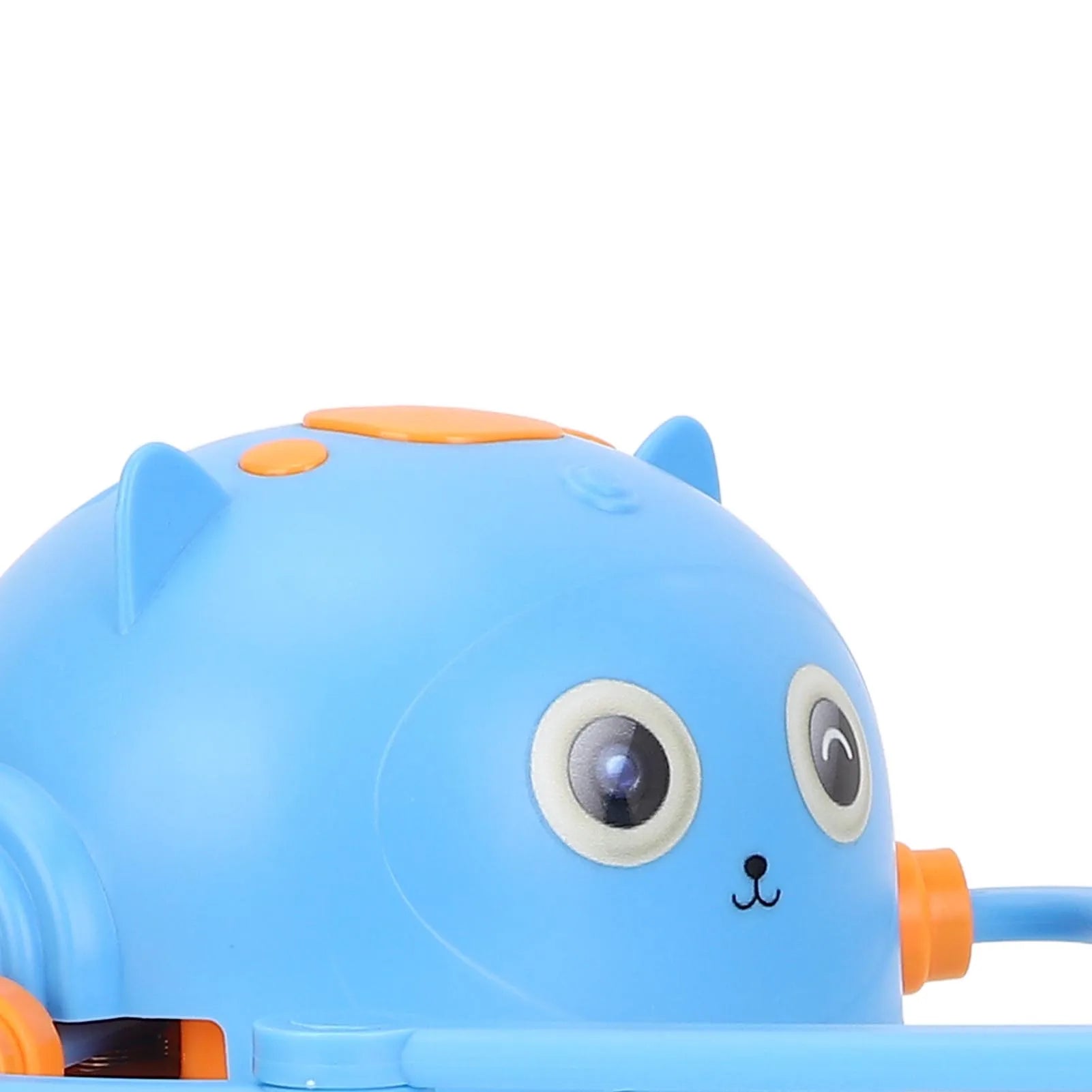
Preschooler fine motor skills development issues solved with guided drawing — 💡 See it in action
Shop Drawing Robot
How to Start Fine Motor Skill Activities at Home
- Choose one engaging tool
- Set 10-minute daily practice
- Encourage repetition
- Celebrate small progress
Consistency is more important than duration.
FAQ
What age should fine motor skill training start?
Fine motor skills can start developing as early as toddler years through simple activities like drawing, stacking, and sensory play.
How long does improvement take?
Many parents notice improvement within weeks of consistent practice.
What is the fastest way to improve drawing skills?
Guided drawing tools like robots help children practice structured movements repeatedly.
Pillar Article: A Drawing Robot Review: Best Picks Compared for Kids
Other Related Articles:
- How to Develop Fine Motor Skills: Top Tools Compared
- Interactive Toys for 7 Year Olds: Top Picks Compared
- Educational Robot Kit vs Drawing Robots: What’s Better
- Robot Interactive Toy Comparison: Which One Wins for Learning
Explore More:





