

Preschool Learning Toy Comparison Which Builds Skills Best
Which preschool learning toy builds skills best without screens?
Preschool learning toy options work best when they combine movement, imagination, and problem-solving in one experience. The right preschool learning toy keeps children focused longer, supports early math and language skills, and turns preschool learning through play into a daily habit—without relying on screens or constant adult direction.
Preschool Learning Toy Comparison Which Builds Skills Best
⏱ 7 min read
Choosing a preschool learning toy can feel overwhelming when every option claims to boost skills and attention. Parents want something that truly supports growth, keeps preschoolers engaged, and fits naturally into daily play—without screens taking over. This comparison breaks down what actually works, where each toy shines, and which types deliver the most real learning through play.
Excerpt: Screen free activities don’t have to feel like a battle or a backup plan—they can outperform screens when chosen well. We compared popular options that spark hands on play, support movement, and stretch attention spans during a screen free day, including clever builds, imaginative games, and active toys for toddlers that grow with your child. The surprising winner kept kids focused far longer than expected—so which activities truly hold their attention?
Explore hands on play ideas that actually work for busy preschoolers.
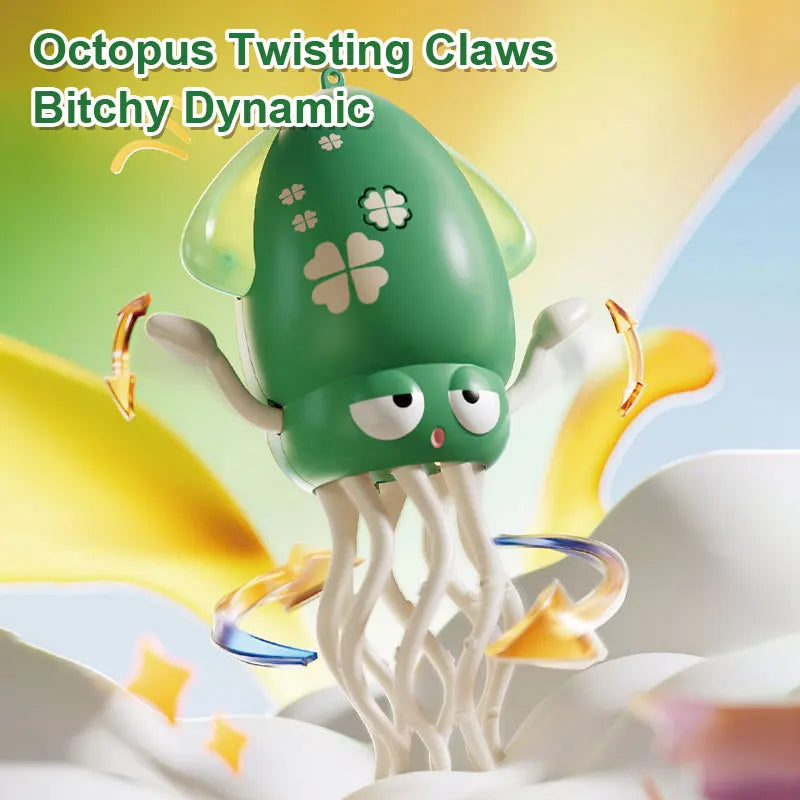
Preschool learning toy options that support preschool learning through play 💡 See it in action
Why Preschool Learning Toys Matter More Than Ever
Between busy schedules and constant digital distractions, many parents worry about attention span, readiness for school, and boredom at home. A well-designed preschool learning toy supports early development by encouraging active participation instead of passive watching.
Hands on play helps children practice language, coordination, and emotional regulation. During a screen free day, the right toy can transform downtime into meaningful learning without feeling forced.
Side-by-Side Comparison of Popular Preschool Learning Toys
| Toy Type | Main Skills Built | Engagement Time | Best For |
|---|---|---|---|
| Movement-Based Toys | Gross motor, focus, confidence | High | Active preschoolers |
| Building & Sorting Sets | Problem-solving, fine motor | Medium–High | Quiet play sessions |
| Pretend Play Kits | Language, social skills | Medium | Imaginative learners |
| Sensory Toys | Self-regulation, curiosity | Short–Medium | Calming moments |
How Movement-Based Toys Build Focus and Confidence
Preschool learning toy designs that include motion stand out for one reason: kids stay involved longer. When children move, clap, jump, or follow rhythms, they engage multiple parts of the brain at once.
Does a movement-focused preschool learning toy really help attention?
A preschool learning toy that uses movement improves focus by combining physical activity with simple challenges. This keeps preschoolers engaged longer than static toys, supports listening skills, and builds confidence as children succeed independently during preschool learning through play.
- Encourages full-body participation
- Reduces restlessness during screen free activities
- Supports coordination and balance
- Boosts confidence through repeated success
Many families pair movement toys with items from Baby Growth & Learning to create balanced daily routines that mix activity and calm play.
Imagination and Pretend Play: Hidden Skill Builders
Pretend play often looks simple, but it supports deep learning. When preschoolers role-play shops, animals, or everyday routines, they practice language, turn-taking, and emotional expression.
These toys shine during longer stretches of free play, especially when combined with sensory elements from Sensory Toys that help children reset between active games.
Learn how hands on play supports attention and early skills.
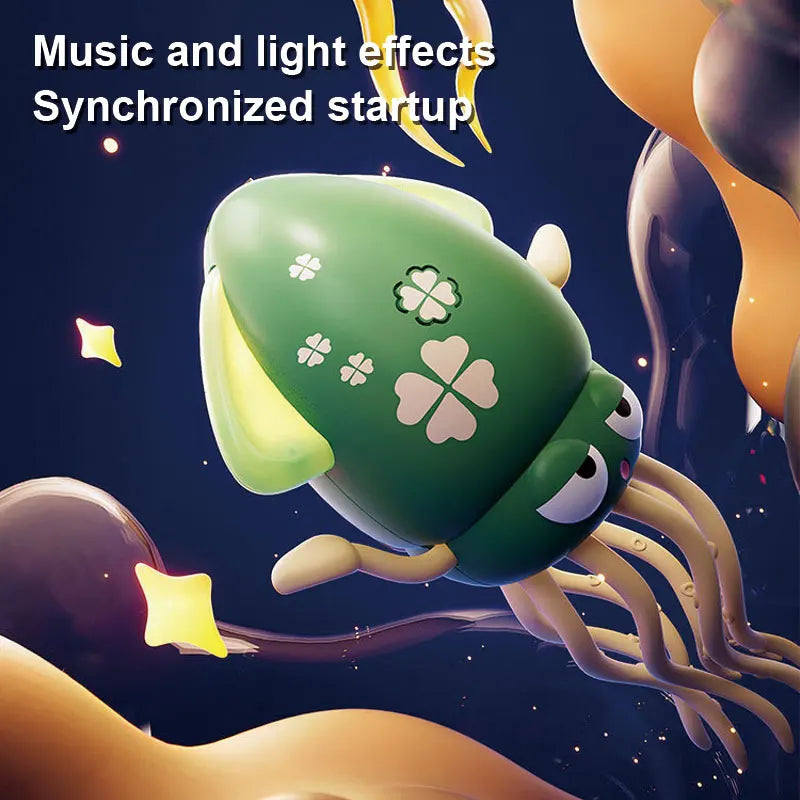
Best learning toys for preschool that encourage imagination 💡 See it in action
Problem-Solving Toys That Grow With Your Child
Building sets, puzzles, and sorting toys remain favorites because they adapt as children grow. A preschool learning toy in this category often starts with simple matching and evolves into creative construction.
Parents notice these toys work well during quiet time and pair nicely with calming routines supported by Sleep & Comfort products.
What Real Parents Notice After a Week of Play
- Longer independent play sessions without frustration
- More storytelling and pretend scenarios
- Improved listening and turn-taking
- Less reliance on screens during busy afternoons
Several parents reported that active toys like the Dancing Octopus Toy kept children engaged far longer than expected, especially during screen free days.
How to Choose the Best Learning Toys for Preschool
- Look for toys that combine movement and thinking.
- Choose open-ended designs that grow with your child.
- Balance active toys with calm, sensory-based options.
- Prioritize durability and easy storage for daily use.
Creating a mix from collections like Mobility & Training and Baby Growth & Learning helps cover physical, cognitive, and emotional development.
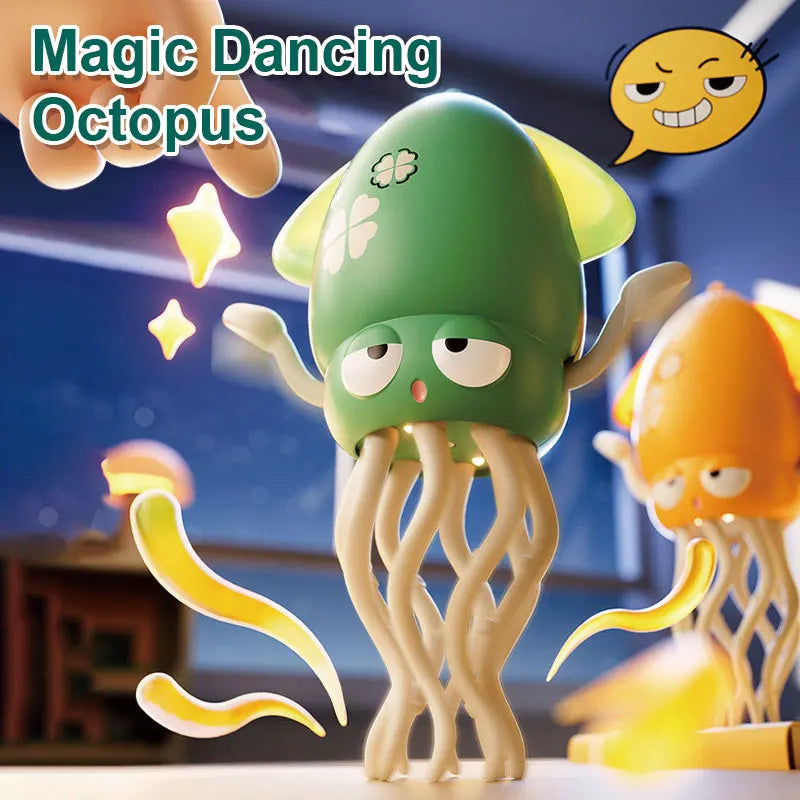
Preschool learning through play that keeps preschoolers engaged 💡 See it in action
Discover engaging preschool learning toys families trust.
Frequently Asked Questions
What makes a preschool learning toy effective?
An effective preschool learning toy encourages active participation, supports multiple skills, and adapts as children grow. Toys that combine movement, imagination, and problem-solving keep preschoolers engaged longer.
How many learning toys does a preschooler need?
Quality matters more than quantity. A small mix of active, creative, and problem-solving toys supports well-rounded development without overwhelming children.
Are screen free activities enough for preschool learning?
Yes. Screen free activities built around hands on play and movement often outperform digital options by improving focus, confidence, and social skills during everyday routines.
Related Guide: Interactive Toys for 1 Year Olds Compared for Real Play Value





