

Preschool Math Learning Difficulties How to Fix Them at Home
What causes preschool math learning difficulties and how can parents fix them at home?
Preschool math learning difficulties often come from abstract teaching, low confidence, or limited early math support. Simple, hands-on learning activities at home help children understand numbers through play, repetition, and real-life context. With consistent routines and a hands on math curriculum, most children improve quickly.
Preschool Math Learning Difficulties: How to Fix Them at Home
⏱ 6 min read
Does your child freeze when counting objects, mix up numbers, or avoid math time altogether? You’re not alone. Preschool math learning difficulties are common—and fixable. With the right approach, everyday moments at home can become powerful confidence-building math experiences that feel natural, calm, and even fun.
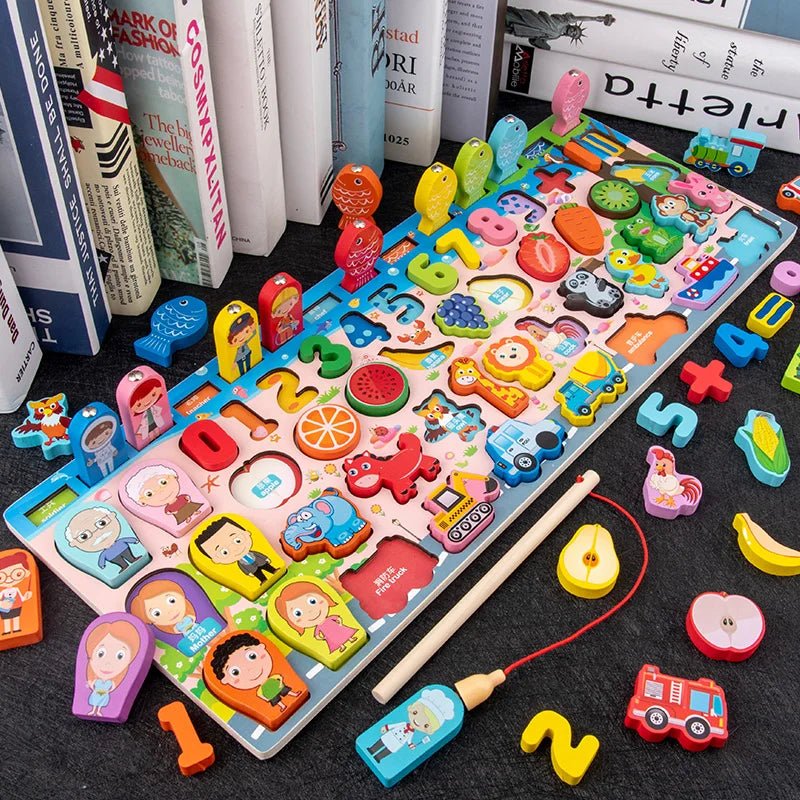
Hands-on math curriculum for preschool math learning difficulties 💡 See it in action
Why Math Feels Hard for Preschoolers
Many preschoolers struggle with math not because they lack ability, but because numbers are taught too abstractly. Worksheets, memorization, and rushed lessons can overwhelm young brains that learn best through touch and movement.
- Numbers feel meaningless without real objects
- Pressure creates anxiety and avoidance
- Different learning speeds aren’t always respected
- Limited early math support at home or school
When learning feels disconnected from real life, children disengage fast.
How to Spot Early Math Struggles Before They Grow
What are early signs of preschool math learning difficulties?
Preschool math learning difficulties often show up as counting errors, trouble recognizing numbers, or frustration during math activities. Some children avoid puzzles or give up quickly. Catching these signs early allows parents to provide gentle early math support before confidence drops.
- Skipping numbers while counting
- Confusing quantity (which pile is bigger)
- Difficulty matching numbers to objects
- Emotional reactions during math tasks
Early awareness lets you respond with support instead of pressure.
A Hands-On Solution That Actually Works
Children learn math best when they can touch, move, and see it. A hands on math curriculum replaces abstract numbers with physical experience, helping concepts stick naturally.
- Builds number sense through play
- Encourages problem-solving without fear
- Supports independent learning at each child’s pace
- Strengthens focus and memory
Many families pair hands-on tools with resources from Baby Growth & Learning to create a complete learning environment.
Step-by-Step Home Plan to Fix Math Struggles
- Create a calm, distraction-free learning space
- Introduce numbers using physical objects
- Repeat activities in short, daily sessions
- Celebrate effort, not speed or accuracy
- Gradually increase challenge through play
This approach aligns perfectly with independent learning montessori play principles.
Everyday Hands-On Learning Activities for Kindergarten Readiness
You don’t need special lessons—daily routines are full of math opportunities.
- Count snacks during meals
- Sort toys by size or color
- Build towers and compare heights
- Use puzzles and blocks for number matching
Adding sensory-based tools from Sensory Toys keeps engagement high while reinforcing concepts.
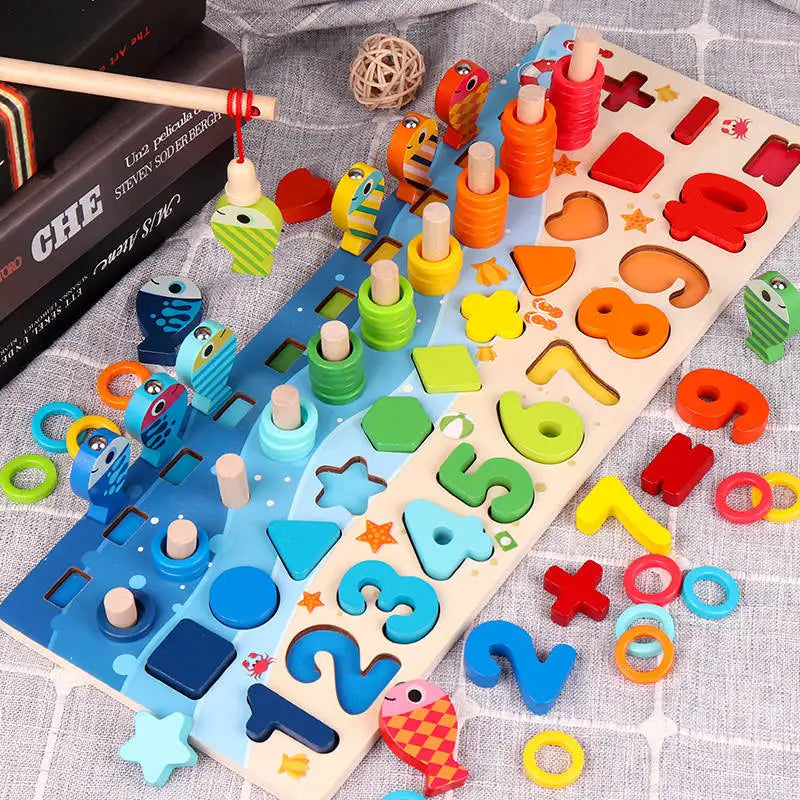
Hands on learning activities for kindergarten made simple 💡 See it in action
How to Build Math Confidence Without Pressure
Confidence grows when children feel safe to make mistakes. Avoid correcting immediately—ask questions instead.
- “How did you figure that out?”
- “Can you show me another way?”
- “What happens if we add one more?”
This mindset turns errors into learning moments and reduces math anxiety.
How the Right Tools Support Early Math at Home
The right materials make learning intuitive. Physical counting tools, number boards, and manipulatives give children control over their learning.
Many parents choose a simple wooden math toy as part of their early math support routine. You can explore one option here: Montessori Wooden Math Toy.
Pairing learning tools with organization ideas from Mom Essentials helps maintain consistent routines.
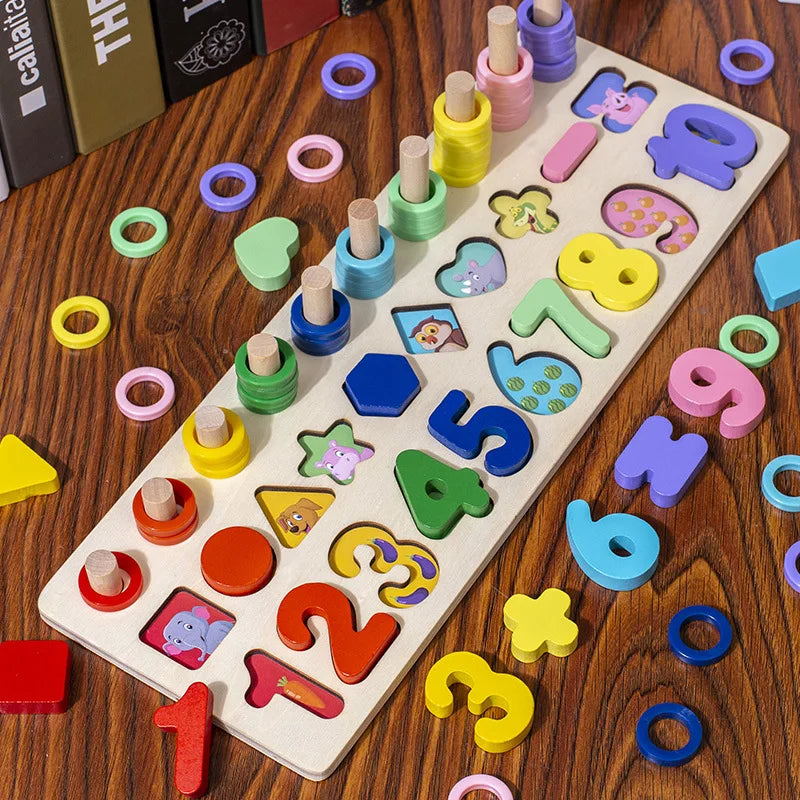
Early math support that builds confidence 💡 See it in action
Quick Parent FAQs
Can preschool math learning difficulties really be fixed at home?
Yes. With consistent hands-on learning activities and patience, most children improve quickly. Home environments allow learning at a child’s natural pace, reducing stress and increasing confidence.
How much time should we spend on math each day?
Short sessions work best. Ten to fifteen minutes of focused, playful interaction is often more effective than longer lessons.
What if my child still struggles?
Every child develops differently. Continue offering early math support and consult an educator if concerns persist—but avoid rushing or comparing.
Related Guide: How to Teach Numbers Preschool With Simple Daily Steps





