

Pretend Grocery Store Toy vs Cash Register Sets Explained
What is a pretend grocery store toy?
Pretend grocery store toy playsets let children act out shopping, scanning items, handling money, and interacting socially. A quality pretend grocery store toy builds early math skills, language, and confidence through pretend grocery shopping while encouraging longer, more imaginative play than single-purpose toys.
Pretend Grocery Store Toy vs Cash Register Sets Explained
⏱ 7 min read
Choosing between a full pretend grocery store toy and a simple toy cashier set can feel overwhelming. Both promise fun, learning, and smiles—but they don’t deliver the same experience over time. The right choice depends on space, age, and how deeply your child loves pretend grocery shopping. Let’s break down what actually matters so you can choose with confidence.
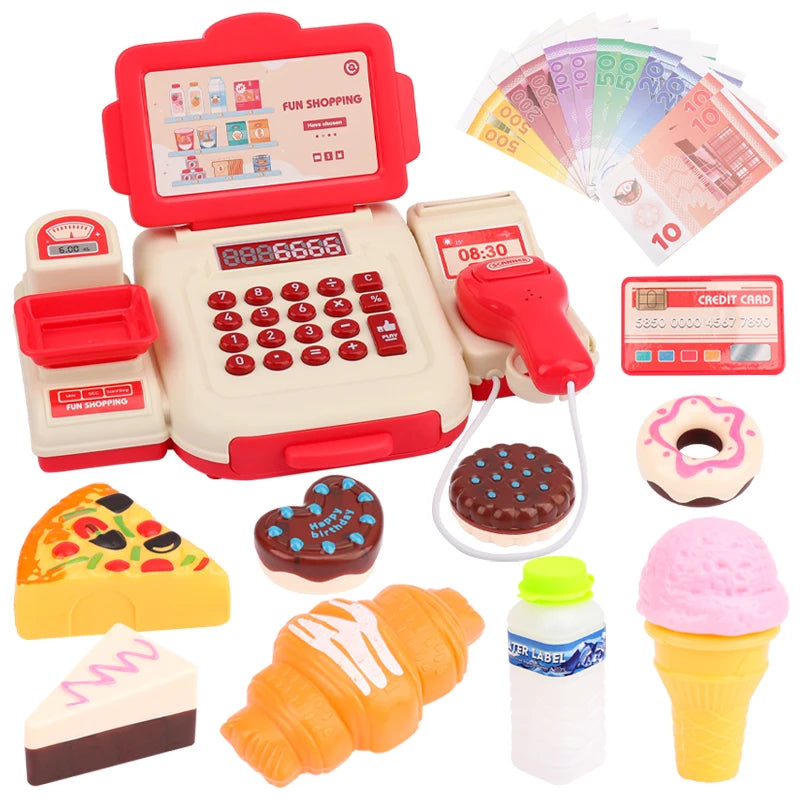
Pretend grocery store toy vs grocery checkout toy for pretend grocery shopping 💡 See it in action
Quick Comparison: Grocery Store vs Cash Register
| Feature | Pretend Grocery Store Toy | Toy Cashier Set |
|---|---|---|
| Play depth | Multi-role shopping, stocking, selling | Checkout-focused play |
| Space needed | Moderate | Minimal |
| Skill variety | Math, language, social skills | Counting, turn-taking |
| Long-term engagement | High for imaginative kids | Best for short sessions |
Why a Pretend Grocery Store Toy Encourages Deeper Play
A pretend grocery store toy supports open-ended play where kids switch roles between shopper, cashier, and store manager. This variety keeps interest high and helps children practice real-life routines in a safe, playful way.
Parents often notice fewer abandoned toys when kids can restock shelves, scan items, and role-play conversations. Over time, this kind of play feels less like a toy and more like a mini world they control.
- Encourages longer attention spans
- Supports cooperative play with siblings
- Introduces early problem-solving naturally
- Mimics real grocery checkout toy experiences
When a Toy Cashier Set Is the Better Fit
A toy cashier set works well for younger toddlers or small spaces. It focuses play on counting coins, pressing buttons, and simple back-and-forth interactions.
If your child enjoys repetition and short play bursts, a compact grocery checkout toy can still deliver meaningful learning without overwhelming them.
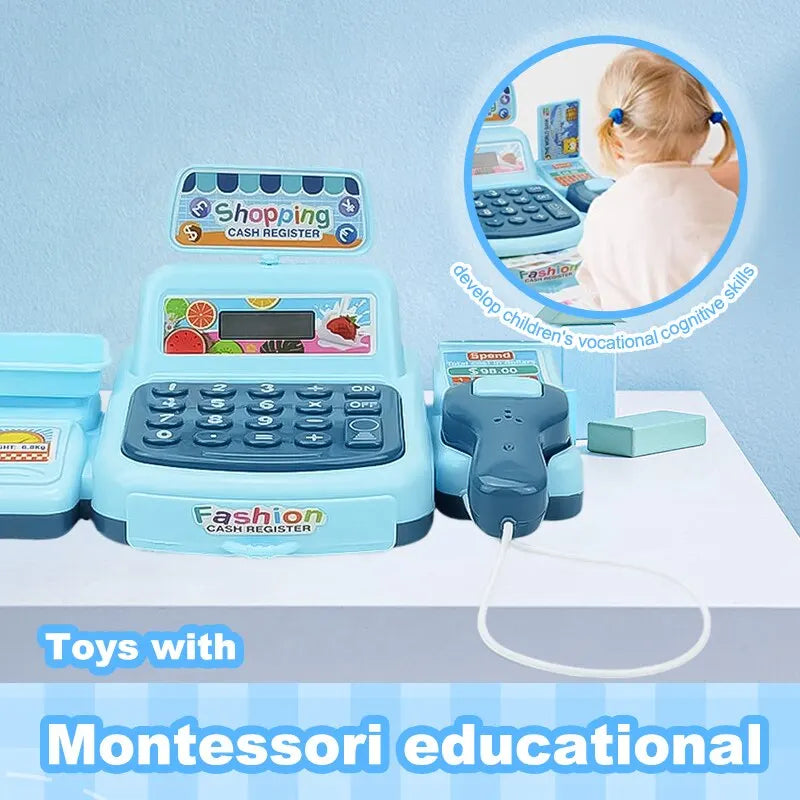
Toy cashier set and grocery checkout toy details for pretend grocery shopping 💡 See it in action
Skills Kids Build Through Pretend Grocery Shopping
Pretend grocery shopping isn’t just cute—it’s packed with learning moments that feel natural and fun.
- Early math: Counting items, making change, comparing prices
- Language: Naming foods, asking questions, role conversations
- Social growth: Turn-taking, empathy, cooperation
- Confidence: Making choices and leading play scenarios
Many parents pair role play toys with items from Baby Growth & Learning to support well-rounded development through play.
How to Choose the Right Set for Your Child
Ask yourself a few practical questions before deciding:
- Does my child enjoy imaginative role play or button-based toys?
- How much space can we dedicate to setup?
- Will siblings play together?
- Do I want a single focus or multiple play paths?
For families looking to build a full play routine, browsing Sensory Toys alongside a pretend grocery store toy can extend engagement even further.
What Parents Notice After Weeks of Play
Parents often share that children return to grocery-themed play long after the first week. Many mention improved confidence in social situations and better number recognition during everyday errands.
One common theme: larger sets grow with the child, while smaller cashier toys shine early but may be outgrown faster.

Pretend grocery store toy setup with toy cashier set for pretend grocery shopping 💡 See it in action
FAQs
What age is best for a pretend grocery store toy?
Most children enjoy pretend grocery store toy play from ages 3 to 7, with older kids creating more complex shopping scenarios over time.
Is a grocery checkout toy good for learning math?
Yes. Counting items, using play money, and scanning products help introduce basic math concepts in a playful, low-pressure way.
Do toy cashier sets work for small apartments?
Toy cashier sets are compact and easy to store, making them ideal for smaller spaces or quick play sessions.
Related Guide: Interactive Toy Buying Guide for Smart Playtime Choices





