

Pretend Play Preschool Toys Side by Side Social Benefits
Does pretend play preschool really help children build social skills?
Pretend play preschool activities help children learn social skills by practicing communication, empathy, and cooperation in low-pressure, playful settings. Through social pretend play, kids take turns, solve small conflicts, and understand others’ feelings, making pretend play in early childhood a powerful foundation for friendships and emotional growth.
Pretend Play Preschool Toys Side by Side Social Benefits
Pretend play preschool experiences quietly shape how children learn to connect with others, often long before group games or classroom rules take center stage. Side-by-side play may look simple, but it is where kids begin to notice peers, share space, and experiment with cooperation. With the right toys for social development, everyday playtime becomes a gentle lesson in empathy, confidence, and communication.
⏱ 6 min read
Have you ever noticed two preschoolers playing next to each other, doing similar things, yet barely speaking? This stage is normal—and it’s also a huge opportunity. The right pretend play toys can turn parallel play into meaningful social interaction.
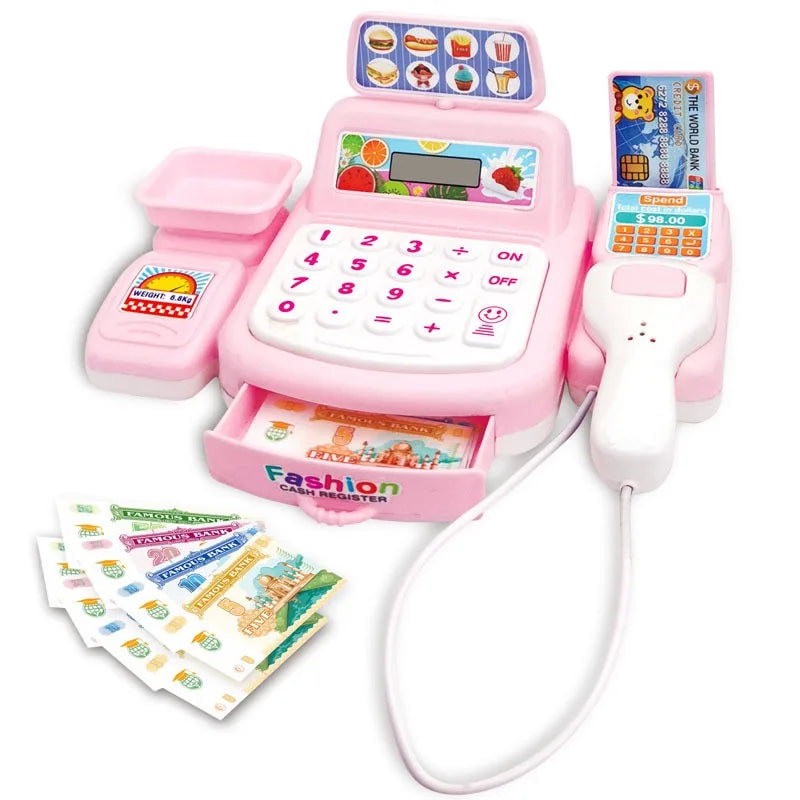
Pretend play preschool moments that spark social pretend play 💡 See it in action
Why Side-by-Side Play Matters in Preschool
Side-by-side play, often called parallel play, is a key phase in pretend play in early childhood. Children play near each other, observe behaviors, and slowly begin to interact. This stage builds comfort and awareness before direct cooperation begins.
- Children feel safe playing without pressure to perform
- They observe social cues and copy positive behaviors
- It lays the groundwork for sharing and teamwork
- Confidence grows naturally through repeated exposure
Parents often worry when kids don’t “play together” right away. In reality, this phase is exactly where social pretend play begins to bloom.
How Does Pretend Play Preschool Support Social Development?
Pretend play preschool activities help children develop social skills by letting them practice real-life roles in a playful, flexible way. Through social pretend play, kids learn turn-taking, empathy, and communication while feeling safe to experiment, make mistakes, and try again with peers.
Unlike structured lessons, pretend play toys invite children to create their own rules. This freedom encourages:
- Communication: Kids explain ideas, negotiate roles, and express needs.
- Empathy: Acting out roles helps children understand others’ feelings.
- Problem-solving: Small conflicts become chances to practice solutions.
- Cooperation: Shared goals naturally encourage teamwork.
These moments may seem small, but over time they build strong preschool social skills that support classroom readiness.
Side-by-Side Comparison: Pretend Play Toys That Encourage Interaction
Not all toys support social development equally. Below is a simple comparison to help parents understand where each option fits best.
| Toy Type | Best For | Social Benefits | Limitations |
|---|---|---|---|
| Role-Play Sets | Ages 3–5 | Encourages dialogue, empathy, shared roles | Needs guidance at first |
| Sensory Toys | Ages 2–4 | Calms children, supports parallel play | Less verbal interaction |
| Board & Cooperative Games | Ages 4–6 | Turn-taking, rule-following | Requires adult setup |
For families exploring learning through play, browsing Baby Growth & Learning and Sensory Toys collections can help match toys to your child’s current stage.
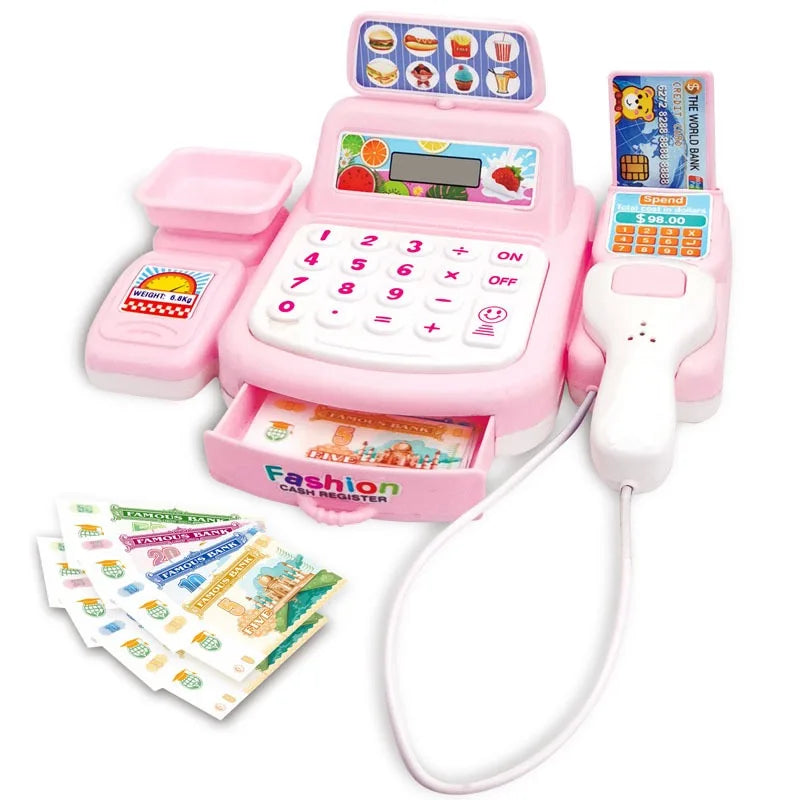
Social pretend play in action with toys for social development 💡 See it in action
How to Use Pretend Play Toys at Home for Better Social Growth
You don’t need complex setups to encourage social pretend play. Small changes in how toys are used can make a big difference.
- Set up toys in shared spaces, not separate corners
- Model simple role-play scenarios at first
- Invite siblings or friends to play nearby
- Let children lead the story without correcting
Parents often report fewer conflicts and more cooperation when pretend play becomes a regular routine. Many also pair playtime with calming routines supported by Sleep & Comfort items to help children transition smoothly after active play.
Product Spotlight: Simulation Cashier Toy
The Simulation Cashier Toy stands out in pretend play preschool settings by encouraging shared roles, conversation, and turn-taking. Children naturally practice social pretend play as they act as cashier or customer, making it a practical tool for building communication, cooperation, and confidence during everyday play.
- ✔ Encourages dialogue and role-switching
- ✔ Supports side-by-side and cooperative play
- ✔ Familiar real-world scenario for preschoolers
- ❌ Requires space for setup
This toy fits well alongside other toys for social development and can be explored further here: Simulation Cashier Toy.
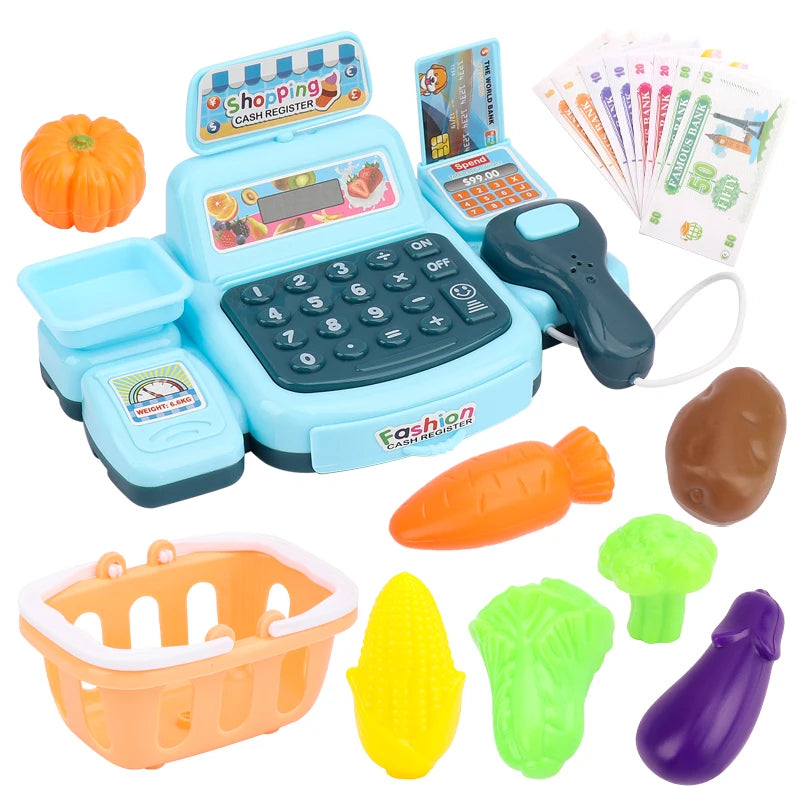
Pretend play in early childhood builds confidence and cooperation 💡 See it in action
Frequently Asked Questions
What age is best for pretend play preschool toys?
Most children begin simple pretend play around age 2, with social pretend play expanding between ages 3 and 5. This is when toys for social development are most effective.
Can pretend play really help shy children?
Yes. Pretend play in early childhood offers low-pressure interaction, helping shy children practice communication and build confidence at their own pace.
How often should children engage in social pretend play?
Short daily sessions, even 15–20 minutes, can support steady growth in preschool social skills when play is consistent and child-led.
Related Guide: Interactive Toy Buying Guide for Smart Playtime Choices





