

Pretend Play Social Development Results Families Notice
Does pretend play really build social skills in children?
Pretend play social development grows naturally when children act out real-life roles, practice conversations, and solve small conflicts together. Through repeated social pretend play, kids learn empathy, turn-taking, and emotional expression. Families supporting pretend play in early childhood often notice stronger cooperation and confidence at home and with peers.
Pretend Play Social Development Results Families Notice
Pretend play social development is one of the most natural ways children learn how to connect with others. From negotiating roles to expressing emotions safely, these everyday play moments quietly shape communication, empathy, and cooperation. Many families are surprised by how quickly social pretend play changes daily interactions at home.
⏱ 7 min read
Which everyday play moments are shaping your child’s social skills right now? Read on to see what many families experience.
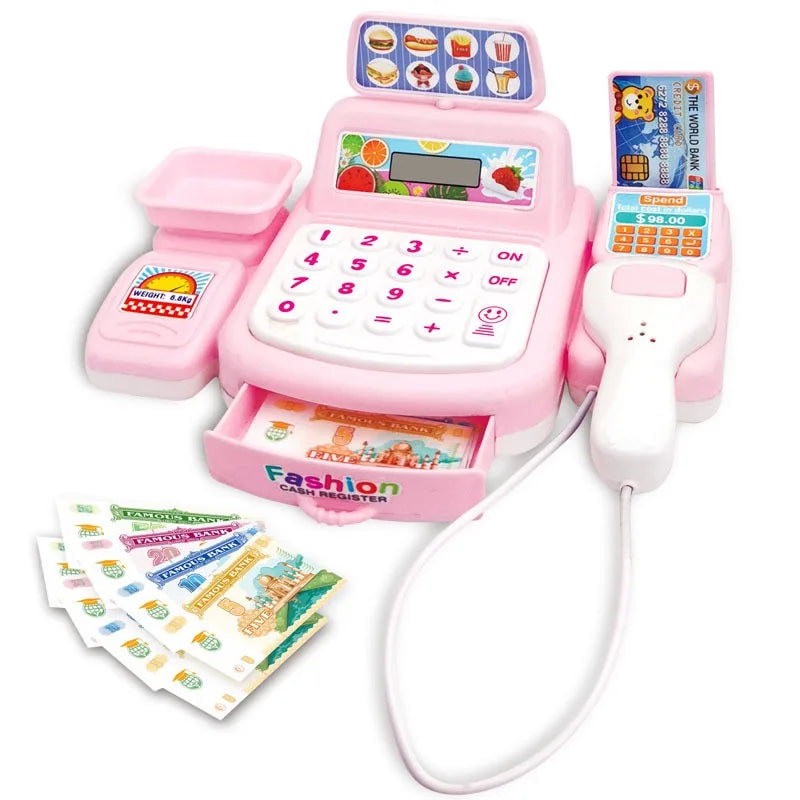
Social pretend play moments that strengthen pretend play social development 💡 See it in action
Why Pretend Play Shapes Social Growth Early
Pretend play in early childhood gives kids a safe space to experiment with relationships. By acting out familiar scenes—shopping, cooking, or caring for others—children practice social rules without pressure.
Unlike passive activities, pretend scenarios require listening, responding, and adjusting behavior. These repeated interactions strengthen the foundation for healthy child social skills.
- Children practice expressing needs and feelings
- They learn to read emotional cues
- They explore cooperation and compromise
- They gain confidence in group settings
Real Social Changes Families Notice at Home
Many parents report noticeable shifts within weeks of consistent social pretend play. Simple routines feel calmer, and communication becomes clearer.
- More sharing without reminders
- Longer back-and-forth conversations
- Fewer emotional outbursts during play
- Increased patience with siblings
These results often feel subtle at first, but they add up quickly in everyday life.
How Social Pretend Play Builds Key Skills
Pretend play social development strengthens multiple abilities at once by blending imagination with real-world interaction.
- Role negotiation: Children decide who plays which part.
- Problem-solving: Small conflicts are resolved through dialogue.
- Emotional regulation: Kids explore feelings in a safe context.
- Language growth: New words emerge through storytelling.
Over time, these moments create emotional learning patterns that last beyond playtime.
Choosing Toys That Support Social Development
Not all toys encourage interaction. The most effective toys for social development invite cooperation, conversation, and shared goals.
Families often combine pretend play toys with supportive environments like Baby Growth & Learning collections to keep children engaged longer.
- Open-ended pretend sets
- Real-life role-play themes
- Durable pieces for group play
- Simple rules that encourage dialogue
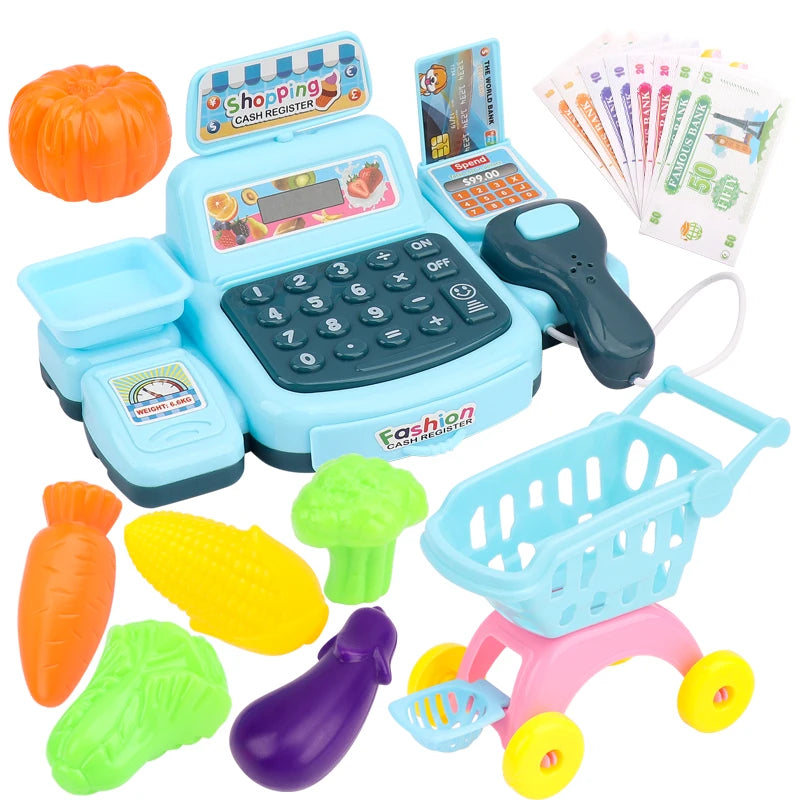
Pretend play in early childhood builds confidence through shared roles 💡 See it in action
Why the Simulation Cashier Toy Stands Out for Social Play
Pretend play social development improves when children use realistic role-play tools together. The Simulation Cashier Toy encourages conversation, turn-taking, and cooperative problem-solving by recreating familiar shopping experiences children recognize.
This toy naturally supports social pretend play by prompting children to ask questions, respond politely, and understand simple social exchanges.
Simulation Cashier Toy works especially well when paired with learning-focused collections like Sensory Toys for richer play experiences.
| Benefits | What Families Notice |
|---|---|
| Role-based interaction | Clearer communication |
| Shared play structure | Less conflict during play |
| Real-world familiarity | Longer engagement time |
How It Compares to Other Pretend Play Toys
Compared with generic pretend sets, cashier-style play introduces natural social rules. Children must wait, listen, and respond, which strengthens emotional awareness.
| Toy Type | Social Interaction Level |
|---|---|
| Simple figurines | Low to moderate |
| Dress-up costumes | Moderate |
| Simulation Cashier Toy | High |
Parents often see faster improvements in cooperation when play has built-in structure.
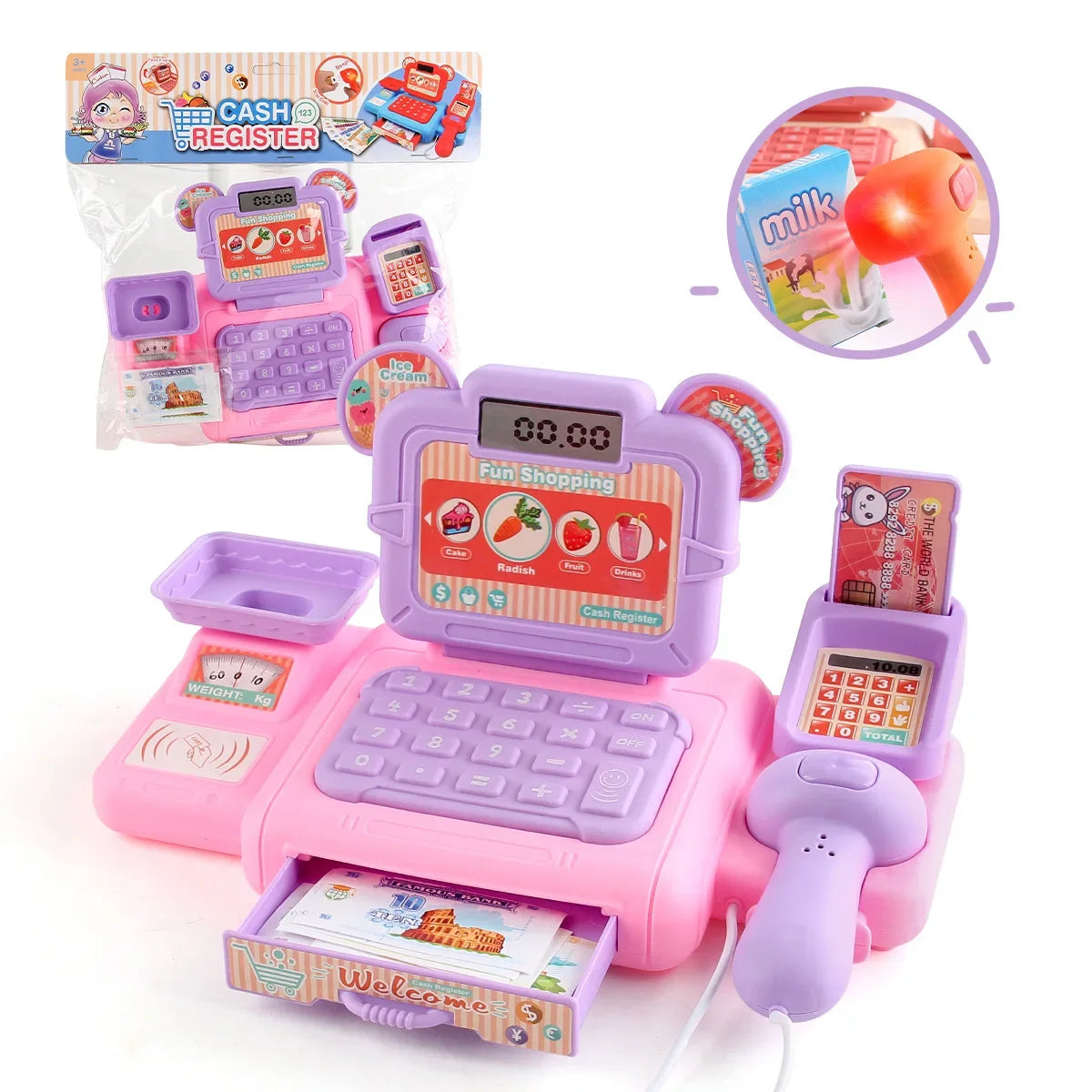
Social pretend play builds trust and teamwork 💡 See it in action
Frequently Asked Questions
At what age does pretend play social development begin?
Most children start basic pretend play around age two. As language skills grow, social pretend play becomes more interactive and cooperative.
How often should children engage in pretend play?
Short daily sessions are effective. Even 15–20 minutes of shared pretend play can support emotional learning.
Can pretend play help shy children?
Yes. Pretend play offers a low-pressure way to practice interaction, helping shy children build confidence gradually.
Do pretend play toys replace social interaction with adults?
No. Adult participation enhances pretend play by modeling language, empathy, and problem-solving behaviors.
Related Guide: Learning Educational Toys Review What Parents Love Most





