

Prevent Toddler Slipping on Hardwood Floors When Walking
Why is my toddler slipping on hardwood floors?
Toddler slipping on hardwood floors happens because smooth surfaces reduce traction while early walkers lack balance control. Choosing walking aids with rubber trimmed wheels safety, using a stable wooden push walker, and setting up an engaging indoor baby walking toy area can improve grip, confidence, and balance during indoor practice.
Prevent Toddler Slipping on Hardwood Floors When Walking
⏱ 6 min read
Toddler slipping on hardwood floors is a common worry for parents watching those first wobbly steps. One moment your child is smiling proudly, the next they slide and sit down—sometimes in tears, sometimes just confused. The good news? With the right setup, tools, and habits, you can turn slippery floors into a safer learning space while building confidence and joy in walking.
Which simple detail do most parents overlook when toddlers start walking indoors? Keep reading to find out.
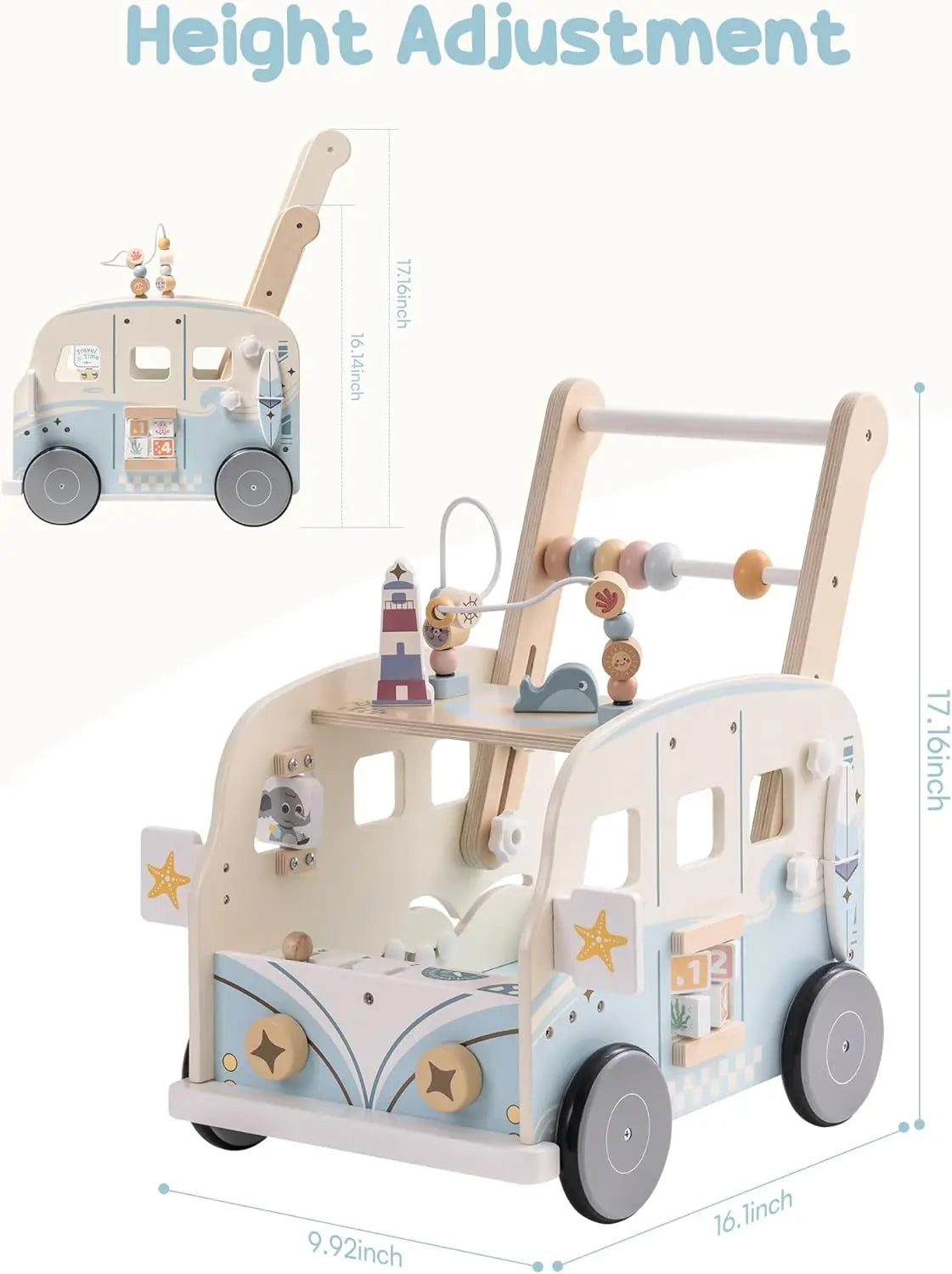
Toddler slipping on hardwood floors improves with rubber trimmed wheels safety — 💡 See it in action
Why Hardwood Floors Are Slippery for Toddlers
Toddler slipping on hardwood floors is not about clumsiness—it’s about physics and development. Hardwood offers little friction, while toddlers are still learning how to shift weight, stop momentum, and correct balance.
- Socks glide easily on smooth surfaces
- Small feet have limited grip strength
- Balance reflexes are still developing
- Lightweight toys can roll too fast
Without the right support, even confident toddlers can lose trust in walking.
Quick Fixes Parents Can Try Today
Before buying anything, a few simple adjustments can reduce toddler slipping on hardwood floors right away.
- Let toddlers walk barefoot or with grip socks
- Clear clutter to avoid sudden stops
- Use walking aids with weight and stability
- Create a short, consistent practice path
However, these fixes work best when paired with the right walking toy designed for indoor use.
How a Wooden Push Walker Improves Balance
A wooden push walker provides steady resistance and predictable movement, helping toddlers control speed instead of chasing a rolling toy.
Does a wooden push walker really help prevent slipping?
Toddler slipping on hardwood floors is reduced when a wooden push walker adds weight, stability, and controlled movement. Unlike lightweight plastic toys, wood offers natural resistance, helping toddlers practice balance, posture, and safe forward motion indoors.
Compared to ride-ons or pull toys, push walkers encourage upright posture and even steps.
Parents browsing Baby Growth & Learning often look for toys that support both safety and skill-building during this stage.
One popular option is a solid wooden push walker that combines balance support with playful engagement.
Why Rubber Trimmed Wheels Safety Matters
Wheels determine whether a walking toy supports learning—or causes falls.
How do rubber trimmed wheels improve safety?
Toddler slipping on hardwood floors decreases when walking toys use rubber trimmed wheels safety features. Rubber adds friction, slows sudden movement, and prevents toys from sliding too fast, giving toddlers better control and reducing unexpected falls.
- Better grip on smooth floors
- Controlled speed during pushing
- Less sudden sliding
- More confidence for hesitant walkers
Families often pair walkers with other movement tools from Mobility & Training to support active indoor play.
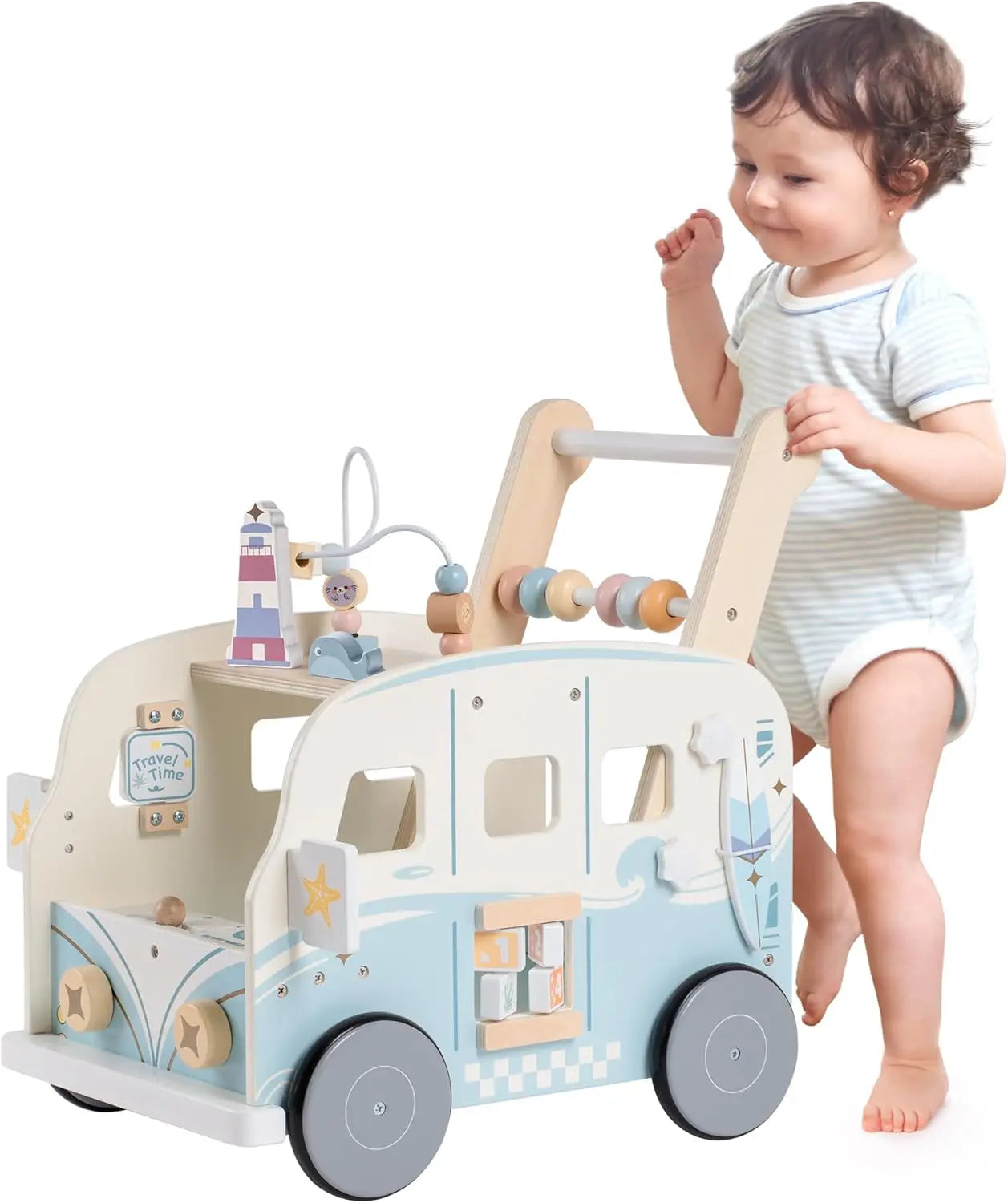
Rubber trimmed wheels safety supports indoor baby walking toy control — 💡 See it in action
Step-by-Step Setup for Safer Indoor Walking
Follow this simple setup to reduce toddler slipping on hardwood floors during daily practice.
- Choose a flat, well-lit walking area
- Use a wooden push walker with rubber trimmed wheels
- Have your toddler walk barefoot or in grip socks
- Stand nearby, but let them control the pace
- Practice for short, positive sessions
Consistency matters more than long sessions. Even 5–10 minutes a few times a day builds confidence.
Walking Aid Options Compared
| Option | Pros | Cons |
|---|---|---|
| Wooden Push Walker | Stable, balanced, controlled speed | Heavier to move |
| Plastic Walker | Lightweight, colorful | Slides easily on hardwood |
| Ride-On Toy | Fun for play | Doesn’t teach walking balance |
This comparison helps parents overwhelmed by choices focus on what truly supports walking safety.
What Real Parents Notice After Switching
Parents who switch to walkers with rubber trimmed wheels safety often share similar observations:
- Fewer slips and falls
- More confident steps within days
- Less fear when transitioning between rooms
- Longer independent play sessions
Many also explore complementary safety tools from Health & Safety to create a safer home environment overall.

Indoor baby walking toy setup reduces toddler slipping on hardwood floors — 💡 See it in action
FAQ: Toddler Walking on Hardwood Floors
Should toddlers wear shoes indoors on hardwood floors?
Most toddlers walk more naturally barefoot or with grip socks indoors. Shoes can reduce sensory feedback and sometimes increase slipping on smooth floors.
At what age should I introduce a push walker?
Many parents introduce a wooden push walker between 9–12 months, when babies start pulling up and cruising.
Can area rugs replace walking toys?
Rugs help with traction but don’t teach balance control. Walking toys with rubber trimmed wheels safety offer active learning support.
Is slipping normal during early walking?
Yes, occasional slips are normal. The goal is reducing frequent falls so toddlers stay confident and motivated.
Related Guide: How to Teach Infant to Walk Step by Step at Home





