

Kids Swim Goggles: Find the Right Fit to Stop Leaks Fast
Do Proper Fit Kids Swim Goggles Really Prevent Leaks and Pressure Marks?
Proper fit kids swim goggles reduce leaks and pressure by matching the lens size, gasket shape, nose bridge, and strap adjustment to your child's face. A well-fitted pair creates a gentle seal that keeps water out without excessive tightening, helping young swimmers enjoy clear vision, fewer distractions, and greater confidence during lessons or recreational swimming.
Proper Fit Kids Swim Goggles: Side-by-Side Size Comparison
⏱ 7 min read
Proper fit kids swim goggles make the difference between confident laps and constant leaks. Parents often struggle to choose the best swim goggles for beginners because sizing charts can be confusing and every child's face develops differently. This guide compares kids swim goggles by size, age, features, and swimming level so you can confidently choose comfortable swim goggles that fit well and last.
Curious how fit affects comfort, visibility, and leak prevention? Explore the comparison below before choosing your child's next pair.
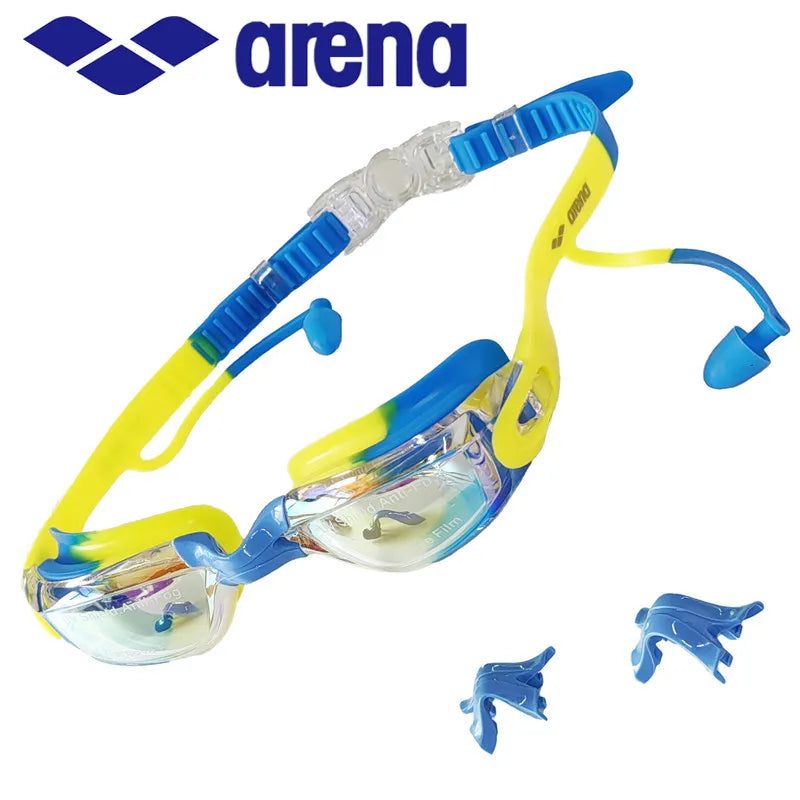
Proper fit kids swim goggles sized for comfort — see how lens shape and seal depth affect beginners. See it in action.
Best Kids Swim Goggles: Top Picks Compared by Age, Skill, and Use
Before comparing sizes, it helps to understand which style of kids swim goggles matches your child's swimming experience. Rather than focusing on a particular brand, consider overall fit, comfort, lens technology, and adjustability.
| Recommended For | Typical Age | Lens Type | Anti-Fog | UV Protection | Best Use |
|---|---|---|---|---|---|
| Toddlers | 3–5 years | Clear wide-view | Yes | Yes | First swim lessons |
| Young beginners | 5–8 years | Clear or lightly tinted | Yes | Yes | Indoor classes |
| Regular swimmers | 8–12 years | Tinted or mirrored | Yes | Yes | Outdoor pools and practice |
| Competitive youth swimmers | 10+ years | Low-profile mirrored | Yes | Yes | Training and racing |
These recommendations prioritize secure seals, comfortable silicone gaskets, easy strap adjustment, lens clarity, and durability because those features consistently influence comfort more than branding alone.
Why Proper Fit Kids Swim Goggles Matter More Than Brand
Proper fit kids swim goggles protect sensitive eyes, improve visibility underwater, and reduce distractions that interrupt swimming lessons. Even premium goggles can leak if the seal does not match a child's face shape, while a correctly fitted entry-level pair often performs exceptionally well.
- Too small: creates uncomfortable pressure around the eyes and nose bridge.
- Too large: allows water inside and requires constant adjustment.
- Correct fit: forms a gentle seal without painful squeezing or slipping.
- Balanced straps: keep goggles stable without leaving deep pressure marks.
Parents browsing Health & Safety products often overlook goggles, yet comfortable eye protection can make swimming lessons more enjoyable and encourage children to stay focused in the water.
Kids Swim Goggles Sizing Guide: How to Choose the Right Size
What Size Swim Goggles Are Best for Toddlers, Kids, and Teens?
| Size | Typical Age | Best For | Common Fit Problem Solved |
|---|---|---|---|
| Small | 3–5 years | Narrow faces and first lessons | Oversized leaks and slipping |
| Medium | 5–8 years | Most beginner swimmers | Pressure around the eyes |
| Large | 8–12 years | Older children and wider faces | Limited visibility and tight nose bridges |
Age is only a starting point. Children of the same age can have very different face widths, so always check the actual fit rather than relying solely on packaging.
For families already shopping bath-time gear from Baby Bath Accessories , selecting correctly sized goggles complements a safe water routine.
How to Measure Your Child for Swim Goggles
- Place the goggles gently over the eyes without using the straps.
- Lightly press the lenses into position.
- If they remain in place for a couple of seconds, the seal is usually appropriate.
- Adjust the nose bridge if applicable.
- Set the straps so they feel snug rather than tight.
Signs Your Child's Goggles Are Too Small or Too Large
- Deep red marks that remain long after swimming.
- Water entering during every lap.
- Frequent slipping while diving or pushing off the wall.
- Complaints about headaches or nose bridge pressure.
- Straps adjusted to either extreme with little room left.
Parents tracking development through Baby Growth & Learning may find it helpful to reassess goggle fit every six to twelve months as facial features grow.
Best Kids Swim Goggles by Age Group and Swimming Level
Best Goggles for Toddlers and Young Beginners
Young children benefit from wide lenses, extra-soft silicone seals, and simple adjustment systems that minimize frustration before entering the water.
Best Swim Goggles for Kids Learning Lessons
Children attending weekly lessons usually appreciate medium-profile goggles with anti-fog coatings, UV protection, and split straps that distribute pressure evenly.
Best Youth Swim Goggles for Competitive Swimming
Older swimmers who train regularly often prefer streamlined youth swim goggles with firmer seals, stable frames, and mirrored lenses for bright outdoor environments.
Parents assembling complete swim kits from Baby Care Essentials often choose comfort first because positive early experiences can help reduce anxiety around swimming.
Features That Make Comfortable Swim Goggles Worth Buying
Anti-Fog Lens Technology Explained
Anti-fog coatings reduce condensation inside the lenses, helping children maintain clear underwater vision. To preserve the coating, avoid rubbing the inside of the lenses with fingers or towels.
UV Protection and Lens Color Options
- Clear lenses: Ideal for indoor pools and low-light conditions.
- Tinted lenses: Reduce brightness for mixed indoor and outdoor use.
- Mirrored lenses: Better for sunny outdoor pools.
Leak-Proof Seals and Easy Adjustment Straps
Soft silicone seals adapt more comfortably to facial contours than firmer materials. Split straps distribute pressure more evenly and help keep goggles centered during swimming.
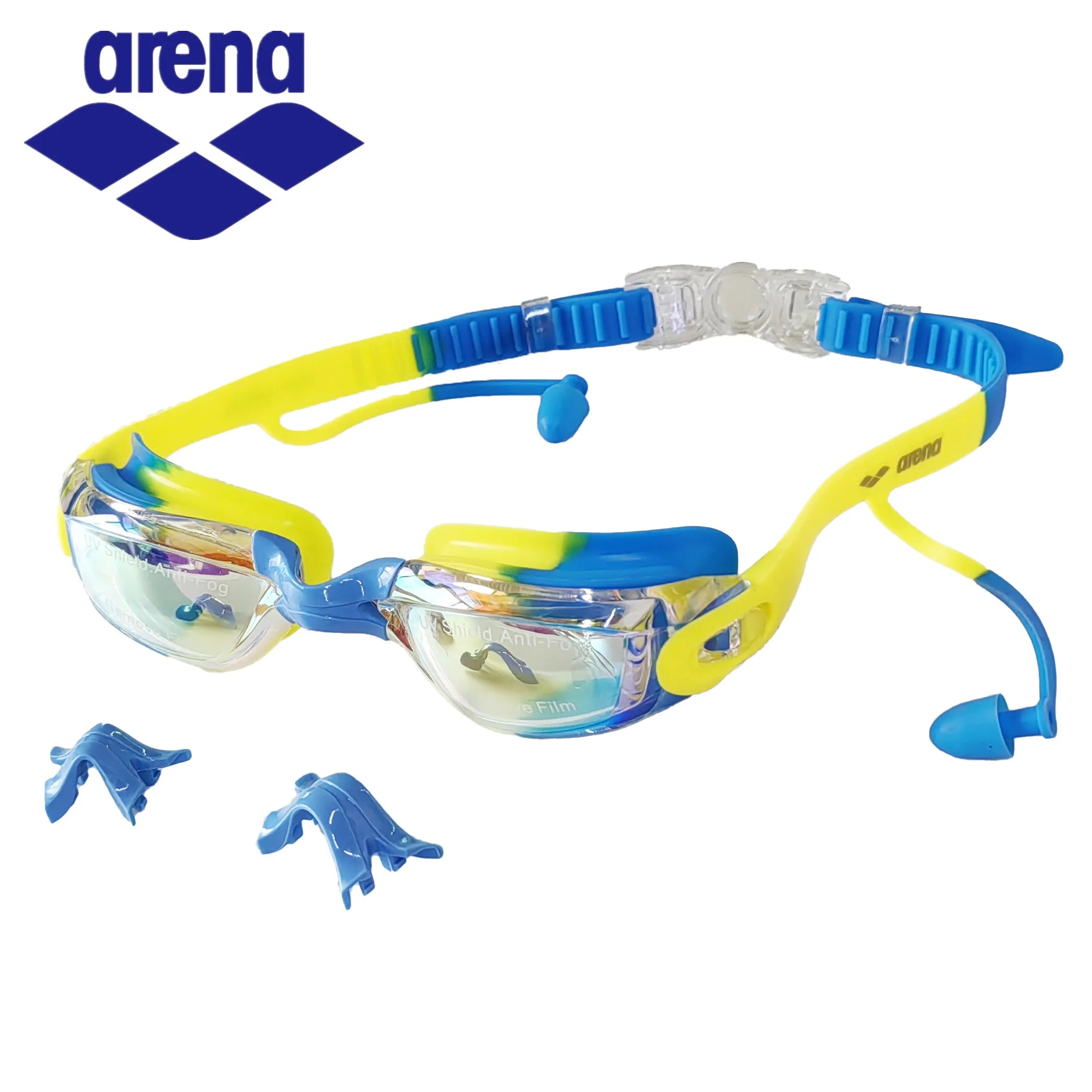
Comfortable swim goggles with soft seals and clear lenses—ideal for beginners. See it in action.
Families focused on calm routines may also explore Sleep & Comfort products, since enjoyable swimming sessions often contribute to positive daily routines.
Kids Swim Goggles Comparison: Lens and Feature Guide
Clear vs Mirrored vs Polarized Lenses
| Lens Type | Best Environment | Main Advantage |
|---|---|---|
| Clear | Indoor pools | Maximum visibility |
| Mirrored | Bright outdoor pools | Reduces glare |
| Polarized | Outdoor recreation | Improves comfort around reflected sunlight |
Silicone Seal vs Foam Seal Comparison
| Seal Material | Comfort | Durability | Typical Use |
|---|---|---|---|
| Silicone | Excellent | High | Most kids swim goggles |
| Foam | Soft initially | Lower | Occasional recreational use |
How to Prevent Kids Swim Goggles From Fogging and Leaking
- Rinse goggles with clean water after each swim.
- Avoid touching the inside of anti-fog lenses.
- Adjust straps evenly on both sides.
- Replace worn silicone seals when leaks become frequent.
- Store goggles in a protective case instead of tossing them into a swim bag.
Smart Buying Tips Before You Choose Kids Swim Goggles
Common Mistakes Parents Make When Buying Goggles
- Choosing only by age instead of face shape.
- Overtightening straps to stop leaks.
- Ignoring UV protection for outdoor swimming.
- Buying racing goggles for beginners.
- Replacing straps instead of upgrading an outgrown size.
How Long Do Kids Swim Goggles Last?
Most children can use a quality pair for one swimming season or longer with proper care. Replace goggles when the seals become stiff, lenses remain scratched, straps lose elasticity, or the fit no longer matches your child's face.
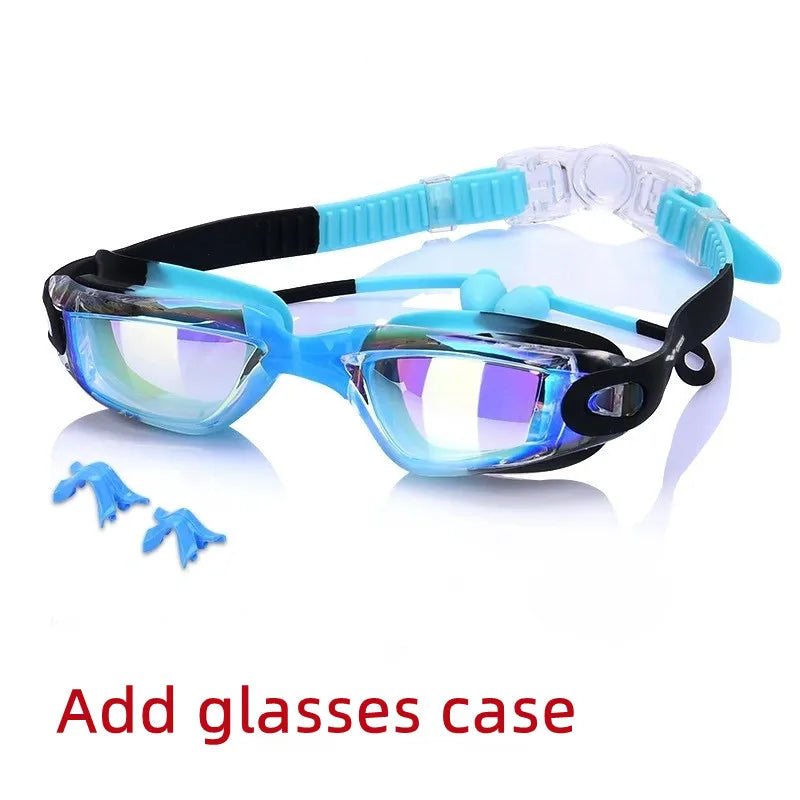
Youth swim goggles designed to stay leak-free as kids grow. See it in action.
Pair goggles with other safety-focused items from Health & Safety to support confident water play.
How to Clean and Maintain Kids Swim Goggles
- Rinse thoroughly with fresh water after every swim.
- Allow goggles to air dry naturally before storing.
- Keep them in a protective case to reduce scratches.
- Do not wipe the inside of anti-fog lenses.
- Inspect straps and seals regularly for wear.
Quick FAQ About Kids Swim Goggles
How tight should kids swim goggles be?
They should feel secure enough to maintain a seal without causing pain. If deep marks remain long after swimming, the straps are probably too tight.
How often should kids swim goggles be replaced?
Inspect them regularly and replace them whenever the seals no longer prevent leaks, the straps lose elasticity, or your child outgrows the frame.
Are youth swim goggles different from adult goggles?
Yes. Youth swim goggles typically have smaller frames, softer seals, and shorter adjustment ranges that better fit children's facial proportions.
What size swim goggles are best for a 5-year-old?
Many 5-year-olds fit medium-sized goggles, but the best choice depends on face width rather than age alone. Always perform a quick suction test before purchase.
Why do my child's swim goggles keep leaking?
Leaks usually occur because of an incorrect frame size, worn seals, uneven strap adjustment, or hair trapped beneath the gasket. A properly fitted silicone seal should sit evenly against the skin without excessive pressure.
Related Guide: Best Goggles for Swim Lessons: 7 Picks Compared





