

Protect Baby While Playing With Simple Daily Adjustments
How can you protect baby while playing at home?
Protect baby while playing by combining simple daily adjustments with thoughtful space setup. Using soft flooring, age-appropriate toys, and a secure play area helps reduce falls and stress. When indoor infant activities are paired with a durable playpen sized correctly as a playpen for 6 month old, babies explore safely while parents relax.
Protect Baby While Playing With Simple Daily Adjustments
⏱ 6 min read
Protect baby while playing doesn’t require fancy gear or constant worry. Most bumps and scares come from small, overlooked details in everyday routines. With a few smart adjustments, you can turn ordinary moments into safe, confidence-boosting playtime that supports curiosity without unnecessary risk.
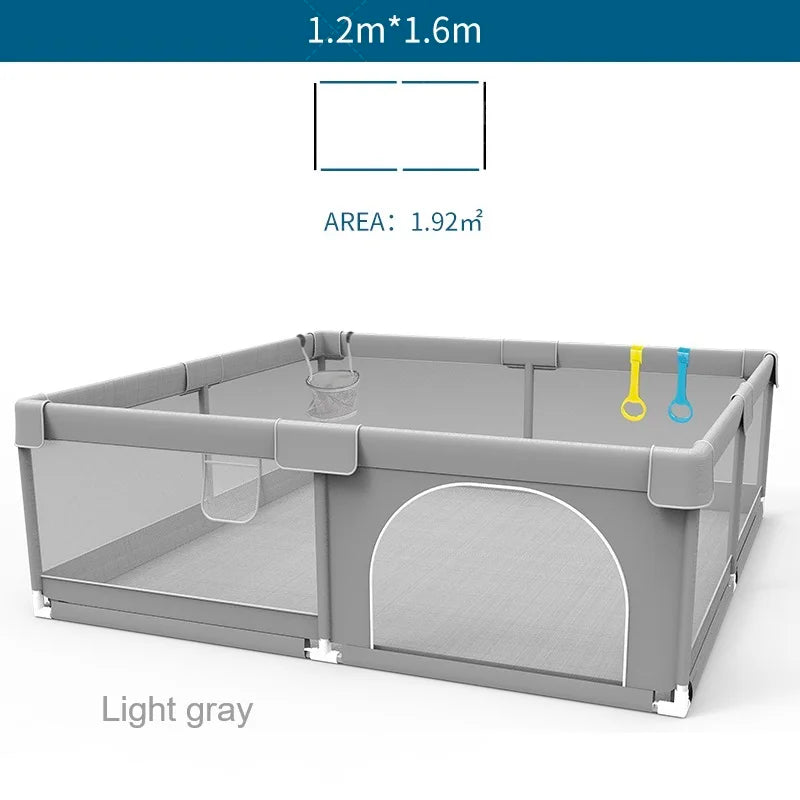
Protect baby while playing starts with small setup changes — 💡 See it in action
Why Safety Matters During Everyday Play
Playtime is when babies learn balance, coordination, and confidence. It’s also when most minor injuries happen. Crawling into table legs, tipping over toys, or rolling onto hard floors are common concerns for caregivers.
Protect baby while playing means anticipating these moments without hovering. The goal is freedom within boundaries, not restriction.
Simple Adjustments That Protect Baby While Playing
Protect baby while playing by focusing on prevention, not reaction. Small changes done once can make every play session safer.
- Clear floor space of hard or sharp objects
- Add non-slip mats or foam tiles
- Rotate toys to reduce clutter
- Designate one consistent play zone
These habits work especially well when combined with trusted items from Health & Safety and Baby Care Essentials.
Indoor Infant Activities That Encourage Safe Exploration
Indoor infant activities don’t need to be complicated to be effective. The safest activities often involve simple movement and sensory engagement.
- Tummy time with soft mirrors
- Rolling balls across padded floors
- Reaching games with textured toys
- Guided crawling paths using cushions
Pairing these activities with items from Baby Growth & Learning and Sensory Toys supports development while keeping risks low.
How a Durable Playpen Supports Safer Play
Protect baby while playing becomes much easier when boundaries are clear. A durable playpen creates a defined space where babies can move freely without accessing hazards.
For many families, choosing a playpen for 6 month old marks the shift from constant carrying to confident independent play.
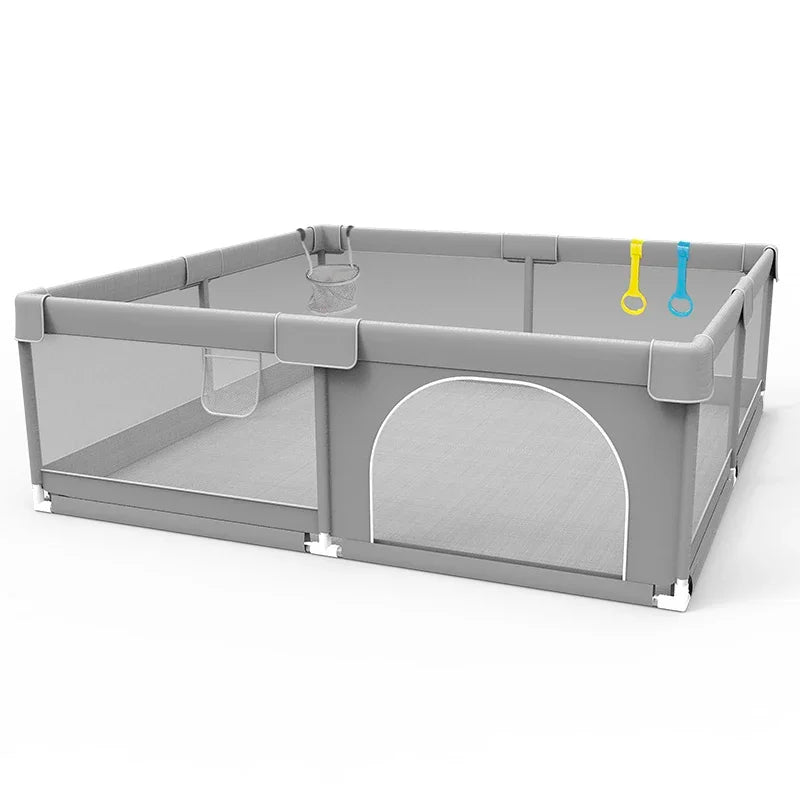
A durable playpen supports indoor infant activities — 💡 See it in action
| Feature | Why It Matters |
|---|---|
| Sturdy panels | Prevents tipping during pulling and standing |
| Smooth edges | Reduces bumps and scratches |
| Flexible size | Grows with baby’s movement range |
Many parents pair a playpen with tools from Monitoring Devices to keep an eye on playtime without hovering.
Step-by-Step Guide to Setting Up a Safe Play Zone
- Choose a low-traffic area away from doors
- Lay down soft flooring or mats
- Assemble a durable playpen securely
- Add only a few age-appropriate toys
- Check spacing and stability weekly
This setup helps protect baby while playing and keeps daily routines calmer.
Common Playtime Safety Mistakes to Avoid
- Overloading the play area with toys
- Assuming supervision replaces safety setup
- Using items not designed for infants
- Skipping regular checks as baby grows
Simple awareness prevents most accidents and reduces stress.
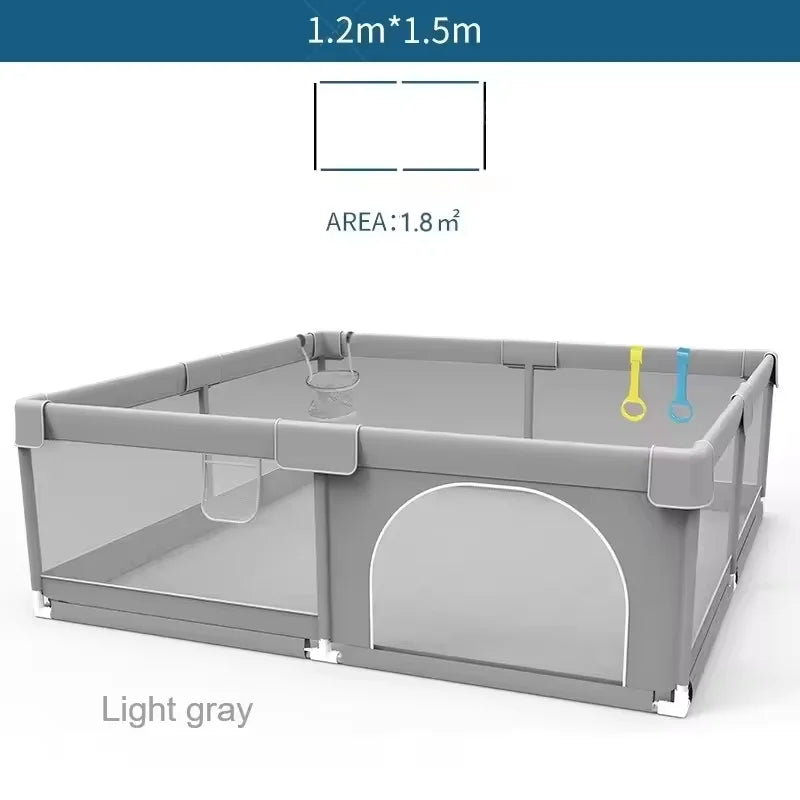
A playpen for 6 month old creates confidence — 💡 See it in action
What Real Parents Notice After Making Changes
Parents often report fewer falls, longer independent play, and less anxiety after adjusting their setup. One caregiver shared that once they defined a play zone, their baby explored longer without frustration.
These small wins build trust in daily routines and make playtime enjoyable again.
Quick FAQ for Peace of Mind
Is a playpen for 6 month old really necessary?
For babies becoming mobile, a playpen offers safe boundaries that support exploration without constant intervention.
How long should indoor infant activities last?
Short, frequent sessions work best. Watch for signs of fatigue and rotate activities to maintain interest.
What’s the easiest way to protect baby while playing?
Combine a clutter-free space, soft flooring, and a durable playpen. Consistency matters more than complexity.
Related Guide: How to Create Safe Play Area for Babies at Home





