

Baby Crawling on Hardwood Floor Safety: What Parents Should Know
Does crawling on hardwood floors increase injury risk?
Baby crawling on hardwood floor safety depends more on the environment than the floor itself. Hardwood floors can increase pressure on knees, wrists, and hands while reducing traction, but most babies can crawl safely when the area is clean, dry, and free of hazards. Adding grip, cushioning where appropriate, and following simple crawling safety tips helps prevent unnecessary slips and discomfort without interfering with normal development.
Reduce Crawling Floor Injuries on Hardwood: What Works
⏱ 6 min read
Reduce crawling floor injuries by understanding how hardwood surfaces affect babies during one of their biggest developmental milestones. While hardwood floors are common in modern homes, they provide less cushioning than carpet and can become slippery if dusty or polished. Fortunately, a few practical adjustments can create a safer environment while allowing babies to develop strength, balance, and coordination naturally.
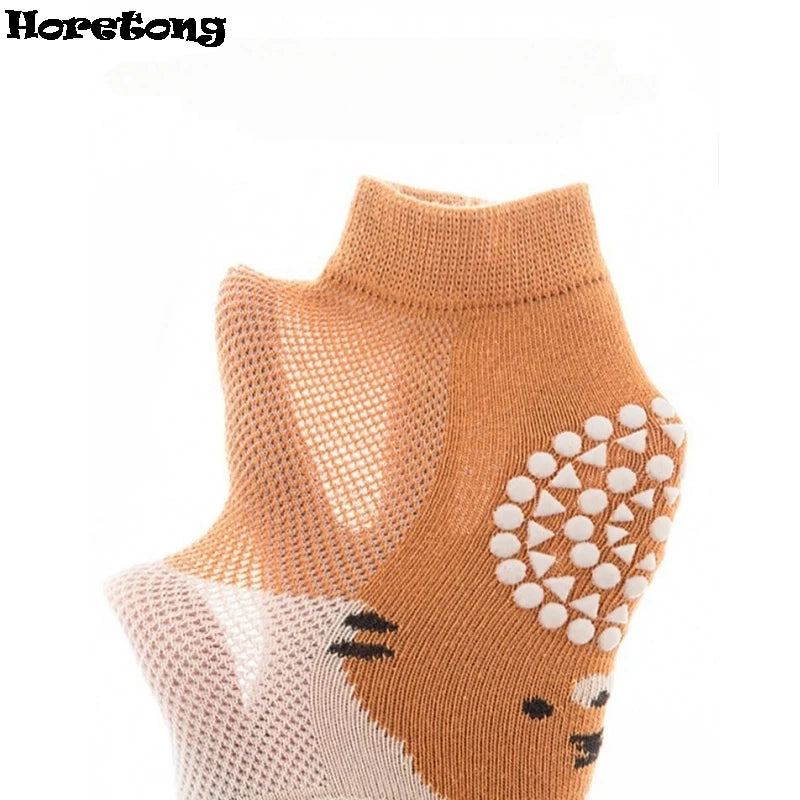
Hard floors can increase pressure points—learn how to reduce crawling floor injuries safely. See it in action.
Is Hardwood Floor Safe for Babies Learning to Crawl?
Yes, in most homes hardwood floors are safe for babies learning to crawl. Baby crawling on hardwood floor safety depends on maintaining a clean surface, removing hazards, and providing enough traction for stable movement. Hardwood itself is not harmful, and many babies learn to crawl successfully without special equipment.
How babies naturally crawl on hard surfaces
During crawling, babies naturally shift weight between their hands and knees while strengthening their shoulders, core, hips, and legs. Brief redness on the knees after active play is often normal and usually fades quickly. Babies also adapt their movement patterns as they become stronger and more coordinated.
When hardwood is safe and when it isn't
Hardwood is generally a safe crawling surface when it is:
- Clean and free from dust, debris, and spills.
- Dry without slippery cleaning residue.
- Free of splinters or damaged boards.
- Protected from sharp furniture corners and loose objects.
Parents should focus on creating a safe environment rather than trying to eliminate every hard surface. Most crawling injuries occur because of environmental hazards rather than the flooring itself.
Potential Risks of Crawling on Hardwood Floors
Although hardwood floors are safe in many homes, they present a few challenges that caregivers should understand. Recognizing genuine risks helps prioritize prevention while avoiding unnecessary worry.
Slipping and traction
Baby slipping while crawling is more likely on smooth or recently polished hardwood floors. Bare feet usually provide better grip than loose socks, making movement more stable as babies learn balance and coordination.
Bruises, bumps, and splinters
Minor knee redness, small bumps, or scraped palms can happen during normal crawling practice. More serious concerns include damaged floorboards, exposed nails, or splinters, which should be repaired immediately.
Cold surfaces and cleanliness
Cold hardwood floors are generally not harmful, but they may discourage some babies from spending extended time practicing crawling. Regular cleaning is equally important because crawling babies frequently place their hands in their mouths after exploring the floor.
How to Make Hardwood Floors Safe for Crawling
Prevent baby crawling injuries by combining good housekeeping with thoughtful baby-proofing. Small improvements often make a much bigger difference than purchasing multiple accessories.
Baby-proof the crawling area
- Cover electrical outlets.
- Secure heavy furniture to walls.
- Block stairways with safety gates.
- Remove choking hazards from floor level.
- Create a dedicated crawling space with clear boundaries.
Many families begin with practical resources from Health & Safety to build safer daily routines.
Improve traction safely
- Allow babies to crawl barefoot whenever possible.
- Avoid slippery socks unless they have reliable non-slip grips.
- Use area rugs with non-slip backing where additional grip is helpful.
Maintain clean, damage-free floors
Vacuum or sweep frequently to remove dirt, crumbs, pet hair, and small objects. Wipe spills immediately and inspect hardwood periodically for loose boards, rough edges, or splinters.
Remove household hazards
Keep cords, plastic bags, pet food, cleaning products, and small household items well out of reach. Safe crawling depends just as much on hazard removal as on floor protection.
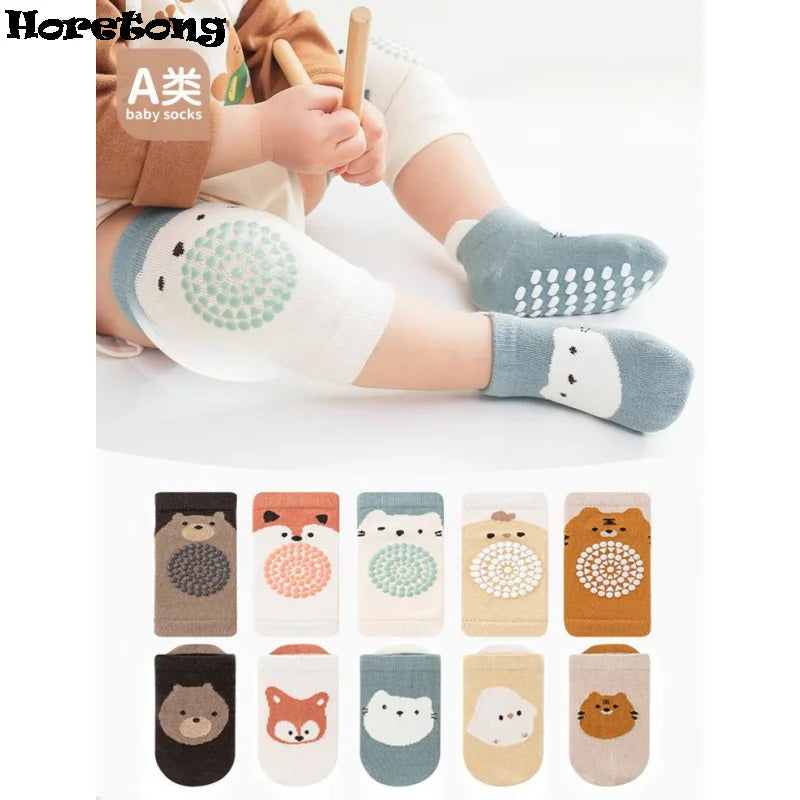
A clean, well-prepared crawling space supports safer movement and healthy development. See it in action.
Do Babies Need Knee Pads, Socks, or Play Mats?
Most healthy babies do not require special crawling equipment. However, certain accessories may improve comfort depending on your home and your baby's preferences.
Bare feet vs socks
Bare feet typically provide the best traction because toes naturally grip the floor during crawling. If socks are necessary for warmth, choose non-slip versions designed to improve stability.
When knee protection may help
Baby crawling knee protection may benefit babies with sensitive skin, prolonged crawling sessions, or particularly rough flooring. Knee pads should fit comfortably without restricting natural movement or circulation.
Choosing play mats wisely
Foam play mats can provide additional cushioning during playtime, especially in dedicated activity areas. Look for mats that:
- Remain flat without curled edges.
- Have non-slip backing.
- Are easy to clean regularly.
- Provide moderate cushioning rather than excessive softness.
Many caregivers also explore products from Baby Care Essentials when creating comfortable play spaces.
Hardwood vs Laminate vs Tile vs Carpet for Crawling
| Floor Type | Traction | Comfort | Hygiene | Best Use |
|---|---|---|---|---|
| Hardwood | Good when clean | Moderate | Easy to clean | Everyday crawling |
| Laminate | Can be slippery | Moderate | Easy to clean | Requires extra traction |
| Tile | Variable | Firm and cold | Excellent | Short supervised sessions |
| Carpet | High | Soft | Requires deeper cleaning | Longer play sessions |
No flooring is perfect. Hardwood offers excellent cleanliness and durability, while carpet provides additional cushioning but requires more frequent deep cleaning. Many families combine hardwood with washable play mats to balance hygiene and comfort.
Frequently Asked Questions
Is hardwood floor safe for babies learning to crawl?
Yes. Most babies can safely crawl on hardwood floors when the surface is clean, dry, and free from household hazards. Supervision and basic baby-proofing remain the most important safety measures.
Can crawling on hardwood hurt a baby's knees?
Some babies develop temporary redness from repeated contact, but this is usually mild. Persistent bruising, skin damage, or discomfort may indicate the need for additional cushioning or an evaluation of the crawling environment.
Should babies crawl barefoot or wear socks?
Bare feet generally provide the best grip and help babies develop balance. If socks are worn, choose non-slip styles to reduce slipping.
Do babies need knee pads on hardwood floors?
Not usually. Knee pads are optional and may help babies with sensitive skin or those spending extended periods crawling on firm surfaces.
Can cold hardwood floors affect babies?
Cold floors may make crawling less comfortable but are not typically harmful. Keeping the room comfortably warm can encourage longer, more enjoyable play sessions.
How do I stop my baby from slipping while crawling?
Keep floors clean and dry, encourage barefoot crawling, avoid slippery finishes, and use non-slip rugs or play mats where additional traction is helpful.
How often should hardwood floors be cleaned for crawling babies?
Sweep or vacuum regularly and clean spills immediately. High-traffic crawling areas should be wiped frequently to remove dust, allergens, and small debris.
Related Guide: Best Non Slip Baby Socks Compared for Safer Crawling





