

Role Play Learning Activities You Can Set Up at Home
Do role play learning activities really help children learn at home?
Role play learning activities help children build language, problem-solving, and social skills by practicing real-life situations through play. When kids engage in educational role playing games and social pretend play, pretend play development supports executive function, confidence, and emotional understanding more effectively than passive activities.
Role Play Learning Activities You Can Set Up at Home
⏱ 7 min read
Role play learning activities turn ordinary moments into meaningful learning experiences. With simple props and guided imagination, educational role playing games support communication, empathy, and independence while making learning feel natural and joyful at home.
Ever notice how children love pretending to be grown-ups? One moment they’re running a store, the next they’re caring for a baby doll. That instinct isn’t random—it’s how children make sense of the world. The good news is you don’t need a classroom or complicated toys to make it work.

Role play learning activities spark educational role playing games at home 💡 See it in action
What are role play learning activities?
Role play learning activities are structured pretend scenarios where children act out real-life roles like shopkeeper, doctor, or caregiver. These activities blend imagination with practical skills, helping children practice language, decision-making, and cooperation in a safe, playful environment.
Unlike passive toys, role play invites children to think, respond, and adapt. That’s why many parents exploring Baby Growth & Learning resources focus on pretend-based activities to support early development.
Why pretend play development matters more than you think
Pretend play development strengthens skills children use every day. When kids negotiate roles or solve pretend problems, they’re building mental flexibility and emotional awareness.
- Improves language and storytelling ability
- Encourages empathy and understanding others
- Supports self-regulation and patience
- Builds confidence through decision-making
Parents often notice fewer power struggles and more cooperation when social pretend play becomes part of daily routines.
Easy role play learning activities to set up at home
Role play learning activities work best when they feel familiar. Start with what your child already sees every day.
Home store or cashier game
Set up a small shop using household items, pretend money, and a simple cashier toy. This introduces numbers, turn-taking, and polite conversation.
A simulation cashier toy makes this setup especially engaging, helping children practice counting and communication naturally.
Caregiver and baby role play
Using dolls and blankets, children practice nurturing behaviors. This supports emotional growth and responsibility.
Pair this activity with calming routines inspired by Sleep & Comfort ideas to reinforce gentle caregiving habits.
Kitchen and mealtime pretend play
Let children “cook” meals using safe utensils and toy food. This supports sequencing, vocabulary, and healthy routines.
Families often combine this with learning tools from Feeding Tools to make mealtime concepts more relatable.
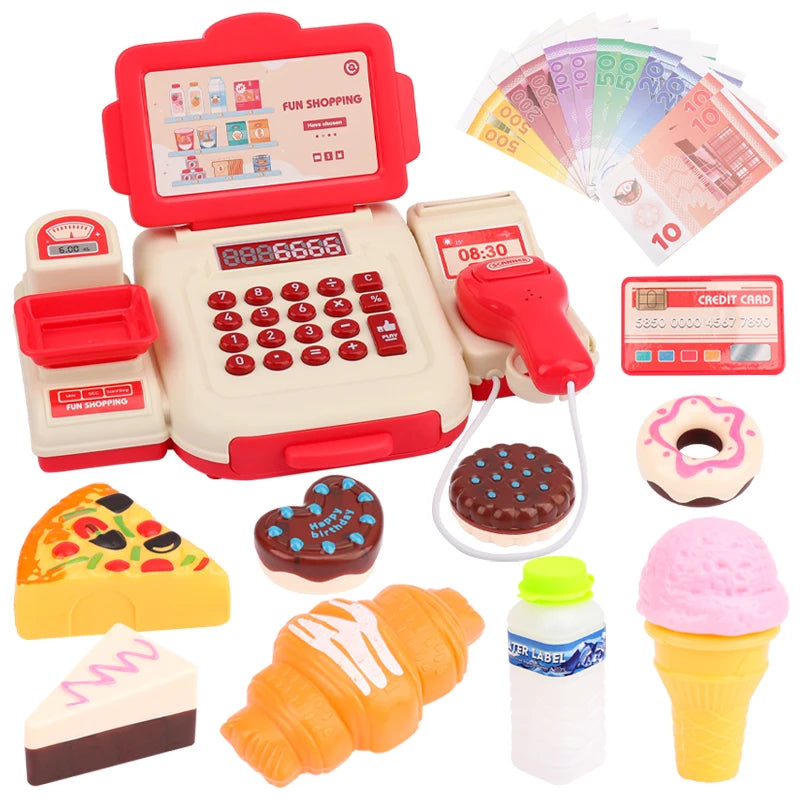
Educational role playing games support social pretend play 💡 See it in action
How to guide educational role playing games without taking over
Educational role playing games work best when adults support without controlling the play.
- Set the scene with simple props
- Let your child choose their role
- Ask open-ended questions during play
- Follow their ideas instead of correcting
This balance keeps children engaged while still reinforcing learning goals.
Building confidence through social pretend play
Social pretend play allows children to rehearse interactions before facing them in real life. Whether pretending to greet customers or care for a patient, kids practice emotional responses safely.
Parents often report improved communication and fewer meltdowns after consistent role play routines.
For added engagement, rotating toys from Sensory Toys can refresh scenarios and keep interest high.
Common mistakes parents can avoid
- Over-directing the storyline
- Correcting instead of modeling
- Using too many toys at once
- Rushing the playtime
Simple, child-led play leads to stronger pretend play development than complex setups.
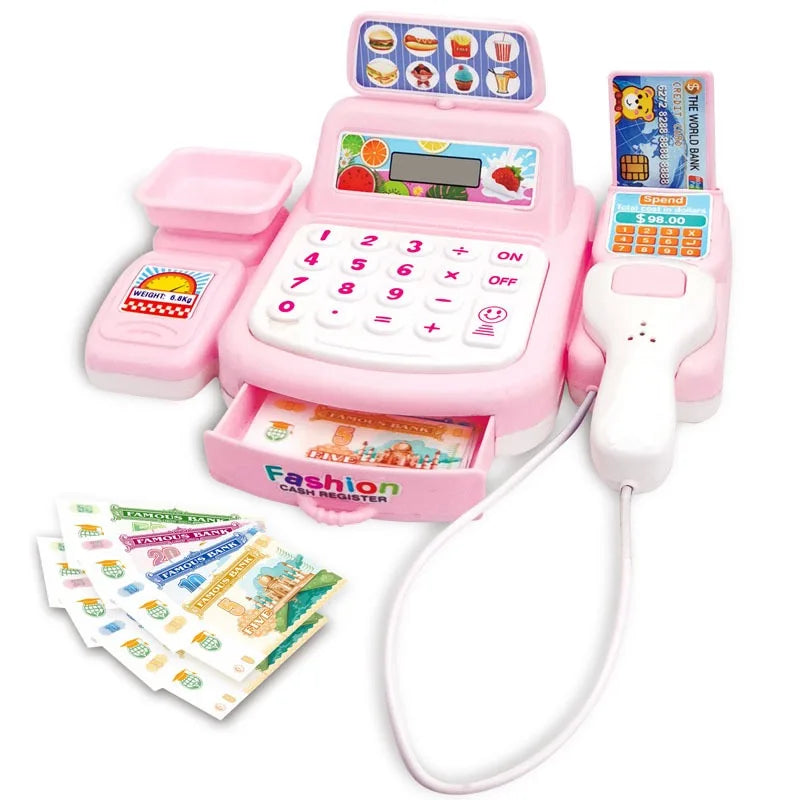
Pretend play development builds confidence and empathy 💡 See it in action
Frequently Asked Questions
How often should children do role play learning activities?
Short daily sessions of 15–30 minutes are enough to support consistent learning and social growth.
What age is best for educational role playing games?
Most children benefit from pretend play between ages 2–7, with complexity increasing as they grow.
Do role play learning activities require special toys?
No. Household items work well, though simple tools like a cashier toy can enhance engagement and realism.
Related Guide: Screen Free Play Ideas That Boost Daily Learning





