

Safe First Swim Baby Checklist: What to Do Before Getting In
Is there a safe way to prepare for a baby’s first swim?
Safe first swim baby preparation starts with calm planning, close water supervision, and the right infant swimming gear. When parents check water temperature, choose a supportive infant floating swimsuit, and follow simple water safety tips, a baby’s first swim can be comfortable, secure, and confidence-building for both baby and caregiver.
Safe First Swim Baby Checklist: What to Do Before Getting In
⏱ 7 min read
Safe first swim baby moments should feel joyful, not stressful. If you’re wondering how to prepare without missing something important, this guide walks you through each step with clarity and care—so you can focus on smiles, splashes, and shared memories instead of second-guessing safety.
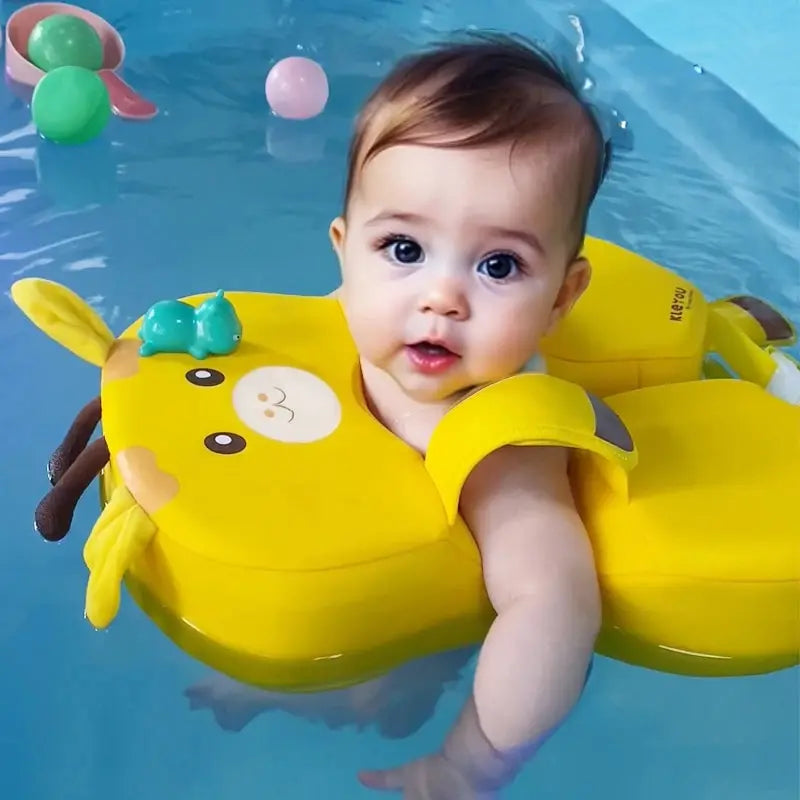
Safe first swim baby preparation with calm water supervision 💡 See it in action
Why a Baby’s First Swim Matters More Than You Think
A first swim isn’t just about water—it’s about trust. Babies experience new textures, sounds, and movements all at once. When parents prepare thoughtfully, the experience supports emotional security, body awareness, and positive early associations with water.
Parents often worry about temperature, slipping, or sudden splashes. These concerns are normal. Addressing them ahead of time builds confidence and helps everyone relax.
How to Practice Proper Water Supervision
Safe first swim baby supervision means constant, hands-on attention. Even shallow water requires full focus. Distractions like phones or conversations can wait.
- Stay within arm’s reach at all times
- Designate one adult as the primary watcher
- Avoid crowded pools during first swims
- Watch baby’s cues: shivering, fussiness, or stiff posture
Many families pair supervision habits with helpful tools from Health & Safety collections to reduce risk and improve peace of mind.
Safe First Swim Baby Checklist
Safe first swim baby success comes from preparation, not perfection. Use this checklist before getting in the water.
- Check water temperature (ideal: 85–90°F for infants)
- Dress baby in snug, comfortable swimwear
- Apply baby-safe sun protection if outdoors
- Prepare a warm towel and dry clothes nearby
- Confirm water supervision roles
Choosing Infant Swimming Gear That Supports Safety
The right infant swimming gear reduces stress and improves comfort. Look for items designed specifically for babies—not scaled-down adult products.
- Soft, non-restrictive materials
- Secure fastenings that won’t shift in water
- Easy-on designs for quick changes
Parents often explore complementary essentials from Baby Bath Accessories and Baby Care Essentials to create smoother water routines.
Do Infant Floating Swimsuits Help?
Safe first swim baby experiences can be calmer with supportive tools. Infant floating swimsuits provide gentle buoyancy while still requiring active adult supervision. They’re not safety devices, but they can help babies feel more relaxed in water when used correctly.
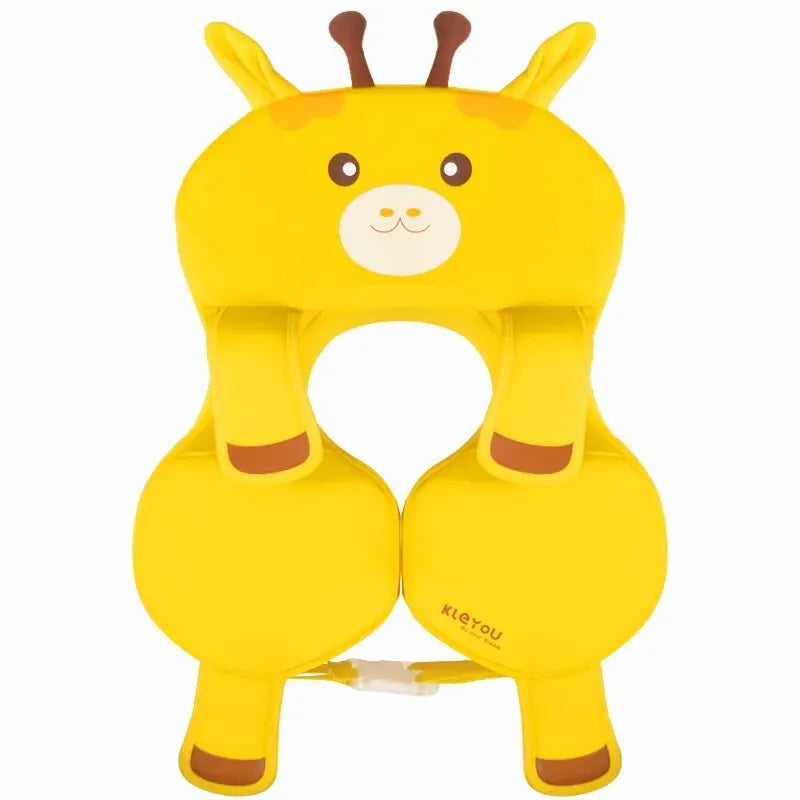
Infant floating swimsuit adds calm support 💡 See it in action
When selecting an infant floating swimsuit, check weight limits, fit, and ease of movement. Many parents pair these with items from Health & Safety for layered protection.
Step-by-Step: How to Introduce Your Baby to Water
Safe first swim baby routines work best when they’re slow and responsive.
- Enter the water holding your baby securely
- Let baby feel water with hands and feet first
- Maintain eye contact and speak softly
- Limit first session to 5–10 minutes
Many parents notice improved comfort when babies are well-rested and fed beforehand, using supportive tools from Feeding & Nursing routines.
Common First Swim Mistakes to Avoid
| ❌ Mistake | ✅ Safer Alternative |
|---|---|
| Staying in too long | Short, positive sessions |
| Assuming float gear replaces supervision | Hands-on water supervision |
| Ignoring baby’s cues | End swim at first sign of discomfort |
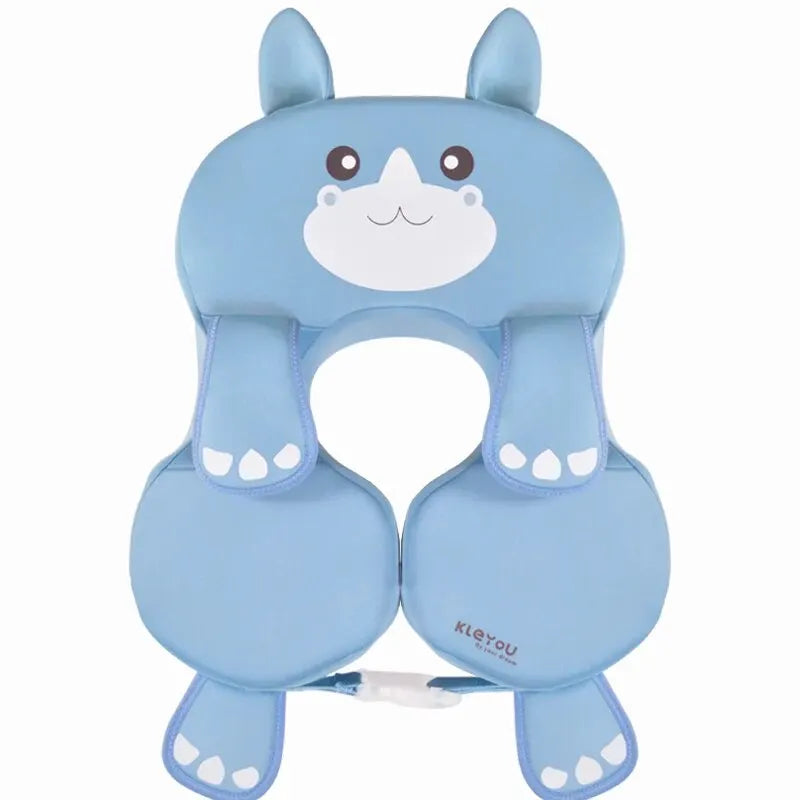
Confident parents create safe first swim baby moments 💡 See it in action
Mini FAQ
When is a safe age for a baby’s first swim?
Most babies can enjoy short, supported swims around 6 months, once they have better head control and temperature regulation.
How long should a baby’s first swim last?
Five to ten minutes is enough for a first session. Ending early helps keep the experience positive.
Are infant floating swimsuits safe?
They can provide comfort and buoyancy when used correctly, but they never replace direct adult water supervision.
Related Guide: How to Choose Baby Float for Safer First Pool Days





