

Screen Free Activities Compared That Keep Kids Engaged Longer
Do toys that develop gross motor skills really help kids move better?
Toys that develop gross motor skills help children build strength, balance, and coordination through active play. The best options encourage whole-body movement like crawling, jumping, reaching, and dancing. When chosen by age and interest, these toys support healthy physical growth while keeping kids engaged longer than passive play.
Toys That Develop Gross Motor Skills Side by Side Review
⏱ 7 min read
Watching your child move with confidence—running, climbing, dancing—often starts with the right toys. Many parents wonder which toys truly support physical growth without turning playtime into chaos. This side-by-side review of toys that develop gross motor skills breaks down what works, what doesn’t, and how to choose options that fit your child’s age, space, and energy level.
Active play with toys that develop gross motor skills helps toddlers build balance and confidence. 💡 See it in action
Why Gross Motor Skills Matter Early
Gross motor skills involve large muscle movements—legs, arms, and core. These skills affect how children sit, walk, run, and play with others. Strong physical foundations also support focus, confidence, and independence in everyday routines.
- Improves balance and coordination
- Builds muscle strength and endurance
- Supports confidence in group play
- Encourages healthy energy release
Many families exploring Baby Growth & Learning products notice that active play often leads to calmer behavior afterward.
What Makes the Best Toys That Develop Gross Motor Skills?
Toys that develop gross motor skills are designed to invite movement, not just observation. The most effective options combine simple challenges with playful feedback so kids want to keep trying.
Key features to look for
- Encourages full-body movement (jumping, crawling, reaching)
- Responds with sound or motion to keep interest
- Adjustable difficulty as children grow
- Safe materials and stable design
Side-by-Side Comparison of Popular Options
| Toy Type | Best For | Pros | Limitations |
|---|---|---|---|
| Ride-on toys | Balance, leg strength | Builds coordination | Needs space |
| Climbing sets | Strength, confidence | High physical challenge | Supervision required |
| Interactive moving toys | Movement + engagement | Encourages chasing, dancing | Battery powered |
Parents often combine these with items from Mobility & Training collections to create a balanced play environment.
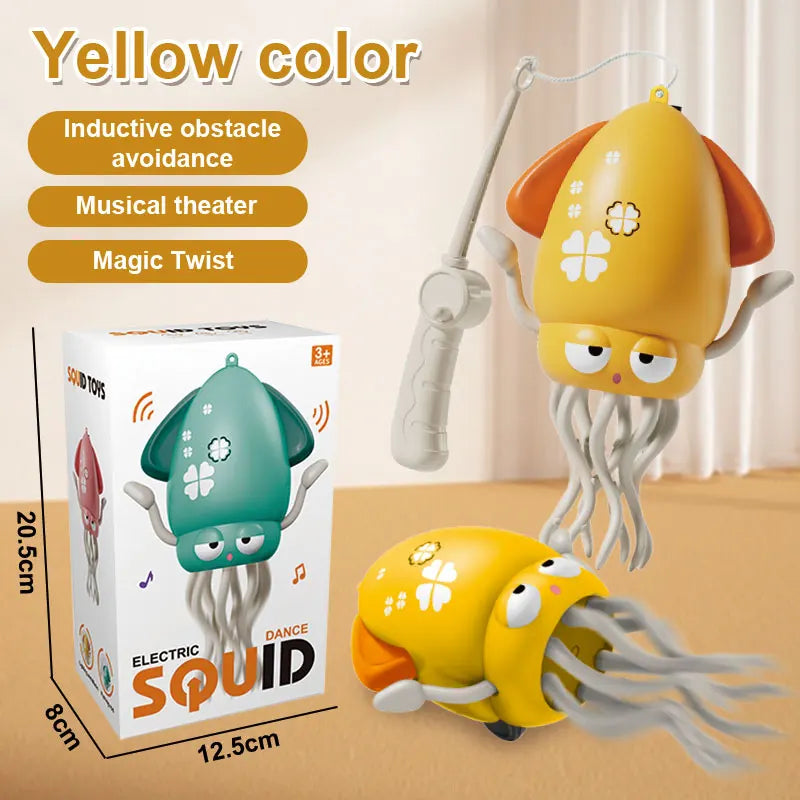
Dancing Octopus Toy: Movement Through Play
Toys that develop gross motor skills work best when movement feels like a game. The Dancing Octopus Toy responds with motion and sound, encouraging kids to crawl, stand, and dance along naturally.
Direct answer: Toys that develop gross motor skills like the Dancing Octopus Toy support coordination by prompting children to move, follow, and repeat actions. Through music and motion, kids practice balance, timing, and muscle control while staying engaged without structured instructions.
- Promotes crawling and standing
- Encourages rhythmic movement
- Engaging without overstimulation
Explore it here: Dancing Octopus Toy
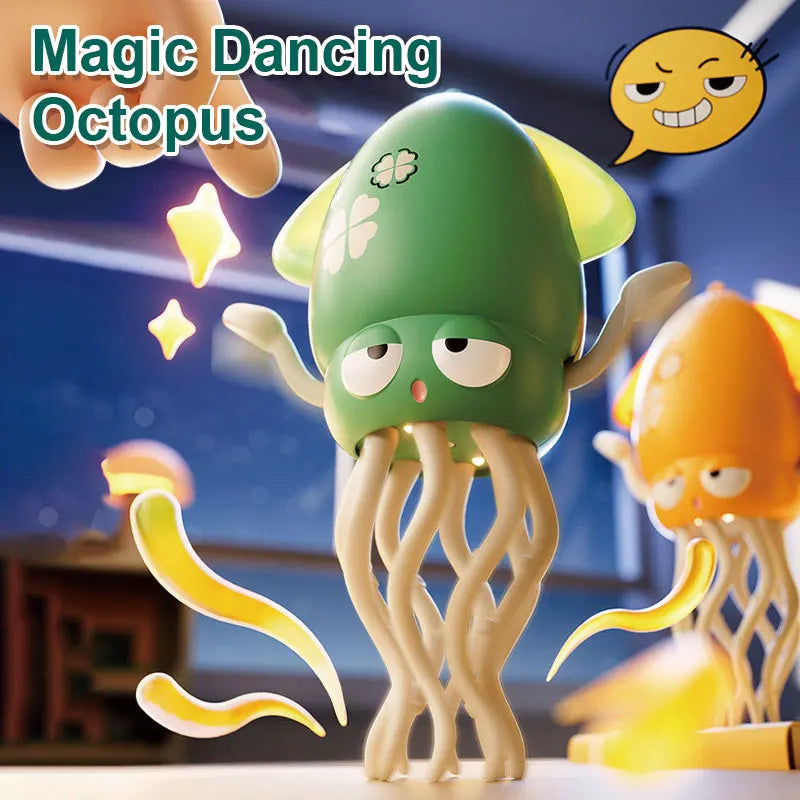
Interactive movement makes toys for active 4 year olds more engaging. 💡 See it in action
Choosing by Age: Toddlers to 4-Year-Olds
Active toys for toddlers (1–3 years)
At this stage, simple movement matters most. Look for toys that encourage crawling, pulling up, and early steps.
- Rolling or dancing toys
- Push-and-chase designs
- Soft climbing shapes
Toys for active 4 year olds
Preschoolers enjoy challenges. Toys that add music, patterns, or follow-the-leader play help refine coordination.
- Dance-and-follow toys
- Balance boards
- Obstacle-style play
Many families pair these with Sensory Toys to support focus alongside movement.
Safety and Setup Tips for Active Play
- Clear floor space before play
- Use non-slip mats on hard floors
- Supervise new movements
- Check batteries and parts regularly
For added peace of mind, parents often review options from Health & Safety collections when setting up active play zones.
What Parents Are Saying
“My toddler started crawling faster within a week.”
“It keeps my 4-year-old moving without screens.”
“We noticed better balance during outdoor play.”
These experiences reflect how motor skills development toys can support everyday movement habits.

Movement-based play supports active toys for toddlers and growing kids. 💡 See it in action
Quick FAQ
Which toys that develop gross motor skills work indoors?
Interactive moving toys, balance boards, and dance-based toys work well indoors because they encourage movement without large structures.
How long should kids use active toys daily?
Short sessions of 15–30 minutes spread throughout the day help build strength without fatigue.
Are electronic toys effective for movement?
Yes, when they encourage physical response like chasing, dancing, or copying actions, they can boost engagement and coordination.
Related Guide: Interactive Toys for 1 Year Olds Compared for Real Play Value





