

Secure Baby Float Straps: How to Adjust Them for a Snug Fit
Do secure baby float straps really work?
Secure baby float straps help keep infants safely positioned in the water by preventing slipping, tipping, or improper posture. When properly adjusted, these straps provide balanced buoyancy support, reduce strain on the neck and back, and give parents peace of mind. High-quality designs with dual buckle systems offer stability, comfort, and safer water play.
Secure Baby Float Straps: How to Adjust Them for a Snug Fit
⏱ 7 min read — Worried about your baby slipping or tilting while floating in the pool? Secure baby float straps make a big difference in comfort, safety, and confidence. When adjusted correctly, they provide reliable support, healthy swimming posture, and gentle buoyancy that helps little swimmers relax and enjoy water time.
From first splashes to confident paddling, babies need stability in the water. Yet many parents struggle to figure out how tight straps should be, where buckles should sit, and how to keep everything snug without causing discomfort. Let’s walk through exactly how to adjust secure baby float straps for a perfect fit — step by step.
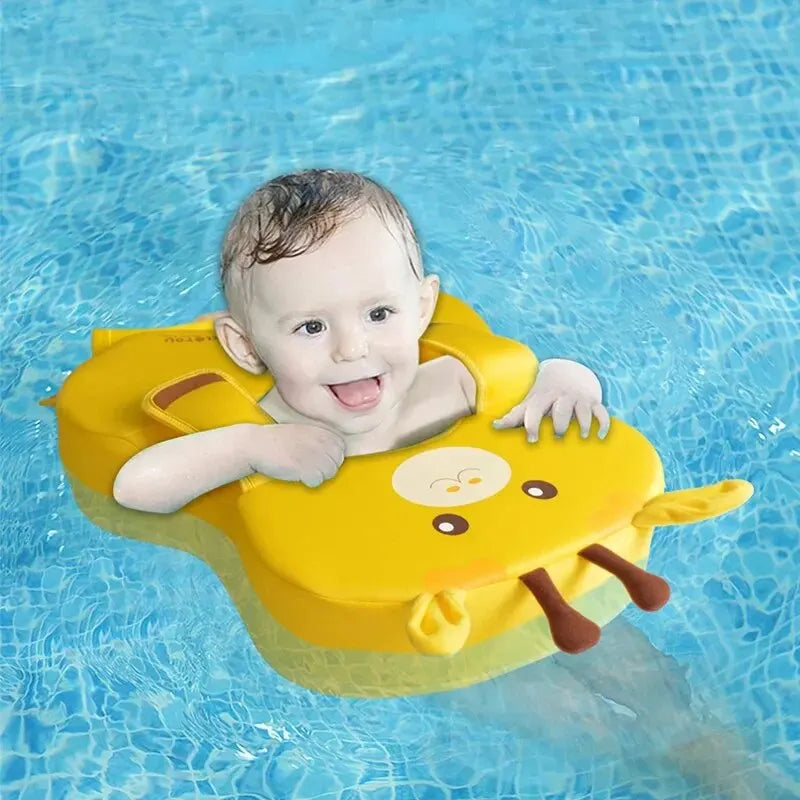
Secure baby float straps with dual buckle design and buoyancy support — 💡 See it in action
How to Adjust Secure Baby Float Straps for a Snug, Safe Fit
Secure baby float straps work best when they fit like a gentle hug — firm enough to hold your baby stable, yet soft enough to allow natural movement and breathing.
- Lay the float flat: Open all straps fully and place the float on a clean, dry surface.
- Position your baby: Gently place your baby in the center so their chest and belly rest naturally against the float.
- Fasten the dual buckle: Secure the lower and upper buckles one at a time, making sure they click firmly.
- Tighten gradually: Pull each strap slowly until snug — you should fit two fingers between strap and skin.
- Check posture: Baby should remain upright, chin lifted slightly above water, with hips supported.
- Test movement: Arms and legs should move freely without twisting.
Why Secure Baby Float Straps Matter for Water Safety
Secure baby float straps are more than just comfort features — they play a critical role in water safety. Properly adjusted straps prevent tipping, sliding, and awkward floating positions that could strain a baby’s neck or airway.
- Maintain upright posture
- Distribute buoyancy evenly
- Reduce pressure on neck and shoulders
- Allow natural kicking and paddling
- Support early swimming posture correction
Many pediatric water instructors emphasize that consistent posture support helps babies develop healthy swimming habits early, which builds confidence and comfort in water.
Direct Answer: What makes secure baby float straps safer?
Secure baby float straps improve safety by stabilizing the torso, preventing slipping, and supporting balanced buoyancy. With a dual buckle system, straps stay firmly in place, reducing sudden shifts and helping maintain healthy posture while allowing babies to move comfortably and naturally in the water.
Common Strap Adjustment Mistakes to Avoid
| ❌ Mistake | Why It’s Risky | ✅ Better Solution |
|---|---|---|
| Straps too loose | Baby may tilt or slide forward | Tighten until snug, two-finger test |
| Straps too tight | Restricts breathing & circulation | Loosen slightly, ensure comfort |
| Uneven strap lengths | Causes imbalance | Adjust both sides evenly |
| Buckle near neck | Choking hazard | Position buckles away from throat |
Secure Strap Fit Guide by Age & Growth Stage
Babies grow quickly, and float straps must adapt with them. That’s why adjustable designs are so valuable.
0–6 Months: Gentle Support Stage
- Snug but very soft fit
- Maximum buoyancy support
- Extra chin clearance
6–12 Months: Exploration Stage
- Slightly looser arm openings
- Stable torso straps
- Balanced posture support
12–24 Months: Active Kicking Stage
- Flexible leg room
- Firm upper-body stability
- Posture guidance for upright floating
Products that grow with your baby help reduce frequent replacements and ensure consistent comfort. For active little swimmers, pairing floats with fun accessories from Sensory Toys can keep them engaged longer.
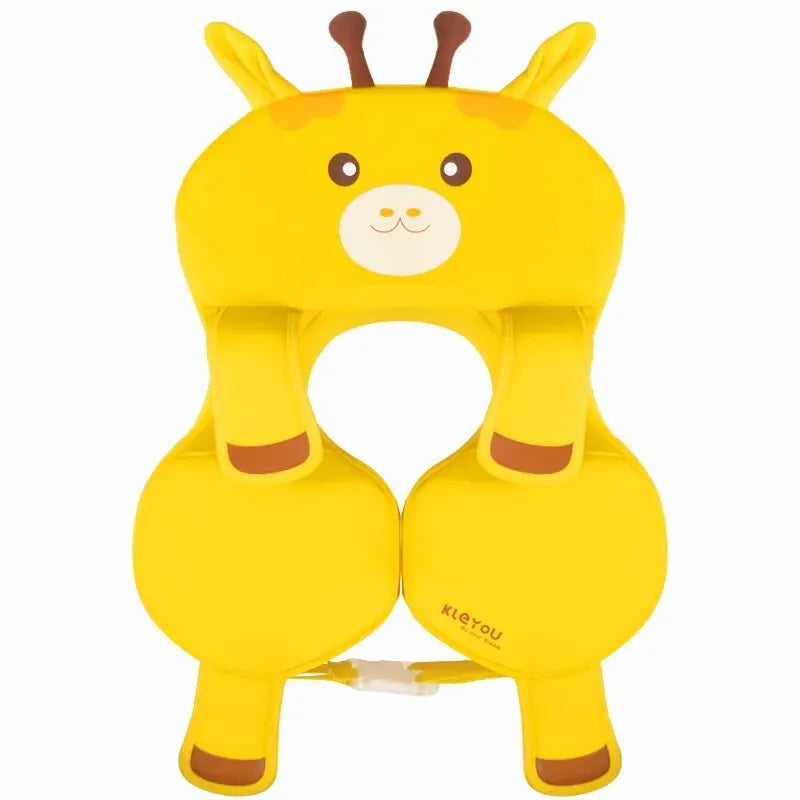
Dual buckle secure straps with buoyancy support — 💡 See it in action
Comfort Tips for Longer, Happier Water Sessions
- Adjust straps after baby relaxes in water
- Check fit every 15 minutes
- Use soft, quick-dry fabrics
- Pair with sun-protective swimwear
- Combine with gentle water toys for engagement
Parents often notice calmer behavior, better posture, and improved water confidence when straps are adjusted properly. This transforms water play from stressful to joyful.
Secure Baby Float Strap Design Comparison
| Feature | Basic Strap | Secure Dual Buckle Strap |
|---|---|---|
| Fit Adjustability | Limited | Multi-point adjustable |
| Posture Support | Minimal | Balanced buoyancy |
| Slip Prevention | Low | High |
| Comfort Level | Average | High |
| Growth Adaptability | Low | Excellent |
For families who value safety, comfort, and long-term usability, secure straps with dual buckle systems consistently outperform simpler designs.

Secure baby float straps for safe posture and buoyancy support — 💡 See it in action
Mini FAQ
How tight should secure baby float straps be?
Secure baby float straps should feel snug but gentle. You should be able to fit two fingers between the strap and your baby’s skin. This ensures safety without restricting movement or breathing.
Can babies wear float straps over swimsuits?
Yes. Secure straps work well over infant floating swimsuits. Make sure there are no folds or bunching that could cause discomfort or uneven pressure.
How often should I re-adjust the straps?
Check the fit before each session and re-adjust every 15–20 minutes during water play, especially as your baby relaxes and changes posture.
Are dual buckle straps safer?
Yes. Dual buckle systems provide more stability, prevent shifting, and maintain balanced buoyancy, making them safer than single-strap designs.
Related Guide: How to Choose Baby Float for Safer First Pool Days





