

Secure Front Baby Carrying for Active On-the-Go Parents
What is secure front baby carrying?
Secure front baby carrying keeps your baby safely supported against your chest while allowing hands-free movement. Using proper safe positions to hold a newborn, combined with an infant hip seat and even weight distribution, it reduces strain on your back and shoulders while keeping your baby calm, close, and well-aligned during daily activities.
Secure Front Baby Carrying for Active On-the-Go Parents
Secure front baby carrying isn’t just about convenience, it’s about confidence when life doesn’t slow down. Designed for parents who are always moving, this approach supports safe positions to hold a newborn while reducing strain through an infant hip seat and even weight distribution. The result? More comfort, better posture, and a calmer baby during busy days out. But what makes some carrying methods safer and more supportive than others?
⏱ 6 min read
Explore trusted picks inside Baby Care Essentials.
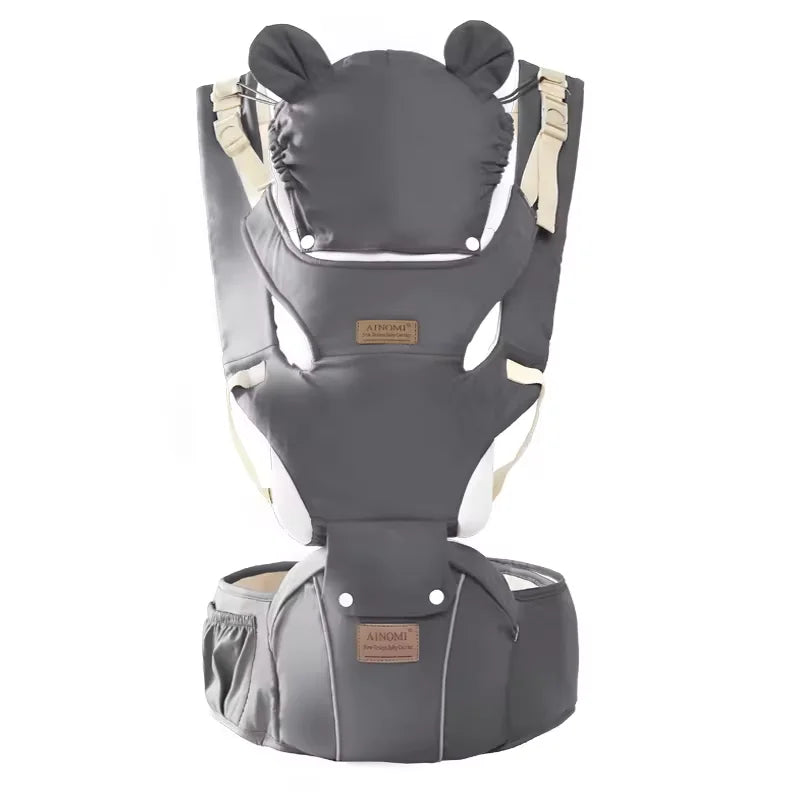
Secure front baby carrying with even weight distribution for confident daily movement 💡 See it in action
Why Active Parents Choose Secure Front Baby Carrying
Modern parenting rarely happens sitting still. From school drop-offs to grocery runs, parents need solutions that move with them. Secure front baby carrying offers stability and closeness without sacrificing mobility.
- Keeps baby within your line of sight
- Supports natural newborn posture
- Allows hands-free multitasking
- Reduces pressure on lower back
Parents browsing Mom Essentials often look for gear that supports daily movement without compromising safety or comfort.
Safe Positions to Hold a Newborn While Moving
Secure front baby carrying relies on proper positioning. Newborns need head, neck, and hip support to maintain healthy alignment.
What position is safest for newborns?
Secure front baby carrying works best when the baby is upright, chest-to-chest, with knees slightly higher than the hips. This position supports spinal development, keeps airways open, and allows the caregiver to respond quickly while walking or standing.
- Face-in position for bonding and airway safety
- Wide seat supporting thighs and hips
- Firm back panel for spine support
- Head close enough to kiss
For more guidance, parents often explore Health & Safety collections when selecting supportive gear.
How Even Weight Distribution Protects Your Body
One of the biggest complaints from parents is back and shoulder pain. Even weight distribution makes secure front baby carrying sustainable for longer periods.
| Without Even Distribution | With Even Distribution |
|---|---|
| Shoulder strain | Balanced posture |
| Lower back pain | Reduced pressure points |
| Quick fatigue | Longer carrying comfort |
Balanced designs pair well with wellness-focused tools found in Beauty & Wellness for overall body care.
Browse helpful insights in Baby Care Tips & Advice.
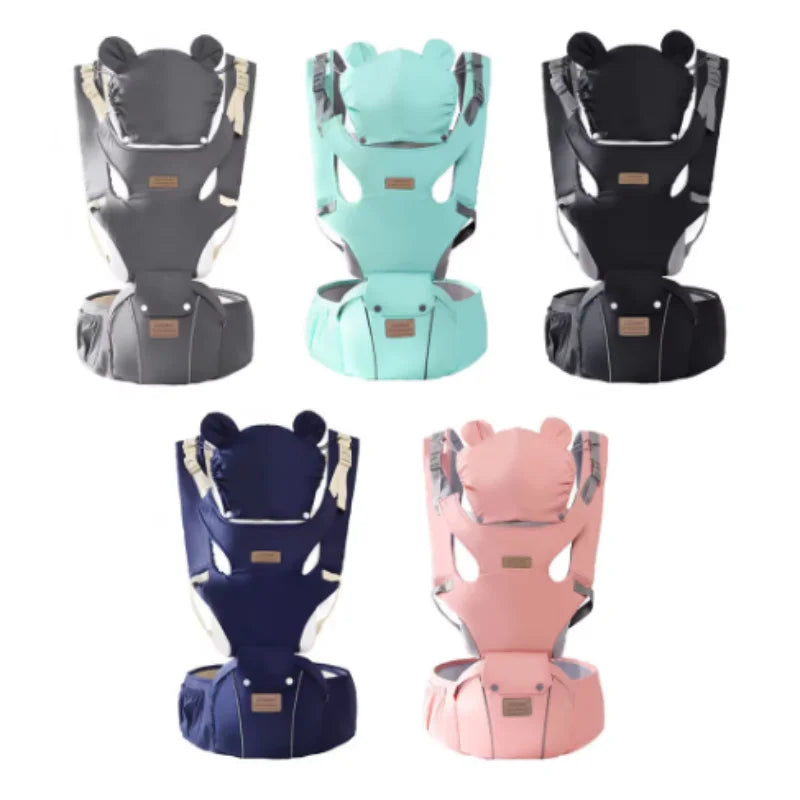
Infant hip seat design supporting safe positions to hold a newborn 💡 See it in action
Why an Infant Hip Seat Changes Everything
An infant hip seat adds a structured base that supports your baby’s weight from underneath rather than pulling on your shoulders alone.
Does an infant hip seat really help?
Secure front baby carrying with an infant hip seat improves stability by shifting weight to your core and hips. This reduces shoulder tension, helps maintain upright posture, and gives babies a stable seat that supports healthy hip alignment during longer outings.
- Built-in seat supports baby’s hips
- Reduces arm and wrist fatigue
- Makes pick-up and put-down easier
- Ideal for active parents on the move
Many parents pair carriers with items from Mobility & Training as babies grow more active.
Product spotlight: Explore a supportive option designed for daily movement: Baby Hip Seat Carrier.
Real Parent Experiences on the Go
Parents often share how secure front baby carrying transforms everyday routines.
“I used to dread errands because my arms would ache. With the hip seat, my baby feels secure and I feel balanced even after an hour out.” — Amanda, mom of a 4-month-old
“It’s the first carrier that didn’t leave my back sore. The even weight distribution really makes a difference.” — Jason, first-time dad
Stories like these echo across Baby Growth & Learning communities where parents share practical solutions.
How to Use a Hip Seat Carrier Correctly
- Fasten the waistband snugly around your hips
- Ensure the seat is level and secure
- Position baby in an upright, face-in posture
- Adjust straps for even weight distribution
For added comfort during longer days, parents often combine carriers with soothing options from Massage & Relaxation.
Get yours now — limited stock!
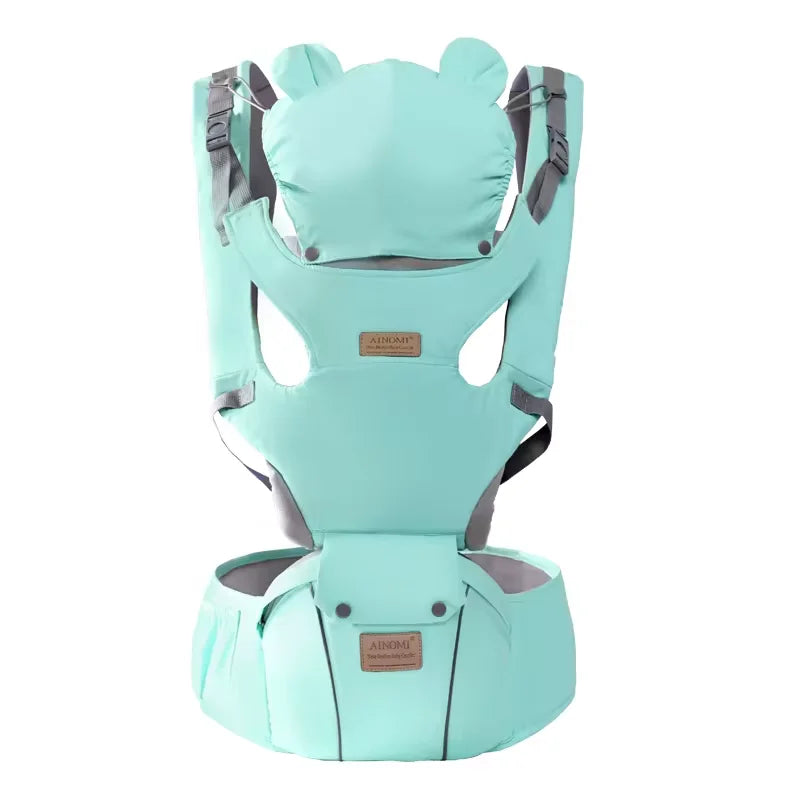
Secure front baby carrying designed for active parents 💡 See it in action
Mini FAQ
Can secure front baby carrying be used daily?
Yes. When designed with even weight distribution and proper support, it’s suitable for daily errands and longer outings.
Is an infant hip seat safe for newborns?
When used correctly and combined with safe positions to hold a newborn, an infant hip seat can provide stable, ergonomic support.
What age is best for front carrying?
Front carrying is commonly used from newborn stage through early toddlerhood, depending on baby size and carrier design.
Related Guide: Toddler Carrying Back Strain Solutions for Everyday Parents





