

Sensory Stimulation Toys: Why They Engage and Educate
Do sensory stimulation toys really work?
Sensory stimulation toys help children focus, regulate emotions, and learn through hands-on exploration. By engaging sight, touch, and sound, sensory stimulation toys support brain development, fine motor skills, and problem-solving. When chosen well, they reduce frustration, encourage independence, and turn everyday play into meaningful learning.
Sensory Stimulation Toys: Why They Engage and Educate
⏱ 7 min read
Sensory stimulation toys unlock focus, curiosity, and confidence by turning play into purposeful learning. From visual sensory toys that sharpen attention to preschool sensory toys that build early skills, these designs support regulation, motor growth, and problem-solving. Parents are often surprised how the best toys for sensory seekers reduce frustration while boosting independence at home or school. What makes certain features so engaging—and how can you choose the right match?
Which toy keeps your child engaged without overstimulation? Read on to see how the right sensory design changes daily play.
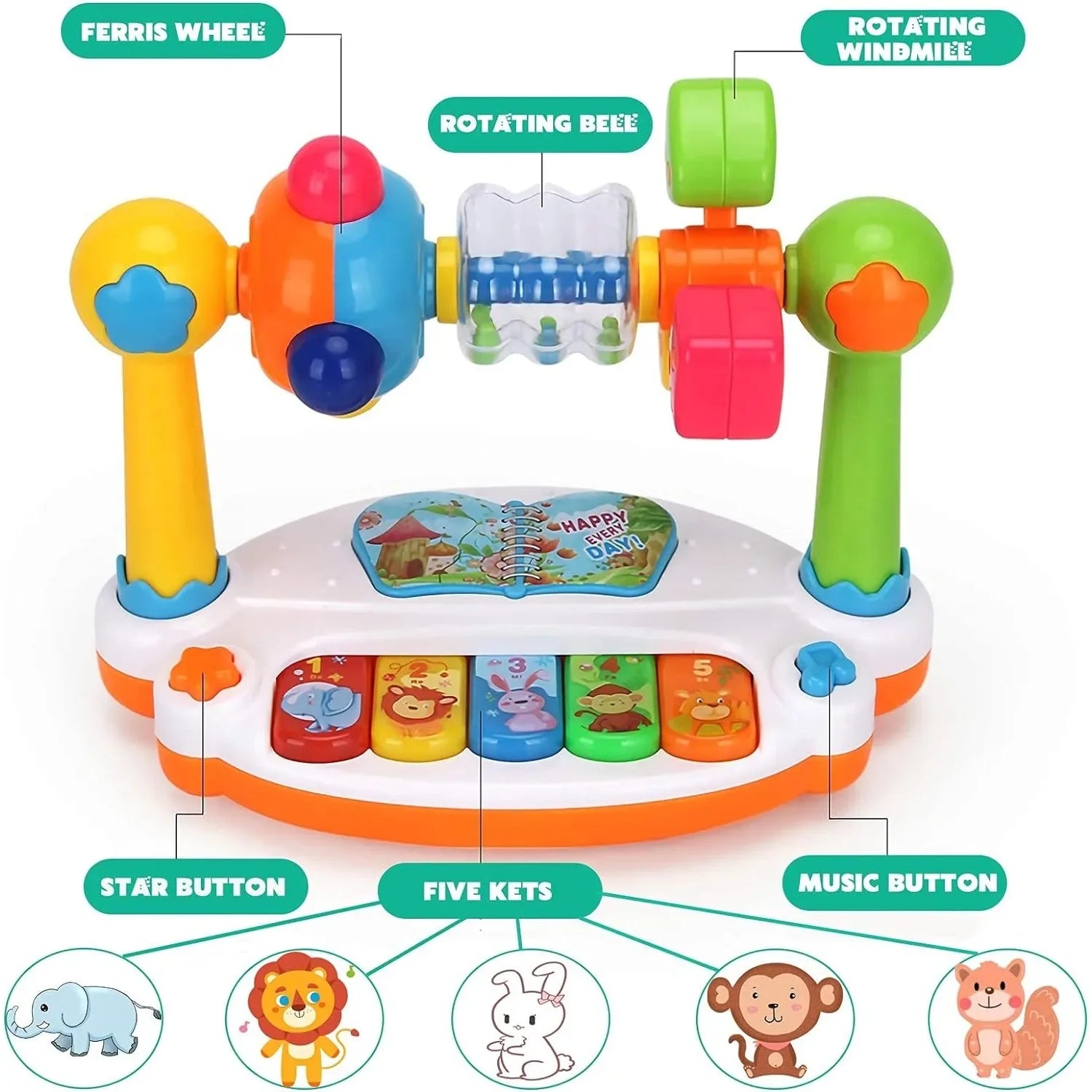
Visual sensory toys and preschool sensory toys that turn play into learning 💡 See it in action
Explore more hands-on options in Sensory Toys.
Why Sensory Stimulation Toys Capture Attention
Sensory stimulation toys work because they meet children where they are. Young brains crave input. When toys respond to touch, movement, or sound, children feel in control, which keeps them engaged longer than passive play.
- Encourage active exploration instead of screen time
- Provide predictable responses that build trust
- Help children self-soothe through repetition
- Support attention span through cause-and-effect play
For sensory seekers, this interaction is calming rather than distracting, making these some of the best toys for sensory seekers.
How Sensory Toys Support Learning and Development
Sensory stimulation toys are more than entertainment. They strengthen brain pathways that support learning through play, especially in early childhood.
- Fine motor growth: Pressing keys, spinning parts, and grasping textures improve hand control.
- Cognitive skills: Lights and sounds teach cause and effect.
- Emotional regulation: Predictable feedback helps children feel secure.
- Language exposure: Musical and interactive elements introduce rhythm and sound patterns.
Many parents pair sensory toys with learning routines found in Baby Growth & Learning to reinforce skills at home.
Key Features That Make Sensory Toys Effective
The most effective sensory stimulation toys combine thoughtful design with child-safe materials. Not all toys deliver the same results.
| Feature | Why It Matters |
|---|---|
| Multi-sensory feedback | Engages sight, sound, and touch together |
| Simple controls | Builds independence and confidence |
| Durable materials | Withstands repeated play |
| Safe finishes | Supports worry-free exploration |
Parents often appreciate how these features reduce toy overload while delivering real developmental benefits.
Why Visual Sensory Toys Improve Focus
Visual sensory toys use color, light, and movement to guide attention without overwhelming the senses. This balance helps children stay engaged longer.
By tracking lights or patterns, children practice visual processing and coordination. This is especially helpful during quiet play or transitions between activities.
Many families combine visual sensory toys with calming routines from Sleep & Comfort to support smoother evenings.
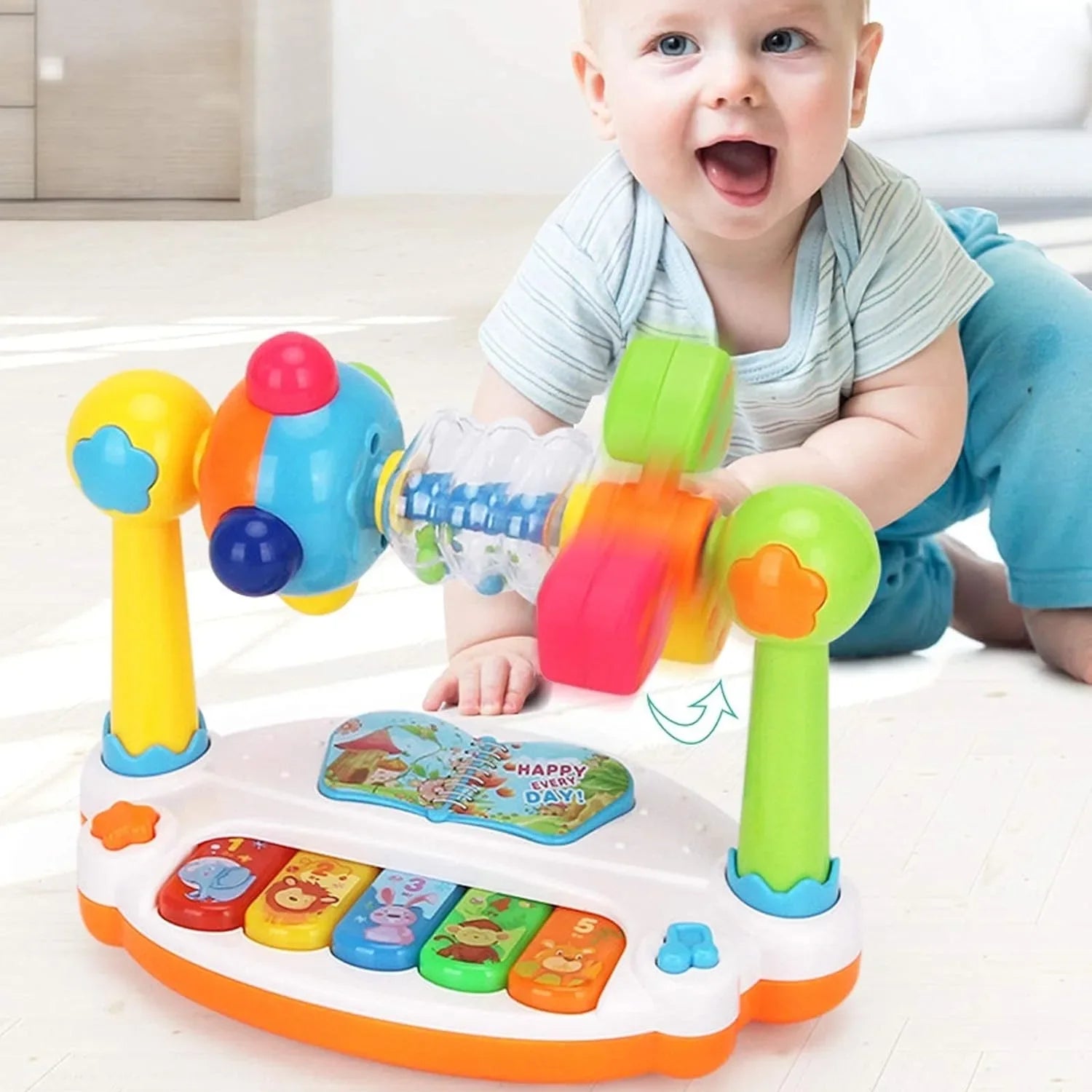
Sensory stimulation toys that support focus and fine motor skills 💡 See it in action
Hands-on music play is a favorite—see the Baby Piano Toy Keyboard in action.
What Makes Preschool Sensory Toys Ideal for Early Skills
Preschool sensory toys bridge the gap between play and structured learning. They introduce early concepts without pressure.
Through stacking, tapping, or matching, children build patience and persistence. These small wins boost confidence and prepare them for group learning environments.
- Encourage independent problem-solving
- Support early math and pattern recognition
- Strengthen hand-eye coordination
- Promote cooperative play with peers
For families building a learning corner, pairing toys with resources from Baby Growth & Learning Tips keeps progress consistent.
Sensory Toys vs Traditional Toys
| Sensory Stimulation Toys | Traditional Toys | |
|---|---|---|
| Engagement time | Longer, self-directed | Shorter, repetitive |
| Development focus | Multi-skill support | Single-skill focus |
| Emotional regulation | High support | Limited |
This difference explains why many parents replace clutter with fewer, higher-quality sensory options.
How to Choose the Right Sensory Stimulation Toy
Choosing the right sensory stimulation toy depends on your child’s needs and environment.
- Look for age-appropriate complexity
- Choose toys with adjustable volume or light
- Prioritize safety and easy cleaning
- Match the toy to your child’s sensory preferences
When safety is a concern, families often browse Health & Safety alongside sensory options.
Real Parent Results and Experiences
Parents consistently report calmer playtime and longer focus spans after introducing sensory stimulation toys.
One parent shared that their toddler went from throwing toys to sitting calmly for 15 minutes of music play. Another noticed improved finger strength after daily keyboard sessions.
These outcomes build trust, especially for families exploring autism sensory toys or tools for sensory seekers.
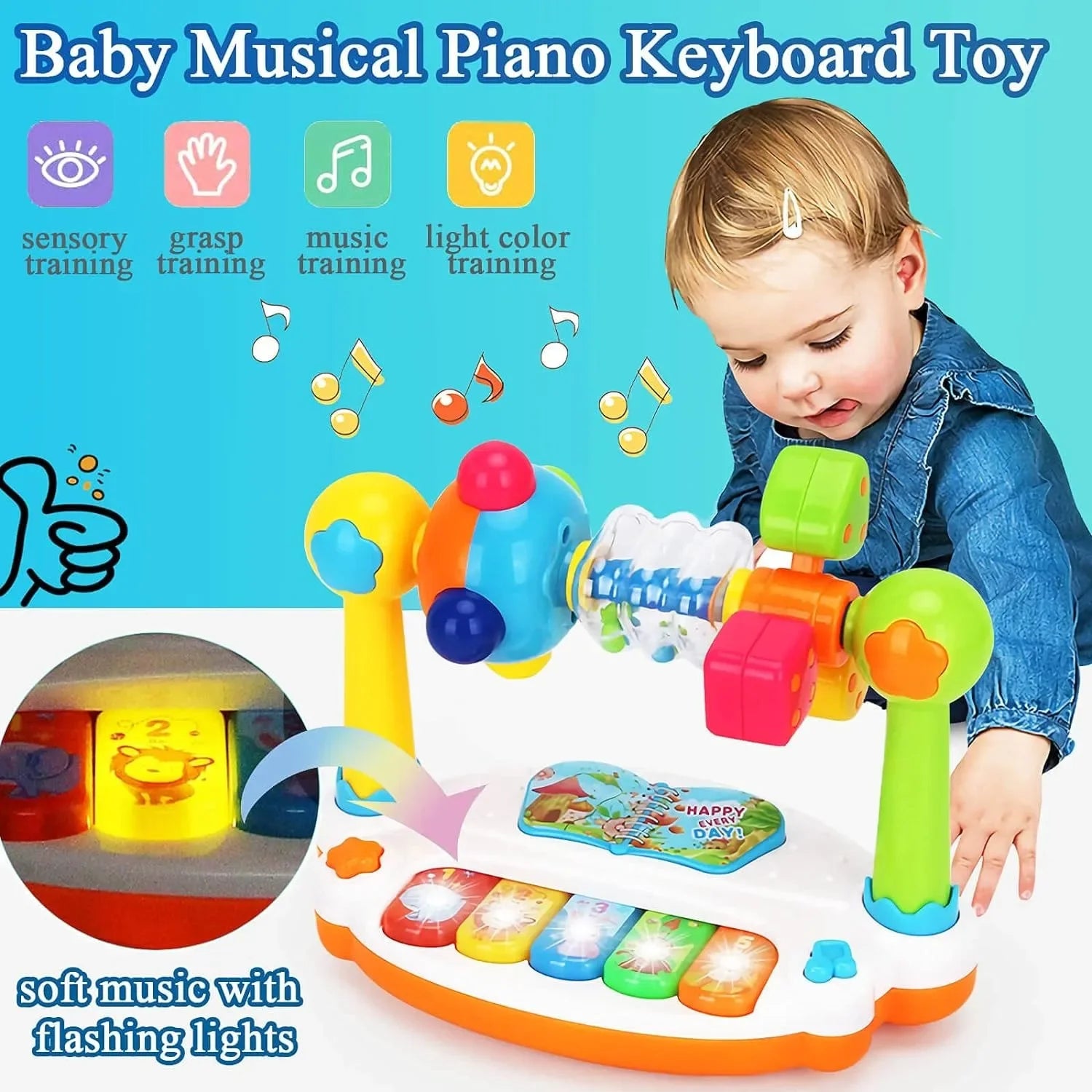
Best toys for sensory seekers that grow with your child 💡 See it in action
Discover interactive play options like the Baby Piano Toy Keyboard that parents trust.
Mini FAQ
Are sensory stimulation toys suitable for everyday play?
Yes. Sensory stimulation toys are designed for daily use and help children practice regulation, focus, and motor skills in short, repeatable sessions.
Do visual sensory toys overstimulate children?
Quality visual sensory toys use gentle colors and predictable patterns to engage attention without overwhelming the senses.
What age benefits most from preschool sensory toys?
Preschool sensory toys are ideal from ages 2–5, supporting early learning, independence, and confidence during rapid development stages.
Related Guide: Preschool Educational Toys: Features That Boost Learning





